 Fixated on Home
Introduction: Why Bathroom Remodels Deliver Strong Returns in 2026
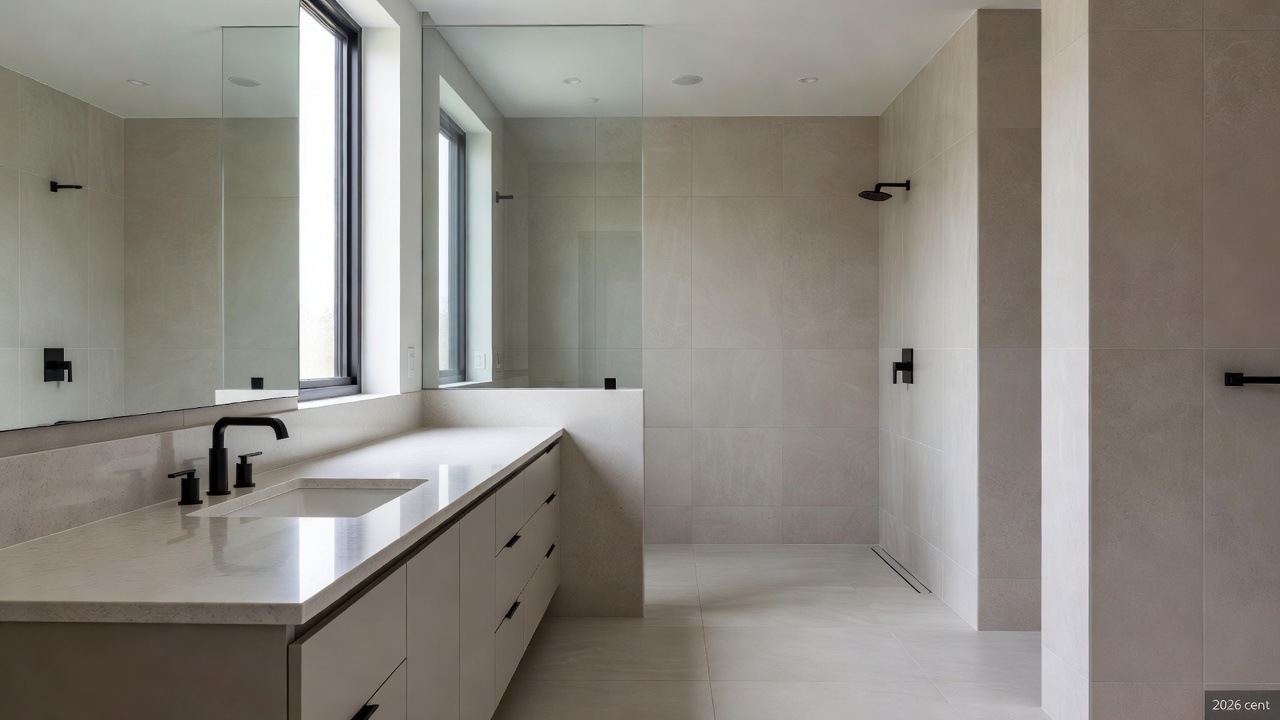
Bathroom remodeling remains one of the most reliable ways to increase home value when executed strategically. In today's market, homeowners seek upgrades that blend functionality, modern aesthetics, and energy efficiency. This guide provides a complete roadmap for maximizing ROI through thoughtful interior upgrades that align with current home decor trends and buyer expectations. By focusing on high-impact changes rather than superficial updates, property owners can create spaces that appeal to a wide range of potential buyers while enhancing daily living comfort.
Prioritizing High-Impact Fixtures and Finishes
Focus first on elements that deliver the greatest visual and functional transformation. Updated vanities, water-efficient toilets, and quality lighting fixtures consistently rank high in buyer appeal. Choose finishes like quartz or porcelain countertops that resist moisture while offering timeless style. Pair these with neutral tile selections in large formats to create an illusion of space in smaller bathrooms. Consider incorporating smart features such as touchless faucets or LED mirrors that add convenience without overwhelming the design. These choices directly influence how buyers perceive the overall quality of the home.
Aligning Upgrades with Emerging Home Decor Trends
Current trends emphasize sustainability and wellness, making natural materials and soft color palettes popular choices. Integrating elements like rainfall showers or built-in seating can elevate the space into a personal retreat. Homeowners should research how these trends perform in their local market to ensure the investment aligns with regional buyer preferences.
Step-by-Step Planning Process
Following a structured approach prevents overspending and ensures the project stays on track. Begin by conducting a thorough inspection of existing plumbing, electrical systems, and structural integrity. Next, establish a vision board that incorporates both personal needs and resale considerations. Research local building codes and permit requirements early to avoid delays. Obtain multiple contractor bids with detailed breakdowns of labor and materials. Finalize selections by visiting showrooms and comparing warranties. Schedule phased work to minimize disruption to household routines. This methodical process reduces costly changes mid-project and keeps the focus on value-adding improvements. Throughout planning, consult resources from authoritative sources such as the Environmental Protection Agency for guidance on water-efficient products that support long-term savings.
Real-World Cost-Benefit Comparisons
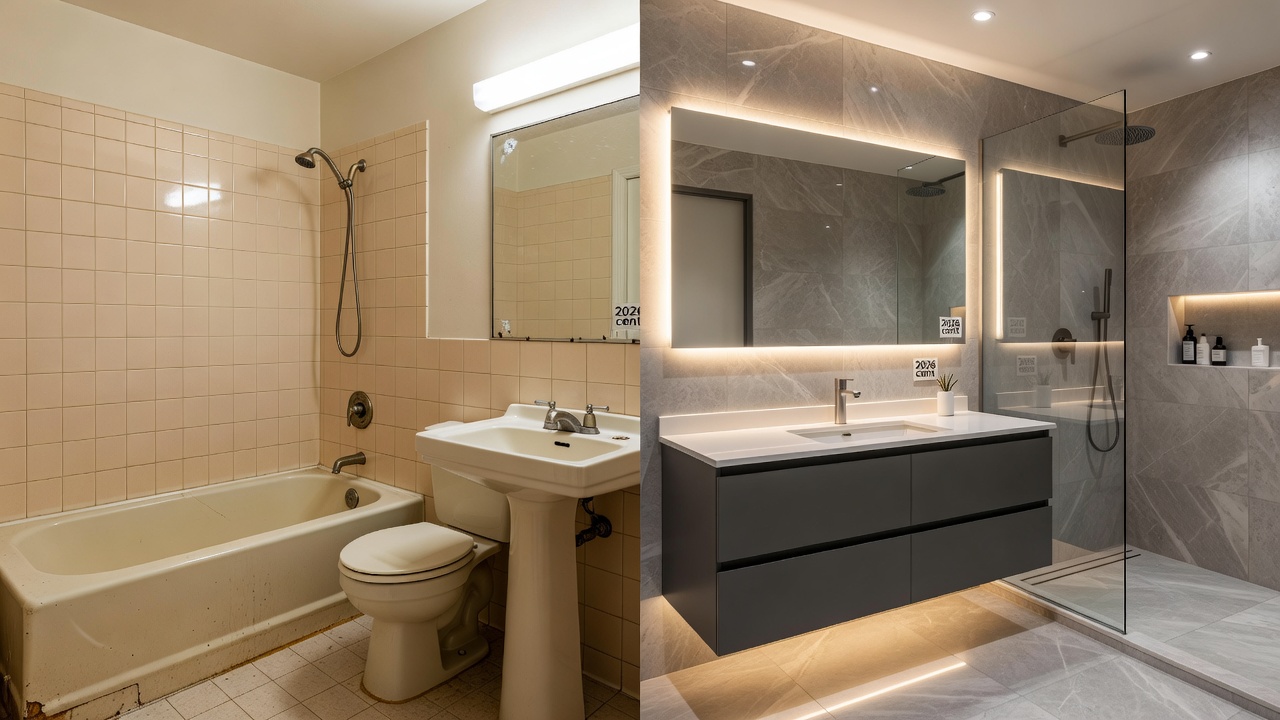
Comparing different upgrade levels helps homeowners make informed choices. A mid-range remodel often provides better proportional returns than luxury overhauls in most neighborhoods. Consider how new shower systems versus full tub replacements affect both daily use and resale appeal. Energy-efficient features, such as low-flow faucets, can also appeal to environmentally conscious buyers while lowering utility expenses over time. Evaluating these trade-offs requires looking at long-term maintenance costs alongside initial outlays to determine which options truly enhance property value.
Material Selection Guide for Durability and Style
Selecting the right materials ensures the remodel withstands daily use while maintaining visual appeal. Porcelain tiles offer excellent moisture resistance and come in versatile patterns that complement various decor styles. For countertops, engineered quartz provides a balance of strength and low maintenance compared to natural stone. When choosing cabinetry, opt for moisture-resistant woods or laminates that resist warping in humid environments. Lighting choices should combine task illumination with ambient options to create versatile atmospheres suitable for morning routines or evening relaxation.
Practical Checklists for Success
- Measure all dimensions accurately before ordering materials to prevent installation issues.
- Verify contractor licensing and insurance coverage through official state databases.
- Include ventilation improvements to prevent mold issues and maintain indoor air quality.
- Plan storage solutions that maximize every inch of space with custom shelving or recessed niches.
- Test all new plumbing and electrical work before final finishes are applied.
- Document every phase with photographs for future reference or warranty claims.
Common Pitfalls to Avoid
Many projects lose potential ROI through poor planning or trend-chasing. Avoid overly personalized designs that may not suit future buyers. Skipping professional installation on complex tasks like tiling or electrical work often leads to expensive repairs later. Always confirm that chosen materials meet current moisture-resistance standards for bathrooms. Another frequent mistake involves neglecting proper waterproofing in wet zones, which can result in structural damage over time. Homeowners should also steer clear of rushing material selections without considering lead times from suppliers.
Case Examples of Successful Upgrades
One suburban home transformed a dated 1980s bathroom into a spa-like retreat using matte black fixtures and heated flooring. The project aligned with 2026 home decor trends emphasizing wellness and sustainability. Another example involved converting an underused half-bath into a full guest suite, significantly expanding the home's functional living space and attracting more interest during showings. A third case featured a family bathroom updated with dual vanities and smart storage, improving usability for multiple users while maintaining a cohesive aesthetic that appealed to young families in the neighborhood.
Financing Strategies and Timeline Considerations
Exploring financing options early helps maintain project momentum. Home equity lines of credit often provide flexible terms for larger renovations. For shorter timelines, phased approaches allow homeowners to complete high-priority areas first. Typical full remodels span several weeks, but careful scheduling around material deliveries can shorten overall duration. Additional insights on energy-efficient upgrades are available from the U.S. Department of Energy, which outlines programs that may support sustainable choices.
FAQ: Timelines, Financing, and Next Steps
How long does a typical bathroom remodel take?
Most projects range from three to eight weeks depending on scope and material availability, with smaller updates completing faster than full gut renovations.
What financing options work best?
Home equity lines of credit or cash-out refinances often provide favorable terms compared to personal loans. Explore options through established lenders and compare rates carefully before committing.
Should I hire a designer?
Professional design input pays off when coordinating complex layouts or high-value finishes, helping avoid mismatched selections that reduce overall appeal and long-term satisfaction.
How can I ensure the project stays within budget?
Maintain a detailed spreadsheet tracking every expense category and build in a contingency fund for unexpected issues that commonly arise during demolition or installation phases.
Conclusion
Strategic bathroom remodeling in 2026 centers on balancing current design preferences with timeless quality. By prioritizing impactful upgrades, following structured planning, and learning from successful examples, homeowners can achieve meaningful returns while creating spaces they enjoy daily. Begin with a thorough assessment of your current bathroom to identify the highest-value opportunities and move forward with confidence.
No comments yet. Be the first!