 Fixated on Home

Introduction: Why Choosing the Right Contractor Matters in 2026
Selecting a qualified professional for your bathroom remodel is one of the most critical decisions homeowners face. A successful project enhances both functionality and aesthetic appeal while aligning with broader interior upgrades and home decor goals. Poor choices can lead to delays, budget overruns, and unsatisfactory results. This guide provides a structured approach to vetting contractors, ensuring quality outcomes and effective cost control throughout 2026.
Bathroom remodeling remains a high-impact home improvement that boosts property value when executed correctly. By focusing on credentials, past work, and transparent communication, you can minimize risks and achieve a space that meets modern standards. Homeowners increasingly seek contractors who understand how bathroom updates integrate with overall living spaces, creating cohesive designs that reflect current trends in sustainability, accessibility, and smart technology integration. Taking time to research thoroughly pays dividends in long-term satisfaction and avoids the common scenario where rushed decisions result in rework or disputes.
Evaluating Contractor Credentials and Licensing
Begin by verifying that any potential contractor holds the necessary licenses, insurance, and certifications required in your area. Check state licensing boards for active status and any disciplinary history. Proper insurance protects you from liability in case of accidents or damage during the renovation. In many regions, general contractors must carry both liability and workers' compensation coverage, while specialists such as plumbers and electricians often need additional trade-specific licenses.
Look for memberships in professional organizations that uphold industry standards. These affiliations often indicate a commitment to ongoing education and ethical practices. Request proof of these qualifications upfront to filter out unqualified candidates early in the process. You can also cross-reference with resources from national home building associations to understand what credentials signal reliability. Additionally, confirm that the contractor maintains current bonding, which provides an extra layer of financial protection if the project encounters unexpected complications.
Reviewing Portfolios for Renovation Ideas and Quality
A strong portfolio reveals a contractor's style, attention to detail, and ability to handle projects similar to yours. Examine before-and-after photos for evidence of creative solutions in space planning, material selection, and fixture integration. Pay close attention to how they incorporate current trends like sustainable materials or smart fixtures that complement overall home decor. High-quality portfolios will showcase a range of project scales, from simple fixture swaps to full gut renovations involving structural changes.
During consultations, ask how their past work aligns with your vision. This step helps generate tailored renovation ideas while confirming their expertise in delivering cohesive, high-quality results. Request to see portfolios that highlight specific challenges they overcame, such as working within small footprints or incorporating universal design elements for aging-in-place needs. Visual references also help you articulate preferences for finishes, lighting schemes, and storage solutions that enhance daily usability.
Comparing Bids and Understanding Project Scope
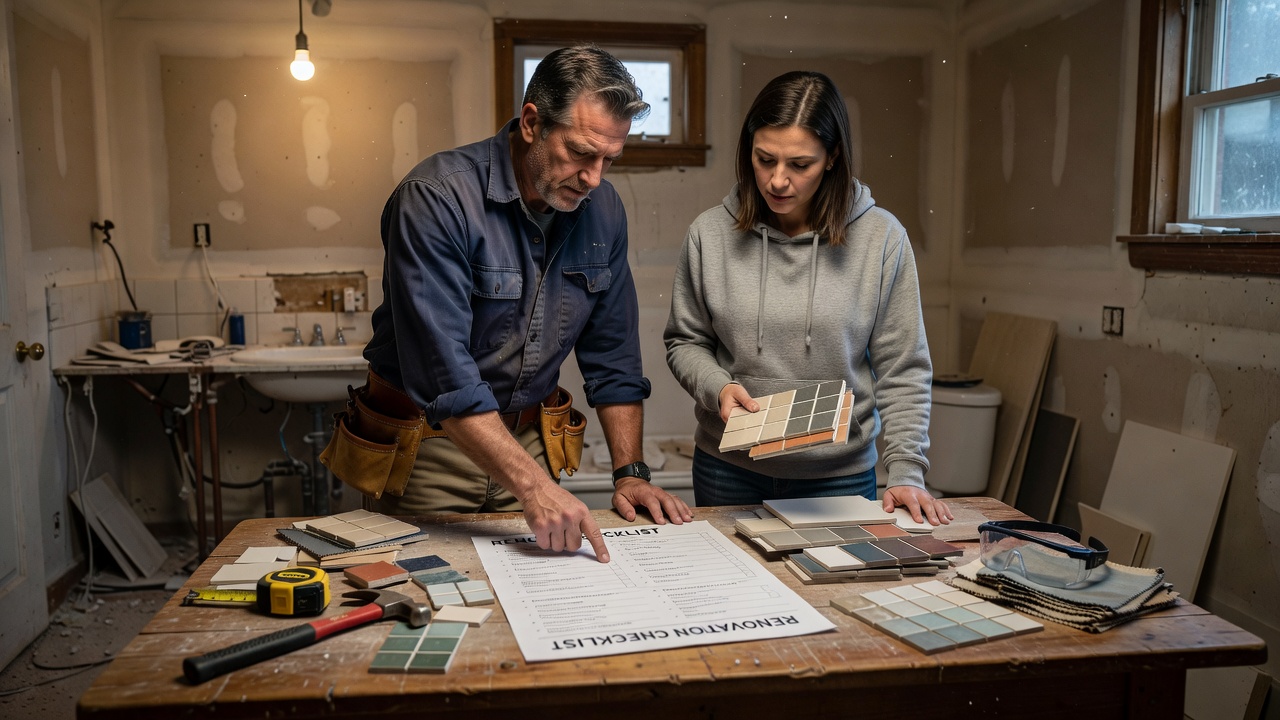
Obtain detailed written estimates from at least three contractors. Each bid should break down labor, materials, timelines, and any allowances for unexpected issues. Compare not only the bottom line but also the scope of work to ensure apples-to-apples evaluations. Thorough bids will itemize every phase, from demolition and plumbing rough-ins to tiling, painting, and final inspections.
Transparent bids that include contingency planning demonstrate professionalism. Avoid the lowest offer if it seems incomplete, as this often signals shortcuts that compromise quality. Use these comparisons to negotiate terms that support both cost control and superior finishes. Clarify how change orders will be handled and whether the contractor offers phased payment structures tied to milestone completions rather than large deposits.
Checking References and Past Client Experiences
Always contact recent references and, if possible, visit completed projects. Prepare specific questions about communication, adherence to schedules, and how issues were resolved. Real-world feedback provides insights that portfolios alone cannot convey. Aim to speak with at least three past clients whose projects were finished within the last 12 to 18 months so memories remain fresh.
Successful hires often share common traits: proactive problem-solving and clear documentation. Examples from satisfied clients might include timely updates during a complex tile installation or seamless coordination with other trades for a full bathroom overhaul. Inquire about how the contractor managed unexpected discoveries, such as outdated wiring or hidden moisture damage, and whether they maintained a clean, respectful worksite throughout the duration.
Step-by-Step Contractor Selection Checklist
- Define your project scope, budget range, and desired timeline in writing before contacting professionals.
- Search for licensed professionals through local directories, trade associations, and online review platforms.
- Verify credentials, insurance certificates, and references with primary sources such as state boards.
- Review portfolios and discuss renovation ideas aligned with your decor goals and functional needs.
- Collect and compare detailed bids that include material specifications and contingency language.
- Interview finalists about their process, team composition, and approach to quality control.
- Review the contract thoroughly with an attorney if needed before signing any documents.
- Establish clear communication protocols and milestone check-ins once work begins.
Red Flags to Watch For
- Requests for large upfront payments before work begins, which can indicate cash-flow issues or potential abandonment risks.
- Reluctance to provide references or proof of licensing, suggesting possible gaps in qualifications or past performance problems.
- Vague timelines or unwillingness to document changes in writing, leaving you vulnerable to disputes later.
- Pressure tactics or unusually low bids that seem unrealistic, often leading to substandard materials or hidden fees.
- Poor communication during initial meetings, which typically predicts ongoing frustration once construction starts.
- Refusal to provide a written contract or insistence on verbal agreements only.
Real-World Examples of Successful Hires
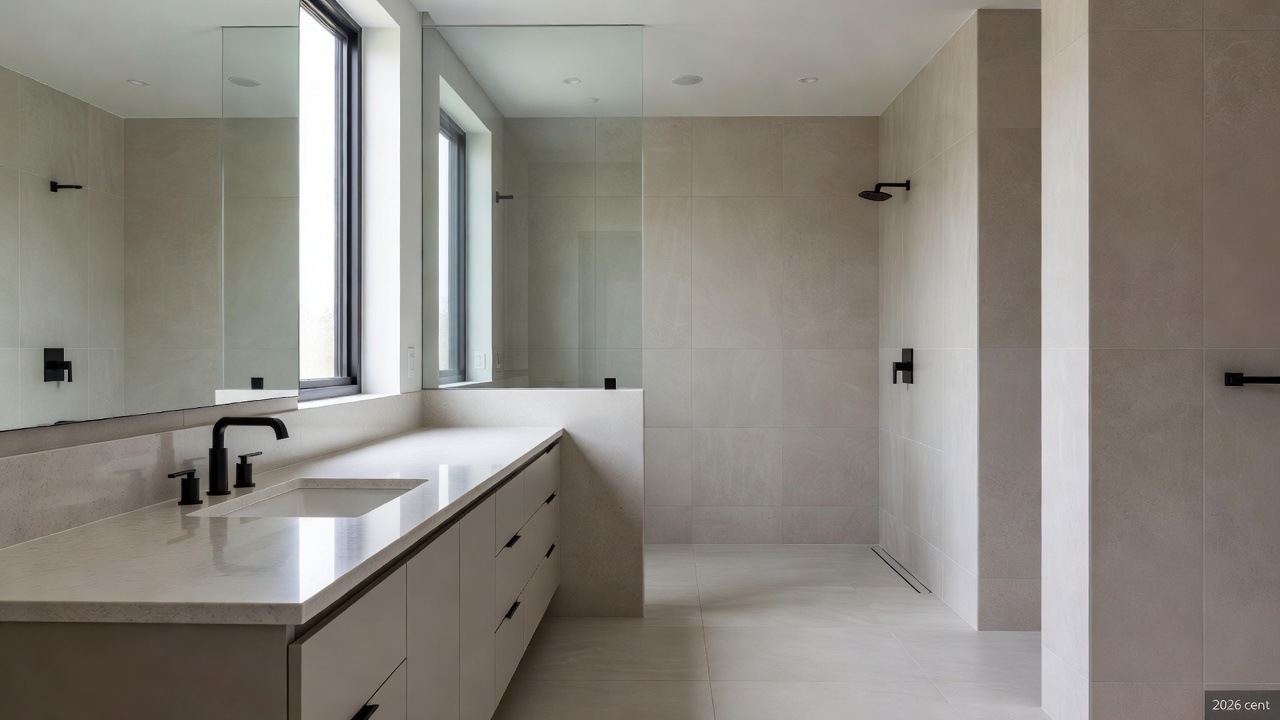
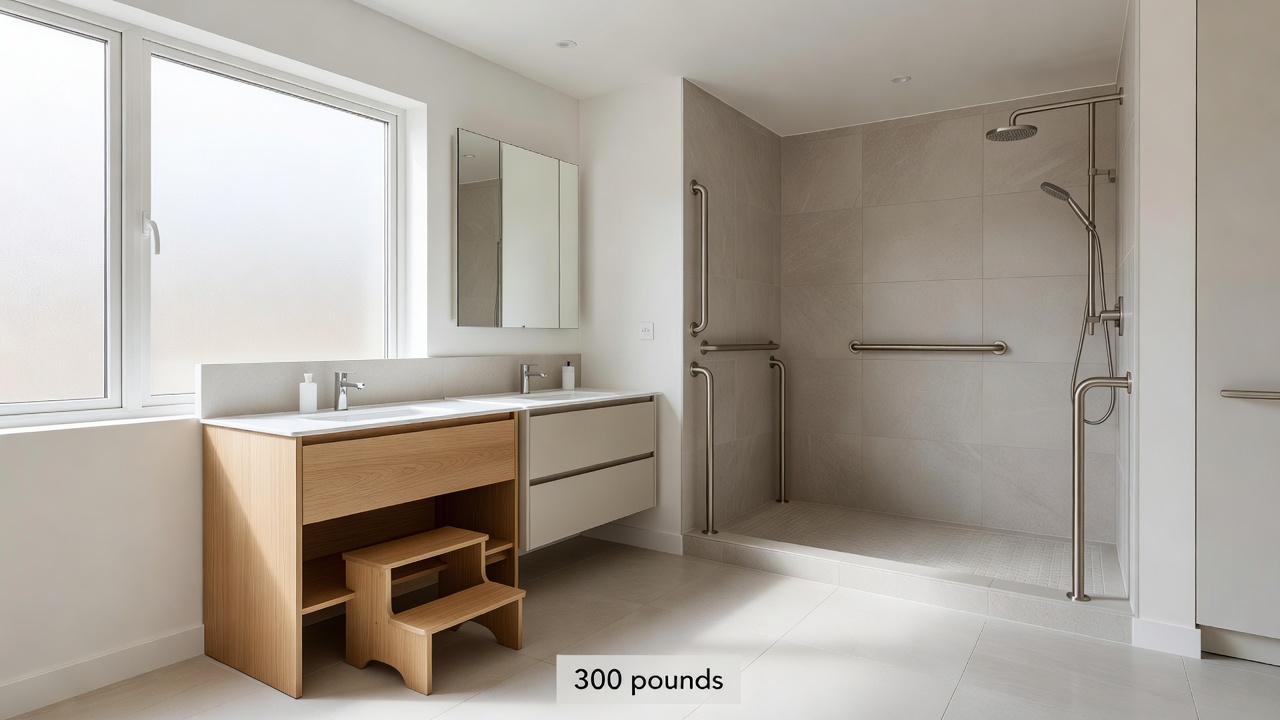
One homeowner in a suburban neighborhood hired a contractor after cross-checking three references and visiting two prior jobs. The result was a modern bathroom featuring custom vanities and efficient lighting, completed on schedule with minimal disruption. Another project succeeded by prioritizing contractors who offered clear material sourcing details, leading to cost savings through bulk purchasing without sacrificing quality. A third example involved a couple who selected a firm specializing in accessible design; their remodel included zero-threshold showers and lever handles that improved safety while maintaining a stylish aesthetic consistent with the rest of their updated interiors.
FAQ on Contracts and Timelines
What should a bathroom remodel contract include?
A comprehensive contract outlines the full scope of work, payment schedule, material specifications, change order procedures, and warranty details. It should also specify start and completion dates along with penalties for delays. Review every clause carefully and ensure both parties initial any handwritten additions.
How long does a typical bathroom remodel take?
Timelines vary by project complexity but generally range from two to six weeks. Factors like custom cabinetry or plumbing rerouting can extend this period. Always build in buffer time for unforeseen issues and coordinate with your contractor on daily work hours to minimize household impact.
Can I make changes after the contract is signed?
Yes, but all modifications require written change orders signed by both parties. This protects against scope creep and maintains budget discipline. Verbal requests should always be followed up with documented confirmations to avoid misunderstandings.
How can I align my bathroom remodel with broader home decor goals?
Share mood boards and material samples from other rooms with your contractor early. This ensures consistent color palettes, hardware finishes, and lighting styles throughout the home, creating a unified interior upgrade rather than an isolated renovation.
Conclusion
By methodically evaluating credentials, portfolios, bids, and references, homeowners can confidently select a contractor who delivers exceptional results. This 2026 guide emphasizes practical steps to avoid common pitfalls while achieving cost-effective, high-quality bathroom transformations that enhance your home's overall appeal. Start your search early, maintain open dialogue, and prioritize transparency for the best outcomes that stand the test of time.
No comments yet. Be the first!