 Fixated on Home
Introduction to Kinetic Art in 2026 Bedroom Design
Kinetic art installations are transforming modern bedrooms in 2026 by adding movement, interactivity, and visual dynamism to spaces traditionally focused on rest. These pieces, which incorporate motors, wind, or user interaction to create motion, elevate bedroom aesthetics beyond static decor. Homeowners seeking unique renovation ideas find that kinetic elements foster personalization while aligning with contemporary trends emphasizing technology and engagement. As bedroom renovations evolve, integrating such dynamic features helps create environments that respond to daily rhythms, offering subtle animations that can calm or energize depending on the time of day.
This approach enhances mood through subtle animations that promote relaxation or stimulation, depending on the design. Unlike fixed artworks, kinetic installations respond to the environment, making bedrooms feel alive and tailored. With increasing interest in smart home upgrades, these art forms blend seamlessly with automated systems for a cohesive experience that feels both innovative and personal.
Benefits of Kinetic Art for Modern Bedrooms
Integrating kinetic art offers multiple advantages for homeowners pursuing 2026 bedroom renovations. It creates visual interest that evolves throughout the day, reducing monotony in sleeping areas and turning a simple room into an engaging sanctuary. Research from leading design institutions shows that interactive elements can improve overall well-being by encouraging mindfulness and reducing stress levels in personal spaces. Personalization stands out as a primary benefit, since many kinetic pieces allow adjustments to speed, pattern, or light intensity to match individual preferences and seasonal changes.
These upgrades also support smart home integration, syncing with lighting and climate control systems for immersive experiences that adapt automatically. In renovated homes, before-and-after transformations demonstrate how a once-plain bedroom gains depth, sophistication, and a sense of movement that static decor cannot match. Additional advantages include enhanced resale appeal, as buyers increasingly seek unique features, and opportunities for creative expression that reflect the occupant's personality. For those focused on wellness, gentle motion can aid in creating a meditative atmosphere conducive to better sleep quality.
Learn more about the history and impact of kinetic art at MoMA. Explore broader design principles at ArchDaily.
Selecting Suitable Kinetic Pieces for Bedrooms
Choosing the right kinetic piece requires careful consideration of room size, noise tolerance, and aesthetic harmony. Opt for wall-mounted mobiles or ceiling-suspended sculptures scaled to bedroom dimensions to avoid overwhelming the space. Materials such as lightweight aluminum, sustainable bamboo, or recycled composites ensure durability while maintaining visual appeal. Prioritize models with whisper-quiet motors, as excessive sound disrupts sleep environments.
Popular selections include wind-driven hanging elements with subtle LED integrations or motorized abstract forms that shift gradually. Evaluate compatibility with existing color schemes and furniture styles to maintain a cohesive look. Energy-efficient options with low-power consumption align well with eco-conscious renovations. Consider pieces that offer modular components for future customization. A scannable checklist helps in decision-making:
- Measure available wall or ceiling space accurately before purchase.
- Test noise levels in person or via video demonstrations.
- Verify compatibility with smart home hubs for tech integration.
- Review material safety data for low-VOC finishes suitable for bedrooms.
- Assess motion range to ensure it complements rather than distracts from rest.
Installation Steps and Safety Considerations
Proper installation begins with a structural assessment of walls or ceilings, often requiring consultation with professionals to confirm load-bearing capacity. Use reinforced anchors and hardware rated for both the static weight and dynamic forces of moving parts. Electrical connections for motorized units should always be handled by licensed electricians to comply with safety standards and prevent fire risks.
Detailed steps include precise measurement of placement points, installation of vibration-dampening mounts, balance testing after initial setup, and gradual calibration of movement speeds. Safety protocols extend to child-proofing accessible mechanisms, installing emergency shutoffs, and scheduling regular inspections for cable wear or motor fatigue. Mistakes to avoid include overloading ceiling joists without proper reinforcement, ignoring local building permits for electrical work, and placing pieces too close to beds or windows where motion could cause interference.
Additional practical advice covers budgeting for professional installation services and selecting pieces with built-in sensors that pause movement during high winds or seismic activity. Homeowners should also plan for future maintenance access during the initial design phase.
Cost Comparisons to Traditional Art
Kinetic installations generally require a higher initial investment than traditional paintings or prints due to mechanical and electronic components. However, their extended lifespan and interactive qualities deliver superior long-term value by reducing the need for frequent replacements or updates. Qualitative comparisons reveal that these dynamic pieces create more memorable and personalized spaces, often justifying the premium through enhanced daily enjoyment and design impact.
Real-World Examples from Upgraded Homes
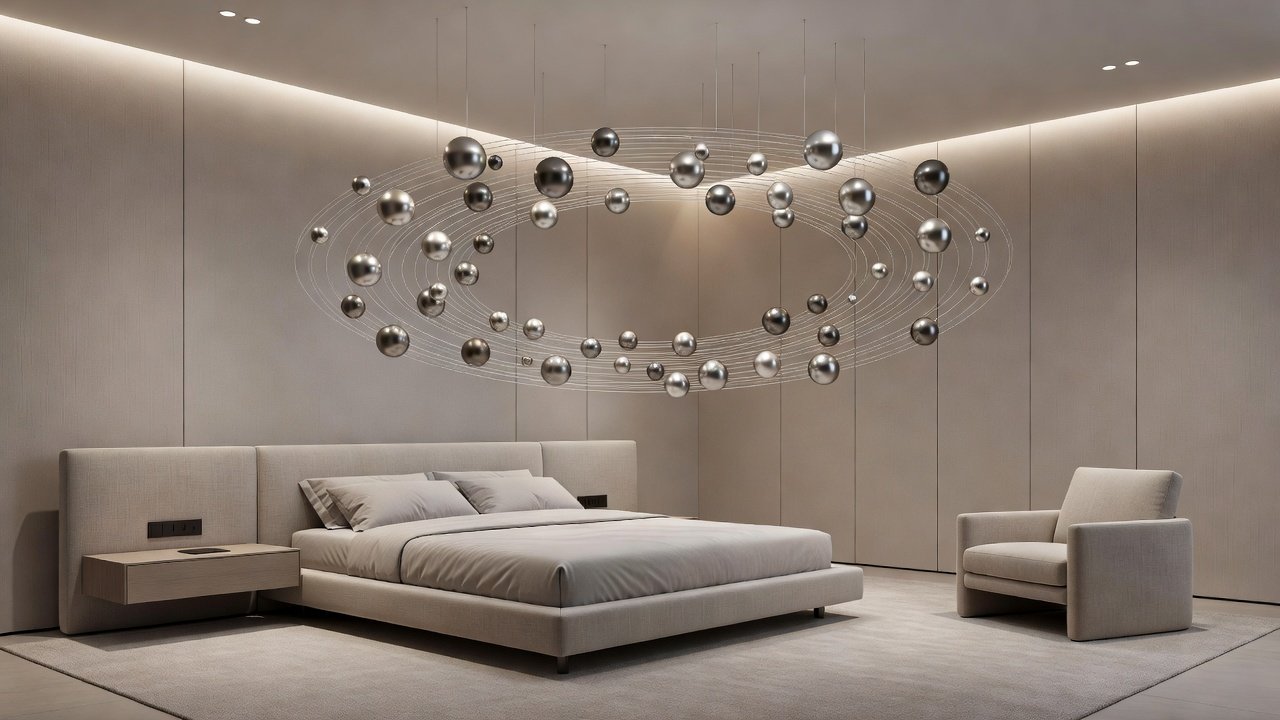
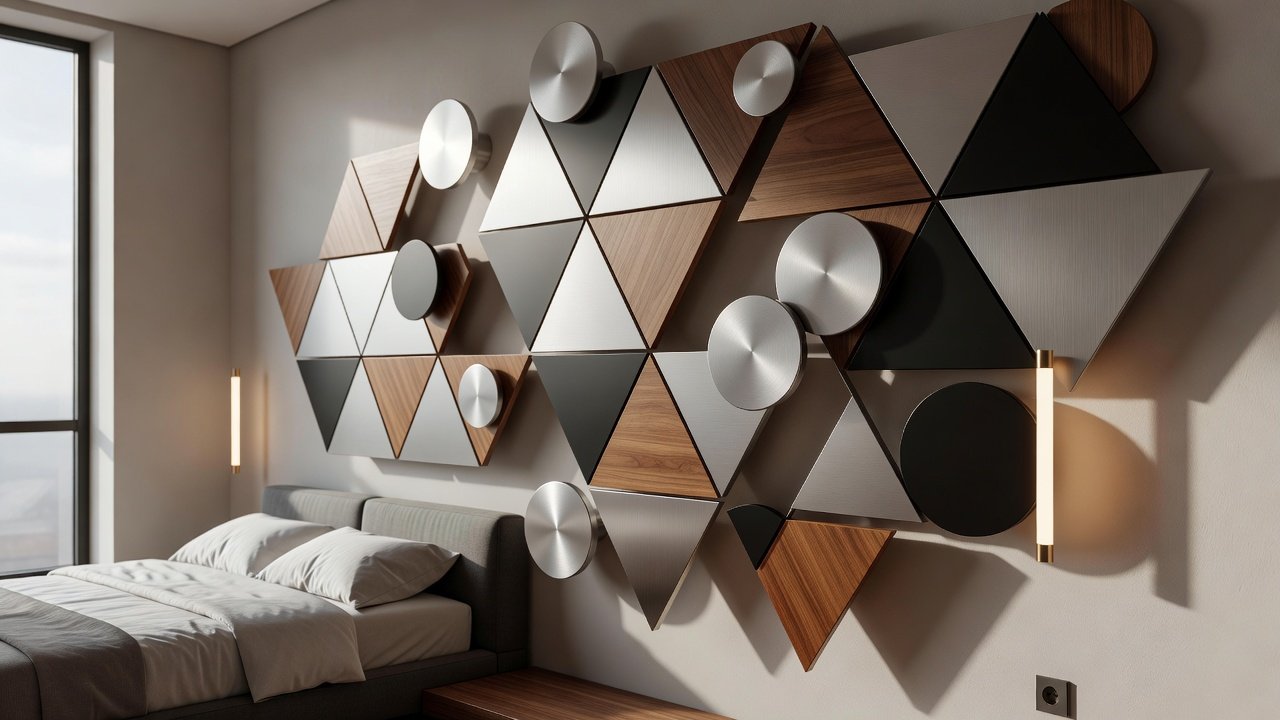
In a recent urban loft renovation, a ceiling-mounted kinetic sculpture featuring orbiting metallic spheres converted a minimalist bedroom into a captivating retreat. Residents reported improved mood and better sleep routines after the addition, with the gentle motion serving as a natural focal point during evening wind-down periods. Another example involves a custom wall panel with shifting geometric shapes integrated into a smart lighting system; this setup allowed the art to mirror circadian rhythms, resulting in noticeable enhancements to relaxation and energy levels throughout the day.
A suburban family home project featured a low-profile floor-based kinetic installation near a reading nook, using soft fabric elements that responded to air currents from HVAC systems. Before the upgrade, the bedroom felt static and uninspired; afterward, it became a conversation starter that blended functionality with artistic expression. These real-world cases illustrate versatility across modern, minimalist, and transitional styles while highlighting practical outcomes like increased property appeal.
Practical Tips for Integration
Successful integration starts with starting small, such as testing tabletop kinetic elements before scaling to larger ceiling or wall pieces. Pair installations with neutral bedding and wall colors to let the moving art become the centerpiece. Incorporate app-based controls for seasonal pattern adjustments and consult specialists in interactive design for tailored recommendations. Always prioritize pieces with easy-access maintenance panels and energy-efficient certifications.
Maintenance and Tech Integration FAQ
How often should kinetic art be maintained?
Light dusting weekly combined with quarterly motor lubrication checks and annual professional servicing keeps most installations running smoothly.
Can these installations integrate with smart home systems?
Many current models connect via Wi-Fi or Bluetooth to popular platforms, enabling scheduled movements, light synchronization, and voice commands through major assistants.
What if the piece stops moving?
Begin troubleshooting by verifying power connections and app settings, then contact the installer; common fixes involve sensor recalibration or simple firmware updates.
Are there energy consumption concerns?
Modern kinetic art uses minimal power, often comparable to a small LED bulb, making it suitable for continuous operation in energy-conscious homes.
Conclusion
Kinetic art installations represent an innovative upgrade for 2026 bedroom designs, blending artistry with technology for dynamic, personalized environments. By following selection, installation, and maintenance best practices while learning from real examples, homeowners achieve spaces that enhance daily living through subtle motion and visual intrigue. Explore these trends to elevate your next renovation project with confidence and creativity.

No comments yet. Be the first!