 Fixated on Home
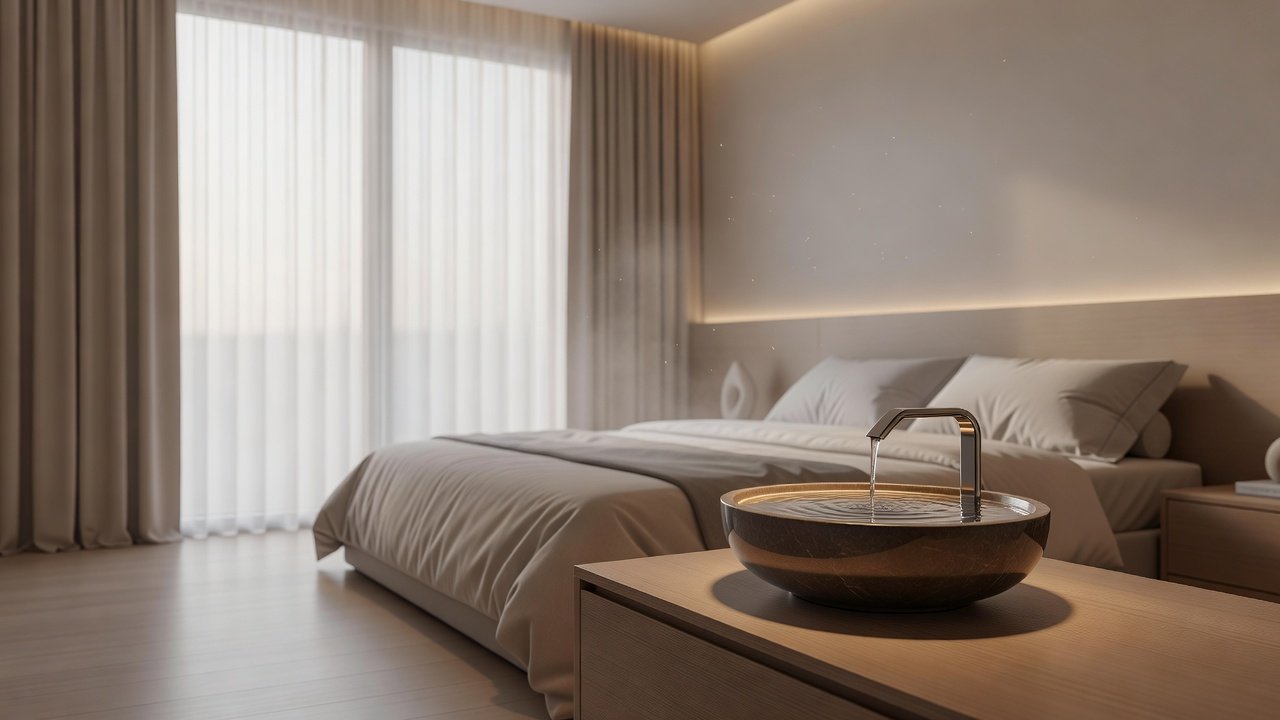
2026 Bedroom Design: Adding Indoor Water Features for Tranquil Upgrades
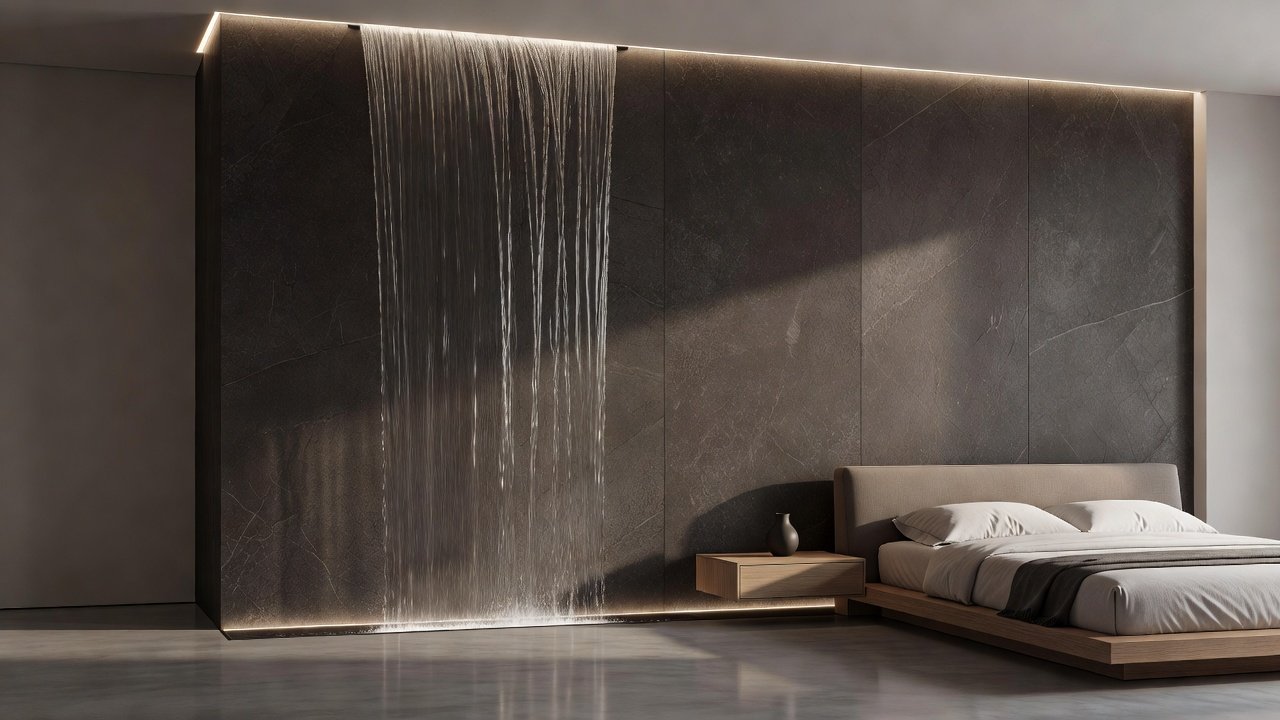
In 2026, homeowners are embracing indoor water features as a sophisticated way to enhance bedroom serenity while aligning with contemporary wellness trends. These elements, from compact tabletop fountains to elegant wall waterfalls, introduce the soothing sound of flowing water that promotes relaxation and better sleep. This guide covers practical strategies for integrating them into modern homes with an emphasis on eco-friendly pumps and minimalist aesthetics. As bedroom design evolves, incorporating natural elements like moving water helps create personal sanctuaries that support mental clarity and restorative rest amid increasingly busy lifestyles.
Why Indoor Water Features Suit 2026 Bedroom Trends
Modern bedroom design prioritizes calm environments that support mental health. The gentle acoustics of moving water can reduce stress, drawing from biophilic design principles that connect interiors with nature. In 2026, minimalist styles pair beautifully with subtle water elements that avoid clutter while adding visual interest through reflective surfaces and soft lighting. Beyond aesthetics, these features align with growing interest in wellness-focused interiors where soundscapes play a key role in daily routines. Research-backed approaches to environmental psychology show that consistent, low-level water sounds can mask disruptive noises from urban settings, making them especially valuable in apartments or homes near busy streets.
Trends this year also emphasize sustainability, with many manufacturers prioritizing pumps that operate on minimal electricity while recycling water in closed loops. This approach not only lowers utility impact but also fits seamlessly into rooms designed around neutral palettes, natural woods, and organic textures. Homeowners report feeling more grounded when these features become part of their evening rituals, turning the bedroom into a true retreat rather than just a sleeping space.
Selecting Water-Efficient Options
Choosing efficient models is essential for sustainability. Look for pumps labeled with low energy consumption and recirculating systems that minimize water waste. Opt for LED-lit fountains or solar-compatible units to further reduce environmental impact. Compare flow rates to match room size without excess splashing. When evaluating options, consider variable-speed pumps that allow customization based on time of day, running quietly at night while providing stronger visual effects during daytime hours. Materials such as recycled glass or responsibly sourced stone add another layer of eco-consciousness without sacrificing durability.
EPA water conservation guidelines recommend features with automatic shutoff timers for responsible use in residential settings. Homeowners should also examine filtration systems that prevent algae buildup, extending the life of the unit and maintaining clean water quality. Popular choices in 2026 include compact ceramic tabletop models for smaller rooms and vertical wall-mounted designs that double as art pieces in larger master suites.
Placement Strategies to Avoid Humidity Issues
Strategic positioning prevents moisture-related problems like mold or wallpaper damage. Place units away from beds and electronics, ideally near windows with good ventilation or on surfaces with protective trays. In smaller bedrooms, wall-mounted options save floor space while directing mist outward. Always account for ceiling height and airflow from ceiling fans or vents to ensure water vapor disperses evenly rather than concentrating in one area.
Consider airflow patterns and use dehumidifiers if needed in humid climates. Real-home examples show success when features are installed near existing HVAC returns for balanced air circulation. Avoid placing fountains directly under skylights where condensation might collect, and maintain at least two feet of clearance around the unit for easy access during cleaning. In multi-story homes, positioning on the ground floor or near exterior walls often yields the best humidity control results.
Integrating with Smart Home Systems
2026 trends highlight seamless connectivity. Pair water features with smart plugs or apps for voice-controlled operation and scheduling. Integration with systems like Alexa or Google Home allows automated activation during evening wind-down routines. Advanced setups can sync water flow intensity with ambient lighting or even bedroom temperature sensors to create dynamic environments that respond to occupancy or time of day.
Energy Department smart home resources provide insights on efficient automation that complements water feature pumps. Users can program features to activate thirty minutes before bedtime and deactivate automatically at dawn, reducing unnecessary operation. Security-conscious homeowners often add these devices to existing smart hubs for centralized control and remote monitoring while away on travel.
Material Comparisons for Durability
Stainless steel and tempered glass offer longevity and easy cleaning in minimalist designs. Resin and ceramic provide affordable alternatives with varied textures but may require more frequent sealing. Compare corrosion resistance and weight for bedroom suitability, favoring lightweight composites in upstairs spaces. Natural stone options deliver premium tactile appeal yet demand periodic sealing to resist water stains over time.
Metal finishes in matte black or brushed nickel resist fingerprints and blend with contemporary hardware, while acrylic panels allow creative backlighting effects without adding visual weight. When selecting materials, factor in long-term maintenance: smoother surfaces collect less dust and are simpler to wipe down weekly. Durability testing from manufacturers typically highlights units rated for continuous indoor use exceeding five years under normal conditions.
Step-by-Step Installation Tips
Proper installation ensures both safety and optimal performance. Begin by assessing electrical access and confirming the chosen location supports the weight of a filled reservoir. Use a level to mark mounting points for wall units, and always install GFCI protection on the dedicated outlet. Assemble components on a protected surface first, testing the pump separately before full integration.
- Measure your space and select a feature sized appropriately for acoustics and visual scale.
- Prepare the surface with waterproof mats or trays to catch any minor spills during refills.
- Assemble the pump and reservoir following manufacturer instructions, ensuring all seals are tight.
- Connect to power sources and test flow before final placement, adjusting the pump speed for desired sound levels.
- Adjust lighting and add decorative stones for personalization while checking stability on the final surface.
- Run a full cycle for twenty-four hours to identify any leaks or unusual noises before daily use.
Real-Home Examples and Maintenance Routines
In a Seattle loft renovation, a wall waterfall integrated behind a floating headboard created a focal point without dominating the room. A suburban family in Austin added a tabletop fountain to a guest bedroom, pairing it with potted plants for a layered natural effect. Maintenance involves weekly water changes, monthly pump cleaning, and quarterly filter replacements to ensure longevity and hygiene. Keep a small toolkit nearby with soft brushes and vinegar solution for descaling mineral deposits common in hard-water areas.
Establish a simple routine: check water levels every three days, wipe surfaces weekly, and inspect tubing monthly for blockages. Seasonal deep cleans using mild, non-abrasive cleaners help maintain clarity and prevent bacterial growth. Many owners document their maintenance schedules in a home app to stay consistent over time.
Potential Challenges and Solutions
Common issues include excessive noise or algae formation. Solutions range from selecting variable-speed pumps with silent modes to adding UV sterilizers in the reservoir. For homes with pets or children, opt for enclosed designs that limit access to the water. Troubleshooting guides from reputable suppliers often cover pump priming techniques and flow adjustments that resolve most operational hiccups within minutes.
Conclusion
Adding an indoor water feature to your bedroom in 2026 offers a meaningful upgrade that blends modern design with proven wellness benefits. By focusing on efficiency, thoughtful placement, and smart integration, homeowners can enjoy a tranquil atmosphere year-round while keeping maintenance straightforward. With careful planning, these elements become lasting centerpieces that enhance both the aesthetic and emotional quality of the space.
FAQ on Costs and Safety
- What safety features should I prioritize? Look for GFCI outlets and child-proof covers on reservoirs.
- How do I handle noise levels? Choose adjustable pumps with silent modes for nighttime use.
- Are there seasonal considerations? Winter operation may need antifreeze additives in colder regions, while summer benefits from algae-preventing treatments.
- Can these features affect indoor air quality? Proper filtration and regular water changes help maintain healthy humidity levels without promoting mold.
- What if my bedroom has low ceilings? Opt for horizontal tabletop models or slim vertical designs that fit spatial constraints.
Always consult local building codes for electrical integrations to maintain safety standards.
No comments yet. Be the first!