 Fixated on Home
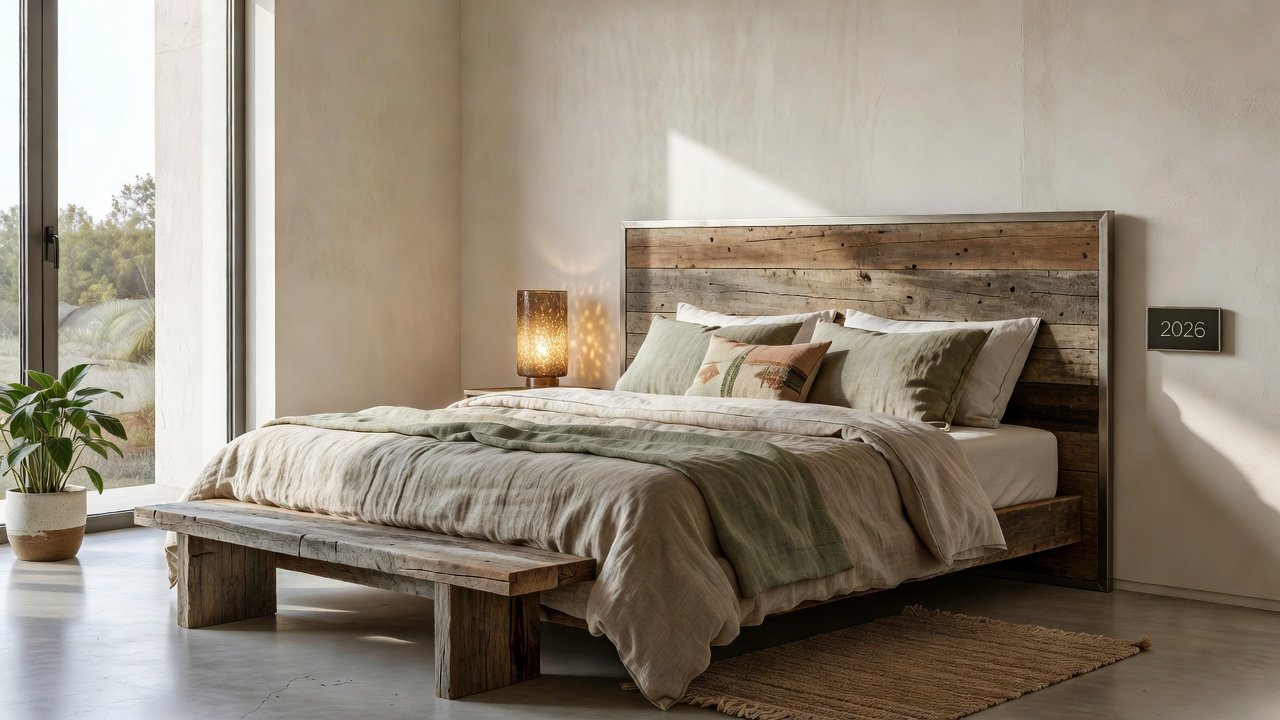
Introduction to Sustainable Bedroom Renovations in 2026
Bedroom renovations in 2026 are increasingly focused on sustainability, with homeowners seeking ways to reduce waste while creating stylish, comfortable spaces. Using recycled materials offers an eco-conscious approach that aligns with modern design trends and helps minimize environmental impact. This guide explores practical ways to integrate reclaimed wood, upcycled textiles, and other salvaged resources into contemporary bedrooms. Homeowners today prioritize materials that tell a story while supporting planetary health, making recycled options a top choice for those who want both beauty and responsibility in their personal sanctuaries.
Recycled materials not only lower the demand for virgin resources but also add unique character through natural textures and histories. Whether refreshing an entire room or tackling smaller updates, these options support both aesthetic goals and responsible building practices. The trend toward circular design means more people are turning to salvage yards and reuse centers, transforming what was once discarded into functional art pieces that elevate bedroom interiors.
Key Benefits of Choosing Recycled Materials
Opting for recycled options in bedroom projects delivers multiple advantages. They typically require less energy to produce than new materials, cutting down on carbon emissions. Many reclaimed items also offer superior durability from prior use, such as aged wood that has already settled and seasoned over decades. This inherent strength often surpasses freshly milled lumber in terms of stability and resistance to warping.
Additionally, these materials often cost less while providing one-of-a-kind visual interest that new stock cannot replicate. Homeowners report improved indoor air quality when avoiding certain virgin synthetics, and the process supports local economies through salvage yards and reuse centers. Beyond financial and health perks, choosing recycled materials contributes to waste diversion from landfills, fostering a sense of accomplishment that comes from creative reuse. Environmental benefits extend to reduced deforestation and lower water consumption during production processes.
Sourcing Recycled Materials Effectively
Start by exploring local salvage yards, architectural reclamation centers, and online marketplaces dedicated to building materials. Reclaimed wood from old barns or factories works well for headboards, flooring, or accent walls. Upcycled textiles from discarded clothing or linens can become custom bedding, curtains, or upholstery. Always verify the origin of materials to ensure they are free from harmful chemicals or contaminants that could affect bedroom air quality.
Check community recycling programs and construction waste streams for additional options like glass from bottles turned into light fixtures or metal scraps for hardware. For official guidance on responsible sourcing, visit the EPA website and Energy Star resources. Another valuable resource is the USDA site for information on sustainable forestry practices that complement recycled wood use. Network with local contractors who often have excess materials from demolition projects, and consider attending building material swaps or estate sales for hidden gems.
Step-by-Step Project: Building a Reclaimed Wood Headboard
Measure your bed width and desired height. Source enough reclaimed wood planks, ensuring they are clean and dry. Sand surfaces smooth, then apply a natural sealant. Attach planks to a simple plywood backing using screws and brackets for stability. Mount the finished piece securely to the wall. This project typically takes a weekend and blends rustic charm with modern minimalism when painted or left natural. Consider adding LED strip lighting behind the headboard for a contemporary glow that highlights the wood grain.
Before assembly, sort planks by color and grain pattern to create a visually balanced design. Use a level during installation to guarantee straight lines, and pre-drill holes to prevent splitting in older timber. The result is a focal point that draws the eye and serves as a conversation starter about sustainable living.
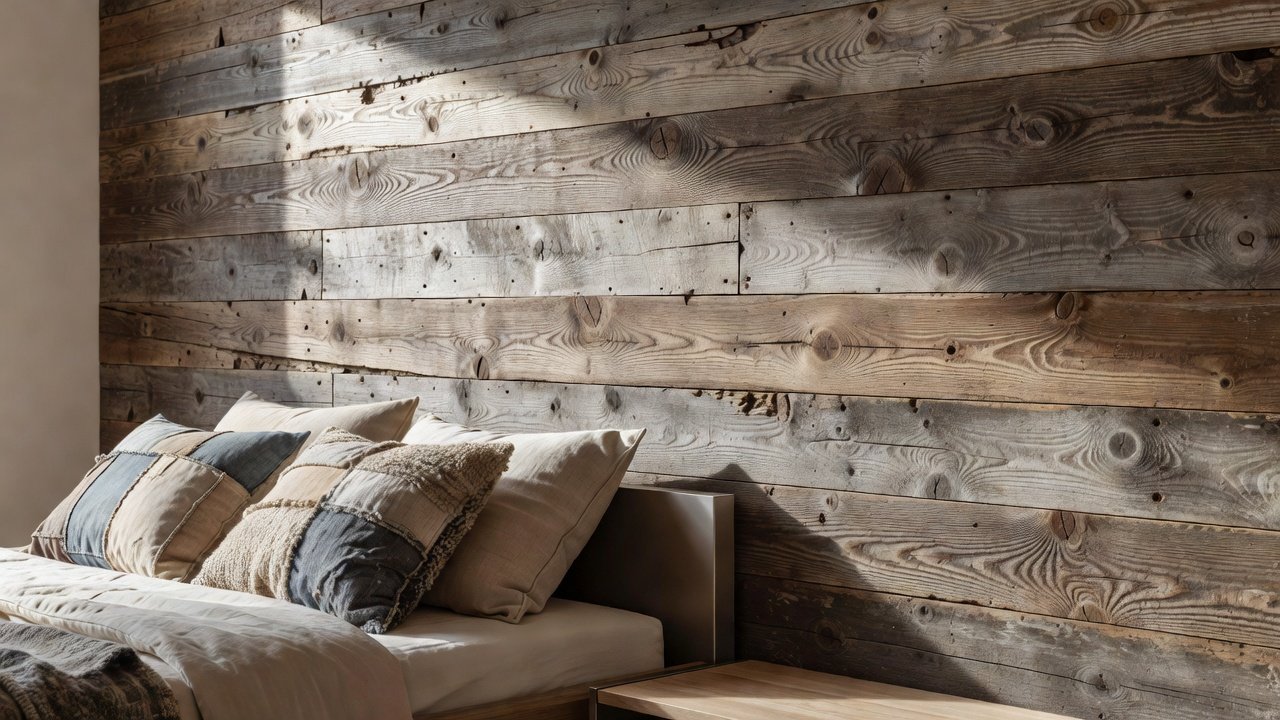
Additional Project Tutorial: Upcycled Textile Curtains and Bedding
Transform old garments or tablecloths into bedroom textiles by first washing and cutting them into panels. Sew or use fabric glue to join pieces into curtain lengths or duvet covers. Add lining for better light blocking and durability. Hang with recycled metal rods sourced from hardware reuse centers. This approach allows for personalized patterns while diverting fabric from landfills, and the soft textures create a cozy atmosphere perfect for rest.
Experiment with patchwork designs that mix denim, linen, and cotton remnants for visual depth. For bedding, layer multiple fabric types to achieve different weights suitable for seasonal changes. These projects require basic sewing skills but yield professional-looking results that rival high-end retail options.
Cost Comparisons and Budget Planning
Recycled materials generally provide significant savings compared to purchasing new equivalents. Reclaimed wood can be sourced at lower per-unit costs than premium new lumber, while upcycled fabrics reduce expenses on custom textiles. Factor in time for sourcing and any necessary treatments when budgeting. Planning ahead with a detailed material list helps avoid unexpected purchases and keeps projects on track for cost-conscious renovators.
Before-and-After Examples
A plain white bedroom transformed with a reclaimed wood accent wall and upcycled linen curtains shifts from generic to warm and inviting. Another example shows a dated space updated with metal from salvaged fixtures and textile headboard covers, achieving a contemporary look without new purchases. A third case involved converting an unused closet into a reading nook using salvaged shelving and recycled carpet remnants, dramatically increasing functionality and style.
Practical Checklist for Your Renovation
- Assess current bedroom layout and identify high-impact areas like walls or bedding.
- Research local suppliers and schedule visits to salvage sites.
- Verify material safety and prepare surfaces properly before installation.
- Plan for blending old textures with modern elements like clean lines and neutral palettes.
- Document progress with photos for inspiration and future reference.
- Calculate approximate material quantities to minimize waste during cutting.
- Test finishes on small samples to ensure compatibility with existing decor.
- Schedule professional help for structural elements if needed.
Maintenance FAQs
How do I clean reclaimed wood furniture? Use a damp cloth with mild soap and avoid harsh chemicals to preserve natural finishes. Dust regularly to prevent buildup in crevices.
Are upcycled textiles machine washable? It depends on the original fabric; test small areas or opt for gentle cycles. Air drying is often recommended to maintain shape.
What if recycled materials show wear over time? Regular sealing and spot repairs extend lifespan effectively. Touch-up applications of natural oils can restore vibrancy to wood surfaces.
How often should I inspect for pests in reclaimed wood? Perform seasonal checks, especially in humid climates, and treat proactively with eco-friendly solutions.
Blending Recycled Elements with Contemporary Aesthetics
Pair textured reclaimed wood with sleek metal accents or minimalist lighting. Use neutral tones in upcycled textiles to maintain a fresh, uncluttered feel. Layer pieces thoughtfully so the sustainable choices enhance rather than overwhelm the overall design. Incorporate geometric patterns in new paint or accessories to balance organic reclaimed surfaces, creating harmony between old and new.
Mistakes to Avoid When Using Recycled Materials
Common pitfalls include overlooking moisture content in wood, which can lead to future cracking. Always source from reputable suppliers who provide treatment histories. Another error is mismatched scales—ensure salvaged pieces fit proportionally within the room dimensions. Finally, neglect of proper ventilation during finishing can compromise air quality, so work in well-ventilated areas.
Conclusion
Incorporating recycled materials into 2026 bedroom renovations creates spaces that are both beautiful and responsible. By following these sourcing tips, tutorials, and checklists, homeowners can achieve meaningful upgrades that stand the test of time while supporting sustainability goals. The result is a personal retreat that reflects care for both style and the environment.


No comments yet. Be the first!