 Fixated on Home
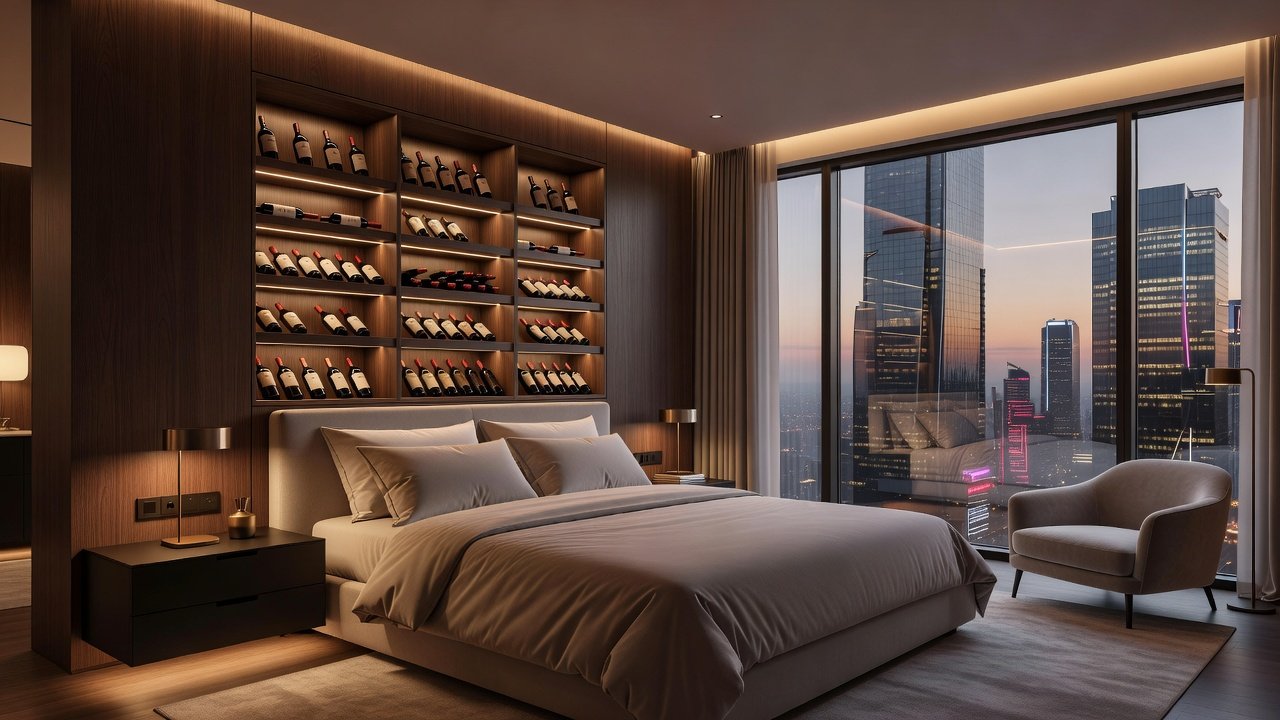
Introduction to Luxury Bedroom Wine Storage in 2026
Integrating built-in wine storage into bedroom layouts represents a pinnacle of functional luxury in modern home design. Homeowners seeking sophisticated upgrades are increasingly blending personal wine collections with sleeping spaces, creating environments that balance elegance, practicality, and preservation needs. This approach transforms bedrooms from simple retreats into curated sanctuaries that cater to both rest and refined tastes. In 2026, the focus has shifted toward seamless, technology-enhanced solutions that maintain optimal wine conditions while preserving the peaceful ambiance essential for quality sleep. Whether renovating an existing space or planning new construction, understanding core principles ensures success and long-term satisfaction.
As trends evolve, 2026 emphasizes seamless integration where wine storage enhances rather than disrupts the room's ambiance. Designers are incorporating smart features, sustainable materials, and personalized layouts that reflect individual lifestyles. This guide provides in-depth exploration of every aspect, from initial planning to ongoing maintenance, helping readers achieve a truly elevated bedroom experience.
Space Planning Tips for Optimal Layouts
Effective space planning begins with assessing room dimensions and traffic flow. Position wine storage along a wall that avoids direct sunlight and heat sources like windows or radiators. In smaller bedrooms, vertical built-ins maximize height while preserving floor space for furniture. Larger master suites offer more flexibility, allowing for expansive walls or even dedicated alcoves that double as reading nooks. Always map out pathways to ensure at least 36 inches of clearance around the unit for easy access and maintenance.
Consider zoning the room strategically: place the wine display near a seating area to create a cohesive luxury zone ideal for evening relaxation. In compact urban apartments, recessed designs within existing closets or behind custom paneling maintain a clean aesthetic. Professional designers frequently employ 3D modeling software during consultations to preview how the storage interacts with beds, nightstands, and lighting fixtures. Account for future collection growth by allocating extra capacity, and evaluate structural support needs if the installation involves heavy custom cabinetry or multiple temperature zones.
Humidity and Temperature Control Methods
Maintaining ideal conditions is critical for wine longevity. Target temperatures between 55 and 65 degrees Fahrenheit with 50-70% relative humidity to prevent cork degradation and label damage. Built-in systems can incorporate thermoelectric coolers or ducted HVAC extensions for precise regulation without introducing excessive noise. Insulation plays a key role; use vapor barriers and closed-cell foam to stabilize microclimates within the cabinetry.
Smart sensors integrated with home automation allow remote monitoring via smartphone apps, alerting owners to fluctuations instantly. For quieter operation in bedrooms, opt for vibration-dampened units that minimize compressor noise during sleep hours. Compare methods such as passive cooling with thick insulation versus active compressor systems: passive approaches suit smaller collections in stable climates, while active units provide reliability in variable environments. Explore advanced options like dual-zone controls separating red and white wines. Learn more about efficient climate solutions from the U.S. Department of Energy.
Material and Shelving Comparisons
Material choices impact both aesthetics and functionality. Solid wood like walnut or oak offers timeless appeal and natural humidity buffering, while metal frames provide modern minimalism and superior durability against warping. Glass doors with UV-protective coatings preserve labels without compromising security or visibility. Engineered composites deliver cost-effective alternatives with consistent performance across humidity levels.
Shelving options include traditional wooden racks for angled bottle storage that keeps corks moist, metal grid systems for customizable high-density arrangements, and hybrid designs combining wood bases with illuminated LED accents for visual drama. Each material carries trade-offs: wood provides warmth and acoustic dampening beneficial in bedrooms, whereas metal resists pests and offers easier cleaning. When selecting finishes, prioritize low-VOC options to maintain healthy indoor air quality.
Real-World Installation Examples
One notable project featured a master suite where a floor-to-ceiling wine wall was recessed into a former closet space. The design incorporated custom lighting, a hidden door mechanism, and integrated climate controls for seamless integration with the room's neutral palette. Another example transformed a bay window area into a climate-controlled alcove complete with built-in seating that doubles as a tasting station, enhancing both functionality and conversation flow. A third case involved a compact loft bedroom utilizing under-bed pull-out racks combined with a vertical tower unit, demonstrating creative solutions for limited square footage.
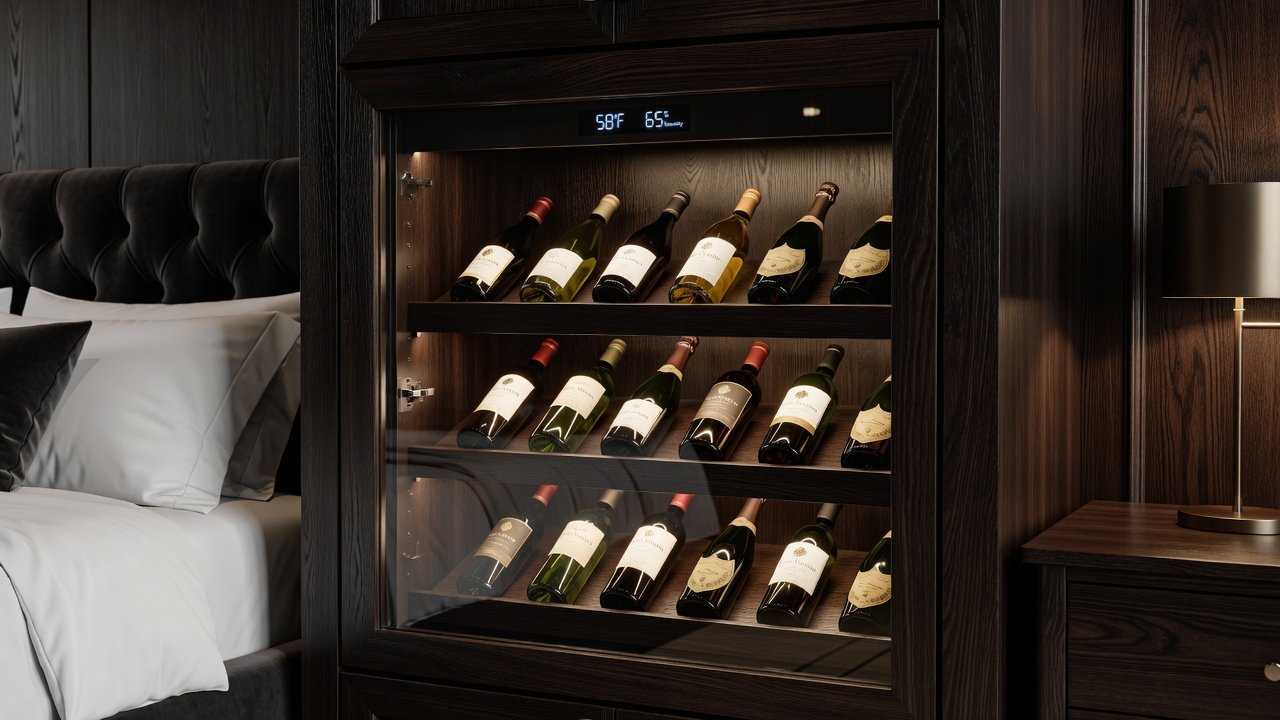
Before-and-after visuals from these projects highlight how these additions elevate perceived value and personal enjoyment without sacrificing bedroom serenity. Each installation began with detailed client interviews to align storage capacity with lifestyle habits.
Step-by-Step Planning Advice
Follow these practical steps for a successful project. First, evaluate collection size and growth projections to determine capacity needs accurately. Second, consult a certified contractor experienced in climate-controlled cabinetry to assess structural feasibility. Third, select energy-efficient cooling technology suited to your local climate and noise tolerance. Fourth, incorporate safety features like secure locks, fire-resistant materials, and stable anchoring. Fifth, test the system thoroughly post-installation for consistent performance over several weeks. This methodical approach minimizes disruptions during renovation and ensures the final result meets both aesthetic and preservation goals.
Cost Breakdowns and Budget Considerations
While exact figures vary widely based on customization and location, understanding qualitative cost tiers helps set realistic expectations. Entry-level modular units represent accessible investments focused on basic climate control, whereas mid-range custom builds add premium materials and smart features. High-end projects incorporate bespoke designs, advanced insulation, and full integration with home automation systems. Factor in long-term savings from reduced wine spoilage and potential increases in property value when evaluating overall expenses.
Maintenance and Safety Considerations
Regular upkeep ensures longevity and optimal performance. Clean filters monthly and inspect seals for airtight integrity to prevent energy waste or humidity leaks. Monitor for mold risks through proper ventilation and periodic professional servicing. Safety protocols include childproofing access points, using non-toxic finishes, and ensuring electrical components meet current codes. For detailed indoor environmental guidance, refer to resources from the U.S. Environmental Protection Agency.
FAQ Section
How often should wine storage be serviced?
Professional inspections every six months help maintain optimal conditions and catch minor issues before they affect collection quality.
Can built-in units be added to existing bedrooms without major renovations?
Yes, modular and semi-custom systems allow retrofits with minimal structural changes in many cases, especially when utilizing existing closet or wall cavities.
What safety features are essential?
Secure locking mechanisms, stable shelving to prevent tipping, proper electrical grounding, and fire-resistant construction materials are top priorities for bedroom installations.
How does noise from cooling units affect sleep quality?
Modern units with vibration isolation and low-decibel compressors are designed for quiet bedroom use, often operating below noticeable thresholds during nighttime hours.
Are there eco-friendly options for wine storage?
Sustainable choices include reclaimed wood, energy-star rated cooling components, and low-emission finishes that align with green building practices.
Conclusion
Built-in wine storage elevates bedroom designs into true luxury statements for 2026 and beyond. With thoughtful planning around space, climate, materials, and maintenance, homeowners achieve both functionality and refined style. This upgrade not only preserves valuable collections but also creates memorable personal spaces tailored to modern living.
No comments yet. Be the first!