 Fixated on Home
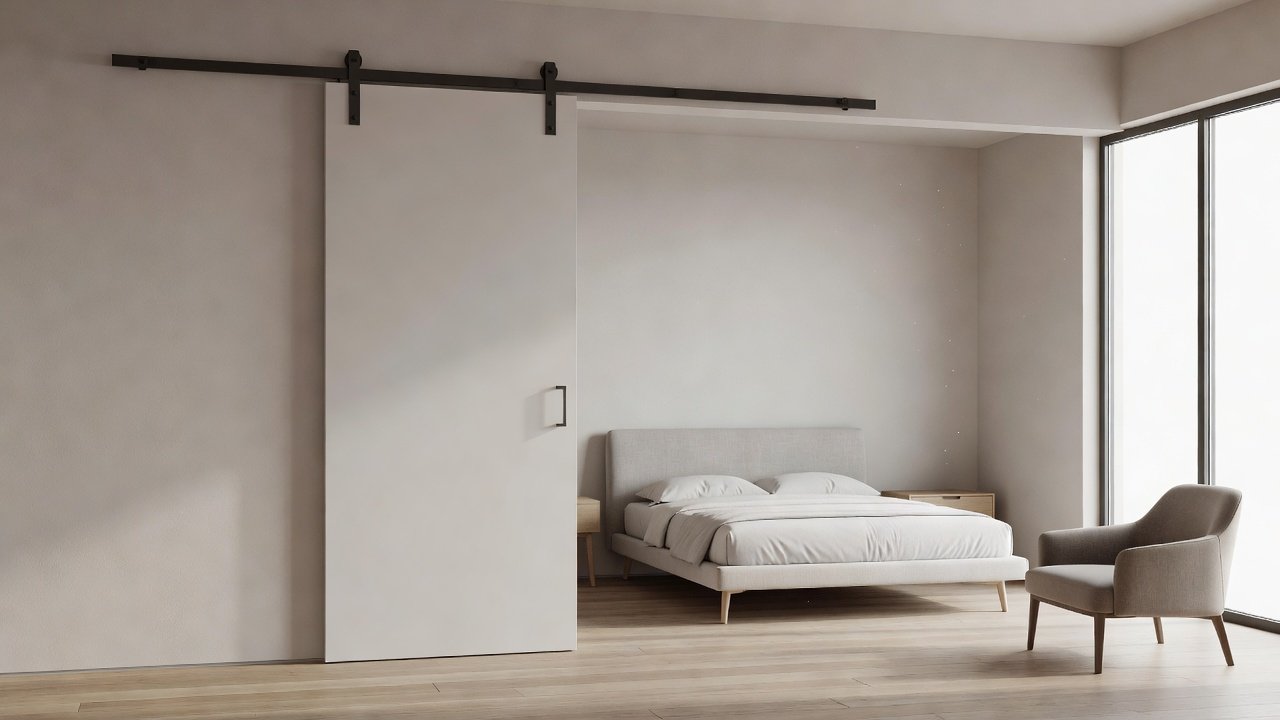
Introduction to Bedroom Door Upgrades in 2026
Modern homeowners are increasingly focusing on bedroom design as part of larger renovation projects. Upgrading doors offers both aesthetic appeal and functional improvements such as better space utilization and enhanced privacy. In 2026, trends emphasize seamless integration with contemporary interiors while addressing practical needs like soundproofing and accessibility. This guide explores proven bedroom door upgrade ideas tailored for modern home renovations, providing detailed comparisons, installation advice, and real-world applications that help transform ordinary bedrooms into functional, stylish retreats. Whether you live in a compact apartment or a spacious suburban house, thoughtful door selections can dramatically improve daily comfort and property value.
Why Consider Door Upgrades for Your Bedroom
Traditional hinged doors can consume valuable floor space in smaller bedrooms, often limiting furniture placement and creating awkward traffic patterns. Modern alternatives save room and elevate the overall look of your home. Upgrades also support energy efficiency through better seals and can incorporate smart technology for convenience. In today’s renovation landscape, homeowners seek solutions that align with open-concept living while maintaining personal sanctuary qualities in bedrooms. Practical benefits include reduced noise transfer between rooms, improved accessibility for all ages, and visual continuity with surrounding design elements. Real-world renovations frequently demonstrate how replacing outdated doors resolves long-standing layout frustrations and introduces fresh architectural interest without requiring full structural overhauls.
Popular Door Styles for Modern Homes
Several door types stand out for contemporary renovations. Sliding doors glide along a track, freeing up floor space and allowing flexible room division. Pocket doors disappear into the wall when open, ideal for compact layouts where every square foot matters. Barn doors add rustic-modern charm with exposed hardware that doubles as decor, creating focal points in minimalist or industrial-inspired bedrooms. Each style suits different bedroom sizes and design goals while enhancing daily usability. Homeowners should assess traffic flow, wall availability, and desired privacy levels before finalizing selections. These options also integrate well with current trends toward multifunctional spaces that serve as offices, reading nooks, or relaxation zones.
Space-Saving Benefits Compared
- Sliding doors work well in master bedrooms with adjacent bathrooms, allowing easy passage without swinging into walkways.
- Pocket doors maximize square footage in urban apartments and small homes by fully concealing the door panel.
- Barn doors provide visual interest in open-concept homes and pair effectively with large-scale artwork or statement lighting.
- Bi-fold or accordion variants offer additional flexibility for closets or dressing areas within the bedroom suite.
Material Comparisons: Wood Versus Glass and Beyond
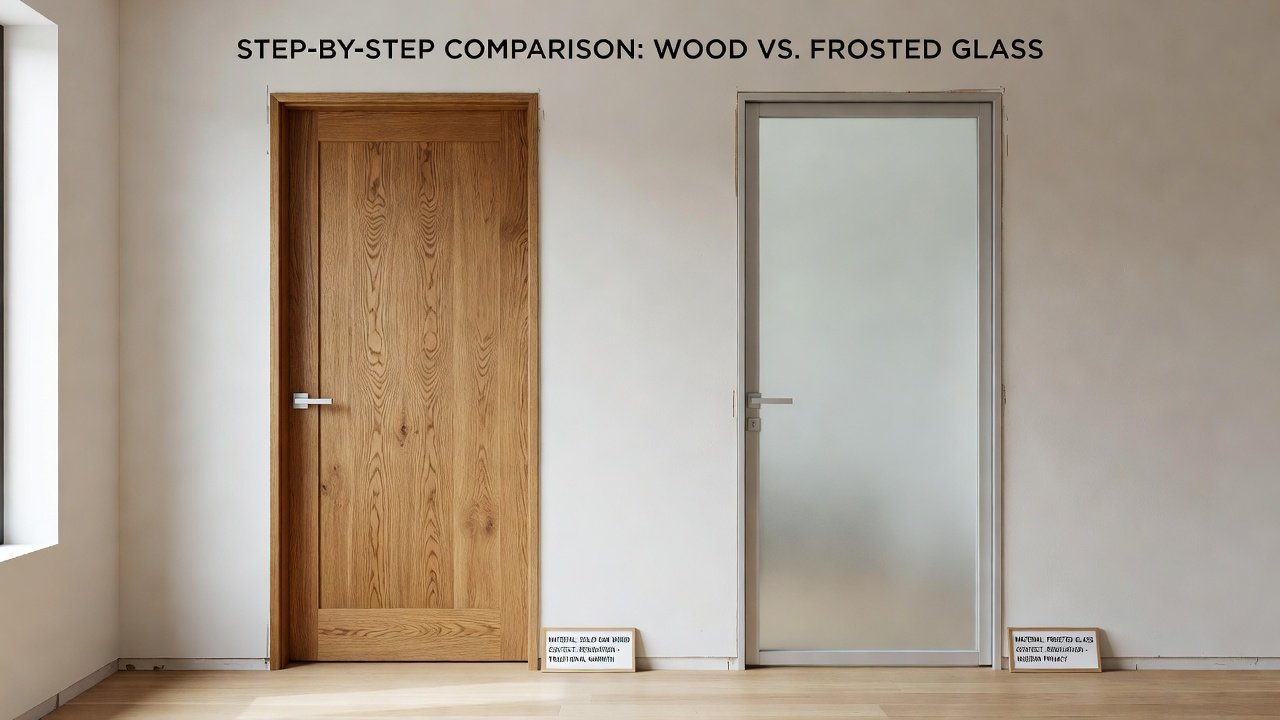
Wood doors offer warmth, durability, and excellent sound insulation. Solid wood options resist wear and pair with various finishes including stains, paints, and natural veneers. Glass doors, often framed in metal or wood, allow natural light to flow between spaces while maintaining separation. Frosted or textured glass maintains privacy without sacrificing brightness. Additional materials such as composite cores, metal accents, and sustainable bamboo provide further choices for eco-conscious renovators. Homeowners should evaluate room lighting needs, acoustic requirements, and maintenance preferences before choosing. Wood tends to age gracefully with periodic refinishing, while glass surfaces require regular cleaning to preserve clarity. Hybrid designs combining wood frames with glass inserts deliver balanced performance for many modern households.
Step-by-Step Installation Guides
Professional installation ensures safety and longevity. Begin by measuring the opening precisely and confirming structural support. Remove existing hardware and prepare the wall or track system according to manufacturer specifications. For pocket doors, frame modifications may be required to create the necessary cavity. Always follow local building codes and consider hiring certified contractors for electrical or load-bearing adjustments. DIY enthusiasts can handle basic sliding door kits with proper tools and patience, but complex pocket installations benefit from expert help to avoid costly errors. Detailed timelines typically span one to three days depending on door type and any required wall work.
Integrating Smart Home Features
Modern bedroom door upgrades can connect with home automation systems. Motorized tracks allow app-controlled operation from smartphones or voice assistants. Sensors detect occupancy for automatic closing and can interface with lighting scenes. Integration with energy efficiency programs helps optimize overall home performance. These features improve accessibility for aging-in-place residents and add luxury to daily routines. Examples include doors that sync with security systems to lock automatically at night or open during emergencies. Planning smart integrations early in the renovation process prevents compatibility issues later.
Real-World Examples and Before-and-After Scenarios
One suburban renovation replaced standard doors with frosted glass sliding panels, instantly brightening a dark bedroom and creating an illusion of expanded space. Another urban project used pocket doors to reclaim valuable floor area in a compact loft, allowing better furniture arrangement. A third example involved installing a motorized barn door in a primary suite that doubled as a media room divider. Before-and-after visuals highlight how strategic door choices transform both function and mood. Consider your layout and test material samples on-site for the best outcome. Documenting the process with photos also helps track progress and inspires future updates.
Addressing Common Challenges
Soundproofing remains a top concern in shared living situations. Choose solid-core doors and add weatherstripping or acoustic seals around frames for noticeable noise reduction. For accessibility, ensure clear openings meet recommended widths and select easy-grip hardware. Consult HUD accessibility resources for compliance tips during renovations. Additional considerations include fire-rated options for safety and proper ventilation in humid climates. Addressing these factors upfront minimizes future modifications and ensures long-term satisfaction.
Mistakes to Avoid During Bedroom Door Renovations
Common pitfalls include underestimating wall space requirements for sliding mechanisms and neglecting to verify track alignment. Another frequent error is selecting materials that clash with existing trim or flooring finishes. Always measure twice and account for baseboards or crown molding. Overlooking maintenance access for tracks can lead to operational issues months later. Consulting design professionals early helps avoid these missteps and produces cohesive results.
FAQ Section
How do I choose between sliding and pocket doors?
Evaluate wall space and structural possibilities. Sliding doors need clearance on one side, while pocket doors require interior wall modifications.
Are barn doors suitable for bedrooms?
Yes, when privacy is less critical or paired with curtains. They excel in stylish, open layouts and add architectural character.
What maintenance do modern doors require?
Regular track cleaning and occasional hardware tightening keep systems operating smoothly for years.
Can door upgrades improve energy efficiency?
Yes, well-sealed doors reduce drafts and support better climate control when combined with quality weatherstripping.
How long does a typical bedroom door installation take?
Simple sliding door projects may finish in a single day, while pocket door installations often require two to three days including wall preparation.
Conclusion
Upgrading bedroom doors in 2026 combines style, efficiency, and smart functionality. By exploring styles, materials, and installation approaches while avoiding common mistakes, homeowners achieve meaningful improvements that enhance daily living. Start planning your renovation with these ideas to create a modern, comfortable retreat that meets both aesthetic and practical needs.

No comments yet. Be the first!