 Fixated on Home
Why Vertical Gardens Are Trending in 2026 Bedroom Design
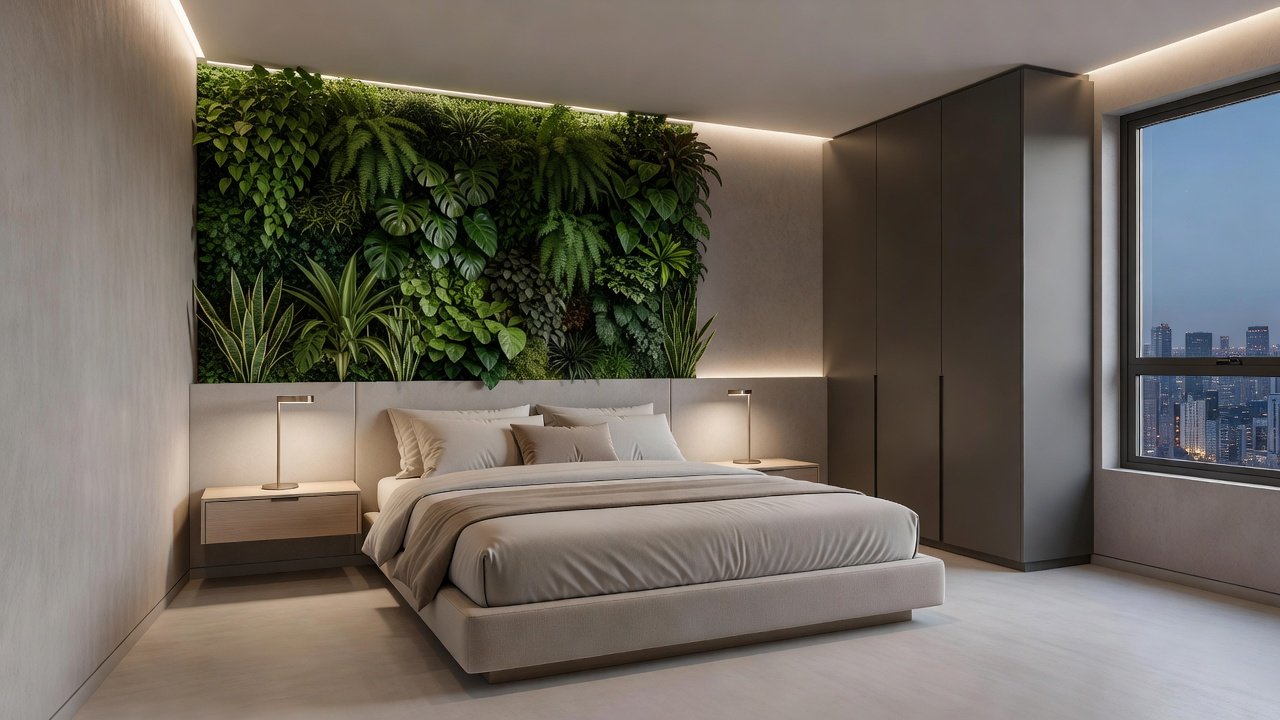
Biophilic design continues to dominate modern interiors in 2026, bringing nature indoors to improve wellbeing and aesthetics. Vertical gardens, also known as living walls, offer a space-efficient way to add greenery without sacrificing floor area in compact bedrooms. These installations enhance air quality, reduce stress, and create a calming sanctuary perfect for rest. As city living spaces shrink, homeowners seek innovative ways to incorporate nature without cluttering limited square footage.
Urban homeowners especially benefit from vertical gardens because they transform blank walls into vibrant focal points. Pairing them with sleek modern furniture and neutral palettes maximizes visual impact while supporting wellness trends. Research shows that exposure to indoor plants can lower cortisol levels and improve focus, making them ideal for bedrooms where relaxation is priority number one.
Key Benefits of Adding a Vertical Garden to Your Bedroom
Beyond aesthetics, vertical gardens deliver measurable health advantages. They act as natural air filters by absorbing volatile organic compounds and releasing oxygen. The World Health Organization highlights how indoor plants contribute to better respiratory health in enclosed spaces. Additionally, the presence of living greenery can enhance sleep quality by creating a more serene environment that mimics outdoor settings.
These gardens also help regulate room temperature and humidity, which is particularly useful in energy-efficient homes with sealed windows. In smaller apartments, they double as acoustic buffers, softening echoes from hard surfaces. Homeowners report feeling more connected to nature, which aligns with growing 2026 trends toward sustainable and restorative interior design.
Selecting the Right Plants for Bedroom Vertical Gardens
Choosing plants suited to indoor conditions is essential. Low-light tolerant species like pothos, philodendrons, and ferns thrive in bedrooms with limited natural light. For better humidity control, consider peace lilies or spider plants that naturally regulate moisture levels. Snake plants and ZZ plants offer drought resistance, requiring less frequent attention from busy residents.
Always verify plant toxicity levels for bedrooms, especially in homes with children or pets. Native or adaptable varieties reduce maintenance needs and support local ecosystems. Mixing trailing vines with upright foliage creates visual depth and texture on the wall. Consider seasonal blooming options such as certain orchids for subtle color accents without overwhelming the calm bedroom atmosphere.
Irrigation Systems and Lighting Requirements
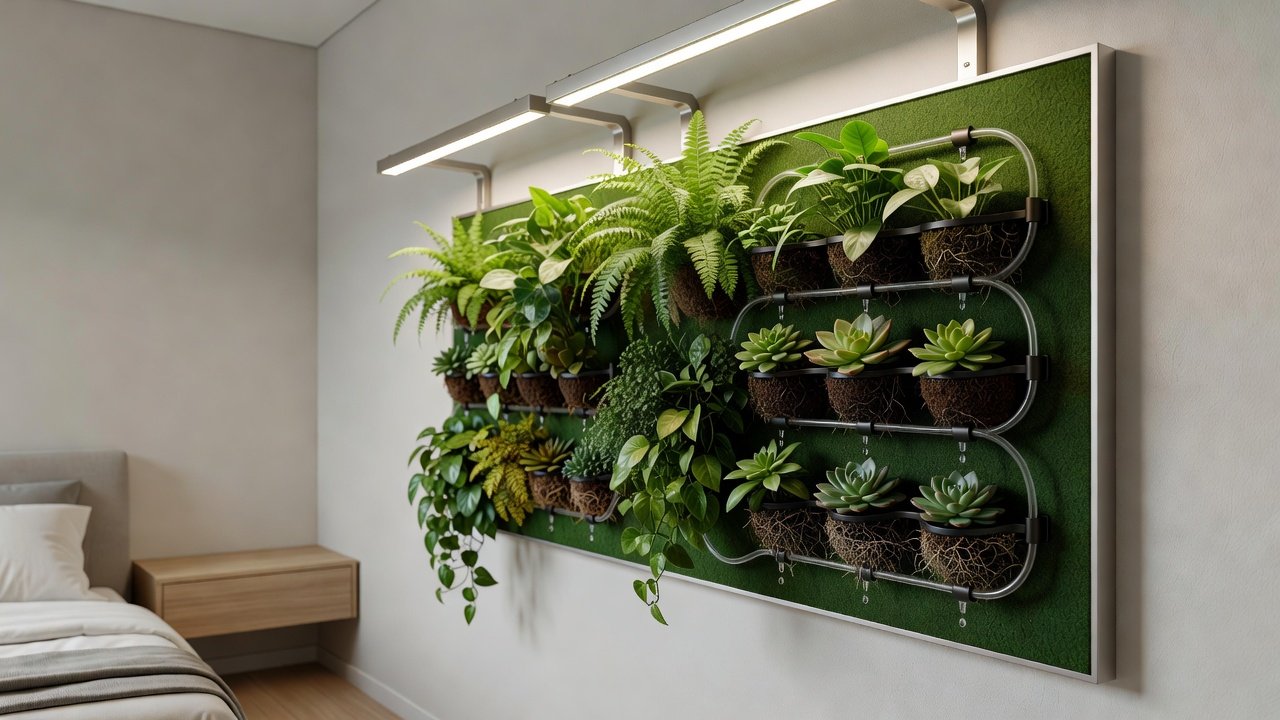
Automated drip irrigation keeps vertical gardens healthy with minimal daily effort. Systems can connect to timers for consistent watering, preventing over-saturation that leads to mold. Recirculating hydroponic setups offer another efficient alternative for those wanting to minimize water waste. LED grow lights supplement natural light, ensuring plants receive 12-14 hours daily in darker urban apartments.
Smart sensors monitor soil moisture and light exposure, integrating seamlessly with modern home technology for effortless upkeep. When selecting lighting, opt for full-spectrum LEDs that mimic daylight to promote healthy photosynthesis without generating excess heat that could affect bedroom comfort.
Step-by-Step Installation Guide
- Assess wall structure and ensure it can support the weight of the garden system, consulting a professional if the wall is load-bearing.
- Choose a modular panel or pocket system for easy expansion and future plant changes.
- Install a waterproof backing and drainage layer to protect bedroom walls from moisture damage.
- Mount the frame securely using appropriate anchors and insert a high-quality growing medium.
- Plant selected species starting from the top to allow for natural settling and connect irrigation lines carefully.
- Test the system thoroughly for leaks and add lighting fixtures positioned to avoid shadows on lower plants.
- Allow a two-week acclimation period before full operation to monitor plant stress.
DIY Versus Professional Setup Comparison
DIY vertical gardens appeal to budget-conscious renovators who enjoy hands-on projects. They allow customization using readily available materials from home improvement stores. Professional installations provide warranties, expert plant selection, and integrated smart features for long-term reliability. A side-by-side comparison reveals that DIY approaches suit those with basic carpentry skills, while professionals handle complex irrigation routing and structural reinforcements.
Busy homeowners often prefer professional help to avoid common pitfalls like poor drainage or structural issues. Real-world examples from compact city apartments show DIY setups succeeding in studios under 400 square feet when paired with modular kits, though professional results tend to last longer with fewer adjustments needed over time.
Maintenance Tips for Busy Homeowners
- Schedule monthly inspections for pests and nutrient levels using a simple checklist.
- Use slow-release fertilizers formulated for vertical systems to reduce feeding frequency.
- Prune regularly to maintain shape and encourage growth, focusing on dead leaves first.
- Monitor humidity with a simple digital hygrometer to prevent excess moisture in the bedroom.
- Rotate plants every few months if light distribution is uneven across the wall.
- Clean leaves gently with a damp cloth to maximize photosynthesis efficiency.
Real-World Examples from Urban Apartments
In a 300-square-foot New York studio, a 6-foot living wall behind the bed combined with minimalist lighting created a spa-like retreat. Residents reported improved sleep quality due to enhanced air filtration. Similar setups in Tokyo micro-apartments use vertical gardens to divide sleeping areas from workspaces while boosting biophilic appeal. A London loft conversion featured a recessed vertical garden integrated into a headboard niche, complete with automated misting that residents control via smartphone app.
Pairing Vertical Gardens with Modern Design Trends
Integrate living walls with smart lighting, sustainable materials, and neutral color schemes for cohesive 2026 aesthetics. Position the garden opposite large mirrors to amplify light and greenery throughout the room. Combine the feature with reclaimed wood accents or metal frames to echo current industrial-biophilic fusion styles popular in urban renovations.
Common Mistakes to Avoid
Overwatering remains the top issue for new installations. Always ensure proper drainage and start with fewer plants to learn the system. Ignoring wall ventilation can lead to hidden mold growth behind panels. Choosing plants mismatched to light levels causes rapid decline, so test conditions first with sample pots before committing to a full wall.
FAQ: Common Concerns Addressed
How do vertical gardens affect bedroom humidity?
Properly designed systems with good airflow maintain balanced humidity. Use dehumidifiers if needed in very small spaces.
Do they improve air quality?
Studies confirm indoor plants help filter VOCs and increase oxygen. Learn more at epa.gov.
Are they suitable for renters?
Modular, removable systems allow temporary installations without permanent wall damage.
What about maintenance time?
Automated irrigation reduces weekly care to under 30 minutes for most setups.
Can vertical gardens cause allergies?
Selecting low-pollen species and maintaining good airflow minimizes risks for sensitive individuals.
Where can I learn more about plant health benefits?
Visit who.int for global insights on indoor environments.
Conclusion
Vertical gardens represent a forward-thinking upgrade for 2026 bedrooms, blending style, wellness, and sustainability. By following these practical steps and selecting appropriate plants and systems, homeowners can create refreshing, space-efficient sanctuaries that align with contemporary biophilic trends and deliver lasting daily benefits.
No comments yet. Be the first!