 Fixated on Home
Introduction to Modern Bedroom Flooring Upgrades
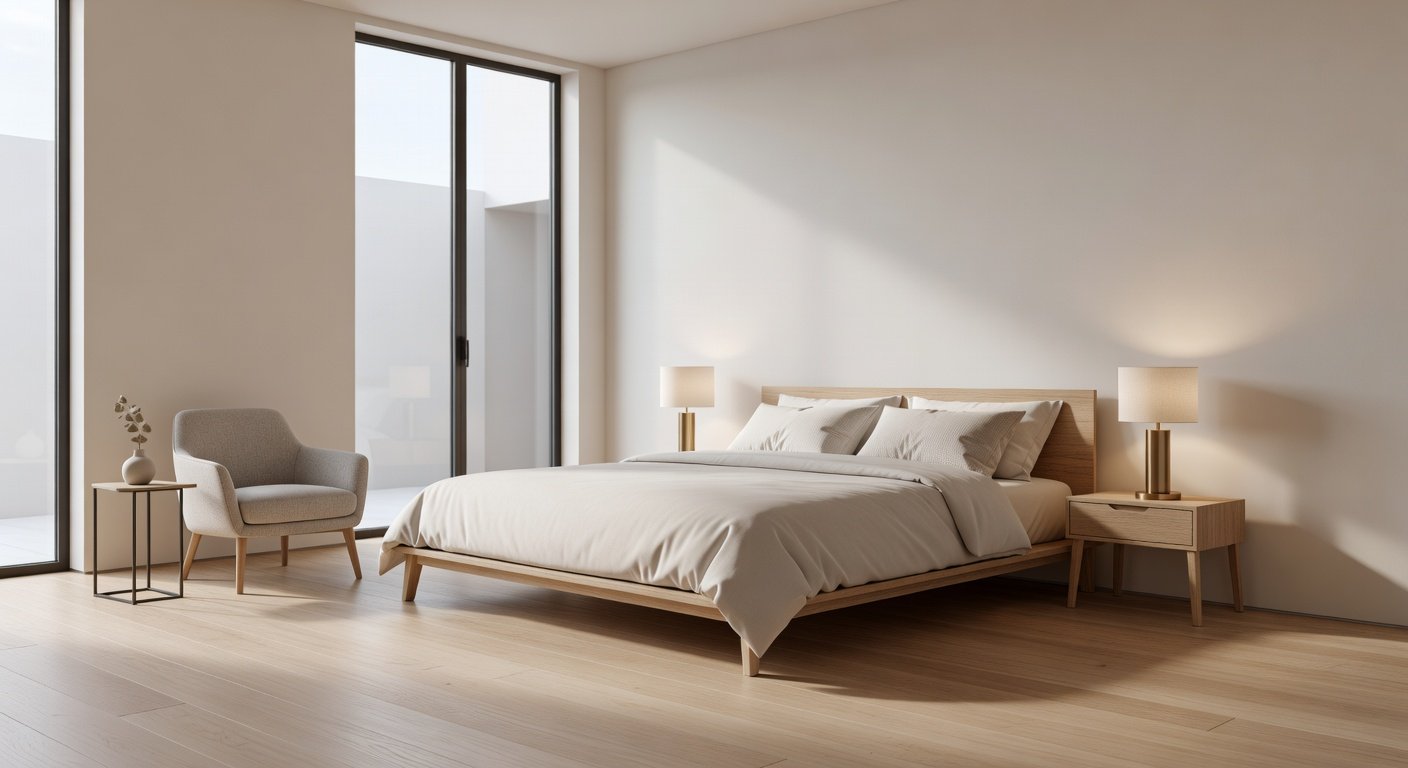
Updating your bedroom flooring is one of the most impactful ways to refresh a home renovation project in 2026. Homeowners today seek materials that combine sleek modern aesthetics with everyday comfort, durability, and long-term value. Whether you're transforming a master suite or refreshing a guest room, the right flooring choice enhances the overall design while supporting practical needs like easy cleaning, noise reduction, and compatibility with smart home systems. Flooring sets the foundation for the room's atmosphere, influencing everything from how light reflects across the space to how comfortably you can walk barefoot in the morning. In recent years, trends have shifted toward sustainable and multi-functional surfaces that withstand daily wear while aligning with minimalist or biophilic design principles. This comprehensive guide explores top options that align with contemporary trends, including sustainable materials and smart-home integration. We'll compare popular choices in detail, outline realistic installation processes, share maintenance strategies that keep floors looking new for years, and provide real-world examples to inspire your project.
Comparing Hardwood, Luxury Vinyl Plank, and Carpet
Choosing between hardwood, luxury vinyl plank (LVP), and carpet requires weighing style, performance, and lifestyle factors. Each material offers distinct advantages for modern bedrooms, and understanding their nuances helps avoid costly mistakes later.
Hardwood Flooring
Hardwood remains a premium choice for those wanting natural warmth and timeless appeal. It adds character through unique grain patterns and can be stained to match any color palette, from rich espresso tones to light Scandinavian whites. Pros include its ability to increase home resale value, ease of refinishing over decades of use, and seamless integration with contemporary furniture. However, it demands careful moisture management, as humidity fluctuations can cause expansion or cupping. It's also prone to dents from heavy furniture or pet nails unless protected with durable finishes like aluminum oxide.
Luxury Vinyl Plank (LVP)
Luxury vinyl plank has surged in popularity due to its versatility and resilience. Modern LVP replicates the look of real wood or stone with remarkable accuracy while offering waterproof cores that make it ideal for bedrooms near bathrooms or in homes with children. Pros encompass quick installation, comfort underfoot thanks to built-in underlayment options, and resistance to stains and scratches. Cons may include slightly less authentic texture compared to natural materials and the need for precise subfloor preparation to prevent telegraphing of imperfections.
Carpet
Carpet delivers unmatched softness and acoustic benefits, making it excellent for creating cozy, quiet retreats. High-quality options with low pile and synthetic fibers resist matting while providing insulation. Pros feature excellent sound absorption, which is valuable in multi-story homes, and a wide array of textures from plush to berber. On the downside, it can harbor allergens if not maintained properly and may show wear patterns faster in high-traffic zones like pathways to closets.
Many 2026 renovations combine materials, such as hardwood in main areas with carpet in reading nooks for zoned comfort and visual interest.
Step-by-Step Installation Guidance
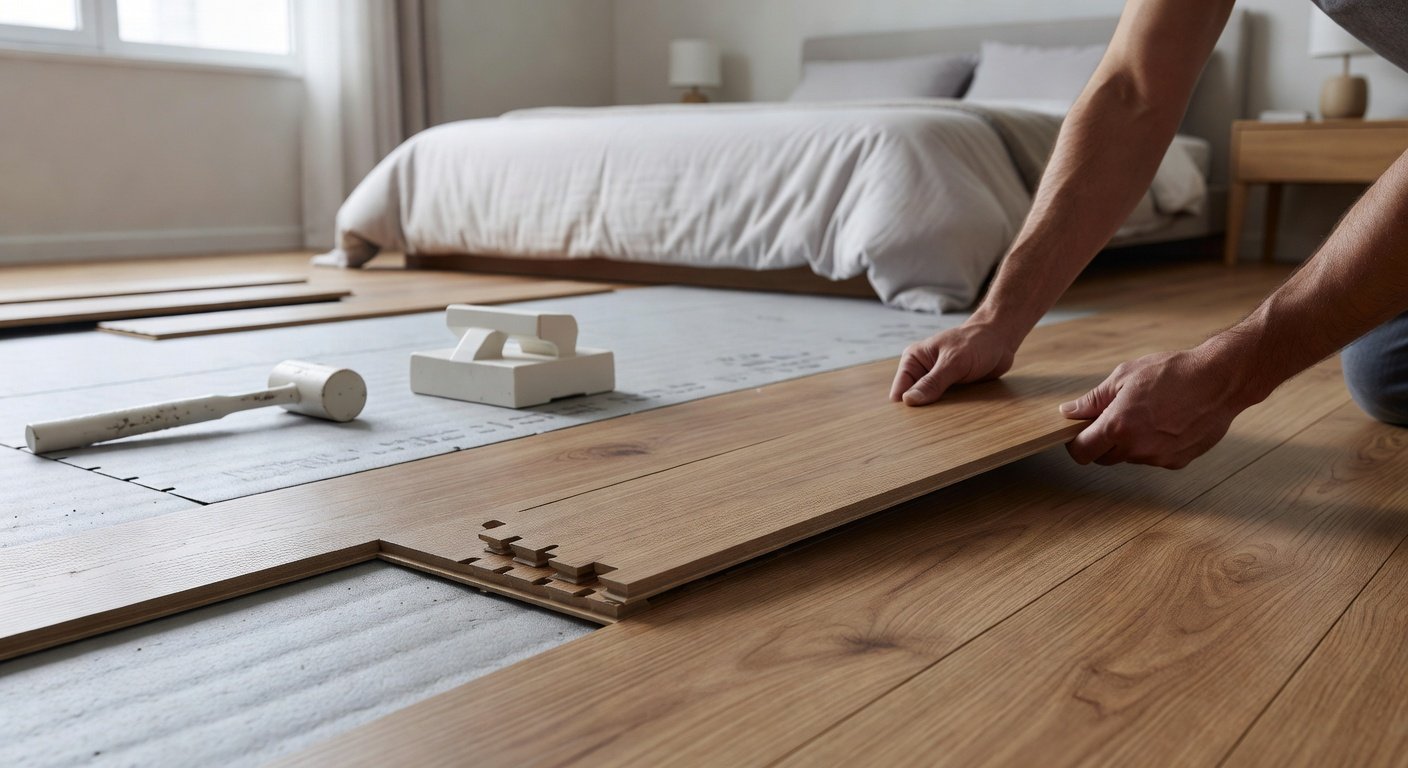
Professional installation ensures longevity, but understanding the process helps homeowners plan effectively and communicate clearly with contractors. Begin with subfloor preparation: remove old flooring, repair any damage, and ensure the surface is level and dry using a moisture meter for accuracy. For hardwood, acclimate planks for several days in the room before laying to prevent future gaps. Tools typically include a miter saw, tapping block, and spacers for expansion joints. Luxury vinyl often uses click-lock systems over underlayment for quick, floating results that can be completed in a weekend. Carpet typically requires stretching and tacking along edges for a smooth finish, along with careful seaming in larger rooms. Always follow manufacturer guidelines and consider hiring certified installers for warranties. Common pitfalls include rushing the subfloor leveling step, which leads to uneven wear, or neglecting proper ventilation during adhesive curing.
Sustainability and Eco-Friendly Options in 2026
Modern homeowners increasingly prioritize flooring with low volatile organic compound (VOC) emissions and responsibly sourced materials. Look for certifications like FSC for wood or Cradle to Cradle for vinyl alternatives. These choices not only support environmental goals but also contribute to healthier indoor air quality, an important consideration for bedrooms where we spend significant time resting. Engineered hardwood with recycled content or bamboo-based options offer renewable alternatives that perform well in varying climates.
Real-World Transformation Examples
Consider a 2025 suburban home where dated carpet was replaced with light oak hardwood throughout the master bedroom. The change created an airy, spa-like atmosphere that complemented new neutral bedding, large windows, and minimalist nightstands. The reflective quality of the hardwood made the room feel larger and brighter during daytime hours. Another project swapped worn laminate for waterproof LVP in a family bedroom, instantly improving moisture resistance near bathrooms while maintaining a warm wood-grain appearance that tied into existing accent walls. A third example involved layering low-pile carpet over a concrete slab in a basement bedroom conversion, adding warmth and reducing echo for better sleep quality. These upgrades demonstrate how thoughtful flooring selections elevate daily living and adapt to specific architectural challenges.
Maintenance Tips for Long-Lasting Results
Regular care preserves both appearance and performance across seasons. Sweep or vacuum hardwood and LVP weekly using soft-bristle attachments, then clean with pH-neutral products designed for the specific finish. Carpet benefits from professional steam cleaning every 12-18 months and immediate spot treatment with enzyme-based solutions. Rotate rugs periodically to distribute wear evenly. For homes with pets, choose sealed surfaces and place protective mats in high-traffic zones. Seasonal checks for expansion gaps or loose seams can prevent minor issues from becoming major repairs.
Integrating Flooring with Smart Home Features
Today's renovations often incorporate underfloor heating systems controlled via smartphone apps. Flooring compatibility is key: LVP and engineered hardwood conduct heat efficiently without warping. Pair these with smart sensors that monitor humidity levels to protect wood integrity automatically. This integration adds convenience and energy efficiency, aligning with broader modern home upgrade goals.
Pet-Friendly Choices and Underfloor Heating Compatibility
For pet owners, durable LVP or engineered hardwood with scratch-resistant coatings perform best. Both handle claws and occasional accidents better than traditional carpet, which can trap odors. Underfloor heating works seamlessly with most modern flooring when proper thermal conductivity is considered. According to resources from the U.S. Department of Energy, selecting materials with appropriate R-values ensures efficient heat transfer while maintaining comfort. The Environmental Protection Agency also recommends low-emission flooring to support overall household air quality when heating systems are active.
Practical Decision-Making Guide
To choose the best option, start by assessing your lifestyle: Do you have pets, children, or mobility concerns? Next, evaluate the room's exposure to moisture and sunlight. Create a shortlist of two or three materials, then request samples to view in your actual lighting conditions. Finally, consult local installers for quotes and timeline estimates while verifying warranty details. This structured approach minimizes regret and maximizes satisfaction.
Frequently Asked Questions
Which flooring is best for allergy sufferers?
Hardwood and LVP are superior because they do not trap dust or dander like carpet fibers, making daily cleaning simpler and more effective.
How long does professional installation typically take?
Most bedrooms can be completed in one to three days depending on the material, room size, and any necessary subfloor repairs.
Can I install flooring over existing subfloors?
Yes, provided the subfloor is sound, level, and moisture-free; otherwise repairs or a new underlayment layer are needed first.
Are there eco-friendly carpet alternatives?
Yes, many brands now offer recycled-content carpets with natural fiber backings that reduce environmental impact without sacrificing softness.
Does underfloor heating work with all flooring types?
It performs best with LVP and engineered hardwood; solid hardwood requires careful monitoring of temperature to avoid cracking.
Conclusion
Selecting the right bedroom flooring in 2026 means balancing modern design, comfort, and practicality. By carefully comparing materials, planning installation with attention to detail, integrating smart features where possible, and committing to regular maintenance, homeowners achieve upgrades that deliver lasting satisfaction and increased property appeal. Explore options that fit your lifestyle to create a serene, stylish retreat that enhances both daily routines and long-term home value.
No comments yet. Be the first!