 Fixated on Home
Introduction to Coastal Bedroom Design in 2026
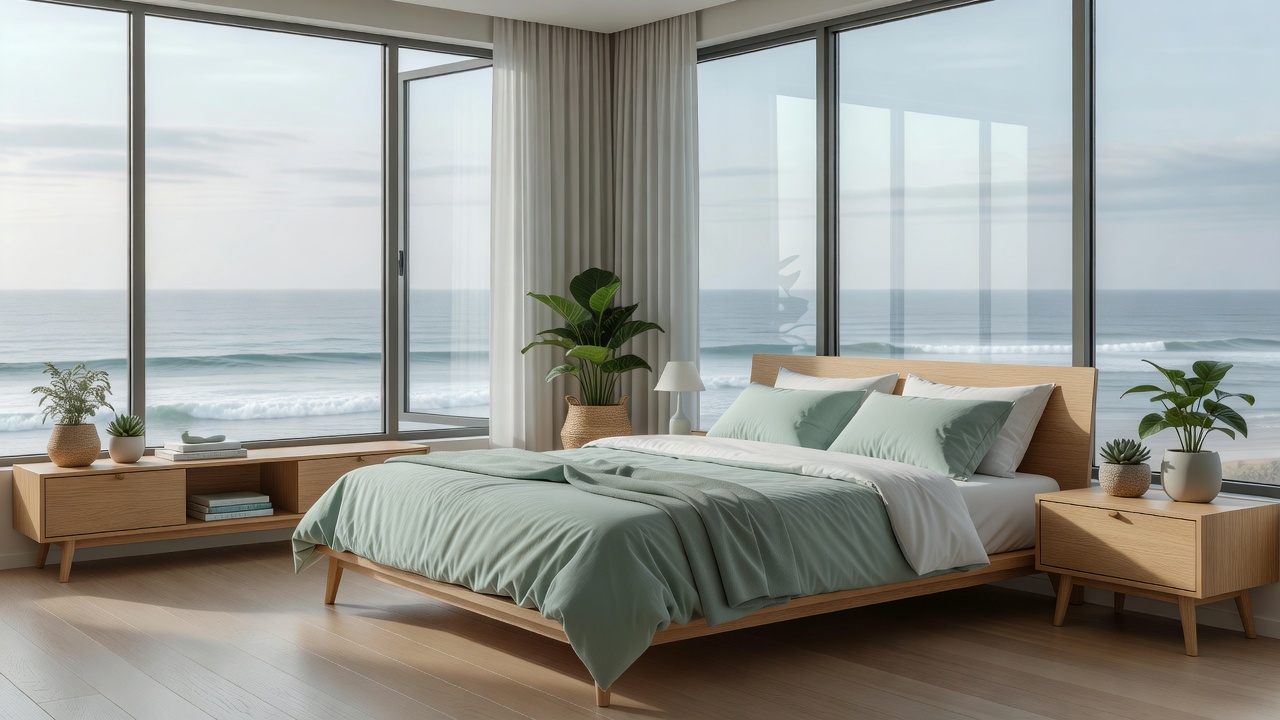
Coastal bedroom design continues to evolve in 2026, offering homeowners a perfect blend of serene aesthetics and practical functionality for modern living. This approach draws inspiration from seaside environments while incorporating sustainable upgrades that enhance durability and comfort. Whether renovating an existing space or building new, these ideas prioritize light-filled layouts, eco-friendly materials, and smart features tailored to coastal climates. The growing interest in biophilic design means more people are incorporating natural textures and elements that promote well-being and connection to the outdoors. Homeowners in coastal regions face unique challenges such as high humidity, salt air corrosion, and fluctuating temperatures, making material selection critical for long-term success. By focusing on these aspects, a coastal bedroom can serve as a restful sanctuary that also supports energy efficiency and environmental responsibility. This guide provides in-depth coverage to help you plan and execute upgrades that feel both timeless and contemporary.
Step-by-Step Planning for Light-Filled Layouts
Begin by assessing your room's natural light sources. Measure windows and identify south- or east-facing orientations for maximum sunlight. Next, select sheer curtains or motorized shades to diffuse light without blocking views. Incorporate mirrors strategically opposite windows to amplify brightness and create an airy atmosphere. Consider furniture placement to avoid blocking light paths. Opt for low-profile beds and streamlined nightstands that keep floor space open. Integrate smart lighting systems that adjust automatically based on time of day, enhancing the coastal vibe while improving energy efficiency. Add layered window treatments that allow flexibility for privacy and light control. Evaluate the room's proportions and experiment with virtual layout tools before committing to permanent changes. This methodical approach ensures the final design maximizes natural illumination while maintaining functionality for daily use.
Sea-Inspired Color Palettes for 2026
Modern coastal palettes move beyond basic blues and whites. Incorporate soft sage greens, sandy beiges, and muted corals alongside crisp ocean hues. These combinations evoke tranquility while complementing contemporary furniture. Test samples in your specific lighting to ensure harmony throughout the day. Accent walls in textured finishes add depth without overwhelming the space. Pair these with neutral bedding and accessories for a balanced, refreshing look that aligns with current design trends. Consider incorporating subtle metallic accents like brushed nickel to reflect light and mimic water surfaces. Homeowners can draw from local beach environments for authentic inspiration, such as pairing driftwood tones with seafoam accents. This palette strategy creates visual interest while keeping the space calming and cohesive for restful sleep.
Humidity-Resistant Materials and Durability
Coastal environments demand materials that withstand moisture and salt air. Choose sealed woods, rattan, and linen fabrics treated for humidity resistance. These options maintain integrity over time while contributing to a natural aesthetic. For sustainability, prioritize certified sources that minimize environmental impact. EPA resources on indoor air quality provide guidance on selecting low-VOC materials suitable for bedrooms. Explore additional options like bamboo composites and marine-grade upholstery that resist mildew growth. Regular maintenance routines, including proper ventilation and dehumidifier use, further extend the lifespan of these materials. Real projects often combine multiple resistant elements, such as woven headboards with sealed wood frames, to achieve both style and resilience in humid conditions.
Comparing Durable Flooring Options
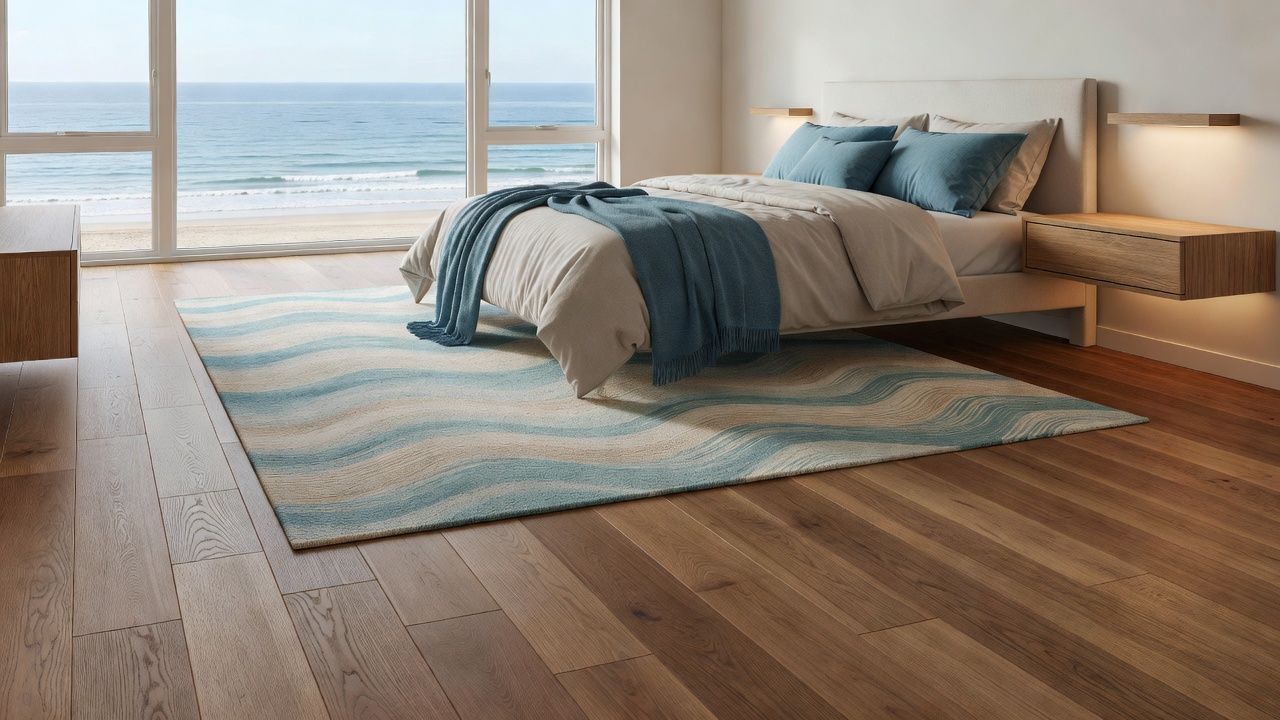
Selecting the right flooring is crucial for coastal bedrooms. Here is a comparison of popular choices:
- Bamboo: Highly moisture-resistant, sustainable, and warm underfoot. Ideal for high-humidity areas with proper sealing, and it offers a natural grain that enhances the coastal theme.
- Porcelain Tile: Extremely durable against salt air and easy to clean, though it can feel cooler without rugs; available in matte finishes that reduce slipperiness near beach homes.
- Engineered Hardwood: Offers the look of real wood with better stability in fluctuating humidity levels compared to solid hardwood, making it a versatile choice for multi-season coastal living.
- Luxury Vinyl Plank: Affordable, waterproof, and available in realistic coastal textures for a practical yet stylish solution that mimics reclaimed driftwood or sand-washed planks.
Evaluate each based on your budget, maintenance preferences, and existing home structure before deciding. Professional installation is recommended for optimal performance in moisture-prone areas.
Smart Storage Solutions to Maximize Space
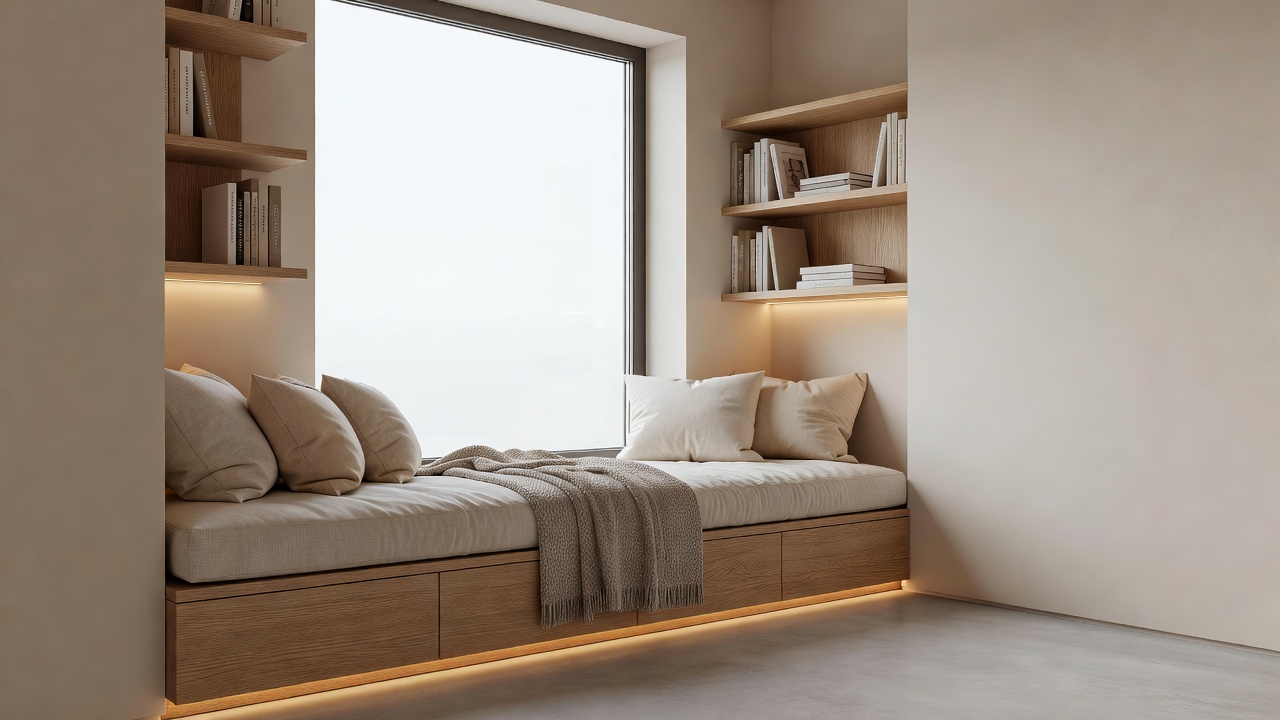
Built-in cabinetry with ventilation features prevents mold in coastal settings. Floating shelves and under-bed drawers provide hidden storage without cluttering the room. Integrate USB-enabled nightstands and app-controlled organizers for modern convenience. These upgrades not only enhance functionality but also support a minimalist coastal style that emphasizes calm and order. Consider custom closet systems with moisture-wicking liners and adjustable shelving to accommodate seasonal items like beach towels and linens. In smaller bedrooms, vertical storage solutions such as wall-mounted racks free up floor space while maintaining an open, airy feel. Examples from recent renovations show how combining these elements creates efficient yet elegant storage that blends seamlessly with coastal decor.
Real-World Examples and DIY Tips
Recent projects demonstrate success with layered textures like jute rugs over durable floors paired with driftwood-inspired headboards. One example transformed a compact urban bedroom into a coastal haven using modular storage and automated blinds. Another involved a beachfront property where homeowners installed bamboo flooring and sea-inspired accent walls, resulting in improved air quality and reduced maintenance needs. For DIY enthusiasts, start with simple updates such as painting furniture in weather-resistant finishes or installing peel-and-stick coastal wallpaper accents. Always test materials in your local climate first. Step-by-step DIY projects might include sanding and sealing existing dressers or building custom floating shelves using treated lumber. These hands-on approaches allow personalization while keeping costs manageable and ensuring the final result reflects individual style preferences.
Common Mistakes to Avoid
Many homeowners overlook proper ventilation when selecting fabrics, leading to premature wear from salt air. Another frequent error is choosing overly dark color palettes that diminish the light-filled effect essential to coastal design. Avoid installing solid wood furniture without protective coatings, as it can warp quickly in humid environments. Skipping professional consultation on structural changes can also result in inefficient layouts that fail to maximize natural light. Learning from these pitfalls helps ensure a successful renovation that delivers lasting satisfaction.
FAQ: Addressing Common Challenges
How do I protect fabrics from salt air? Use UV-protective sprays and opt for synthetic blends designed for outdoor use indoors, combined with regular cleaning schedules.
Are there sustainable options for coastal renovations? Yes, look for FSC-certified woods and recycled materials. USGBC guidelines offer further insights on green building practices.
What about smart home integration? Systems from major providers allow remote humidity monitoring, tying into broader energy-efficient home upgrades.
How can I ensure long-term durability against coastal elements? Focus on marine-grade finishes and schedule annual inspections to address any early signs of wear from humidity or salt exposure.
Conclusion
Coastal bedroom design for 2026 modern homes successfully merges natural beauty with innovative functionality. By focusing on resilient materials, thoughtful layouts, and sustainable choices, homeowners can create enduring spaces that elevate daily living. Begin planning today to enjoy a refreshed retreat that stands the test of time and tide while supporting environmental goals and personal comfort.
No comments yet. Be the first!