 Fixated on Home
Introduction
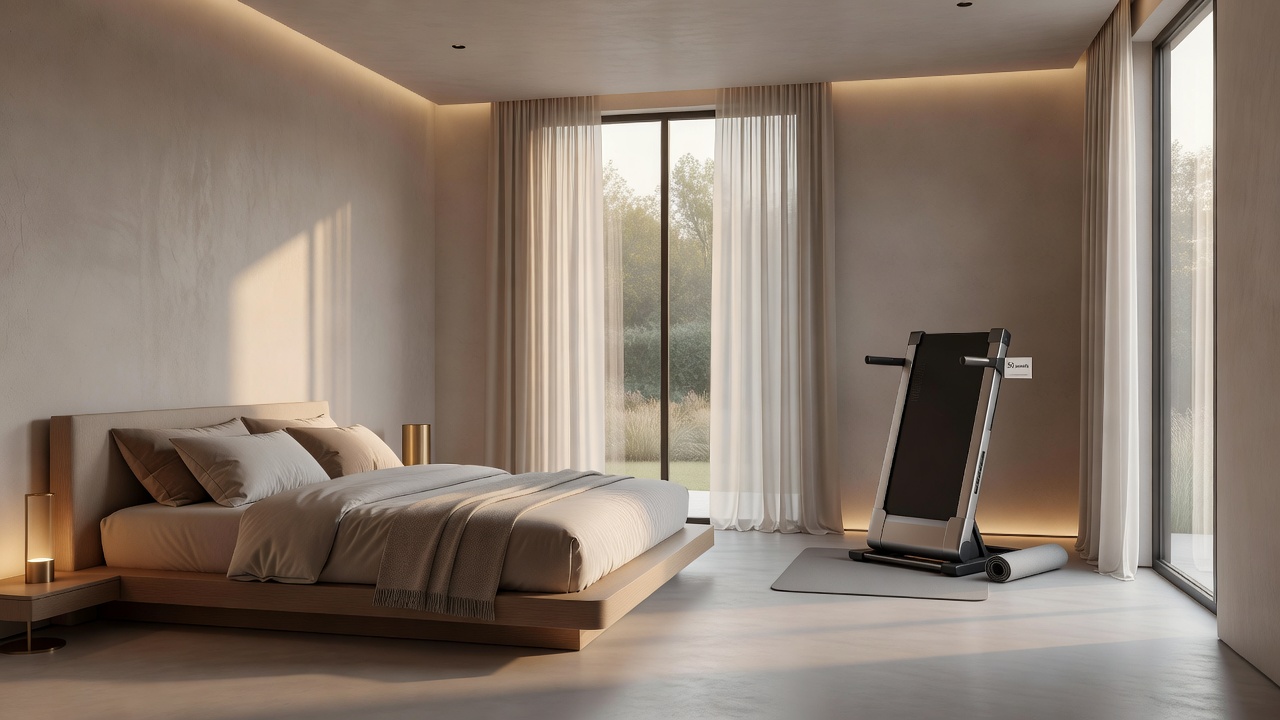
Creating a bedroom that supports both rest and fitness is a growing trend in 2026 home design. Homeowners want spaces that maximize small or medium rooms without sacrificing calm aesthetics. This guide walks through practical strategies for integrating exercise zones while preserving a tranquil atmosphere. Many people struggle with limited square footage yet desire a dedicated area for movement that does not disrupt sleep quality. By thoughtfully combining these functions, you can create a versatile room that promotes both physical health and mental relaxation. The key lies in careful zoning, selection of appropriate furnishings, and attention to sensory details like sound and light.
Understanding the Benefits of Dual-Purpose Bedrooms
Combining sleep and workout areas encourages consistent physical activity. Research from World Health Organization highlights how regular movement improves overall well-being. In a bedroom setting, this setup reduces the need for separate gym spaces and promotes daily habits. Residents often report better sleep patterns when exercise occurs in the same environment because the body associates the room with both recovery and energy expenditure. Additionally, the convenience factor leads to higher adherence rates compared to traveling to external facilities. Integrating these zones also supports mental clarity by reducing decision fatigue around workout locations.
Strategic Space Planning
Start by measuring your room and identifying zones. Place the bed against the longest wall and reserve a corner or alcove for equipment. Use visual dividers like low bookshelves or rugs to separate functions without closing off the space. Consider traffic flow to avoid clutter during workouts. For small bedrooms under 150 square feet, prioritize vertical storage solutions such as wall-mounted racks and ceiling hooks for mats. In medium-sized rooms, create a clear pathway of at least three feet around the bed to maintain easy access. Sketch multiple layout options on paper before committing, and test the arrangement by walking through simulated morning and evening routines. This prevents bottlenecks and ensures the exercise area feels intentional rather than tacked on.
Selecting Compact Equipment
Focus on multi-functional, space-saving items such as foldable treadmills, resistance bands, and adjustable dumbbells. Wall-mounted pull-up bars and yoga mats that roll away easily keep the floor clear. These choices maintain the bedroom's open feel while delivering effective workouts. Look for equipment with built-in wheels for mobility and quiet operation mechanisms to minimize disturbance. Consider investing in a compact rowing machine that folds vertically or a set of kettlebells that stack neatly. Avoid bulky machines that dominate floor space; instead, select items under 50 pounds that can be stored under the bed or in a closet when not in use. Many modern designs feature neutral finishes that blend seamlessly with bedroom decor.
Durable Yet Stylish Flooring Options
Choose materials that absorb impact and resist wear. Engineered hardwood with a protective finish or luxury vinyl plank offers durability and elegance. Add interlocking foam tiles under equipment for cushioning and easy removal. 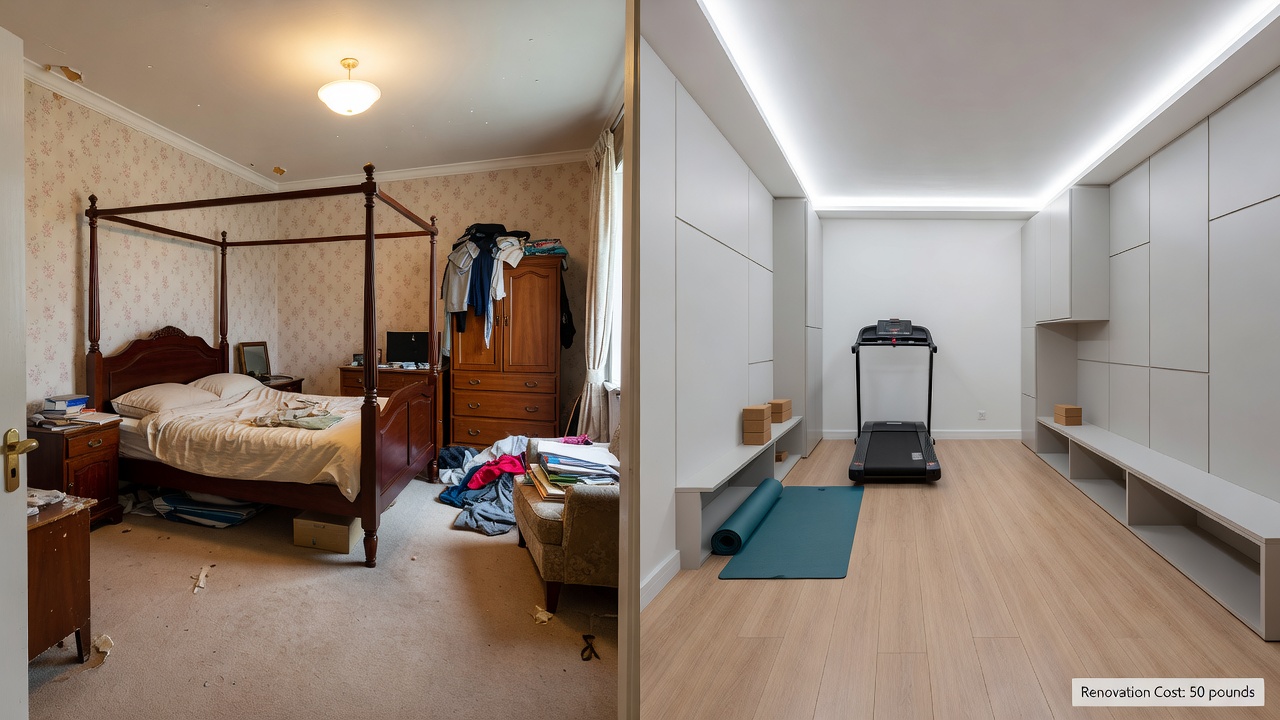
Adjustable Lighting Setups for Dual Use
Layer lighting with dimmable overhead fixtures, bedside lamps, and targeted LED strips near the exercise area. Use warm tones for evening wind-down and brighter cool lights for morning sessions. Smart controls allow quick switches between modes. Install motion-sensor night lights along baseboards to guide safe movement after dark without harsh glare. Position task lighting above the workout zone at eye level to reduce shadows during stretches or strength training. Consider color-changing bulbs that transition from energizing daylight hues in the morning to soft amber tones before bed, supporting natural circadian rhythms.
Before-and-After Layout Examples
Before: A standard bedroom with a central bed and minimal furniture. After: The bed shifts to one side, a compact rowing machine tucks into a corner, and a dedicated mat area uses matching flooring. Another example converts a window nook into a stretching zone with fold-down benches. In a 12-by-14-foot room, the transformation might include relocating the dresser into a closet and adding a slim console table that doubles as a storage bench for resistance bands. These changes create visual balance and make the exercise zone feel like a natural extension of the room rather than an afterthought.
Material Comparisons
- Hardwood vs. carpet: Hardwood resists moisture from sweat and cleans easily; carpet provides softness but may trap odors.
- Vinyl vs. tile: Vinyl offers warmth underfoot and quiet operation; tile is highly durable but can feel cold.
- Foam mats vs. rubber: Foam is lightweight and portable; rubber provides superior shock absorption for high-impact moves.
- Cork flooring vs. bamboo: Cork offers natural cushioning and sound dampening while bamboo provides a harder surface with elegant grain patterns suitable for minimalist aesthetics.
Common Mistakes to Avoid
One frequent error is overcrowding the room with too much equipment, which quickly turns the space into a gym rather than a sanctuary. Another is neglecting acoustics; failing to add rugs or acoustic panels can amplify noise complaints from neighbors. Poor lighting choices often leave the workout area dim and uninviting or too bright for restful evenings. Always test equipment noise levels during peak hours and ensure storage solutions do not block natural light sources.
Maintenance and Upkeep
Regular cleaning prevents sweat buildup on floors and equipment. Wipe down surfaces weekly with gentle, non-toxic cleaners and vacuum mats to remove dust. Rotate equipment positions every few months to avoid uneven wear on flooring. Inspect wall mounts and storage hardware quarterly for safety. These simple routines keep the dual-purpose bedroom looking fresh and functioning smoothly over time.
Addressing Common Concerns: Noise and Storage
FAQ
Q: How do I reduce noise for downstairs neighbors?
A: Install thick underlayment and rubber mats beneath equipment. Place heavier machines on the ground floor if possible. Adding area rugs with thick padding further dampens sound transmission through floors.
Q: Where do I store equipment when not in use?
A: Opt for wall-mounted racks, under-bed storage bins, and collapsible items that fit into closets. Over-the-door organizers work well for smaller accessories like bands and jump ropes.
Q: Can the space still feel relaxing?
A: Yes, by using cohesive color palettes and hiding fitness gear behind curtains or in built-in cabinets. Incorporate plants and soft textiles to maintain a spa-like atmosphere.
Q: What if my bedroom has unusual architecture like sloped ceilings?
A: Utilize the highest point for vertical storage and place low-profile equipment such as yoga mats in the lower areas to maximize usable floor space.
Conclusion
Integrating an exercise zone into your bedroom creates a versatile, health-focused retreat. With careful planning, quality materials, and thoughtful lighting, you achieve both functionality and serenity. Apply these steps to transform your space into a balanced 2026 haven that supports daily wellness without compromising comfort.
No comments yet. Be the first!