 Fixated on Home
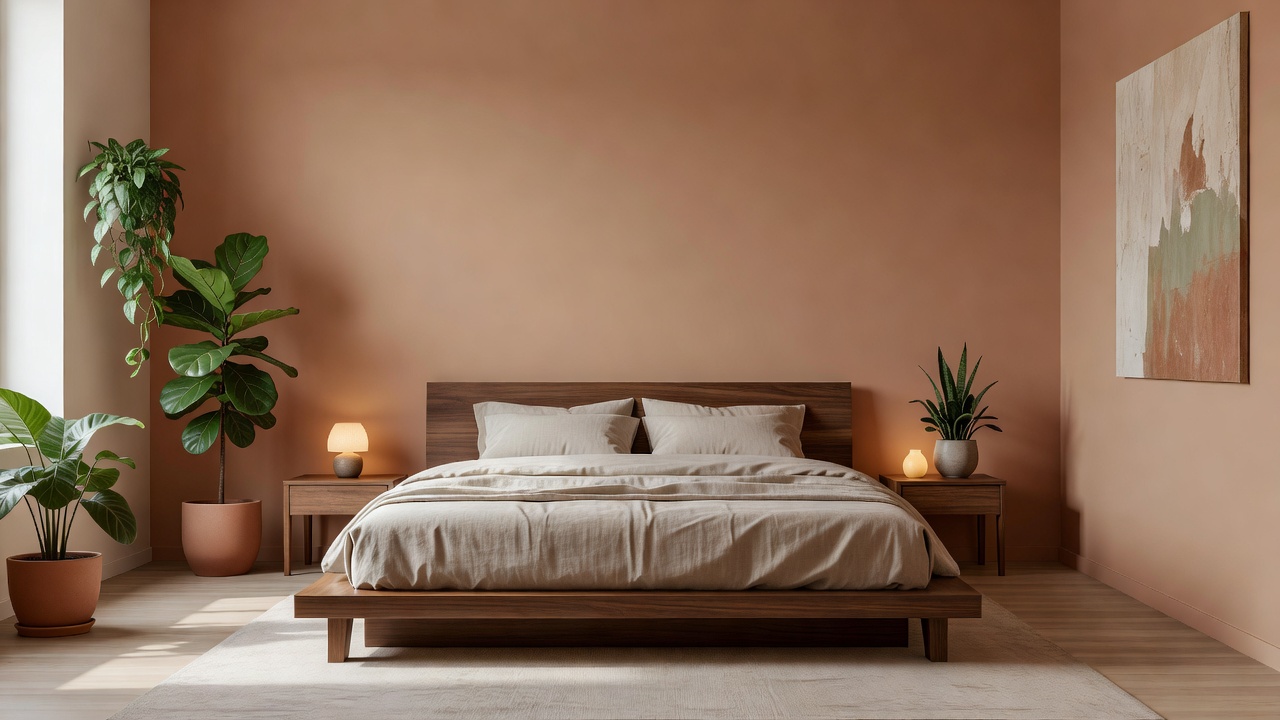
Introduction to Feng Shui Bedroom Renovations
Creating a harmonious bedroom through Feng Shui blends ancient wisdom with contemporary design trends for 2026. Homeowners seeking holistic upgrades find that strategic renovations improve energy flow, known as chi, while enhancing rest and overall well-being. This guide covers practical applications tailored to modern aesthetics, ensuring spaces feel both timeless and fresh. By focusing on layout, materials, and elemental balance, you can transform any bedroom into a sanctuary that supports better sleep and emotional balance. Many people report noticeable improvements in daily energy after implementing these changes, making it a worthwhile investment in home wellness.
Understanding Core Feng Shui Principles
Feng Shui emphasizes balance among five elements: wood, fire, earth, metal, and water. In bedrooms, these elements influence sleep quality and emotional stability. Modern renovations integrate these by selecting materials and layouts that promote positive energy without overwhelming the space. The wood element brings growth through plants and furniture, fire adds warmth via lighting, earth grounds with ceramics and stones, metal brings clarity through frames and fixtures, and water encourages flow with mirrors or subtle water features. Research from the World Health Organization highlights how environmental factors affect mental health, aligning with Feng Shui goals. Understanding these interactions helps avoid common imbalances that lead to restless nights or cluttered feelings in the room.
Strategic Bed Placement for Optimal Energy Flow
Position the bed against a solid wall, away from direct door alignment to avoid energy rushing out. The commanding position allows visibility of the entrance while feeling secure. In small rooms, use mirrors strategically to expand perceived space without reflecting the bed directly. For multi-use spaces, divide areas with screens to maintain privacy and chi circulation. Consider room orientation: north-facing beds can promote calm, while east supports new beginnings. Avoid placing the bed under windows or beams to prevent energy disruption. Test positions by spending a few nights in each setup before finalizing renovations. Practical examples include shifting a bed from under a window to a solid wall, which often results in deeper sleep within days.
Decluttering Techniques for Clear Energy Pathways
Begin by removing items under the bed to allow chi to flow freely. Organize closets with seasonal rotation systems and use storage furniture that doubles as decor. Regular decluttering sessions, perhaps quarterly, prevent stagnation. This practice supports better air quality and reduces stress, complementing renovation efforts focused on minimalism. Create a step-by-step process: first clear surfaces, then tackle hidden storage, and finally assess sentimental items. Use labeled bins for easy maintenance. In practice, a cluttered nightstand with books and devices can be streamlined to just a lamp and one meaningful object, instantly opening up visual space and improving focus before bed.
Balancing Colors and Elements in Design
Choose soft earth tones like sage green or warm beige for walls to ground the space, accented with metal finishes for clarity. Introduce wood through furniture and water elements via subtle artwork or fountains. Avoid overusing fire colors like bright red near sleeping areas. Test combinations in mood boards before committing to paint or textiles. For 2026 trends, incorporate muted blues for tranquility and terracotta accents for warmth. Each element should appear in moderation; for instance, pair wooden headboards with metal lamps and ceramic vases. This balance prevents any single energy from dominating, leading to a more peaceful environment overall.
Incorporating Natural Materials for Authentic Harmony
Opt for bamboo flooring, linen bedding, and stone accents to connect with nature. These materials enhance tactile comfort and support sustainability trends in 2026 renovations. Pair them with low-VOC finishes for healthier indoor environments. The Environmental Protection Agency provides guidance on indoor air quality that reinforces these material choices. Additional examples include cotton curtains for softness and reclaimed wood shelves for character. Natural materials also regulate humidity and temperature, contributing to a consistently comfortable sleep climate year-round.
Step-by-Step Layout Examples
Start with measuring the room and sketching zones. Place the bed first, then layer nightstands symmetrically. Add plants in corners for vitality. For rectangular rooms, align furniture along the longer axis to elongate flow. Adjust based on light sources to maximize natural illumination. In a 12x14 foot bedroom, position the bed centered on the longest wall, add a reading chair in one corner, and use a low dresser opposite to maintain openness. Another example for square rooms involves angling the bed slightly for dynamic energy while keeping pathways clear. Always leave at least two feet of walking space around key furniture pieces.
Before-and-After Comparisons
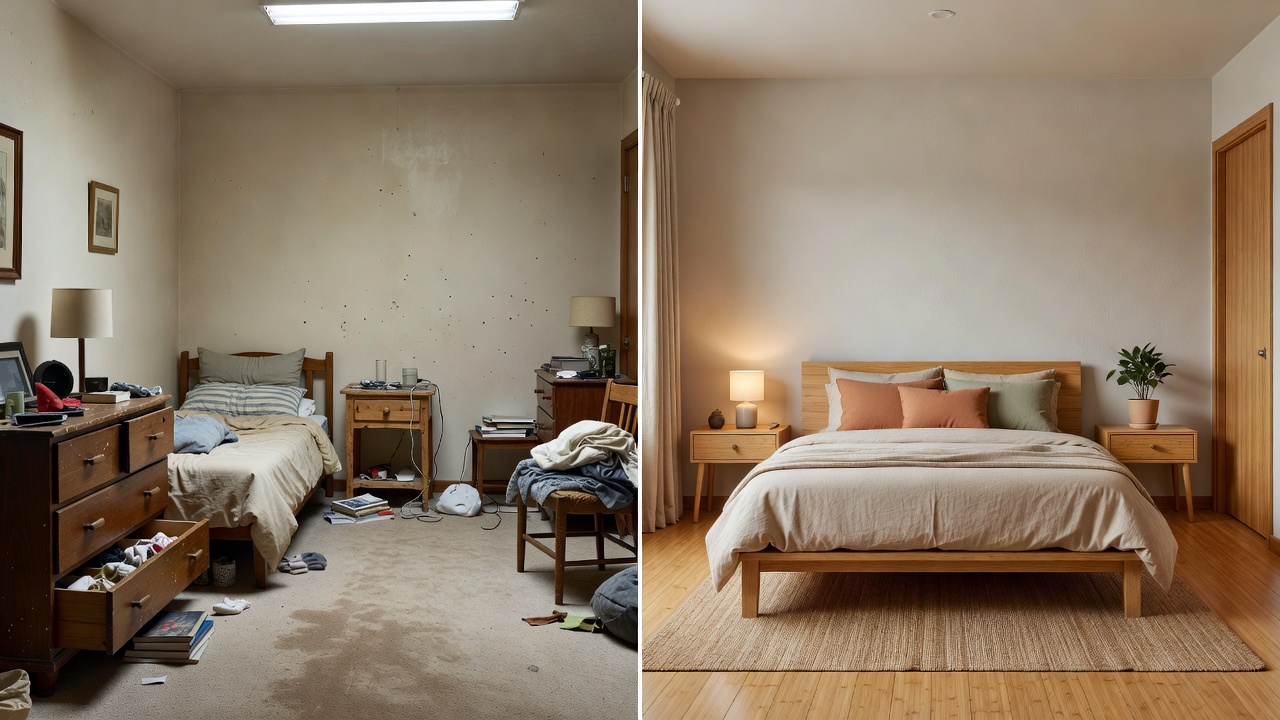
A cluttered bedroom with mismatched furniture transforms into a serene retreat by centering the bed, adding neutral textiles, and incorporating wooden elements. Energy feels lighter, and occupants report improved sleep. Another example shows a multi-use office-bedroom divided effectively with folding screens and balanced lighting. A third case involves a narrow room where vertical storage and mirrored accents doubled the perceived space, turning a cramped feel into an airy haven. These transformations typically take two to four weeks of planning and execution but deliver lasting benefits.
Addressing Common Challenges in Small or Multi-Use Spaces
In compact areas, use vertical storage and light-reflecting surfaces. For shared rooms, establish clear boundaries with rugs or curtains. Test layouts iteratively to find what feels most supportive. Multi-use challenges can be solved by modular furniture that serves dual purposes without visual clutter. Small-space solutions often include under-bed drawers and wall-mounted lighting to free floor area for better chi movement.
Mistakes to Avoid During Renovation
Common pitfalls include ignoring the commanding position for the bed or over-decorating with too many elements. Always prioritize symmetry and avoid sharp corners pointing toward the bed. Skipping decluttering before renovation leads to persistent energy blocks. Measure twice before purchasing to ensure proportions support flow rather than overwhelm it.
Frequently Asked Questions
- How do I apply Feng Shui in a rental bedroom? Focus on movable items like bedding and plants.
- What colors work best for 2026 trends? Earthy neutrals with metallic accents remain popular.
- Can Feng Shui help with sleep issues? Many find improved rest through better layouts and reduced clutter.
- Is professional consultation necessary? DIY approaches work well with research, but experts can refine complex spaces.
- How often should elements be refreshed? Annual reviews keep energy aligned with changing needs.
Conclusion
Integrating Feng Shui into bedroom renovations creates spaces that nurture well-being for years ahead. By focusing on placement, balance, and natural elements, homeowners achieve lasting harmony in 2026 and beyond. Start with one or two changes and build from there for sustainable results.
No comments yet. Be the first!