 Fixated on Home
Introduction to 3D Printed Furniture in Modern Bedrooms
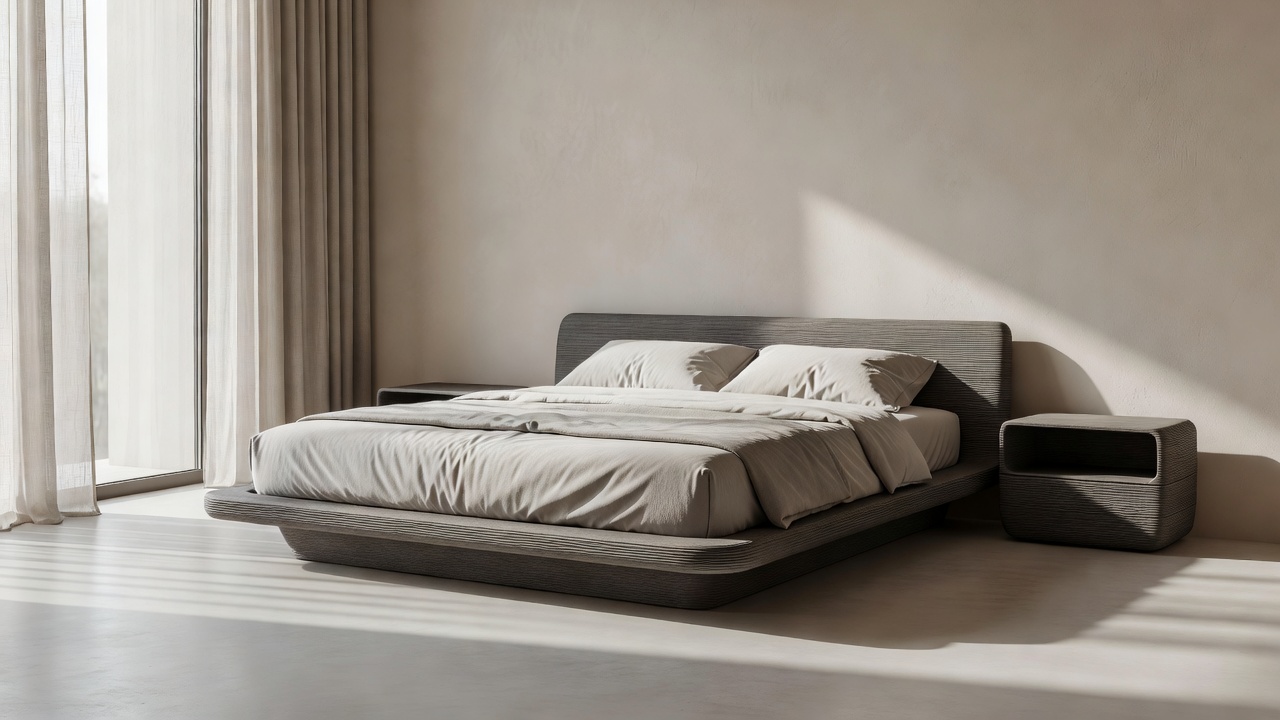
3D printing is reshaping bedroom renovations by offering personalized, sustainable alternatives to mass-produced furniture. In 2026, homeowners are embracing this technology to create unique pieces that fit specific layouts while reducing environmental impact. This approach blends innovation with practicality, allowing for furniture that matches individual tastes and space constraints perfectly. Unlike conventional manufacturing, which relies on subtractive methods that generate significant waste, 3D printing builds objects layer by layer, optimizing material use and enabling complex geometries that would be impossible or costly with traditional woodworking or metal fabrication.
Traditional manufacturing often leads to waste and limited options, but 3D printing minimizes material use through additive processes. It supports emerging trends like biophilic design and smart integration, making bedrooms more functional and eco-friendly. Homeowners seeking 2026 upgrades find that these pieces not only enhance aesthetics but also contribute to healthier indoor environments by using low-VOC materials and promoting better airflow through innovative designs.
Emerging Materials for Sustainable 3D Printed Bedroom Furniture
Advanced filaments and composites drive 2026 trends. PLA derived from corn starch offers biodegradability, while recycled PETG provides durability for items like bed frames. New wood-infused filaments mimic natural textures without harvesting timber. These options align with global sustainability goals, as highlighted by resources from the EPA. Additional innovations include carbon-fiber reinforced polymers for added strength in load-bearing components such as bed platforms, and mycelium-based composites that grow into organic shapes for truly zero-waste production.
Hybrid materials combining polymers with natural fibers enhance strength and aesthetics. For instance, hemp-based composites create lightweight nightstands that resist wear. Experimentation with color-changing thermoplastics adds dynamic elements to headboards. Another promising development involves algae-derived polymers, which sequester carbon during production and offer a renewable alternative that decomposes naturally at end of life. These materials not only reduce reliance on petroleum but also allow for vibrant, fade-resistant colors suitable for long-term bedroom use.
Customization Options and Design Flexibility
Customization stands out as a major advantage. Users can adjust dimensions, patterns, and features via software before printing. Modular designs allow easy reconfiguration, such as expandable wardrobes or adjustable shelving units suited to small or large bedrooms. Beyond basic adjustments, advanced software enables parametric modeling where changing one variable automatically updates the entire structure, ensuring structural integrity while tailoring ergonomics to user height or preferred sleeping positions.
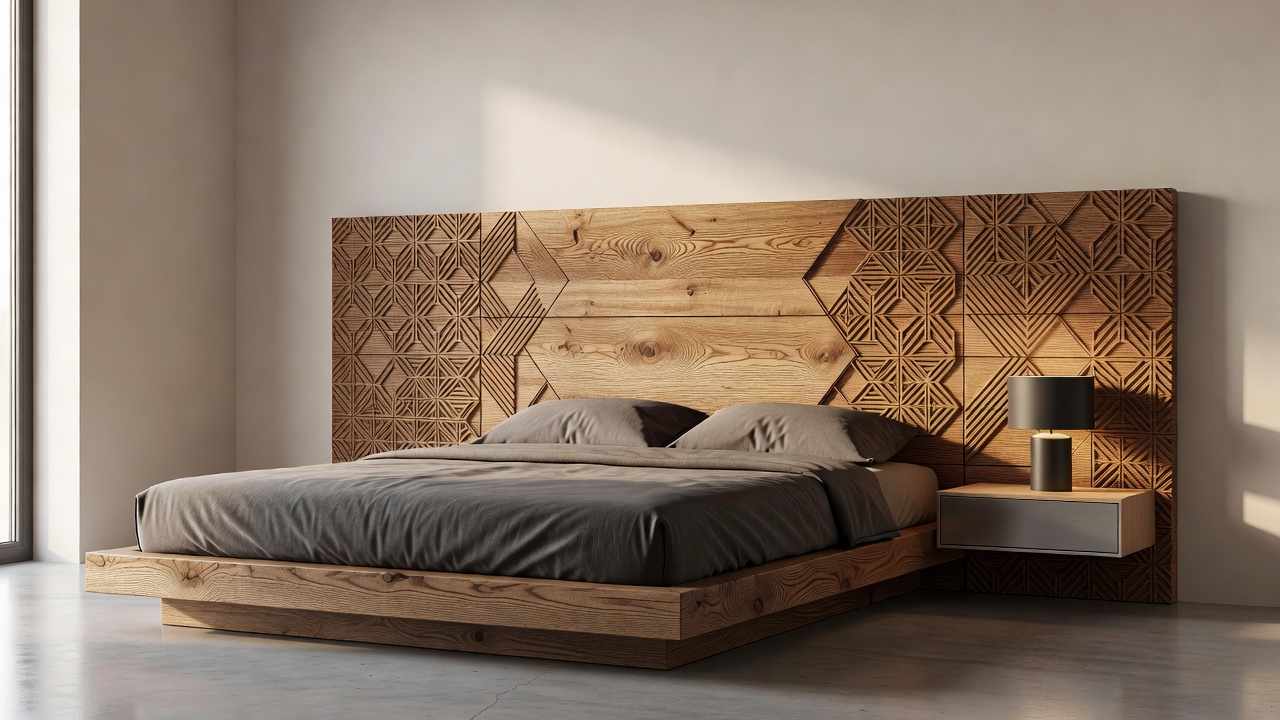
Personal motifs like engraved initials or geometric patterns integrate seamlessly. Integration with existing layouts involves scanning rooms with apps to generate compatible models, ensuring harmony with traditional pieces. This flexibility extends to functional additions like hidden storage compartments or cable management channels that blend invisibly into the furniture surface. Homeowners can also incorporate ventilation channels for better air circulation around mattresses or lighting recesses for ambient LED integration.
Cost Comparisons Versus Traditional Furniture
While initial setup requires investment in printers or services, long-term savings emerge from reduced shipping and waste. 3D printed items often cost less over time due to on-demand production. Qualitative assessments show they compete favorably in durability for everyday bedroom use compared to conventional wood or metal alternatives. Factors such as lower transportation emissions and the ability to repair individual components rather than replace entire items further tilt the balance toward 3D printed solutions in renovation budgets focused on sustainability.
Step-by-Step Sourcing and Implementation Guide
- Assess your space and needs using free design apps to measure dimensions and identify pain points like limited storage or awkward corners.
- Choose a reliable 3D printing service or invest in a home printer suited for larger objects, considering factors like build volume and material compatibility.
- Select sustainable filaments from verified suppliers that provide traceability for recycled content and certifications for indoor air quality.
- Iterate designs digitally and print prototypes to test fit, stability, and aesthetics before committing to full-scale production.
- Assemble and install pieces, testing stability under real-world loads such as mattress weight or drawer contents.
- Finish with eco-friendly sealants for longevity, ensuring protection against moisture and UV exposure common in bedrooms with windows.
Real-World Examples from Small and Large Spaces
In compact urban apartments, 3D printed floating nightstands with integrated charging ports maximize floor space while providing discreet cable routing. These units often feature cantilevered designs that appear to defy gravity, created through optimized lattice structures that maintain strength with minimal material. Larger master suites feature custom canopy beds with lattice designs that promote airflow, incorporating organic curves inspired by nature for a calming atmosphere. One homeowner in a mid-sized suburban home printed a complete set of matching dressers and a vanity table using wood-filled PLA, achieving a cohesive look that matched existing hardwood floors.
Another example involves a small studio where a 3D printed room divider doubled as a headboard and storage unit, printed in sections for easy assembly in tight quarters. In expansive lofts, oversized 3D printed benches with built-in planters bring greenery indoors, demonstrating how the technology scales to statement pieces. These real-world applications highlight adaptability across budgets and square footage, often resulting in furniture that feels bespoke rather than off-the-shelf.
Maintenance Tips for Long-Lasting Results
Regular dusting with microfiber cloths preserves surfaces. Avoid harsh chemicals; use mild soap solutions instead. Inspect joints periodically for wear, and apply protective coatings annually. Proper care ensures pieces remain vibrant and functional for years. Additional best practices include rotating furniture slightly every few months to prevent uneven fading and using felt pads on legs to protect flooring. For printed items with moving parts like drawers, occasional lubrication with silicone-based sprays maintains smooth operation without attracting dust.
Conclusion
3D printed furniture offers transformative potential for 2026 bedroom upgrades. By focusing on sustainability, customization, and practicality, homeowners achieve personalized spaces that reflect modern values while addressing real renovation challenges.
FAQ
How durable are 3D printed pieces compared to traditional furniture?
With quality materials, they match or exceed standard options in strength and longevity when maintained properly, especially when reinforced filaments are chosen for high-stress areas.
What eco-benefits does 3D printing provide?
It reduces waste and supports recycled inputs, contributing to lower carbon footprints as noted in standards from the NIST. Additional advantages include localized production that cuts transportation emissions and the potential for closed-loop recycling of old prints into new filament.
Can 3D printed furniture be repaired easily?
Yes, damaged sections can often be reprinted and swapped in, extending the life of the piece far beyond what is possible with glued or nailed traditional furniture.
No comments yet. Be the first!