 Fixated on Home

Introduction to Mattress Selection in Bedroom Renovations
Planning a bedroom renovation in 2026 means more than just new paint or furniture. The mattress plays a central role in both comfort and design integration. Homeowners increasingly seek options that align with modern aesthetics while delivering long-term support and durability. This guide explores key considerations to help you make informed choices that enhance sleep quality and complement your updated space. A well-chosen mattress can transform the entire feel of a renovated bedroom, providing the foundation for relaxation and style harmony.
Understanding Your Sleep Needs Before Renovation
Before selecting a mattress, evaluate personal factors such as sleep position, body weight, and any specific health concerns like back pain or allergies. Side sleepers often benefit from softer surfaces that cushion shoulders and hips, while back sleepers may prefer medium firmness for spinal alignment. Stomach sleepers typically need firmer support to prevent lower back strain. Body weight influences material response, with heavier individuals requiring denser foams or stronger coils to maintain shape over time. Incorporating these details early in your renovation planning ensures the mattress supports the overall design vision without compromising functionality.
Comparing Mattress Types for Style and Performance
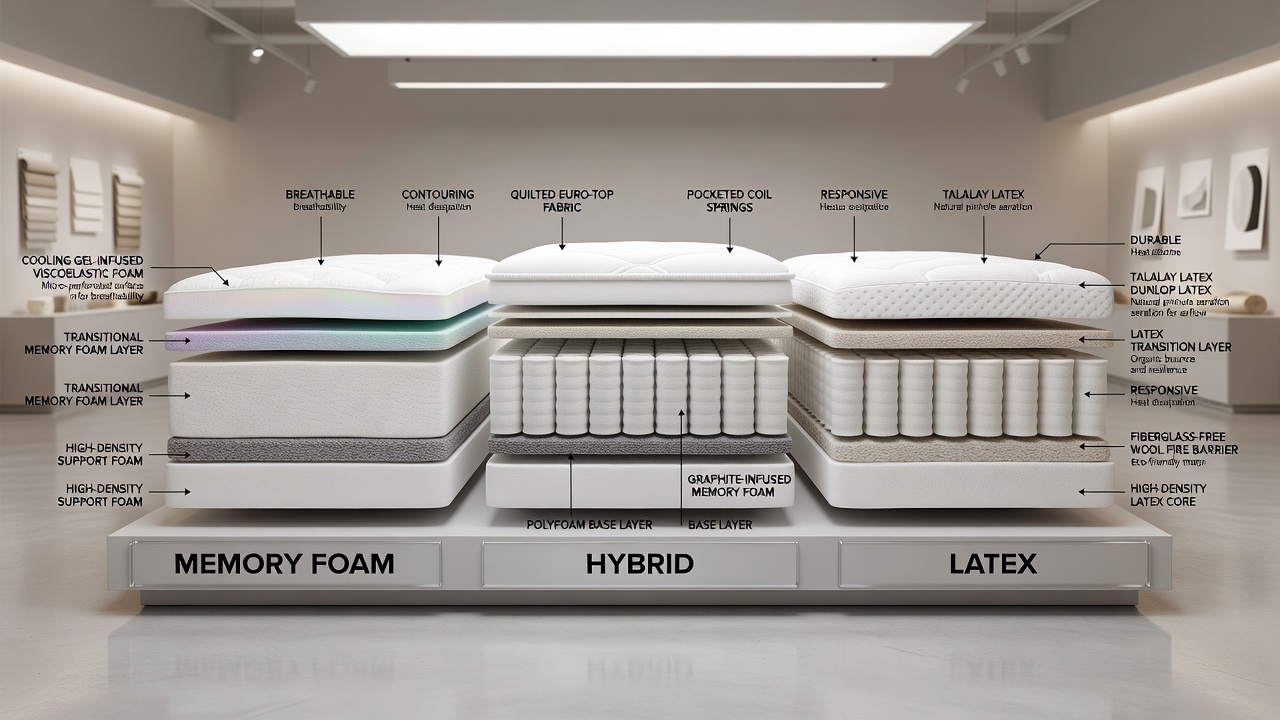
Memory foam mattresses contour to the body, offering pressure relief ideal for side sleepers. They excel in motion isolation, making them suitable for couples. Hybrids combine coils with foam for better edge support and airflow, providing a balanced feel that suits a range of positions. Latex options provide natural bounce and resilience, suiting those who prefer a cooler sleep surface and eco-conscious materials. Pair memory foam with minimalist platform beds for a clean, contemporary look, while latex works well with wooden frames in Scandinavian-inspired spaces. Hybrids often integrate seamlessly with upholstered headboards in modern renovations, creating a luxurious yet practical centerpiece. Each type offers distinct advantages in durability, with hybrids typically lasting longer under heavy use due to their coil systems.
When comparing these options, consider how they interact with your bedroom's lighting, color palette, and furniture. For instance, a low-profile memory foam mattress can make a small room appear larger when paired with floating nightstands.
Step-by-Step Mattress Selection Process
- Assess your sleep position and body weight to determine firmness needs, testing samples in-store if possible.
- Measure your bed frame to ensure size compatibility, such as queen or king dimensions, and account for any future plans like adding a split king setup.
- Test materials for temperature regulation and motion isolation by lying down for extended periods during showroom visits.
- Review trial periods and warranty details from reputable retailers, focusing on coverage for sagging or defects.
- Consider how the mattress height affects bedding choices and overall room proportions, ensuring it aligns with your headboard design.
- Evaluate edge support for practical use like sitting on the bed's perimeter during morning routines.
Budget Considerations for Renovation Projects
Factor mattress costs into your overall renovation budget alongside flooring and lighting. Prioritize quality for longevity to avoid frequent replacements. Explore financing options or sales events timed with seasonal updates. Allocate resources wisely by focusing on core comfort features rather than unnecessary add-ons, allowing room for complementary elements like premium linens or custom headboards that elevate the aesthetic.
Material Sustainability Tips
Opt for mattresses with certifications like GOTS or OEKO-TEX for eco-friendly materials. Natural latex reduces environmental impact compared to synthetic foams. Proper disposal or recycling programs extend sustainability benefits. Choose brands that source responsibly to minimize carbon footprints during production. Learn more about healthy sleep environments from Sleep Foundation and environmental guidelines at EPA.
Real-World Case Studies: Before-and-After Setups
In one urban apartment renovation, a couple replaced an old innerspring with a hybrid mattress paired with a low-profile bed frame. The result improved sleep quality and created a spacious, airy feel that complemented their minimalist decor. Before the change, the room felt cramped and dated; afterward, the supportive hybrid enhanced both rest and visual flow. Another suburban project featured a latex mattress in a boho-style bedroom, enhancing both comfort and visual warmth through natural textures and breathable covers. The homeowners reported better temperature control during warmer months. A third example involved a family home where memory foam was selected for its pressure-relieving properties, transforming a guest room into a welcoming retreat with coordinated bedding that tied into the new wall colors and lighting scheme.
Common Mistakes to Avoid During Selection
Many renovators overlook firmness testing, leading to discomfort after delivery. Another frequent error is ignoring ventilation needs in humid climates, which can shorten mattress lifespan. Failing to measure accurately for size compatibility often results in returns or awkward fits. Always cross-reference material certifications to ensure sustainability claims hold up.
Maintenance Routines for Long-Term Durability
Rotate the mattress every three months to promote even wear. Use a waterproof protector to guard against spills and allergens. Vacuum the surface monthly and spot clean as needed with mild solutions. Avoid placing the mattress directly on the floor without proper foundation support, and follow manufacturer guidelines for flipping if applicable. These practices help maintain performance throughout your renovated bedroom's lifespan.
FAQ: Common Concerns Addressed
How do I ensure size compatibility with my existing frame?
Measure your frame's interior dimensions and select a mattress that matches standard sizes like full, queen, or king. Always verify depth for fitted sheets and consider adjustable bases if planning future upgrades.
What maintenance routines extend mattress life?
Rotate the mattress every three months, use a protector, and vacuum regularly. Avoid jumping or excessive weight on edges to prevent premature sagging.
Which type best suits modern aesthetics?
Hybrids often pair seamlessly with clean-lined furniture, while memory foam excels in minimalist setups and latex adds organic appeal to natural wood designs.
Are sustainable options more expensive?
They may carry a premium but offer better long-term value through durability and health benefits, often aligning with renovation goals for eco-friendly living.
How does mattress height impact room design?
Taller mattresses can make beds the focal point but require deeper bedding; lower profiles create a streamlined look in compact spaces.
Consult additional resources on sleep health via Mayo Clinic and global wellness insights at WHO for personalized advice.
Conclusion
Selecting the right mattress for your 2026 bedroom renovation involves careful consideration of comfort, style, budget, and sustainability. By following the steps outlined and learning from real examples, you can create a space that promotes restful sleep and timeless appeal. Take time to test options and plan integration with your design elements for the best results.


No comments yet. Be the first!