 Fixated on Home
Introduction to Bold Pattern Mixing in Modern Bedrooms
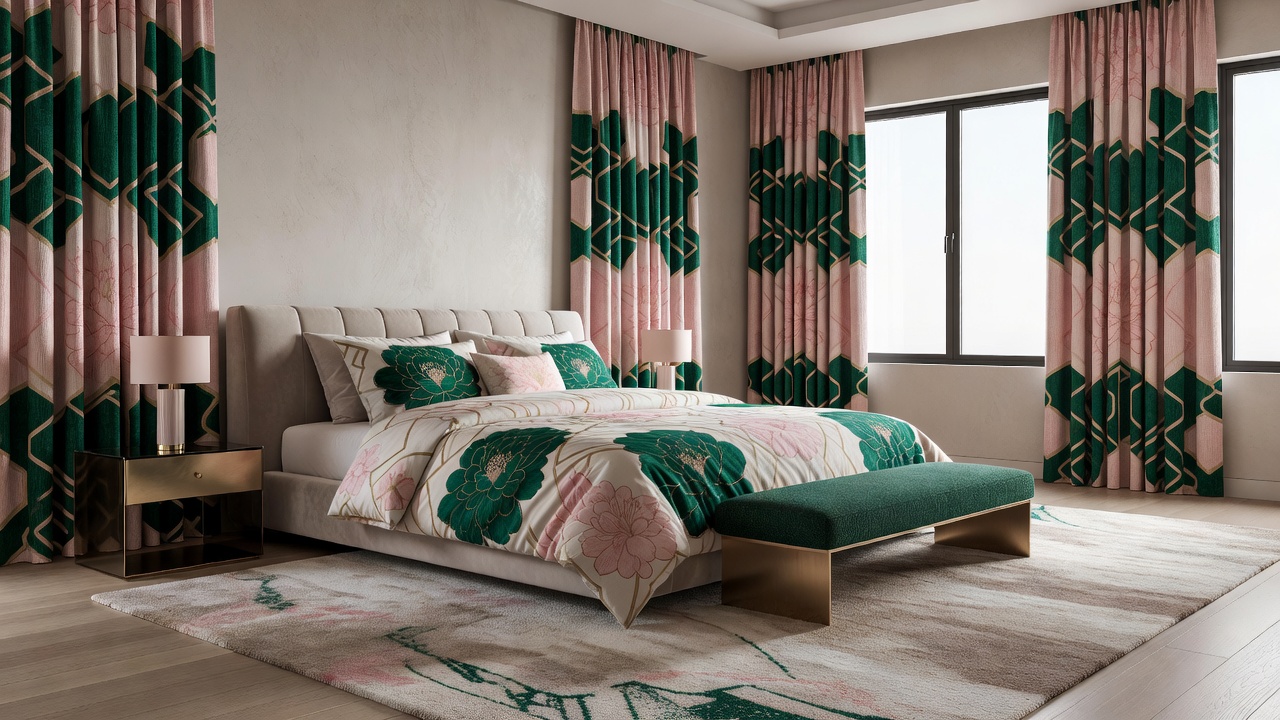
Pattern mixing has emerged as a defining trend in 2026 bedroom designs, allowing homeowners to create dynamic, personalized spaces that reflect current aesthetics while maintaining comfort. This approach moves beyond simple matching to embrace layered, eclectic combinations across bedding, rugs, curtains, and accent pieces. Whether refreshing an existing room or planning a full renovation, understanding these techniques helps achieve visually rich environments that feel both contemporary and inviting. In today’s design landscape, bold pattern mixing offers an accessible way to inject personality into bedrooms without requiring expensive overhauls, making it ideal for homeowners seeking creative renovation ideas that align with evolving 2026 trends.
Effective pattern mixing relies on three core principles: color coordination, scale balancing, and texture integration. These elements work together to prevent chaos and ensure harmony. Homeowners seeking creative renovation ideas will find practical steps here to transform their bedrooms with confidence, supported by real-world examples and decision-making frameworks that go beyond surface-level advice.
Understanding the Foundations of Pattern Mixing
Before diving into specific applications, grasp the basics of pattern types commonly used in bedroom design. Geometric prints, florals, abstracts, stripes, and animal motifs each bring unique energy. In 2026 trends, bold combinations often feature oversized florals paired with subtle geometrics or ethnic prints layered with modern abstracts. The goal is contrast without conflict, creating visual interest that evolves with seasonal updates or personal style shifts. Pattern families can be categorized into organic (florals and abstracts inspired by nature), structured (geometrics and stripes), and narrative (toile or animal prints), allowing designers to select from diverse sources while maintaining cohesion.
Start by selecting a dominant pattern that sets the room's mood, then build supporting patterns around it. This creates a focal point while allowing secondary elements to enhance rather than compete. Consider the room’s architectural features, such as window placement and ceiling height, when choosing patterns, as these influence how prints interact with light and space throughout the day.
Color Coordination Strategies for Cohesive Looks
Color serves as the glue in pattern mixing. Choose a palette of three to five hues, ensuring at least one neutral anchors the scheme. For 2026 bedrooms, popular combinations include deep emerald greens with warm neutrals and metallic accents, or soft blush tones mixed with charcoal and ivory. Experiment with analogous colors for a serene effect or complementary colors for high-energy drama, always testing samples under different lighting conditions to avoid surprises after installation.
Consider the 60-30-10 rule: 60% dominant color, 30% secondary, and 10% accent. This proportion helps patterns integrate smoothly across textiles. Test swatches in natural light to verify harmony before committing to purchases. Incorporate undertones carefully—cool undertones pair best with crisp whites, while warm undertones complement creams and beiges for a layered, collected appearance.
Balancing Scales and Proportions
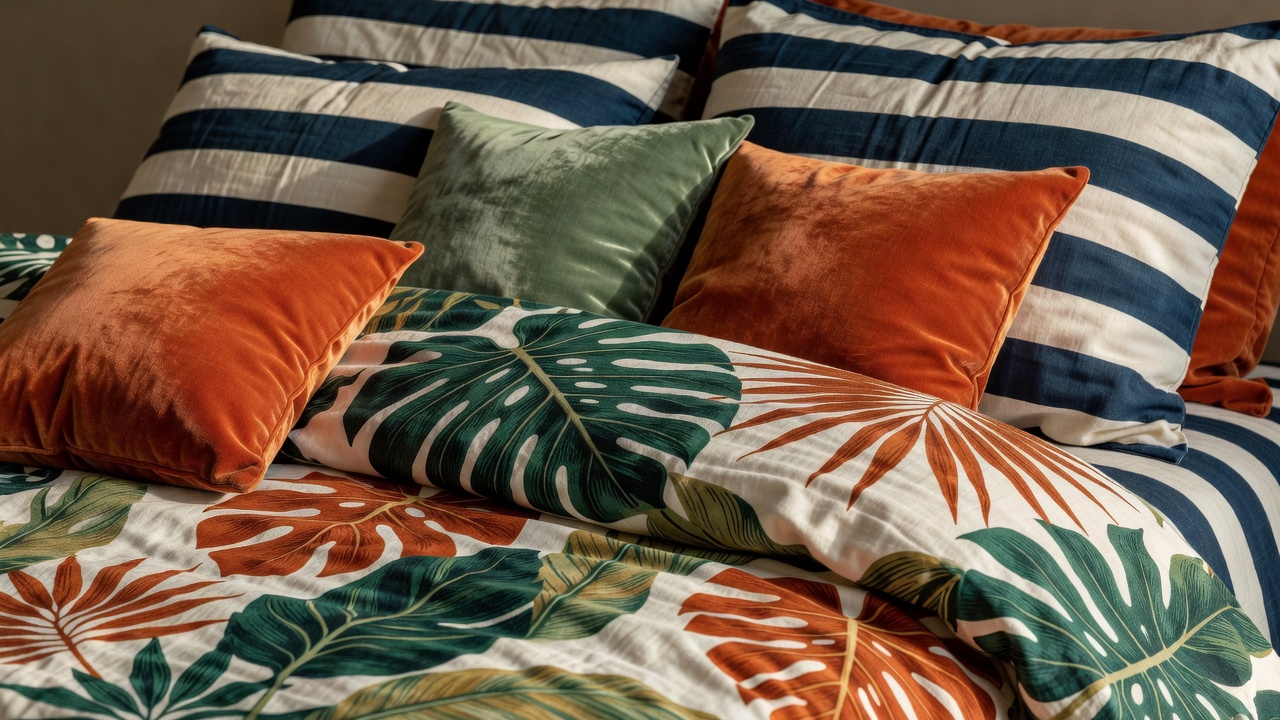
Scale balancing prevents patterns from overwhelming each other. Pair large-scale motifs with smaller, intricate designs to create visual rhythm. For instance, a king-size duvet featuring oversized leaves works beautifully with smaller-scale striped pillowcases and a medium-patterned throw blanket. Assess the room’s square footage when determining scale; larger bedrooms can handle bolder, oversized prints on multiple surfaces, whereas compact spaces benefit from one dominant large pattern balanced by finer details elsewhere.
Measure visual weight: place bolder patterns on larger surfaces like beds or rugs, and reserve delicate prints for accents. This technique maintains equilibrium and guides the eye naturally through the space. Use tracing paper or digital mockups to preview combinations before purchasing, ensuring proportions feel intentional rather than accidental.
Integrating Textures for Depth
Texture adds another dimension to pattern mixing. Combine smooth linens with plush velvets, woven rattan, or embroidered details to enrich the sensory experience. In 2026 designs, mixing matte and glossy finishes—such as a matte linen curtain with a subtle sheen on a patterned quilt—elevates the overall sophistication. Layer tactile elements like boucle throws over crisp percale sheets to create depth that invites touch and enhances the visual complexity of patterns.
Practical examples include layering a textured jute rug beneath a patterned area rug or using velvet cushions against crisp cotton bedding. These contrasts create tactile interest that complements visual patterns and improves the room’s acoustic qualities, making the space feel more cocoon-like and restful.
Practical Steps for Layering Across Bedroom Elements
Follow these sequential steps for successful layering:
- Begin with foundational pieces: Select bedding as the base layer, choosing one bold pattern for the duvet or comforter while noting its color temperature and motif size.
- Add secondary layers: Introduce rugs and curtains that echo colors from the bedding but vary in scale, ensuring they frame the bed without competing for attention.
- Incorporate accents: Use pillows, throws, and wall art to introduce smaller patterns and textures, rotating items seasonally to refresh the look without major expense.
- Refine with balance: Step back and adjust proportions, ensuring no single element dominates excessively, and photograph the space to evaluate composition objectively.
Real-world examples demonstrate success. A before-and-after case might show a plain white bedroom transformed by mixing a large-scale botanical print on the bed with geometric curtains and a striped rug, resulting in a vibrant yet balanced retreat that increased perceived warmth and personality.
Applying Patterns to Specific Bedroom Components
Bedding serves as the primary canvas for bold patterns. Choose a statement duvet in an oversized floral or abstract, then layer with coordinating sheets in subtle stripes. Rugs anchor the composition; select one with a medium-scale geometric that picks up colors from the bedding. Curtains provide vertical interest—opt for drapes featuring a tonal print or subtle texture that softens the overall scheme. Accent pieces such as lampshades, throws, and headboard upholstery allow experimentation with smaller motifs like polka dots or ethnic patterns without overwhelming the room. This targeted approach ensures every element contributes to a cohesive narrative.
Before-and-After Comparisons and Real Examples
Consider a suburban master bedroom that started with mismatched solids and evolved into a layered masterpiece. The original space felt flat; after introducing an oversized leaf print duvet in sage and cream, paired with navy geometric curtains and a textured wool rug, the room gained depth and sophistication. Another example involved a small urban apartment where a neutral base was elevated by mixing a bold ikat-patterned bedspread with delicate dotted pillows and a striped bench cushion, creating an illusion of greater space through careful scale management.
Beginner-Friendly Tips and Advanced Techniques
Beginners should start small by mixing two patterns in the same color family before expanding. Advanced designers might experiment with unexpected pairings, such as combining traditional toile with contemporary abstracts for an eclectic 2026 edge. Incorporate digital tools for virtual previews and consult fabric swatch books from multiple suppliers to discover unique combinations. Rotate patterns seasonally by swapping accent pillows and throws to keep the design fresh year-round.
Avoid common pitfalls like overcrowding or ignoring negative space. Leave breathing room between patterns to let each shine. Resources from leading design authorities, such as Architectural Digest and Elle Decor, offer additional visual inspiration aligned with current trends.
Mistakes to Avoid When Mixing Patterns
- Overusing the same scale across all elements, which flattens visual interest.
- Ignoring the room’s lighting, leading to colors that shift dramatically at night.
- Selecting patterns without a unifying color thread, resulting in visual discord.
- Neglecting texture variety, causing the space to feel one-dimensional despite bold prints.
Frequently Asked Questions
How many patterns should I mix in one bedroom?
Three to five patterns typically create interest without chaos. Start with fewer and add gradually based on the room's size and your comfort level.
What if my patterns clash?
Reassess color harmony and scale. Introduce a unifying neutral element like a solid throw to bridge conflicting prints.
Are there 2026-specific trends to follow?
Yes, expect increased use of sustainable fabrics with bold, nature-inspired motifs and digital-printed abstracts that allow for custom scaling.
Can I mix patterns in a small bedroom?
Absolutely—focus on one large-scale pattern and complement it with smaller, lighter prints to maintain openness.
How do I update a pattern-mixed room over time?
Swap accent pieces seasonally and refresh the dominant pattern every few years to keep the design current without full renovations.
Conclusion
Bold pattern mixing transforms bedrooms into expressive sanctuaries that capture 2026 design innovation. By mastering color coordination, scale balancing, and texture integration, homeowners can execute renovations that feel fresh and personalized. Apply these techniques step by step, draw from real examples, and enjoy the creative process of crafting a space that truly reflects your style. For further guidance, explore established platforms like Better Homes & Gardens for ongoing ideas.
No comments yet. Be the first!