 Fixated on Home
Introduction
As remote work continues to shape modern living in 2026, many homeowners face the challenge of creating functional workspaces within limited square footage. Integrating a home office zone into a bedroom offers a smart solution that maximizes space without sacrificing the room's primary role as a sanctuary for rest. This comprehensive guide explores thoughtful approaches to space planning, versatile furniture selection, lighting strategies, hidden storage, cable management, and visual separation techniques. The focus remains on achieving long-term balance between productivity and relaxation through modern home upgrades that prioritize both functionality and comfort.
Assessing Your Available Space
Begin by evaluating the bedroom's layout, natural light sources, and traffic patterns. Measure the room dimensions accurately and identify zones that can support work activities without encroaching on the bed area. Consider ceiling height for vertical storage options and window placement to avoid glare on screens during daytime hours. Take note of existing electrical outlets, ventilation, and any architectural features like alcoves or built-in closets that could be repurposed. Homeowners in urban apartments often deal with irregular floor plans, so sketching a simple diagram helps visualize potential office placements relative to the sleeping area.
Space Planning Steps for Effective Zoning
Effective zoning starts with defining clear boundaries. Position the desk perpendicular to the bed or in a corner to create visual separation. Account for ergonomic needs such as chair clearance and monitor height. Map out electrical outlets early to minimize later disruptions. Follow these practical steps: first, measure twice and mark zones with painter's tape on the floor; second, test traffic flow by walking through the room; third, ensure at least three feet of clearance around the workspace; fourth, incorporate multi-use elements like a desk that faces away from the bed to reduce visual reminders of work during rest time. These steps prevent common layout errors and promote daily usability.
Selecting Versatile Furniture That Maintains Bedroom Aesthetics
Choose pieces that serve dual purposes. A desk with a lift-top surface can double as a vanity, while a bed frame with built-in drawers reduces the need for additional cabinets. When comparing modular versus traditional furniture, modular systems offer flexibility for future rearrangements and often include integrated storage. Traditional options provide a more timeless look but may require more floor space. Modular units excel in compact urban apartments where adaptability is key. For instance, stackable shelving units allow customization based on evolving storage needs, whereas a classic wooden desk might anchor the room's style but limit reconfiguration options. Prioritize pieces made from sustainable materials that match existing bedroom finishes to maintain aesthetic harmony.
Lighting Setups for Productivity Without Disrupting Sleep
Layer lighting with task lamps featuring adjustable arms and warm-to-cool color temperature controls. Install dimmable overhead fixtures and blackout curtains to transition from work mode to rest. Position lights away from the bed to prevent blue light exposure before bedtime. Consider adding smart bulbs that can be programmed for different times of day, shifting from bright cool light during work hours to soft warm tones in the evening. Wall sconces on either side of the desk provide focused illumination without taking up surface space, while a floor lamp with a directional shade offers flexibility for reading or video calls. Proper lighting supports eye health and helps signal the brain when it is time to wind down for sleep.
Hidden Storage Solutions and Cable Management Techniques
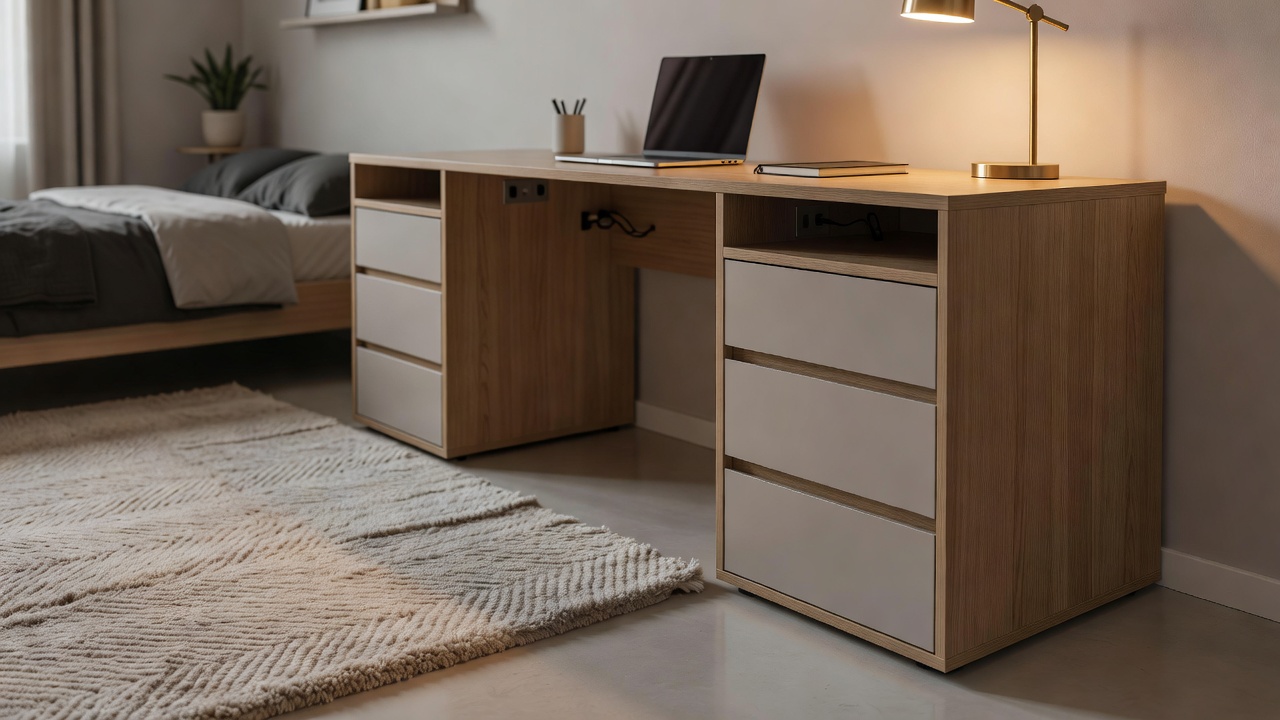
Utilize under-bed bins, wall-mounted shelves with doors, and furniture with concealed compartments. For cables, route them through desk grommets and use adhesive clips along baseboards. Wireless charging pads further reduce visible clutter. Expand on this by incorporating vertical solutions such as tall narrow cabinets disguised as decorative elements or headboard-integrated organizers. Cable management can include routing wires inside hollow furniture legs or using decorative boxes to hide power strips entirely. These techniques keep the space tidy and prevent the office zone from feeling cluttered, which is essential for maintaining a restful bedroom environment.
Visual Separation Methods Using Dividers or Rugs
Area rugs define the office zone while adding warmth underfoot. Freestanding screens or tall bookshelves provide privacy without permanent construction. Sheer curtains suspended from the ceiling offer soft division that maintains an open feel. Additional options include folding room dividers with acoustic panels for noise reduction or low-profile plant stands that create a natural barrier. In smaller rooms, strategic placement of mirrors can reflect light and make zones feel distinct without adding bulk. These methods allow the bedroom to serve dual purposes seamlessly throughout the day.
Real-World Examples of Compact Urban Layouts
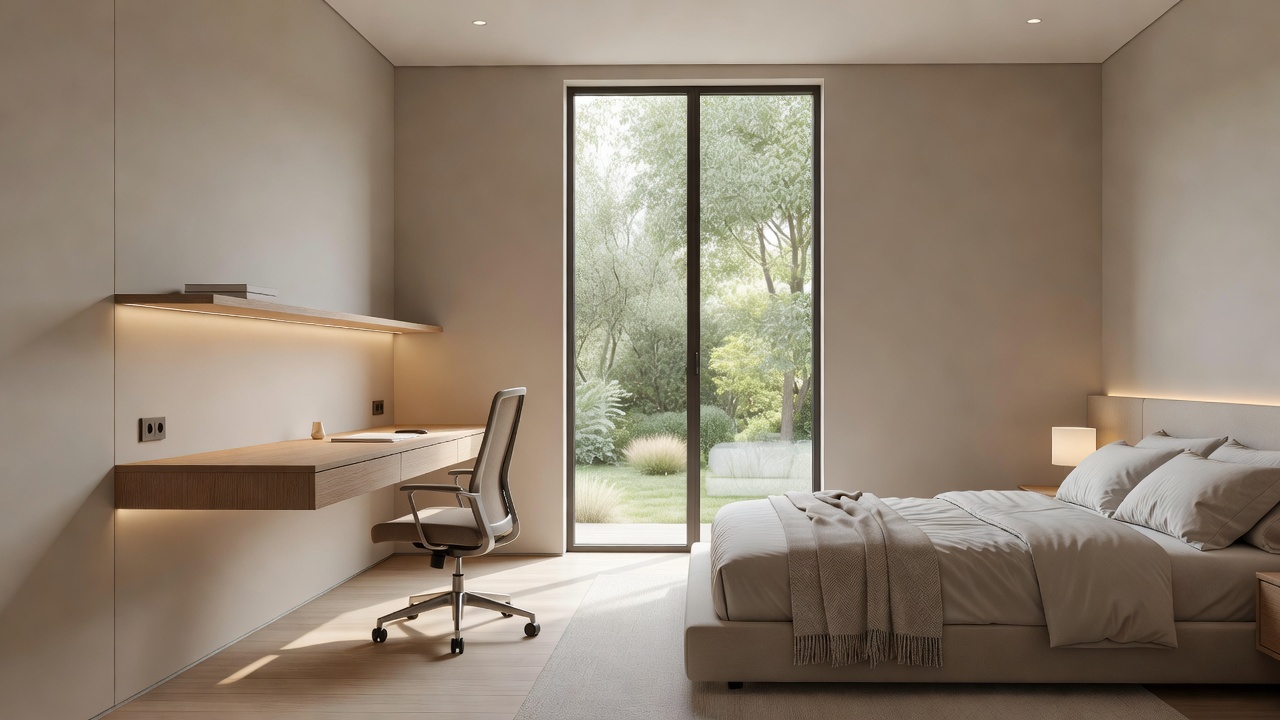
In a 200-square-foot studio in a major city, designers placed a narrow floating desk along one wall with a rolling chair that tucks beneath at night. Another example features a murphy-style desk that folds into a headboard unit, freeing floor space entirely during evenings. A third case from a two-bedroom condo conversion shows how a corner office nook was created using a custom built-in unit with fold-down surfaces, allowing the main bedroom area to remain dedicated to relaxation. Each example demonstrates creative adaptation to limited square footage while preserving comfort and style.
Color and Material Choices for Balance
Select calming color palettes such as soft neutrals or muted blues for walls and larger furniture to promote relaxation. Introduce accent colors through office accessories like desk organizers or chair upholstery to energize the workspace without overwhelming the room. Materials like matte finishes on desks reduce glare, while natural wood tones or linen textiles blend office elements with bedroom textiles. These choices help the zones feel cohesive rather than disjointed.
Common Mistakes to Avoid
- Overcrowding the room with oversized desks that block pathways
- Ignoring natural light direction leading to screen glare
- Neglecting acoustic separation from household noise
- Choosing harsh lighting that interferes with melatonin production
- Failing to plan for future needs such as additional equipment
- Using mismatched styles that disrupt the bedroom's relaxing atmosphere
Practical Implementation Steps
Start with a budget-friendly assessment phase, then prioritize essential purchases like ergonomic seating. Test layouts temporarily before committing to installations. Involve professionals for electrical work if needed. Review progress after one month to adjust any elements that affect sleep quality.
FAQ
How can I prevent work stress from affecting sleep?
Establish a clear shutdown routine and use physical barriers like rugs or screens to mentally separate the zones at the end of the workday.
What if my bedroom lacks sufficient outlets?
Consult an electrician about adding outlets or rely on battery-powered task lights and wireless peripherals.
Are there specific 2026 trends for bedroom offices?
Current preferences lean toward sustainable materials and smart integration with voice-controlled lighting and adjustable furniture.
How do I handle multiple monitors in a small space?
Opt for wall-mounted monitor arms that can be folded away when not in use, combined with a compact standing desk converter.
Can plants help with zoning and air quality?
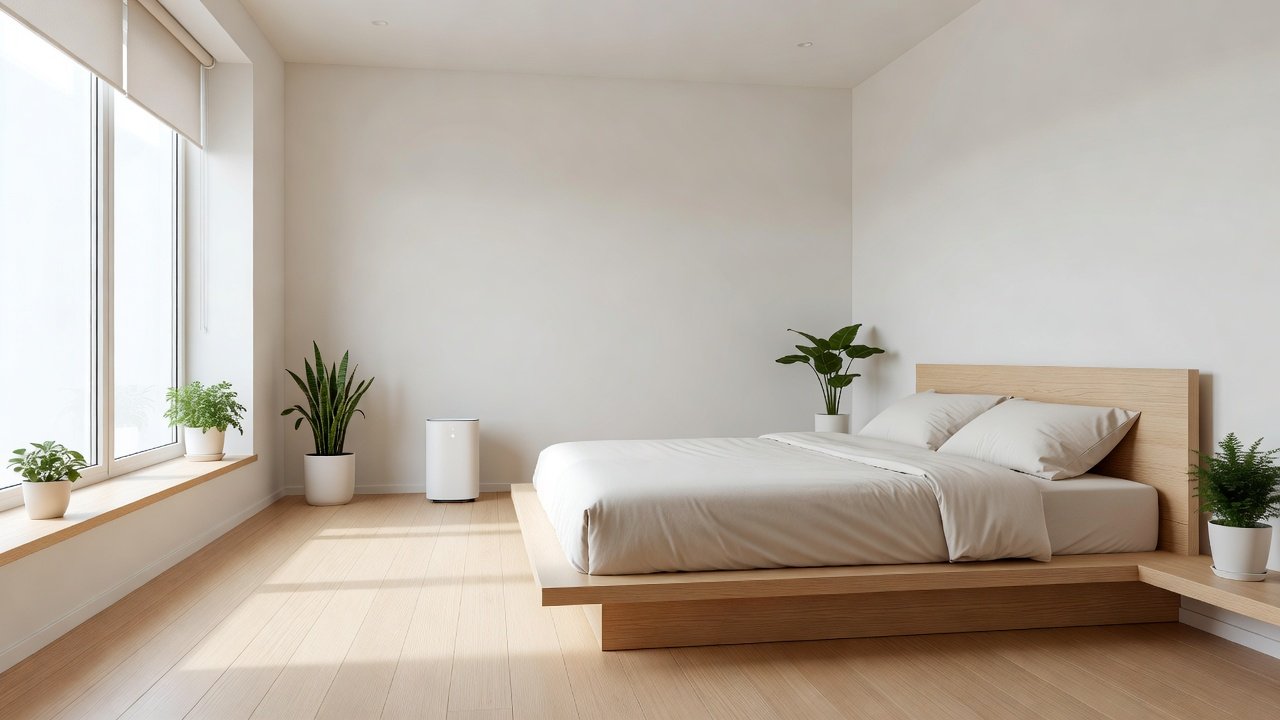
Yes, tall indoor plants serve as natural dividers while improving air quality and adding a calming visual element to the space.
Conclusion
Thoughtful integration of a home office zone into bedroom designs supports both career demands and personal well-being. By following these planning steps and selecting adaptable elements, homeowners can create spaces that evolve with their needs while preserving a restful atmosphere for years to come.
No comments yet. Be the first!