 Fixated on Home
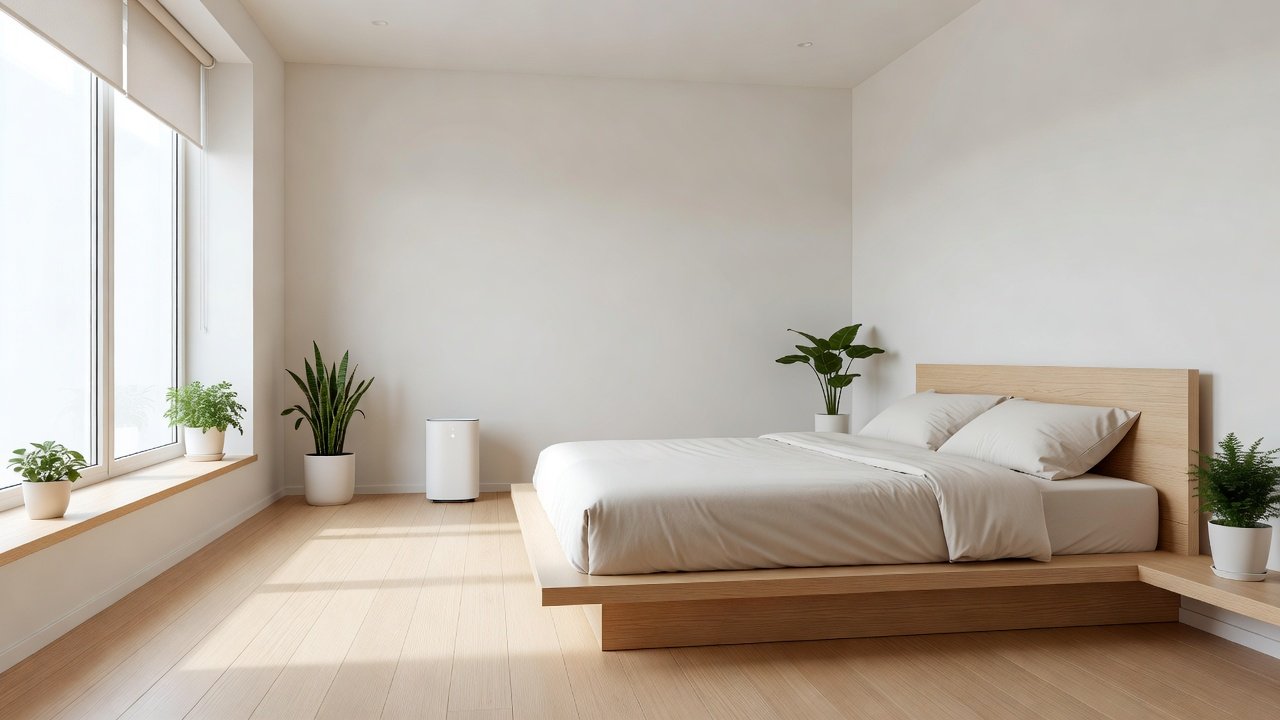
Introduction to Allergy-Friendly Bedroom Design
Creating an allergy-friendly bedroom is essential for homeowners planning 2026 renovations. Modern upgrades can significantly reduce exposure to common triggers like dust mites, pollen, and pet dander while enhancing comfort and aesthetics. This comprehensive guide covers practical solutions tailored to contemporary home designs, helping you achieve a healthier sleeping environment. With rising awareness of indoor air quality, many families are prioritizing these changes to improve sleep quality and overall wellness during major home projects.
Understanding Common Bedroom Allergens
Bedrooms often harbor hidden allergens due to soft furnishings and limited airflow. Dust mites thrive in bedding and carpets, while pollen enters through windows and clings to fabrics. Pet dander can embed deeply in upholstery. According to guidelines from EPA, improving indoor air quality starts with material choices and layout planning. Addressing these factors during renovation prevents long-term issues. Additional research highlights how humidity levels above 50 percent accelerate mite growth, making dehumidification systems a key consideration in any 2026 upgrade.
Hypoallergenic Materials for Walls, Floors, and Furniture
Selecting the right materials forms the foundation of an allergy-friendly space. Opt for low-VOC paints on walls to minimize chemical irritants. For flooring, hard surfaces like polished concrete or sealed hardwood outperform carpets, which trap allergens. Furniture should feature frames made from solid wood or metal rather than particleboard that off-gasses. Upholstery in tightly woven fabrics or leather reduces dander accumulation. Consider adding natural stone accents or bamboo elements that resist mold and provide durability. Integrate built-in storage with smooth surfaces to eliminate clutter where dust settles. These choices align with 2026 trends emphasizing sustainable and health-conscious design, allowing seamless blending with existing architectural features like exposed beams or large windows.
Strategic Layouts to Minimize Dust Accumulation
Thoughtful room arrangements promote better airflow and easier cleaning. Position the bed away from windows to limit pollen entry, and use elevated frames with space underneath for vacuuming. Avoid heavy curtains; instead, install roller blinds that wipe clean easily. Place air purifiers near high-traffic areas or the bed for optimal filtration. Consider zoning the room with open shelving on one wall only, keeping the sleeping area minimalist. This layout reduces surfaces that collect dust while maintaining visual appeal in modern renovations. Additional strategies include angling furniture to create natural pathways for air circulation and incorporating built-in niches for storage to avoid freestanding pieces that gather debris.
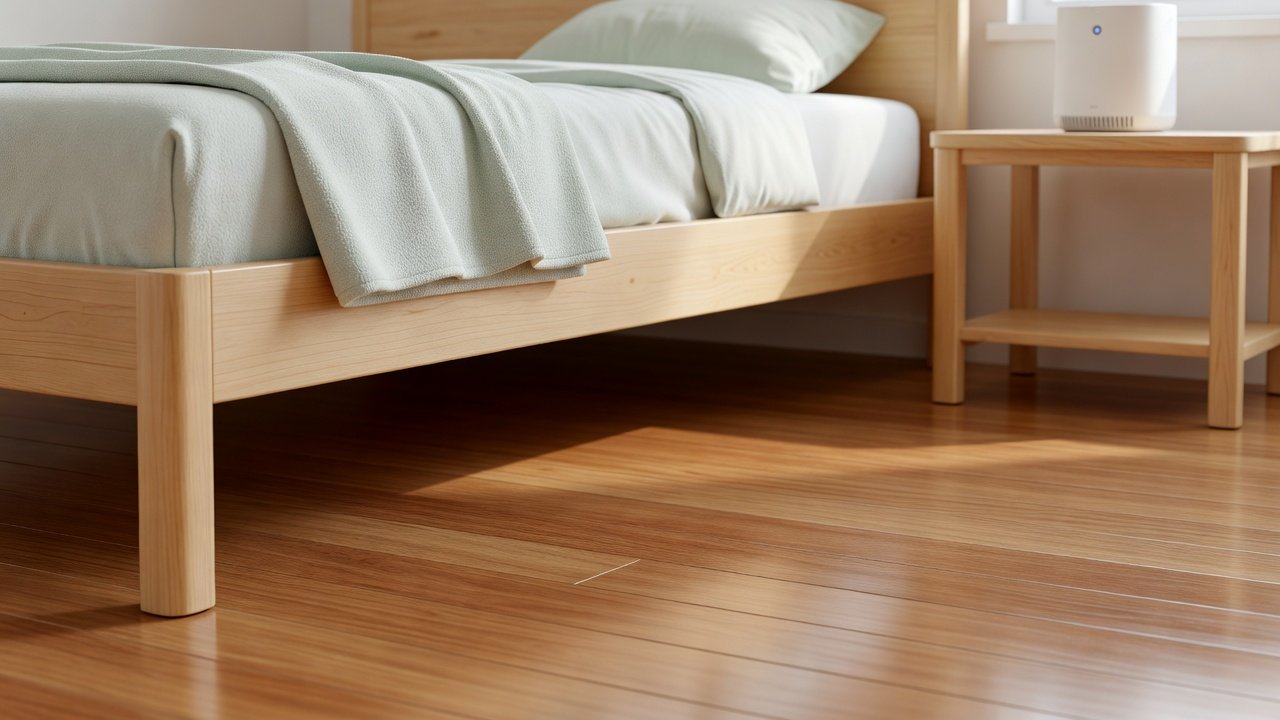
Step-by-Step Renovation Checklist
- Assess current allergen sources through a professional inspection to identify hidden problem areas like old insulation or unsealed vents.
- Remove old carpeting and install hard flooring with proper underlayment for moisture control.
- Apply hypoallergenic wall treatments and seal all gaps around windows and doors to prevent outdoor pollen intrusion.
- Upgrade to allergen-proof mattress and pillow encasements that are certified for mite resistance.
- Install HEPA-filter ventilation systems integrated with existing HVAC for whole-room coverage.
- Choose furniture with minimal crevices and easy-clean finishes that complement your home's color palette.
- Test air quality post-renovation using portable monitors and adjust ventilation settings as needed for optimal results.
- Incorporate plants known for air purification in designated corners while ensuring they do not introduce new mold risks.
Fabric Options Versus Hard Surfaces: A Comparison
- Fabrics: Washable curtains and bedding allow regular cleaning but require frequent maintenance to prevent mite buildup; they offer warmth and texture but demand weekly laundering cycles.
- Hard surfaces: Floors and furniture in wood, tile, or metal resist allergens inherently and simplify weekly upkeep, though they may feel cooler underfoot in winter climates.
- Hybrid approach: Combine limited fabric accents with predominant hard elements for balanced style and function, such as using removable slipcovers on select seating.
This comparison shows hard surfaces often provide superior long-term allergen control in renovated bedrooms, especially when paired with strategic fabric use in low-contact areas.
Air Purification and Ventilation Systems
Advanced systems play a vital role in maintaining low allergen levels. Whole-home HEPA units or portable models with activated carbon filters capture fine particles effectively. Integrate smart sensors that adjust fan speeds based on real-time air quality readings. For 2026 projects, consider ductless mini-split systems that allow zoned control without extensive remodeling. These additions work alongside material upgrades to create a comprehensive defense against seasonal triggers like pollen.
Real-World Examples of Successful Upgrades
One family in a suburban home replaced carpet with bamboo flooring and added a whole-room air filtration unit, reporting fewer allergy symptoms within weeks. Another project incorporated vertical gardens with air-purifying plants like snake plants, blending biophilic design with health benefits while using sealed containers to avoid soil-related issues. A third example involved converting a guest room into an oasis with elevated platform beds, custom roller shades, and automated blinds synced to weather data for proactive pollen management. These examples demonstrate how targeted changes enhance both wellness and property value in diverse home styles.
Integration with Existing Home Design Elements
Blend allergy-friendly features seamlessly into your current aesthetic. Match new hardwood tones to existing trim, or select neutral fabrics that complement living room palettes. Smart home upgrades like automated blinds tie into broader 2026 trends for connected, efficient spaces. Resources from Mayo Clinic emphasize consistent design language across rooms for cohesive results. This approach ensures the renovated bedroom feels like a natural extension of the home rather than an isolated clinical space.
Mistakes to Avoid During Renovation
Common pitfalls include overlooking humidity control, which can lead to new mold growth, or selecting overly ornate furniture that creates cleaning challenges. Avoid rushing material selections without checking VOC ratings, and always test prototypes of fabrics in your space before full installation. Skipping professional air quality assessments post-renovation can leave hidden issues unresolved.
Cost-Saving Tips for Allergy-Friendly Renovations
Prioritize high-impact changes first, such as encasements and flooring, before full furniture replacements. Reuse quality existing pieces by adding protective covers. Shop for multi-functional items that serve storage and air-purification needs. Phased implementation spreads expenses while delivering immediate benefits, allowing homeowners to focus on core health improvements without compromising on design quality.
FAQ Section
How do I control pet dander in a renovated bedroom?
Designate pet-free zones, use washable covers on furniture, and install powerful air purifiers with HEPA filters. Regular vacuuming with allergen-specific models helps maintain control, and grooming pets outside the sleeping area further reduces transfer.
What about pollen during spring renovations?
Seal windows with weatherstripping, add vestibule entries if possible, and time major work for low-pollen periods. Indoor plants that filter air can supplement mechanical systems while monitoring outdoor pollen counts daily.
Are there maintenance routines for long-term success?
Weekly dusting with microfiber cloths, monthly filter changes, and quarterly deep cleans of all surfaces keep allergens at bay. Monitor humidity levels below 50 percent to discourage mites, and schedule annual HVAC inspections.
Can existing furniture be adapted rather than replaced?
Yes, by adding allergen-proof encasements, replacing fabric with leather or vinyl alternatives, and elevating pieces off the floor for easier cleaning underneath. This saves resources while achieving similar benefits.
Conclusion
Allergy-friendly bedroom design for 2026 renovations combines smart material selection, efficient layouts, and thoughtful integration with existing elements. By following the checklists and comparisons outlined, homeowners can create spaces that promote better health and modern style. Start planning today to enjoy restful, allergen-reduced nights and a more comfortable living environment overall.
No comments yet. Be the first!