 Fixated on Home
Introduction to Mirror Placement in Modern Bedroom Design
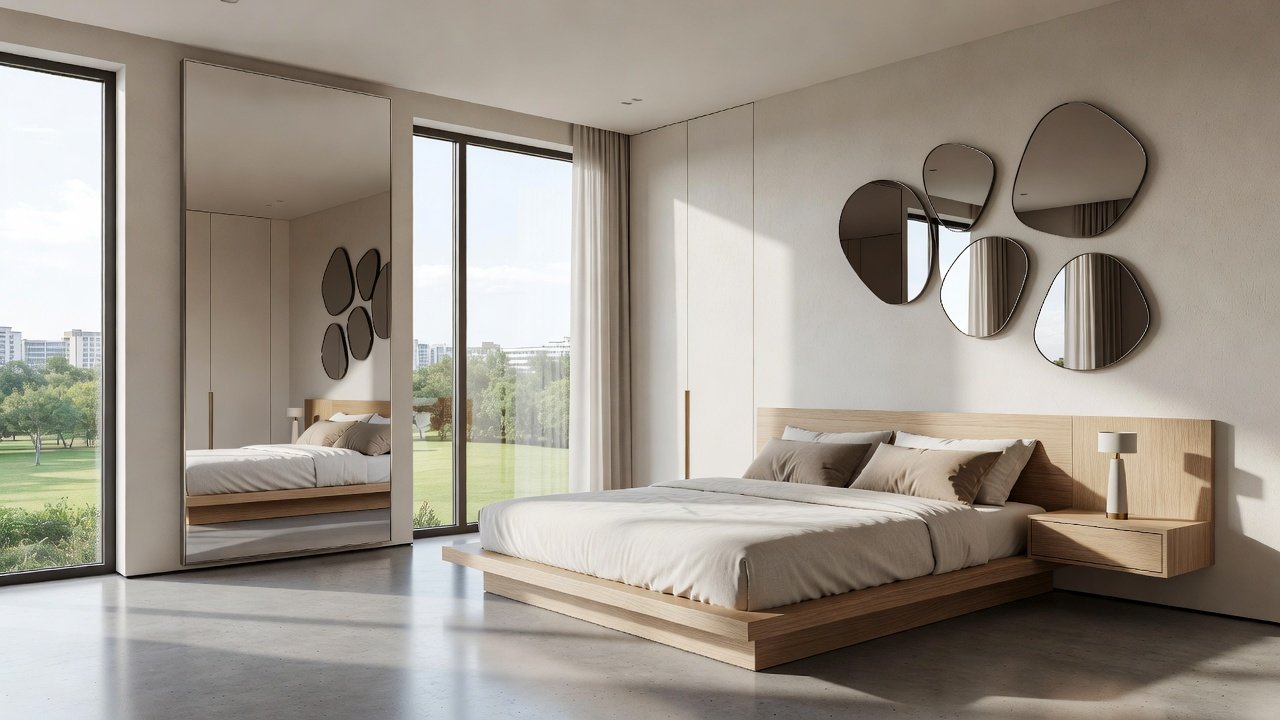
Strategic mirror use can dramatically transform a bedroom, making it feel larger, brighter, and more inviting without major structural changes. In 2026 home upgrades and renovations, mirrors serve as affordable tools for homeowners seeking practical enhancements to light and space. This guide covers mirror types suited for bedrooms, optimal placement techniques, integration with existing furniture, step-by-step installation, and comparisons of framed versus frameless options. Whether refreshing a small guest room or redesigning a master suite, mirrors reflect natural and artificial light to amplify perceived square footage. Before diving into specifics, consider your room's layout, window positions, and current furniture arrangement to ensure every placement decision supports both functionality and visual appeal.
Modern bedroom design in 2026 emphasizes open, airy spaces that promote relaxation and efficiency. Mirrors achieve these goals by manipulating light and perception, turning even modest square footage into something expansive. Homeowners often overlook mirrors during renovations, yet they represent one of the simplest ways to refresh a space while aligning with sustainable practices that reuse existing walls and furniture.
Choosing the Right Mirror Types for Bedrooms
Bedrooms benefit from mirrors that balance functionality with aesthetics. Full-length mirrors work well for dressing areas, while smaller accent mirrors add decorative flair. Wall-mounted options save floor space in compact rooms, and over-the-dresser styles provide everyday utility. Consider reflective surfaces that complement 2026 trends like minimalist frames or integrated LED lighting. Avoid overly ornate designs that clash with modern bedroom design schemes focused on calm, spa-like atmospheres. Floor-standing cheval mirrors offer flexibility for renters or those who like to rearrange frequently, while built-in closet door mirrors maximize utility in tight layouts. When selecting glass thickness, opt for at least 1/4 inch to reduce distortion and ensure longevity through multiple design updates.
Optimal Placement Techniques for Maximum Impact
Place mirrors opposite windows to bounce daylight deeper into the room, creating an illusion of expanded space. Position a large mirror behind a bedside table to reflect bedside lamps and double the visual warmth. In narrow bedrooms, align mirrors along one long wall to elongate the room visually. Experiment with angles: a mirror tilted slightly outward from the wall can capture more light. Avoid placing mirrors directly facing the bed if privacy or restful sleep is a priority, as reflections may feel distracting. For south-facing rooms, position mirrors to capture morning sun and distribute it evenly across the space. In multi-functional bedrooms that double as offices, place a mirror near the workspace to brighten computer areas and reduce eye strain from harsh shadows. Consider the height of the mirror relative to standing and seated positions so reflections enhance daily routines rather than create awkward sightlines.
Framed vs Frameless Mirrors: A Practical Comparison
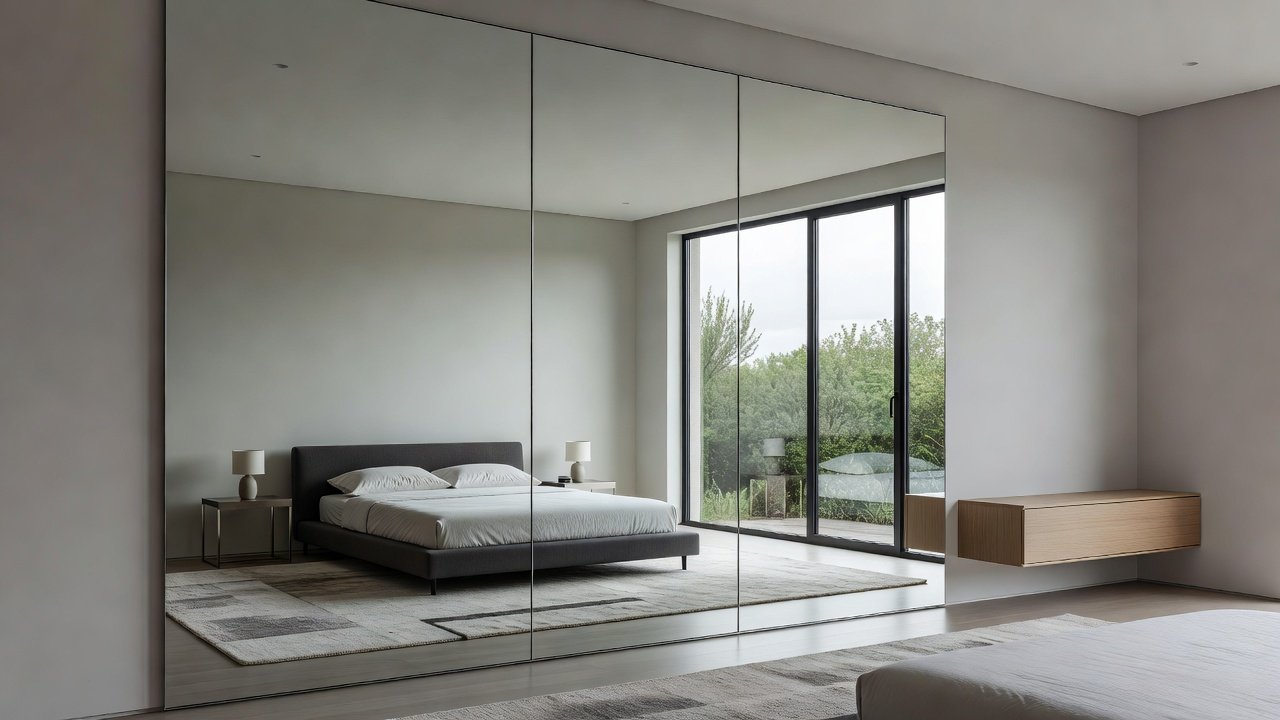
Framed mirrors add character and can tie into existing decor, such as matching wood tones from nightstands or headboards. They suit traditional or transitional bedroom styles. Frameless mirrors offer a sleek, contemporary look that blends seamlessly into minimalist renovations, making rooms appear larger due to uninterrupted reflective surfaces. Frameless options often prove easier to clean and maintain, while framed versions protect edges from chipping. Choose based on your overall home design aesthetic and renovation budget constraints. Framed mirrors can incorporate fabric or metal finishes that echo curtains or lighting fixtures, whereas frameless designs allow the reflection itself to become the focal point. Over time, framed options may require occasional refinishing, while frameless mirrors maintain their clean appearance with simple wiping.
Integrating Mirrors with Existing Furniture
Align mirrors with dressers or vanities for cohesive styling. Mount a mirror above a console table to create a focal point that reflects artwork or plants nearby. In renovated spaces, consider mirrors that echo the lines of your bed frame or wardrobe for visual harmony. Test placements temporarily with painter's tape before permanent installation to ensure the reflection enhances rather than overwhelms the furniture layout. Pair a tall mirror with a low-profile bench to create a layered dressing zone. When working around built-in storage, select mirrors that fit between shelves or above headboards without competing for visual dominance. This integration approach keeps the room feeling organized and thoughtfully planned rather than cluttered with separate elements.
Step-by-Step Installation Advice
- Measure the wall space and mark mounting points with a level for accuracy, double-checking dimensions against the mirror size.
- Select appropriate hardware based on wall type (drywall anchors for hollow walls, masonry screws for concrete) and verify weight capacity ratings.
- Drill pilot holes and secure brackets or clips, ensuring the mirror weight is supported by multiple anchor points where possible.
- Hang the mirror and double-check stability by gently testing movement from various angles.
- Clean the surface thoroughly to remove fingerprints before final positioning and inspect edges for any manufacturing defects.
- Consider adding safety straps or museum-style hanging systems in households with children or pets to prevent tipping.
Always follow manufacturer guidelines and consider professional help for oversized pieces to prevent accidents during 2026 renovation projects. Allow adequate curing time for adhesives if using no-drill methods.
Common Mistakes to Avoid
- Overcrowding walls with too many mirrors, which can create a disjointed, busy appearance.
- Ignoring natural light sources and placing mirrors in dark corners where they provide little benefit.
- Choosing mirrors that are too small for the scale of the room, resulting in minimal visual expansion.
- Failing to account for furniture movement or door swings that could damage the mirror later.
- Neglecting to secure mirrors properly, leading to safety hazards over time.
Before-and-After Examples of Mirror Transformations
A compact bedroom with a single window appeared cramped until a full-length mirror was placed opposite the light source, instantly doubling the sense of depth. Another example involved adding two accent mirrors flanking a headboard, which brightened dark corners and unified the space with surrounding bedding textures. In a larger master suite, a floor-to-ceiling mirror integrated beside the closet transformed a plain wall into a functional dressing area that also reflected garden views from an adjacent window. These changes require minimal investment yet deliver noticeable improvements aligned with current bedroom design priorities.
FAQ: Addressing Common Pitfalls
What size mirror works best in small bedrooms?
Large mirrors (at least 30 inches wide) maximize impact, but multiple smaller ones can achieve similar results when arranged thoughtfully around key light sources.
How do I avoid mirrors creating glare?
Position them away from direct overhead lights and test during different times of day to find optimal angles that diffuse rather than intensify brightness.
Are mirrors suitable for humid bedroom environments?
Opt for moisture-resistant frames or frameless designs with sealed edges to prevent fogging and damage over the long term.
Can mirrors be used in rental bedrooms without permanent changes?
Yes, lean mirrors against walls or use adhesive hooks rated for the mirror's weight, and always confirm with your landlord first.
How often should mirrors be cleaned in a bedroom setting?
Wipe weekly with a microfiber cloth and mild solution to maintain clarity, especially in rooms with high foot traffic or open windows.
What is the best way to combine multiple mirrors?
Group them in odd numbers or symmetrical pairs above furniture pieces to create balanced focal points without overwhelming the space.
Conclusion
Effective mirror placement elevates bedroom design by enhancing light and spaciousness affordably. Apply these strategies during your next renovation to achieve polished, functional results that stand the test of time. For further inspiration on home design, explore resources from Architectural Digest, House Beautiful, and Better Homes & Gardens.
No comments yet. Be the first!