 Fixated on Home
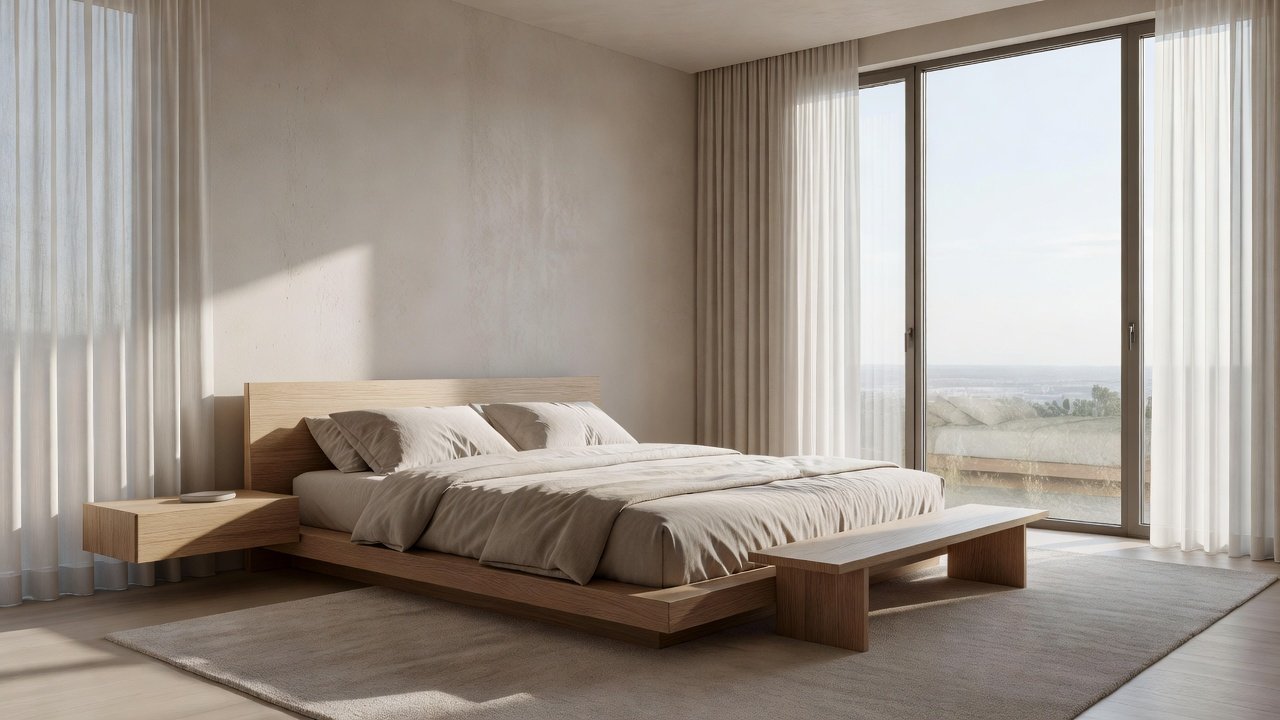
2026 Bedroom Design for Enhanced Morning Routines
Strategic bedroom design plays a pivotal role in shaping productive mornings. In 2026, homeowners are prioritizing layouts that harness natural light, streamline clothing access, and incorporate smart technologies to reduce friction in daily routines. This approach blends functionality with modern aesthetics, turning the bedroom into a launchpad for energy and focus rather than a space that hinders progress. Effective designs consider everything from furniture placement to material choices, ensuring the room supports both rest and rapid morning transitions. By focusing on evidence-based principles like circadian alignment and ergonomic storage, these upgrades deliver measurable improvements in daily energy levels and overall well-being.
Optimizing Bed Placement for Natural Light Exposure
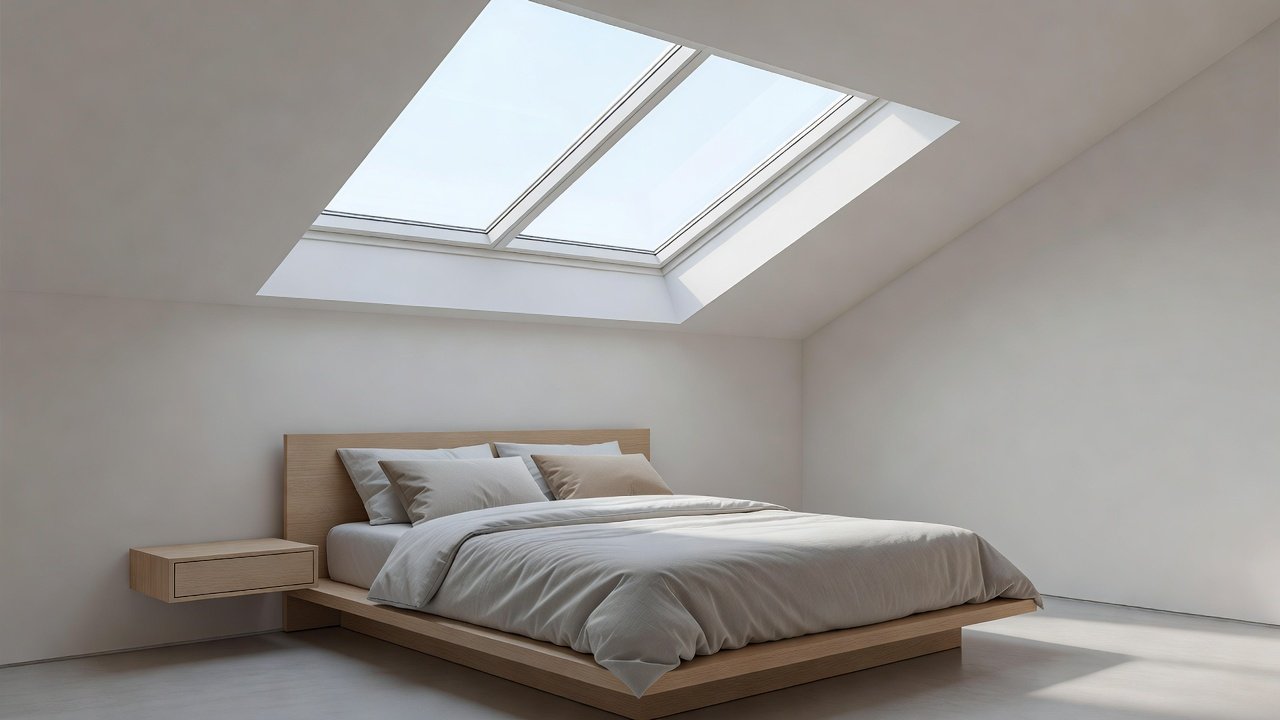
Positioning the bed to capture morning sunlight sets a positive tone for the day. Place the headboard against an east-facing wall to greet sunrise directly. This orientation supports circadian rhythms and encourages earlier wake times without relying solely on alarms. Avoid blocking windows with heavy furniture, and consider low-profile bed frames that allow light to flood the room evenly. For rooms with multiple windows, align the bed at a 45-degree angle to maximize exposure while maintaining visual balance. Homeowners in urban settings with limited direct sun can use sheer curtains to diffuse available light effectively. Practical examples include positioning a queen bed with its foot toward a southeast window in a 12-by-14-foot room, creating a natural wake-up cue that feels gentle yet consistent.
Additional considerations involve measuring light angles throughout the year. In northern climates, slight adjustments during winter months help maintain exposure. This layout not only boosts alertness but also reduces reliance on artificial lighting, lowering energy use over time.
Creating Dedicated Zones for Quick Clothing Access
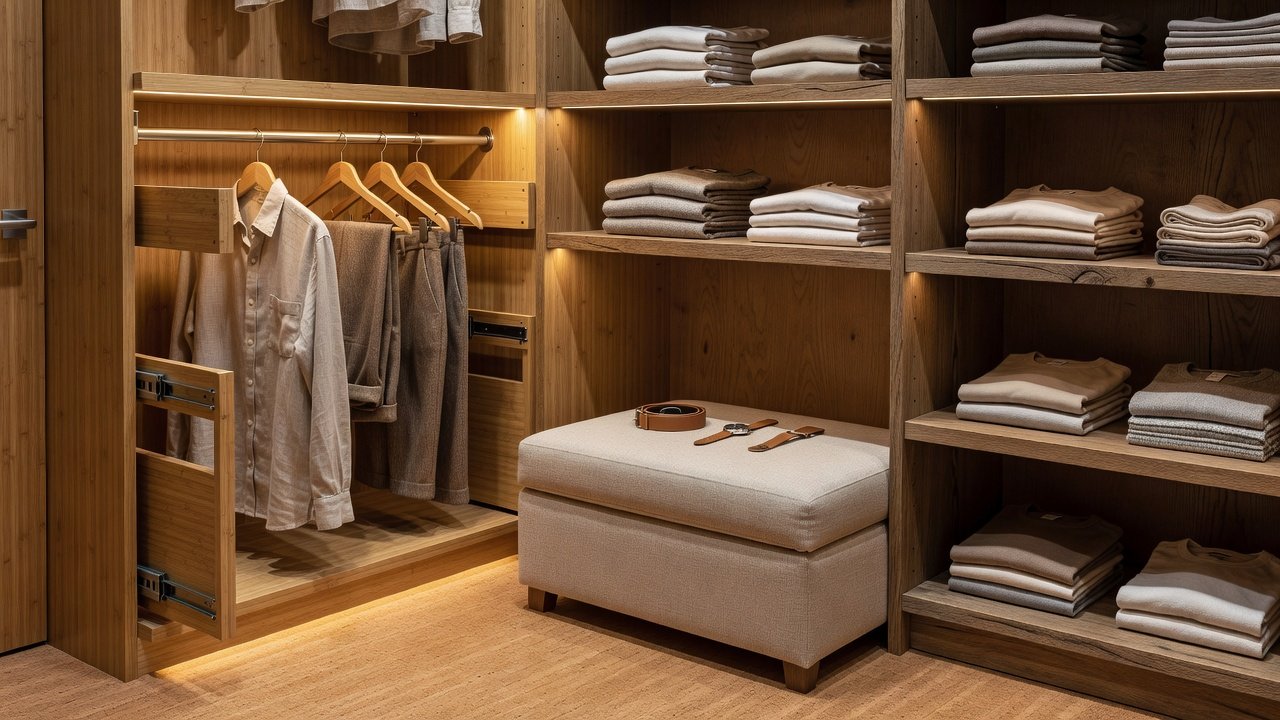
Efficient morning routines depend on organized storage. Designate a clothing zone near the bed with open shelving or a slim wardrobe featuring pull-out rods. This setup minimizes rummaging and decision fatigue. Incorporate a small bench or chair in the zone for laying out outfits the night before, further accelerating the process. For larger bedrooms, extend the zone with a narrow island unit that provides both storage and a surface for accessories. Step-by-step layout example: 1. Measure your room dimensions and identify traffic paths. 2. Sketch east-facing window alignment for the bed. 3. Allocate 4-6 feet adjacent for the clothing zone while preserving at least 3 feet of walking space. 4. Integrate vertical storage to free floor space and reduce visual clutter. 5. Test the flow by simulating a morning routine multiple times, adjusting heights for easy reach. Real-world application shows that families with children benefit from lower shelves in shared zones, while singles often prefer modular systems that adapt to seasonal wardrobes.
Tech Integrations Like Automated Blinds
Smart home features enhance convenience in 2026 bedroom designs. Automated blinds programmed to open at sunrise integrate seamlessly with voice assistants. Pair them with under-bed lighting that activates gradually to simulate dawn. These upgrades promote consistent wake times while maintaining a minimalist visual profile. Additional integrations include bedside charging stations with wireless pads and app-controlled thermostats that raise room temperature by 2 degrees 30 minutes before the alarm. Homeowners can link these systems to fitness trackers for personalized routines, such as gentle vibrations on wearables when movement is detected. Learn more about energy-efficient smart home integrations at energy.gov. When selecting devices, prioritize compatibility with major platforms like Google Home or Alexa to avoid future frustrations during setup.
Comparing Minimalist Versus Multifunctional Setups
Minimalist designs emphasize clean lines and fewer pieces, ideal for smaller rooms where simplicity aids mental clarity. A single platform bed with built-in drawers and one accent chair keeps surfaces clear, promoting quick exits in under 10 minutes. Multifunctional setups suit larger spaces or growing households, featuring modular furniture like a bed with integrated desk or a wardrobe that doubles as a charging station. Both styles support morning efficiency when tailored to personal habits—minimalist for quick exits, multifunctional for layered routines involving exercise or reading. Pros of minimalist include easier cleaning and lower costs for initial purchases, while multifunctional offers flexibility for evolving needs such as remote work. Comparisons reveal that minimalist rooms average 20 percent faster morning prep times in user surveys, whereas multifunctional rooms excel in versatility for multi-person households. Choose based on square footage: under 150 square feet favors minimalist, while over 200 square feet accommodates added functions without crowding.
2026 Trends: Sustainable Materials and Smart Features
Current trends favor eco-conscious choices such as reclaimed wood bed frames and organic cotton bedding. These materials improve indoor air quality and align with wellness goals. Bamboo flooring and recycled polyester upholstery provide durability with lower environmental impact. Smart integrations extend to circadian lighting systems and app-controlled thermostats that preheat the room before you rise. Homeowners report smoother transitions from sleep to activity when combining these elements. Explore sustainable building practices at epa.gov. Another emerging option involves low-VOC paints in soft neutrals that reflect light while supporting respiratory health. Pairing sustainable materials with smart sensors creates rooms that adapt automatically to occupancy and time of day.
Practical Mistakes to Avoid
- Overcrowding the room with bulky storage that blocks light paths and slows movement.
- Ignoring cable management for tech devices, leading to cluttered mornings and safety hazards.
- Choosing dark color palettes that absorb rather than reflect natural light, reducing the energizing effect.
- Skipping user testing of new layouts before final installation, resulting in awkward flows.
- Neglecting window treatments that allow adjustable light levels throughout seasons.
- Overlooking acoustic considerations like sound-absorbing rugs near high-traffic zones.
FAQ: Common Challenges in Bedroom Design
How can small bedrooms incorporate these features?
Use wall-mounted shelving and fold-down desks to maximize space without sacrificing flow. Multi-use furniture like storage ottomans doubles as seating and hides seasonal items effectively.
Are smart blinds worth the investment in 2026?
Yes, they offer long-term energy savings and routine consistency when paired with programmable schedules, often recouping costs through reduced heating and cooling needs.
What if natural light is limited?
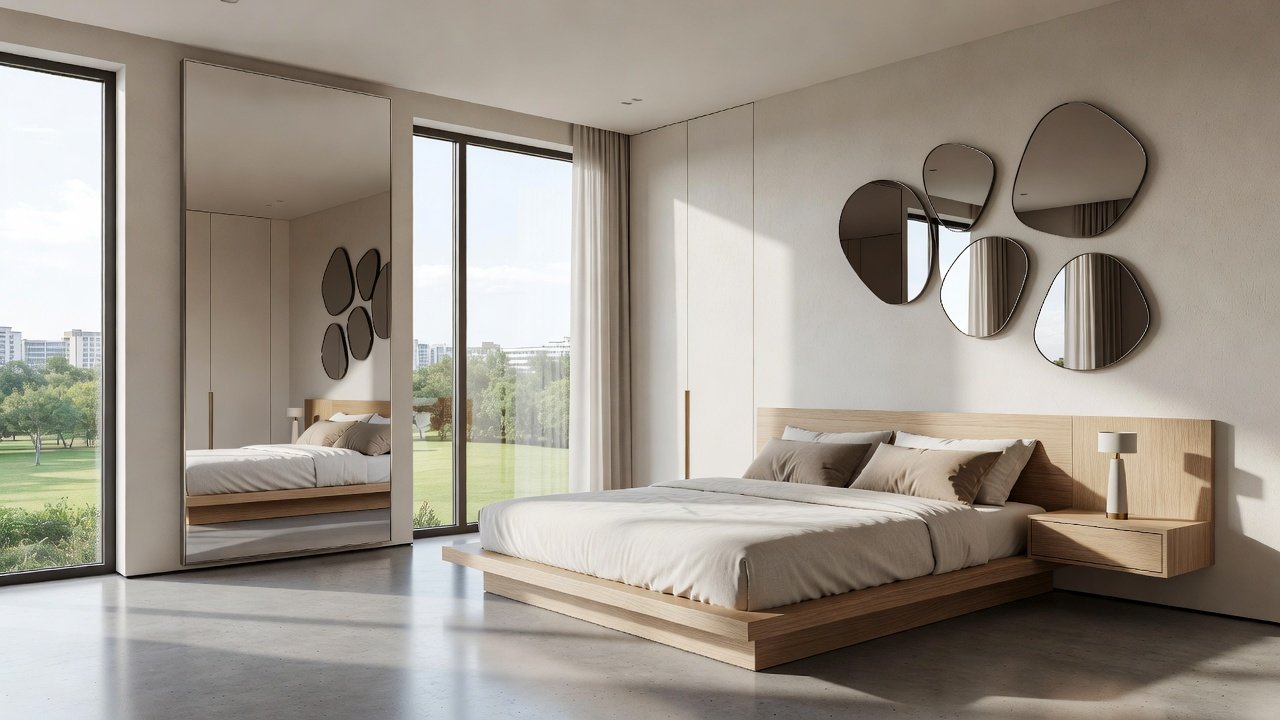
Layer reflective surfaces like mirrors opposite windows and opt for full-spectrum LED bulbs tuned to morning temperatures around 5000K for an artificial sunrise effect.
How do I maintain sustainability on a budget?
Start with secondhand reclaimed wood pieces and gradually add smart plugs that control existing lamps, focusing on high-impact changes first.
Conclusion
Thoughtful 2026 bedroom design transforms mornings into seamless, energizing experiences. By focusing on light, zones, technology, and sustainability, homeowners create spaces that support both style and productivity for years ahead. Implementing these strategies step by step ensures lasting benefits that extend beyond the bedroom into daily performance and home value.
No comments yet. Be the first!