 Fixated on Home
Introduction to Skylights in Modern Bedroom Design
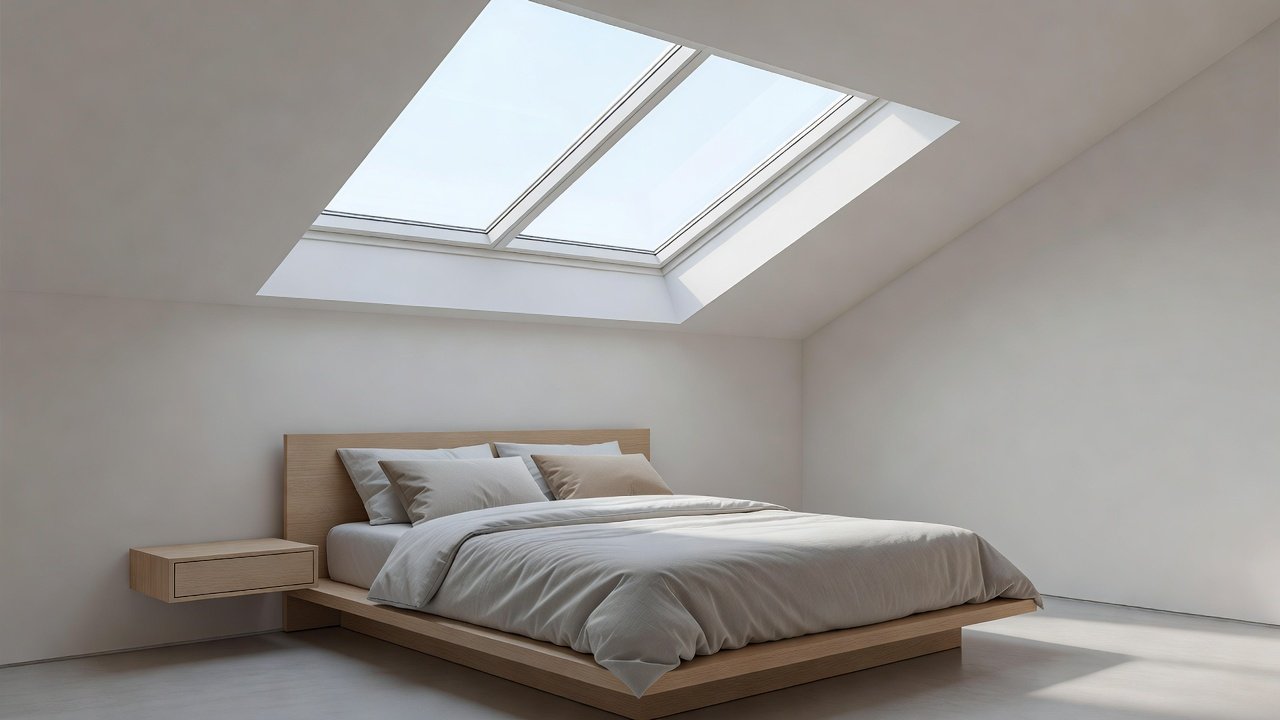
Adding a skylight transforms bedroom design by flooding spaces with natural light, creating an airy and inviting atmosphere. In 2026, homeowners pursuing renovation ideas for modern home upgrades are increasingly choosing skylights to enhance comfort and energy performance. This comprehensive guide explores planning, structural needs, energy-efficient options, and the full installation process tailored to contemporary bedroom aesthetics. Skylights align perfectly with trends emphasizing sustainability and open, light-filled interiors. Whether refreshing an existing layout or integrating during ceiling renovations, they offer dramatic before-and-after results that boost both mood and property value. Natural light has been shown to improve sleep quality and reduce reliance on artificial lighting, making skylights a smart choice for forward-thinking bedroom renovations.
Benefits of Natural Light for Bedroom Design
Beyond aesthetics, skylights support wellness by regulating circadian rhythms through daylight exposure. In modern home upgrades, this translates to bedrooms that feel more spacious and calming. Studies link consistent natural light to better focus and lower stress levels during daytime hours. For 2026 bedroom design trends, incorporating skylights pairs well with neutral palettes, textured fabrics, and biophilic elements like indoor plants. Homeowners report that rooms previously reliant on lamps now enjoy balanced illumination from dawn to dusk, reducing electricity costs while elevating the overall renovation outcome.
Planning Your Skylight Project for 2026 Bedroom Upgrades
Successful skylight installation begins with thorough planning. Assess your bedroom's orientation to maximize sunlight while minimizing heat gain. South-facing placements often work best in northern climates for consistent illumination, while east-facing options suit morning routines. Consider roof pitch, existing insulation levels, and proximity to electrical wiring for potential smart controls or automated shades. Review local building codes early, as permits are typically required for any roof penetration. Consult a structural engineer to verify roof load capacity, especially in older homes undergoing modern upgrades. Factor in how the skylight will complement other renovation ideas like built-in storage, recessed lighting, or minimalist furniture arrangements. Measure twice to ensure the unit fits proportionally without overwhelming the ceiling plane.
Explore certified skylight options and energy ratings on the ENERGY STAR website.
Selecting Energy-Efficient Skylights
Energy-efficient models feature low-E glass, argon gas fills, and thermally broken frames to reduce heating and cooling demands. Look for products rated by ENERGY STAR or equivalent programs. These options support 2026 sustainability goals in bedroom design by lowering utility usage year-round. Compare fixed versus vented skylights: vented units improve airflow and are ideal for humid regions or rooms needing extra ventilation. Tubular daylighting devices provide a cost-effective alternative for smaller spaces while delivering targeted light beams. Consider glazing options such as tempered or laminated glass for safety and UV protection. In 2026 trends, integrated solar-powered shades or smart sensors are gaining popularity for hands-free operation. Always verify compatibility with your roof type and local climate data before purchase.
Cost Comparisons for Skylight Renovations
Budgeting requires evaluating material quality, size, and labor. Premium energy-efficient skylights generally cost more upfront but deliver long-term savings through reduced energy consumption. Installation expenses vary by roof complexity and whether the project coincides with broader ceiling renovations. Homeowners should obtain multiple quotes from licensed contractors experienced in modern home upgrades. Qualitative factors like warranty length and after-sales support often outweigh initial differences between mid-range and high-end models.
Step-by-Step Skylight Installation Process
Professional installation ensures safety and performance. The process typically includes these detailed phases:
- Marking the precise roof opening location from inside the bedroom using templates and laser levels for accuracy.
- Removing roofing materials carefully to avoid damaging surrounding shingles or tiles, followed by cutting the structural opening with appropriate tools.
- Framing the curb with pressure-treated lumber and installing high-quality flashing systems for complete waterproofing.
- Securing the skylight unit, applying sealants rated for extreme weather, and testing for leaks before interior work begins.
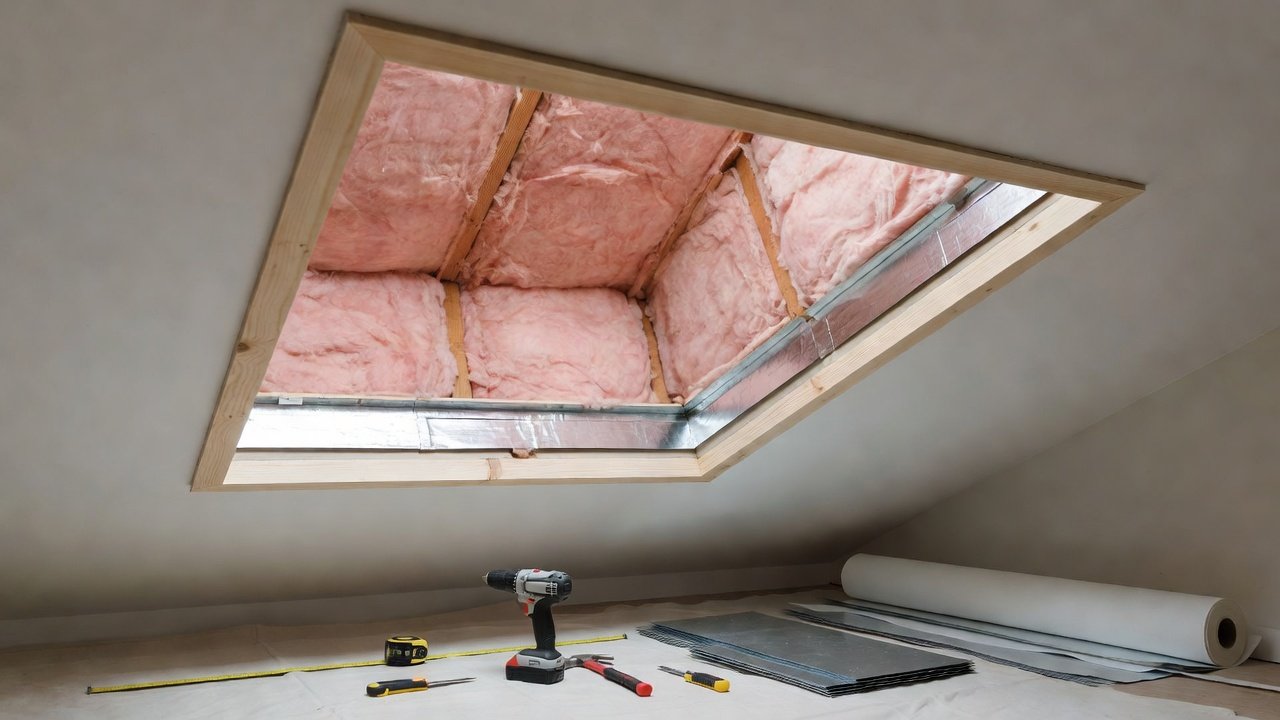
- Finishing interior trim, integrating insulation, and coordinating with ceiling renovations for a seamless appearance.
Always work with certified installers to avoid common issues like improper sealing that could lead to future problems.
Integrating Skylights with Ceiling Renovations
Timing skylight work with ceiling updates creates seamless results. During drywall repairs or new tray ceiling construction, route wiring for automated shades or sensors. This approach minimizes disruption and produces polished bedroom designs that feel cohesive and contemporary. Expanded examples include pairing skylights with cove lighting or acoustic panels to balance brightness and sound control in master suites.
Maintenance Tips to Prevent Leaks and Insulation Problems
Regular care keeps skylights performing optimally. Inspect seals twice yearly for wear, clean glass surfaces with non-abrasive solutions, and trim nearby tree branches that could cause debris buildup. Proper insulation around the frame prevents condensation and drafts. Addressing minor issues promptly avoids costly repairs later. In regions with heavy snowfall, consider models with built-in heating elements to keep surfaces clear.
Before-and-After Scenarios and Real-World Examples
Consider a compact urban bedroom that felt cramped and dim before renovation. After installing a large fixed skylight alongside fresh paint and new flooring, the space appeared twice as large and welcoming, with morning light creating a serene wake-up environment. Another case involved a vaulted ceiling renovation where multiple skylights created a spa-like atmosphere aligned with 2026 trends, turning a dated guest room into a bright, Airbnb-ready retreat. A third example from a coastal home showed how vented skylights improved airflow, reducing humidity issues common in humid climates while enhancing the bedroom's connection to outdoor views.
Common Pitfalls and How to Avoid Them
Leaks often stem from inadequate flashing or poor roof integration. Insulation gaps lead to energy loss and discomfort. Always verify manufacturer specifications and hire experienced professionals familiar with current building standards. Poor placement can also result in glare on screens or beds, so test light patterns during planning.
FAQ
Will a skylight make my bedroom too hot in summer?
Choose low-E, argon-filled units and add motorized shades for control. Proper orientation and ventilation minimize heat buildup while maintaining brightness.
How long does installation typically take?
Most residential projects complete in one to three days when coordinated with ceiling work, though complex roofs may require additional time.
Can I install a skylight myself?
DIY is possible for experienced renovators with roofing skills, but professional installation is recommended to maintain warranties and prevent leaks.
What maintenance is needed after the first year?
Annual inspections of seals, cleaning, and checking for condensation ensure longevity and performance.
Do skylights affect home insurance rates?
Properly installed units often have neutral or positive impacts; consult your insurer about any specific requirements for coverage.
Conclusion
Skylights represent a powerful modern home upgrade that elevates bedroom design through natural light and style. By following this guide's planning, selection, installation, and maintenance advice, homeowners can achieve stunning, energy-efficient results in 2026 and beyond, creating spaces that feel brighter, healthier, and more valuable.
No comments yet. Be the first!