 Fixated on Home
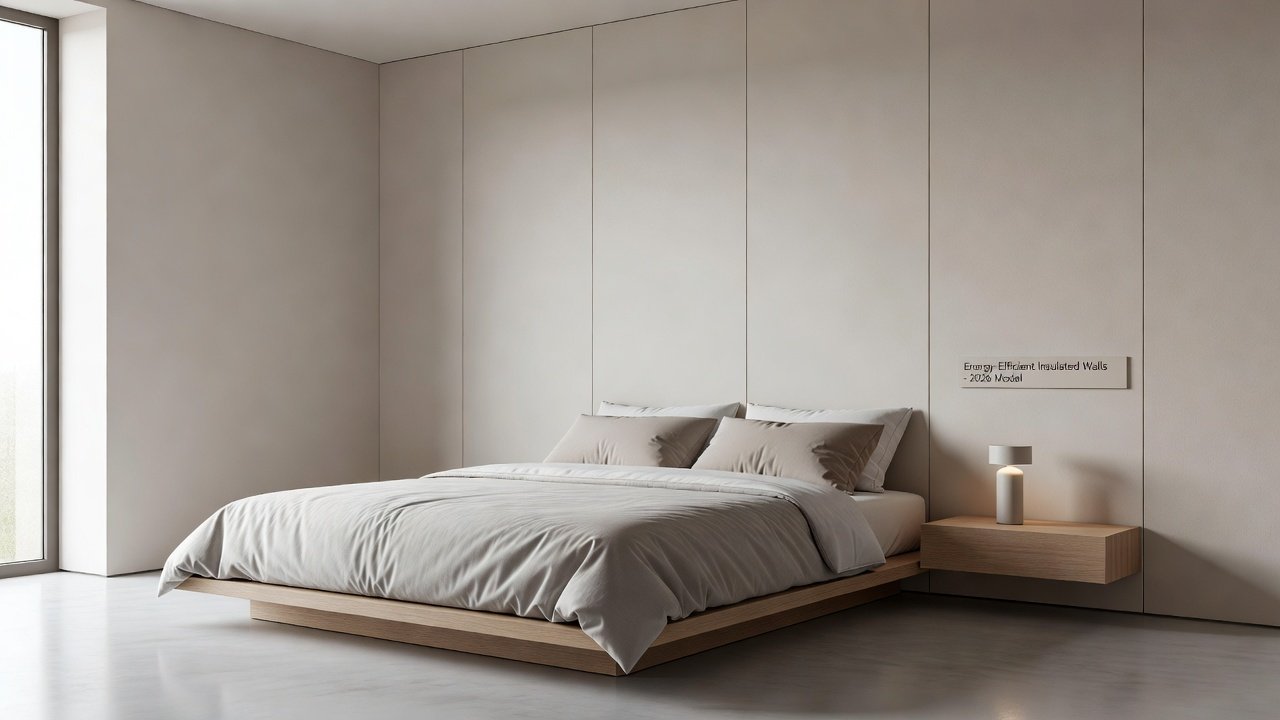
Introduction to Energy-Efficient Bedroom Insulation
Upgrading insulation in bedrooms is one of the most effective ways to enhance comfort and reduce energy use in modern homes. In 2026, homeowners are focusing on sustainable materials that deliver superior thermal performance while aligning with contemporary bedroom design aesthetics. This guide covers proven techniques tailored for bedrooms, helping you achieve year-round temperature stability and lower utility demands. Bedrooms represent a critical area for insulation upgrades because they are typically occupied for extended periods, often during nighttime hours when heating or cooling systems work hardest to maintain ideal conditions.
Proper insulation minimizes heat transfer through walls, ceilings, and floors. Bedrooms benefit especially because they are often occupied during peak heating and cooling hours. By selecting the right materials and following correct installation practices, you can create a quieter, more comfortable space that supports better sleep and overall well-being. Modern homes built or renovated in 2026 increasingly incorporate smart technologies, and well-insulated bedrooms complement these systems by reducing the workload on HVAC units. Homeowners seeking both aesthetic updates and functional improvements find that insulation projects fit seamlessly into larger bedroom design renovations.
Common Insulation Types for Modern Bedrooms
Two popular options stand out for bedroom applications: spray foam and rigid foam panels. Each offers distinct advantages in thermal resistance, moisture control, and ease of integration into existing structures. Understanding the characteristics of each type allows homeowners to match materials to their specific climate, home construction, and design preferences.
Spray Foam Insulation
Spray foam expands on application to fill gaps completely, providing an airtight seal. Closed-cell spray foam adds structural strength and excellent moisture resistance, making it ideal for bedrooms in humid climates. Open-cell varieties are more affordable and offer good sound dampening, which improves bedroom tranquility. Spray foam also resists mold growth and pests when properly applied, contributing to healthier indoor environments over time.
Rigid Foam Panels
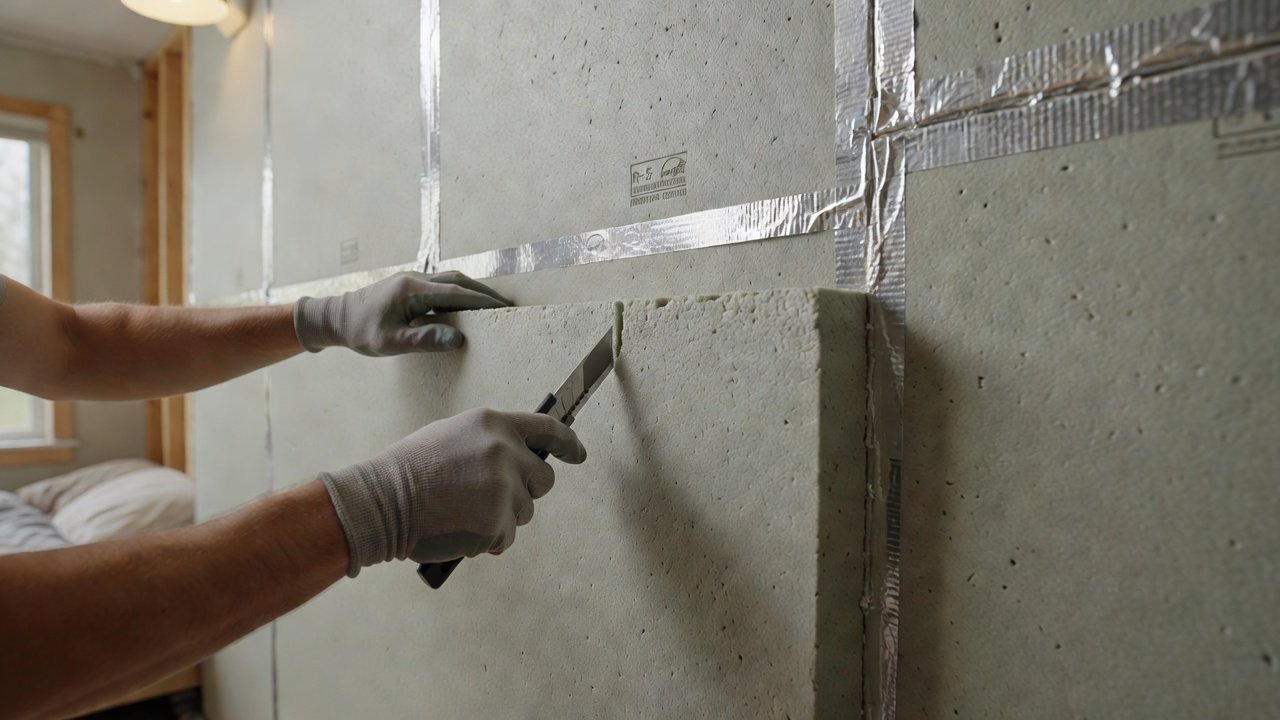
Rigid panels, such as polystyrene or polyisocyanurate boards, deliver high R-values in a thin profile. They are easy to cut and install over existing walls or in new construction. These panels pair well with modern bedroom designs because they can be covered seamlessly with drywall or decorative finishes. Rigid panels are particularly effective at creating continuous insulation layers that minimize thermal bridging through studs and joists.
For authoritative guidance on insulation performance ratings, consult resources from U.S. Department of Energy.
Step-by-Step Installation Processes
Successful installation requires careful preparation and safety measures. Always wear protective gear and ensure proper ventilation during work. The process can vary slightly depending on whether you are working with new construction or retrofitting an existing bedroom.
- Assess the space: Measure walls, ceilings, and any exposed cavities in the bedroom. Identify air leaks around windows, outlets, and baseboards. Use a thermal camera or smoke pencil to locate hidden drafts that may not be visible to the naked eye.
- Prepare surfaces: Clean areas thoroughly and repair any damage. For existing homes, remove old insulation if it is degraded or contaminated. Ensure framing is sound before proceeding.
- Install vapor barriers if needed: In cold climates, add barriers on the warm side of the insulation to prevent condensation. This step is crucial for maintaining long-term material integrity and indoor air quality.
- Apply or place materials: For spray foam, hire professionals for even coverage and to avoid over-expansion issues. For rigid panels, secure boards with adhesive or mechanical fasteners, then seal edges with high-quality tape designed for insulation applications.
- Finish the surface: Cover with drywall, add trim, and integrate with your bedroom design elements like accent walls or built-ins. Test for any remaining air leaks before final finishing.
Material Comparisons for Thermal Performance
When comparing options, evaluate R-value per inch, cost-effectiveness over time, and environmental impact. Spray foam typically achieves higher R-values and better air sealing than traditional batts. Rigid panels excel in continuous insulation applications, reducing thermal bridging in modern framed homes. Homeowners should also consider factors such as fire resistance ratings, ease of future modifications, and compatibility with other energy-saving features like smart thermostats.
Key factors include fire resistance, pest deterrence, and compatibility with smart home upgrades like automated climate controls. Homeowners often combine both materials for optimal results in master suites or guest rooms. For instance, using rigid panels on exterior walls and spray foam in attic spaces above bedrooms can create a comprehensive thermal envelope. Detailed performance data and testing standards are maintained by organizations focused on building science.
Real-Home Examples and Practical Tips
Consider a typical suburban home where upgrading bedroom insulation led to noticeable comfort improvements without major structural changes. In one case, a 1980s ranch-style house received closed-cell spray foam in two bedrooms, resulting in more stable nighttime temperatures and reduced noise from outside. Focus first on north-facing walls and ceilings to maximize impact. Integrate insulation upgrades during other bedroom renovations to minimize disruption to daily life.
Avoid common mistakes such as compressing materials or leaving gaps, which reduce effectiveness. Always check local building codes for minimum R-value requirements in your region. Additional practical advice includes selecting materials with low volatile organic compound emissions and planning the project during milder weather to allow for proper curing times.
Benefits Beyond Energy Savings
Energy-efficient bedroom insulation delivers advantages that extend past utility bill reductions. Improved soundproofing creates a more restful environment, which is especially valuable in urban or multi-story homes. Better moisture control helps prevent mold and mildew, supporting respiratory health for occupants. In 2026 modern homes, these upgrades also contribute to higher property values and easier compliance with evolving energy efficiency standards.
Short FAQ on ROI and Permits
What is the typical return on investment?
Energy savings accumulate over time through reduced heating and cooling needs. Many homeowners report payback within several years when combining insulation with other efficiency measures. Factors such as local climate, existing insulation levels, and system efficiency influence the exact timeline.
Do I need permits for insulation work?
Permits are often required for major renovations. Contact your local building department early to confirm requirements and ensure compliance with 2026 energy codes. Professional installers can often assist with permit applications as part of their service.
How does insulation affect indoor air quality?
Quality materials improve air quality by reducing drafts and allergens. Choose low-VOC options certified for residential use. Proper installation also helps maintain balanced humidity levels throughout the bedroom.
Can I install insulation myself or should I hire professionals?
While some rigid panel projects may be suitable for experienced DIYers, spray foam applications generally require trained professionals due to equipment and safety considerations. Assess your skill level and the scope of work before deciding.
Additional details on energy efficiency programs are available from ENERGY STAR and the U.S. Environmental Protection Agency.
Conclusion
Investing in energy-efficient bedroom insulation techniques prepares your home for 2026 standards while enhancing daily comfort. By understanding material options, following structured installation steps, and planning for long-term benefits, you can achieve meaningful results that support both modern design goals and sustainability. Start with a thorough assessment of your current bedroom conditions to identify the most impactful upgrades.


No comments yet. Be the first!