 Fixated on Home
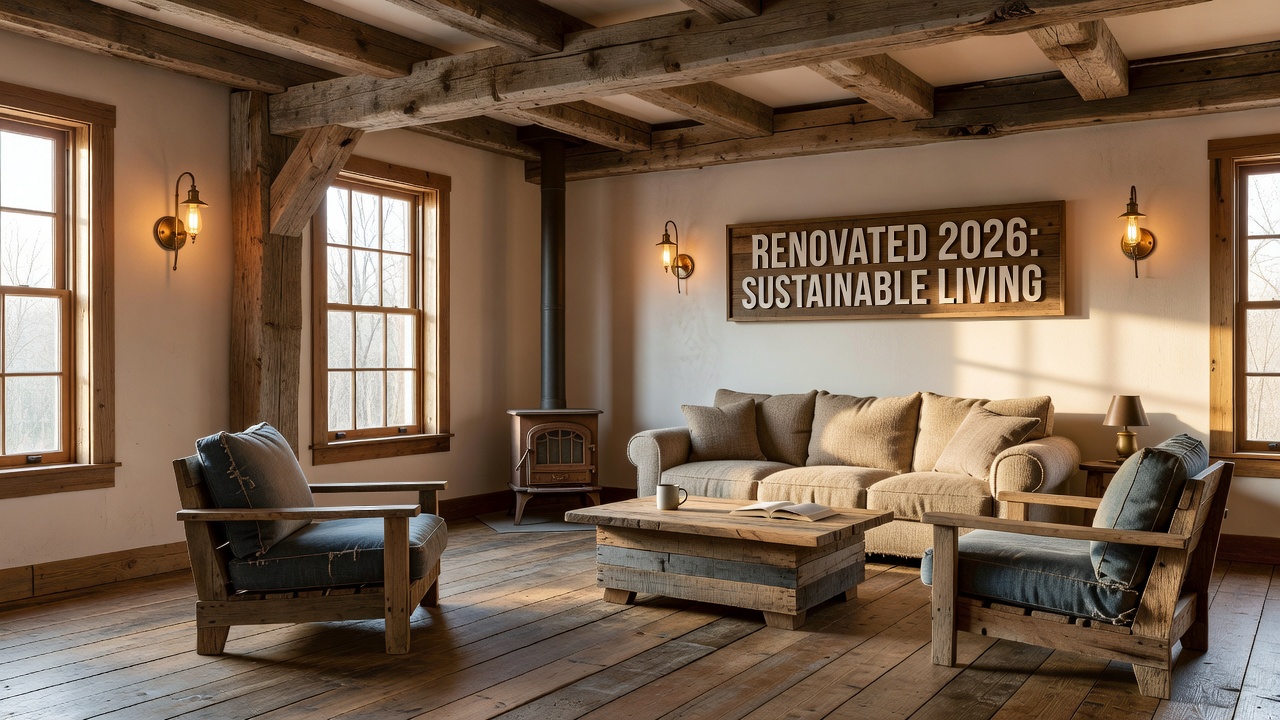
Transforming Fixer-Uppers with Reclaimed Materials in 2026
Homeowners tackling fixer-uppers often seek affordable ways to add character while staying eco-conscious. Reclaimed materials offer a perfect solution, blending history with modern sustainability. This approach reduces waste and delivers unique aesthetics that new materials simply cannot match. In this guide, we dive deep into practical strategies for sourcing, using, and installing these treasures in your renovation projects. Whether you are updating a kitchen, refreshing a bathroom, or revitalizing an entire living space, reclaimed options provide both visual interest and environmental benefits that align with current homeowner priorities.
Why Reclaimed Materials Shine for Budget Renovations
Reclaimed wood, fixtures, and hardware bring instant patina and story to spaces. They align perfectly with 2026 trends emphasizing circular economies and reduced environmental impact. Unlike virgin lumber or mass-produced items, these materials often require minimal processing, cutting both costs and carbon footprints. Homeowners report higher satisfaction with the distinctive look achieved through thoughtful reuse. Beyond aesthetics, using reclaimed elements supports local economies by diverting materials from demolition sites and giving them new life in residential settings. This method also helps avoid the high energy consumption associated with manufacturing fresh building supplies.
Key Benefits at a Glance
- Lower material expenses compared to premium new alternatives
- Reduced landfill contributions through material reuse
- Enhanced home value via authentic architectural details
- Support for local salvage networks and small businesses
- Improved indoor environments when properly treated and sealed
Sourcing Tips for Wood, Fixtures, and Hardware
Successful projects begin with smart sourcing. Start locally by visiting architectural salvage yards, demolition sites, and online marketplaces dedicated to reclaimed goods. For wood, prioritize species like oak or pine from old barns and factories. Inspect for structural integrity, checking moisture levels and checking for pests before purchase. Look for boards with consistent thickness and minimal rot to simplify installation later.
Fixtures such as vintage sinks, lighting, and doors can be found through estate sales or specialized dealers. Hardware like hinges, knobs, and brackets often appears at flea markets or restoration shops. Always verify compatibility with modern building codes, especially for plumbing and electrical components. Consider joining community forums or local reuse groups to discover upcoming demolition opportunities where materials can be claimed at little or no cost.
EPA guidelines on sustainable material reuse provide excellent starting frameworks for responsible sourcing practices. When sourcing larger quantities, measure your project needs in advance and bring a tape measure and flashlight to evaluate pieces on site. This preparation prevents overbuying or selecting unsuitable items that may require costly modifications.
Step-by-Step Installation Guides
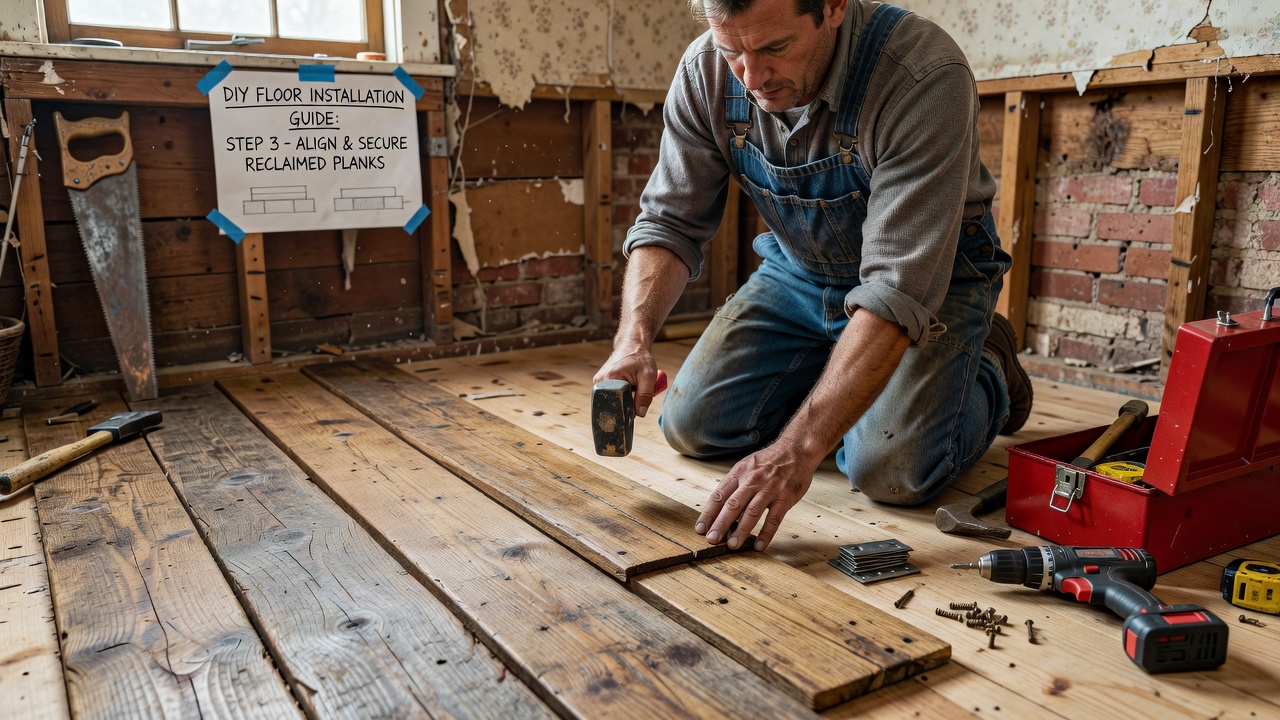
Once materials are acquired, proper installation ensures longevity and safety. Begin with thorough cleaning and treatment. For reclaimed wood flooring, acclimate planks indoors for several days to prevent warping. Separate the process by material type to maintain control and achieve professional results.
Installing Reclaimed Wood Features
- Measure and plan layout carefully, accounting for imperfections in reclaimed pieces.
- Secure subfloors or walls with appropriate fasteners designed for aged materials.
- Apply protective finishes like low-VOC sealants to enhance durability.
- Sand lightly between coats for a smooth surface ready for daily use.
Restoring and Mounting Fixtures
Fixtures demand extra attention to function and code compliance. Test all electrical components before hanging lights or installing switches. For plumbing pieces, replace any worn gaskets or valves with modern equivalents while keeping the visible exterior original. Always wear protective gear during cutting and sanding to manage dust from older woods that may contain lead or other residues.
Cost Comparisons Versus New Materials
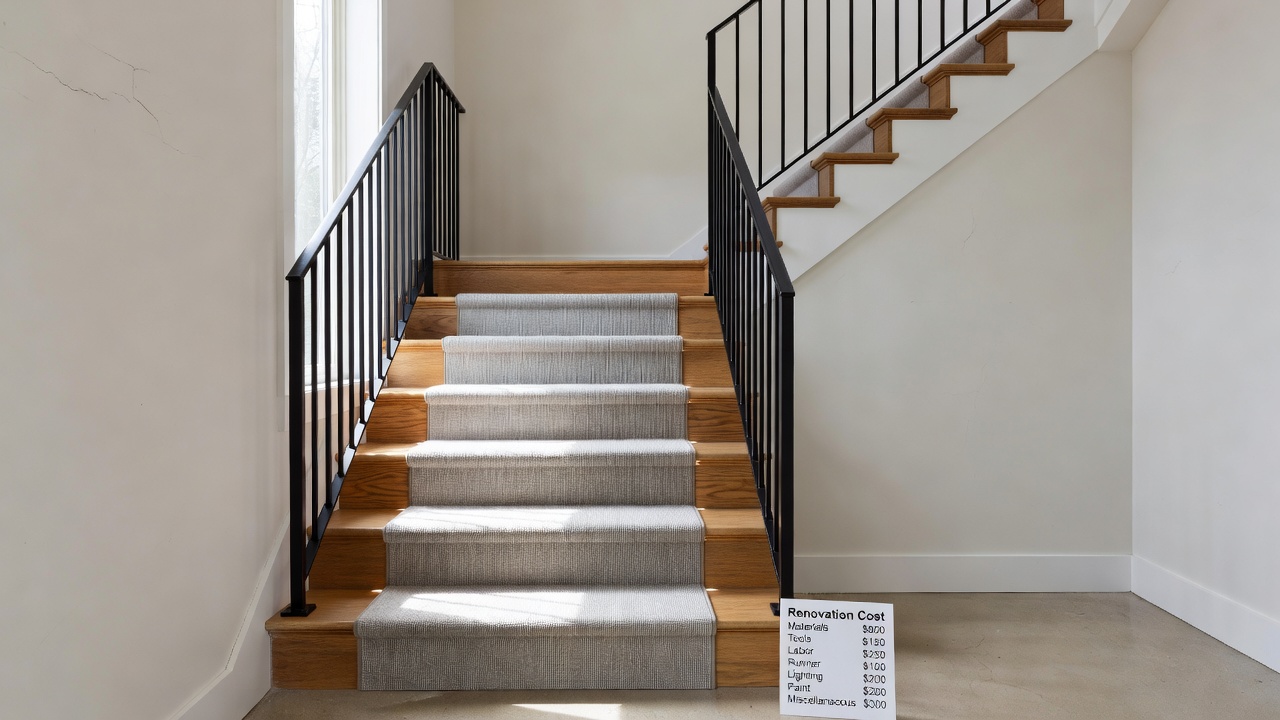
Reclaimed options frequently deliver superior value. While exact pricing varies by region and availability, homeowners consistently find reclaimed wood flooring and beams cost less than equivalent new premium grades. The savings compound when factoring in reduced disposal fees and the unique appeal that can increase resale interest. Focus on long-term quality rather than upfront sticker prices. In many cases, the character added by reclaimed pieces eliminates the need for additional decorative elements, further stretching renovation budgets.
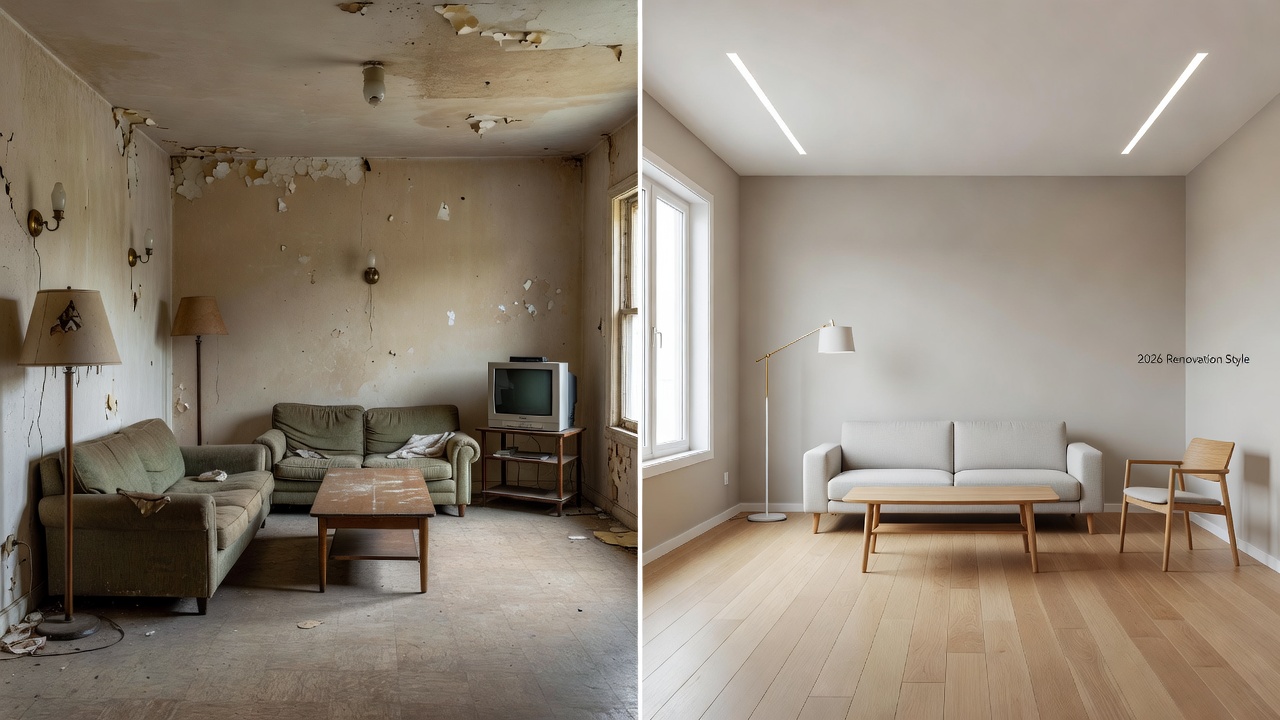
Before-and-After Examples
Consider a 1950s kitchen transformed by installing reclaimed barn wood on the ceiling and vintage hardware on cabinets. The result shifts a dated space into a warm, character-filled heart of the home. Another example involves a living room where salvaged doors become a stunning feature wall, paired with restored light fixtures that add period charm without high expense. A third project saw an entryway updated with reclaimed hardwood stairs and original iron railings, creating an inviting transition that impressed visitors and boosted curb appeal. These transformations demonstrate how thoughtful material choices turn ordinary fixer-uppers into standout properties.
Remodeling Tips for Common Challenges
Matching styles requires careful curation. Blend reclaimed elements with existing architecture by selecting pieces that echo original details in your home. For safety, consult professionals when dealing with load-bearing structures or outdated wiring in fixtures. Ensure proper ventilation during refinishing to protect indoor air quality. Test reclaimed wood for stability, especially in moisture-prone areas like bathrooms or kitchens. When styles clash, use transitional pieces such as neutral paint colors or complementary trim to unify the design.
Common Mistakes to Avoid
Many first-time users overlook key details that lead to setbacks. Avoid skipping moisture testing on wood, which can cause future buckling. Do not assume all salvaged fixtures meet current electrical standards without inspection. Another frequent error is underestimating the time needed for cleaning and preparing materials, which can delay projects. Always budget extra for potential custom milling or minor repairs to keep timelines realistic.
FAQ on Permits and Long-Term Durability
Do I need permits for using reclaimed materials?
Many projects involving structural changes require permits. Check with your local building department before starting, as codes may govern material standards regardless of origin.
How durable are reclaimed materials over time?
With proper preparation and maintenance, reclaimed wood and fixtures can last decades. Regular sealing and inspections help maintain integrity, often outperforming expectations when sourced from quality origins.
Are there hidden costs with reclaimed projects?
Potential extras include treatment for pests or custom fabrication. Planning ahead and inspecting thoroughly minimizes surprises and keeps budgets on track.
What about long-term maintenance requirements?
Reclaimed surfaces benefit from periodic re-sealing every few years and prompt attention to any scratches or moisture exposure. This routine care preserves both appearance and structural strength.
Energy Department resources on home efficiency can further inform choices that pair well with sustainable materials. Additional guidance on historic building practices appears through established preservation networks that emphasize compatible repairs.
Conclusion
Reclaimed materials empower homeowners to create meaningful, budget-conscious renovations that honor both history and the planet. By following these sourcing, installation, and troubleshooting strategies, your 2026 fixer-upper can achieve standout results full of character and lasting value. Start small with one feature project to build confidence, then expand as you gain experience with these versatile resources.
No comments yet. Be the first!