 Fixated on Home
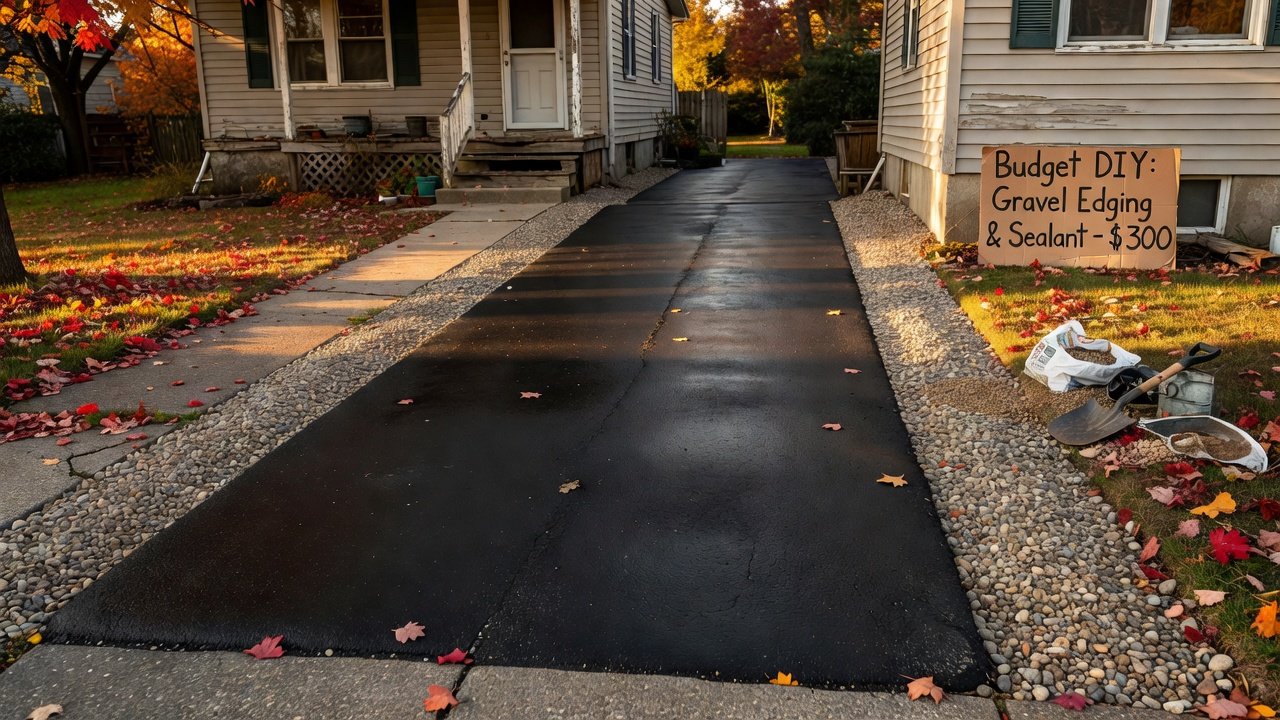
2026 Budget DIY Driveway Reno Ideas for Fixer Uppers
Fixer-upper homes frequently feature driveways marked by years of neglect, including deep cracks, uneven surfaces, and drainage problems that worsen over time. In 2026, homeowners can address these issues affordably through DIY methods that restore functionality and enhance curb appeal without requiring professional intervention. This comprehensive guide provides beginners with detailed instructions on evaluating damage, selecting cost-effective materials, and executing repairs that deliver lasting results while increasing property value.
Assessing Driveway Damage Before Starting
Start your project by conducting a thorough inspection of the entire driveway surface during bright daylight hours. Identify cracks measuring wider than a quarter inch, spots where water collects after rainfall, and edges that have eroded or separated from the main paved area. Use a tape measure to record the dimensions of damaged sections so you can accurately calculate required supplies. Drainage issues often underlie the most severe deterioration, making it essential to observe water flow patterns toward the road or adjacent landscaping.
Document your findings with multiple photographs taken from different vantage points. Compare observed problems against typical driveway failures such as alligator cracking caused by repeated freeze-thaw cycles or edge breakdown from vehicle weight. This careful evaluation helps avoid unnecessary expenditures on repairs that do not address root causes.
Tools and Materials for Budget-Friendly Repairs
Gather essential tools including a wire brush, leaf blower, putty knife, level, tamper, spade, and safety equipment before beginning work. For materials, prioritize gravel for base repairs, asphalt or concrete patch compounds for cracks, and protective sealants to guard against future weathering. These selections allow meaningful improvements at accessible price points suitable for fixer-upper budgets.
Compare material options based on longevity and application simplicity. Gravel suits lightly trafficked or rural driveways and integrates easily with existing surfaces. Patch products effectively seal fissures and match surrounding pavement textures. Sealants add a protective layer that extends repair lifespan. Obtain supplies from nearby retailers or reputable online vendors offering volume options for residential projects.
Step-by-Step Crack Filling and Edging Techniques
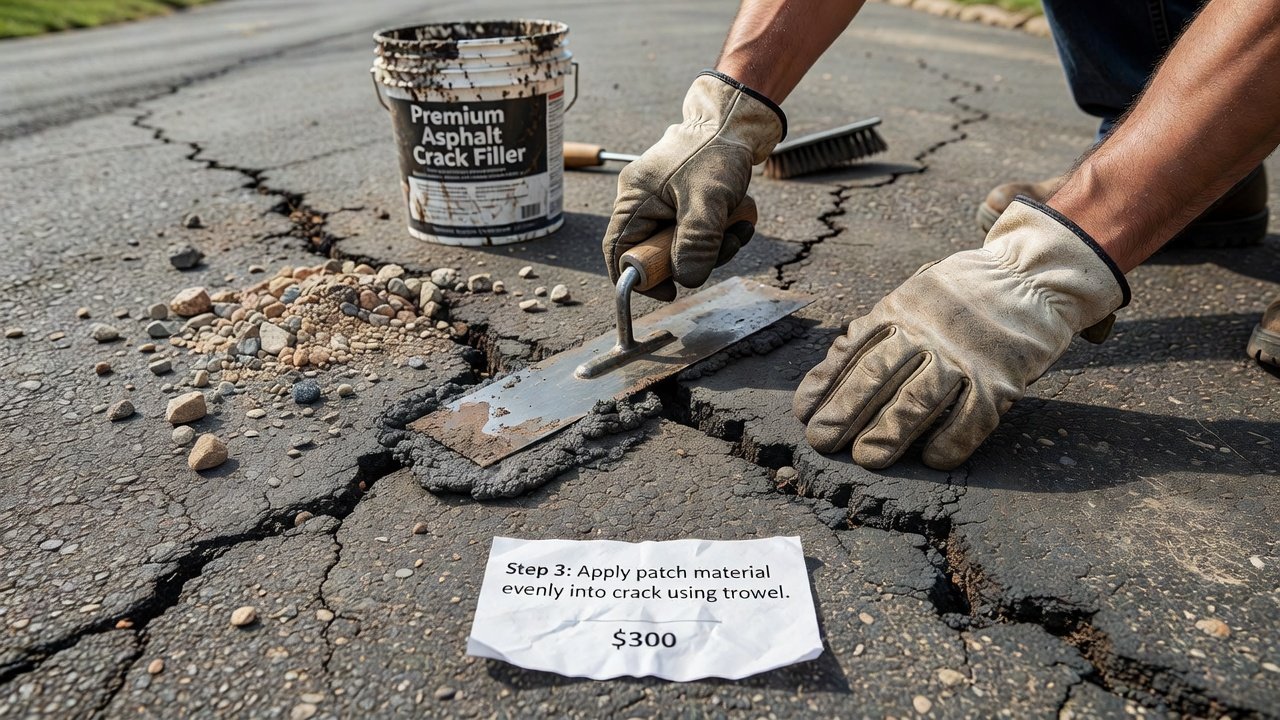
Prepare cracks by clearing out loose debris with a wire brush followed by a thorough pass from a leaf blower. Insert crack filler designed specifically for your driveway material, working it firmly into the opening using a putty knife for complete penetration. Permit adequate curing time according to product specifications before proceeding. For edging restoration, redefine boundaries with a spade to create clean lines, then compact fresh gravel or compatible edging material along the perimeter to stabilize the surface.
Divide the work into manageable sections and choose dry weather conditions for optimal adhesion. Always wear appropriate protective gear such as gloves and safety glasses. These methodical steps revive a tidy appearance while halting the progression of existing damage.
Addressing Drainage Problems Effectively
Enhance drainage by excavating shallow channels along driveway edges and filling them with gravel combined with perforated piping where necessary. Establish a gentle slope directing water away from the house and toward the street, verified with a level and tamper tool. This targeted adjustment prevents moisture from weakening the driveway foundation over time.
Evaluate the effectiveness of your drainage modifications following the next significant rainfall. Make minor refinements as required prior to applying a finishing sealant coat. Additional insights on water management appear in resources from the Environmental Protection Agency.
Comparing DIY Approaches to Professional Services
Completing repairs independently eliminates substantial labor expenses that typically multiply material costs several times over. Numerous 2026 homeowner projects demonstrate visible transformations achieved through consistent effort and quality materials. Professional resurfacing services generally involve significantly higher total investments, positioning DIY strategies as practical choices for budget-conscious fixer-upper owners seeking tangible property enhancements.
Material Sourcing Tips and Real Project Examples
Purchase supplies from local outlets for immediate availability and review current inventory through online platforms. Homeowners in 2026 have shared accounts of refreshed gravel driveways with reinforced edging and sealed patches that converted heavily cracked areas into smooth, reliable surfaces. Record your progress with before-and-after images to monitor improvements and guide subsequent maintenance efforts.
Boosting Home Value Through Driveway Improvements
Well-executed driveway renovations contribute directly to increased market appeal by improving first impressions for potential buyers. Clean, functional surfaces signal overall property care and can differentiate a fixer-upper listing in competitive neighborhoods. Focus on consistent edging and effective drainage to maximize these benefits.
Common Mistakes to Avoid
- Neglecting thorough surface cleaning before applying fillers or sealants, which leads to poor adhesion.
- Applying materials during unsuitable weather that interferes with proper curing.
- Underestimating the volume of supplies needed for larger damaged areas.
- Ignoring safety protocols that protect against chemical exposure or physical strain.
Safety Guidelines and Maintenance Schedules
Follow established safety practices outlined by organizations such as the Occupational Safety and Health Administration when handling tools and chemicals. Schedule regular inspections twice annually and plan sealant reapplication every two to three years based on regional climate conditions. Keep a maintenance log to track completed tasks and upcoming needs.
Expanded FAQ Section
What are common pitfalls in DIY driveway repairs?
Overlooking surface preparation or accelerating cure times often results in premature repair failure. Strict adherence to manufacturer directions ensures better outcomes.
How often should maintenance be scheduled?
Perform visual checks at least twice per year and refresh sealants on a two-to-three-year cycle adjusted for local weather patterns.
Can these methods work on concrete driveways?
Yes, substituting concrete-compatible fillers and sealers produces comparable results on concrete surfaces.
What additional steps help prevent future damage?
Regular sweeping, prompt crack sealing, and controlled vehicle weight distribution extend the life of any repaired driveway.
No comments yet. Be the first!