 Fixated on Home
Introduction: Balancing Safety and Style in 2026 Kitchens
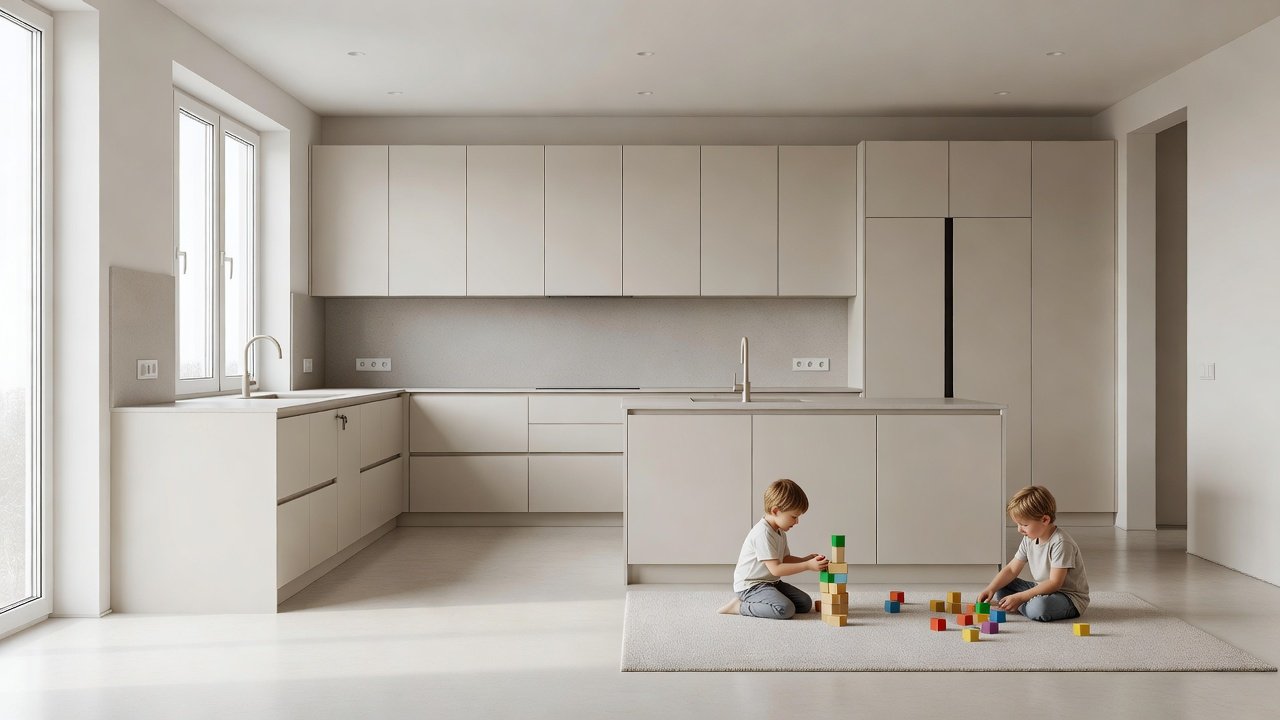
Modern families in 2026 are rethinking kitchen renovations to prioritize child safety without sacrificing contemporary aesthetics. Kid-safe kitchen renovations focus on eliminating hazards while incorporating sleek designs that align with current home trends. Parents searching for childproofing during remodeling often seek practical solutions like rounded corners, low-VOC materials, appliance locks, and non-slip flooring. This guide delivers in-depth advice to help you plan a renovation that protects little ones and enhances your home's value. With rising awareness of indoor environmental quality and family-centered design, 2026 trends emphasize multifunctional spaces that support both cooking and safe play. A well-planned renovation can reduce common household accidents by addressing risks early in the design phase.
Conducting a Step-by-Step Safety Audit
Before any renovation begins, perform a thorough safety audit of your existing kitchen. Start by walking through the space at a child's eye level to identify risks such as sharp edges, accessible appliances, and slippery surfaces. Measure counter heights to ensure they prevent climbing access, and document all potential pinch points around drawers and doors. Next, assess cabinet and drawer accessibility, noting potential pinch points or storage areas holding cleaning supplies. Create a simple diagram of the kitchen layout to mark high-traffic zones where falls are most likely. Finally, evaluate traffic flow to ensure clear pathways that prevent trips and falls. This audit forms the foundation for targeted upgrades that address real family needs. Consider involving your children in a supervised walkthrough to observe their natural behaviors and interactions with the space.
Key Areas to Inspect
- Counter heights and edges for sharpness and accessibility
- Appliance placement and controls to limit unsupervised use
- Flooring texture and transitions between rooms
- Electrical outlets and cords for tampering risks
- Storage for hazardous items like knives and chemicals
- Window and door access points that could lead to outdoor hazards
Tools for the audit include a measuring tape, flashlight, and notepad. Repeat the audit after major changes to verify improvements.
Selecting Child-Friendly Materials and Finishes
Choosing the right materials is essential for a kid-safe kitchen. Opt for low-VOC paints and finishes to reduce indoor air pollutants, supporting healthier environments as recommended by environmental authorities. Rounded corners on countertops and islands minimize injury risks from bumps and falls. Compare options like quartz versus granite: quartz offers non-porous durability that's easy to clean, while engineered stone provides similar safety benefits with modern veining patterns popular in 2026 designs. Additional choices include bamboo cabinetry for its renewability and soft texture, or recycled glass countertops that resist stains and provide a unique aesthetic. Families often select matte or textured surfaces to hide everyday wear from small hands and toys.
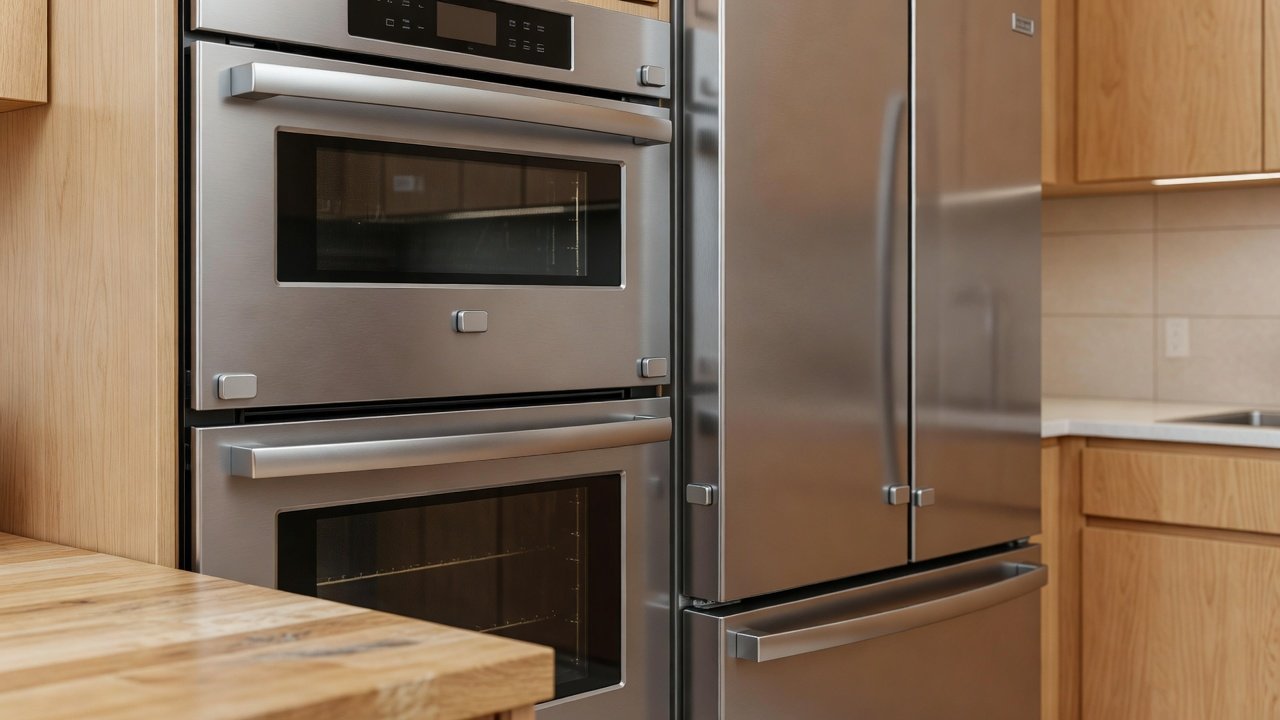
Real-home examples show families succeeding with matte cabinet finishes that hide fingerprints and resist scratches from daily use. These choices blend seamlessly with minimalist trends while prioritizing longevity. When selecting materials, request samples to test durability against common kid-related messes like spills and marker stains.
Appliance Safety Upgrades for Families
Integrate appliance locks and safety features during remodeling. Install magnetic locks on ovens, dishwashers, and refrigerators to prevent curious toddlers from accessing hot surfaces or sharp utensils. Consider induction cooktops, which stay cooler than gas alternatives, reducing burn risks. Position appliances away from main play areas to limit unsupervised access. These upgrades reflect 2026 smart home trends, combining functionality with invisible safety tech. Examples include voice-activated range hoods that keep controls out of reach and built-in child locks on microwaves. Many parents report success with retrofitting existing appliances using adhesive safety straps before full replacement.
Non-Slip Flooring and Layout Considerations
Non-slip flooring is a must for high-traffic family kitchens. Compare vinyl plank options, which provide cushioning and water resistance, against porcelain tiles treated with anti-slip coatings. Both support contemporary looks while offering superior grip compared to traditional hardwood. Plan layouts with wider aisles and rounded island edges to accommodate strollers and active children. Incorporate dedicated zones for cooking, eating, and play to maintain organization and safety. Add under-cabinet lighting to improve visibility and reduce tripping in low-light conditions during evening routines.
Storage and Organization Solutions
Effective storage keeps dangerous items out of reach while maintaining easy access for adults. Install pull-out drawers with soft-close mechanisms at varying heights, reserving upper cabinets for rarely used or hazardous items. Use clear bins and labels for pantry organization so children learn safe habits early. Real examples from family homes demonstrate how corner carousels and vertical dividers maximize space without creating climbable structures.
Lighting and Electrical Safety
Update lighting to include motion-sensor LED fixtures that illuminate pathways automatically. Install tamper-resistant outlets and cover unused ones with sliding plates. These features align with modern smart home upgrades and reduce electrical hazards common in family settings.
DIY Versus Professional Installation Options
Budget-conscious families can tackle simple DIY tasks like installing cabinet locks or painting with low-VOC products. However, structural changes such as countertop replacement or flooring installation benefit from professional expertise to ensure code compliance and precision. Weigh options by starting with a detailed project scope that separates easy wins from complex jobs. Many 2026 homeowners report success mixing DIY elements with pro help for complex electrical or plumbing work. When choosing professionals, verify experience with family-focused renovations and request references from similar projects.
Renovation Checklist for Kid-Safe Kitchens
- Complete safety audit and prioritize risks
- Select low-VOC, rounded-edge materials
- Install appliance locks and safety switches
- Choose non-slip, durable flooring
- Plan child-friendly storage solutions
- Update lighting and electrical outlets
- Schedule professional inspections
- Test all features post-installation with family present
Real-Home Examples
In one suburban home, parents replaced sharp-edged laminate counters with rounded quartz and added magnetic oven locks, creating a space where toddlers could safely play nearby during meal prep. Another urban family chose non-slip vinyl flooring and reconfigured their layout to include a low play table, resulting in fewer spills and accidents.
Frequently Asked Questions
How do I maintain style while adding safety features?
Focus on integrated designs like hidden locks and seamless rounded edges that enhance rather than detract from modern aesthetics. Consult design trends for 2026 that emphasize clean lines paired with practical family upgrades.
What are common mistakes to avoid?
Avoid overlooking ventilation for low-VOC materials or placing safety features in inconvenient locations. Always test installations with children present to confirm effectiveness.
How long does a typical kid-safe renovation take?
Timelines vary by scope, but most comprehensive projects span four to eight weeks when combining DIY and professional work.
Conclusion
A kid-safe kitchen renovation in 2026 empowers families to enjoy contemporary living with peace of mind. By focusing on audits, quality materials, and thoughtful layouts, you create a space that grows with your children. Start planning today to transform your kitchen into a safe, stylish hub for years to come. For more on product safety standards, visit the Consumer Product Safety Commission. Learn about healthy home materials from the Environmental Protection Agency. Explore additional child injury prevention resources at the Centers for Disease Control and Prevention.
No comments yet. Be the first!