 Fixated on Home
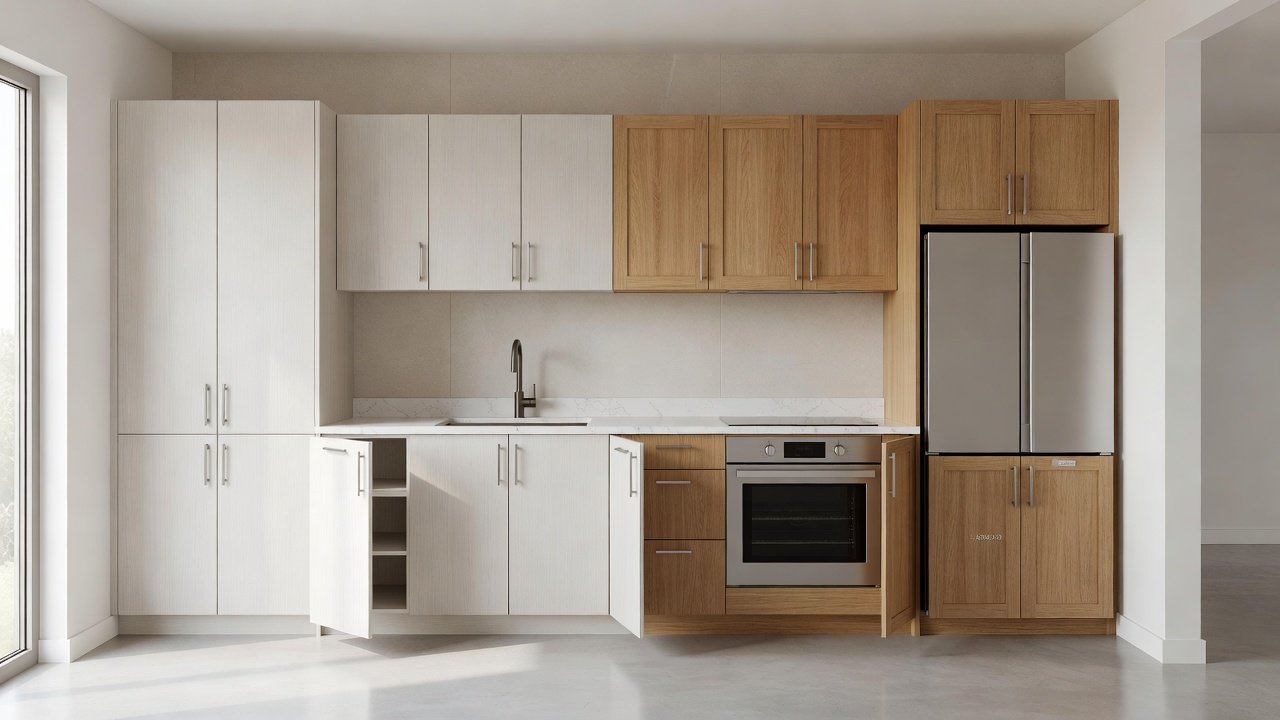
Introduction to Laminate vs Solid Wood Cabinets in 2026
Homeowners planning kitchen renovations in 2026 often face a key decision between laminate and solid wood cabinets. Both options offer distinct advantages depending on budget, lifestyle, and design goals. This guide examines their differences in depth to help you choose materials that deliver long-term value and align with current trends like sustainable design and multifunctional spaces. As kitchens become central hubs for family life and entertaining, selecting the right cabinet material influences daily functionality, visual appeal, and future resale potential. Understanding material composition, performance in real homes, and alignment with emerging design priorities ensures a renovation that stands the test of time.
Understanding Laminate Cabinets
Laminate cabinets consist of a core material such as particleboard or MDF covered with a thin layer of decorative laminate. This construction provides a cost-effective way to achieve various finishes. In modern 2026 kitchens, laminate excels in moisture-prone areas due to its sealed surface that resists stains and warping better than many natural options. The manufacturing process allows for consistent color matching across large installations, making it suitable for open-concept layouts where uniformity matters. Homeowners appreciate how laminate can replicate the look of stone, metal, or wood without the associated vulnerabilities, offering versatility for contemporary styles that blend minimalist lines with bold accents.
Exploring Solid Wood Cabinets
Solid wood cabinets are crafted from real timber like oak, maple, or cherry. They bring natural grain patterns and can be refinished multiple times over decades. These cabinets suit homeowners seeking timeless appeal and the ability to customize with stains or paints that evolve with design trends. Each piece carries unique characteristics from the tree's growth, creating one-of-a-kind aesthetics that laminate cannot fully replicate. In 2026 renovations, solid wood pairs well with mixed-material islands or statement walls, providing warmth that complements smart appliances and energy-efficient features common in updated homes.
Cost Breakdown and Long-Term Value
While upfront expenses vary by project scope, laminate generally requires lower initial investment compared to solid wood. Factors influencing total expenditure include cabinet size, hardware selections, and whether custom modifications are needed. Over time, solid wood may prove more economical through refinishing rather than full replacement, especially in households that value heirloom-quality pieces passed through generations. Consider factors like installation complexity and potential resale boosts when evaluating overall value for 2026 upgrades. Budget-conscious renovators often allocate resources saved on laminate toward higher-end countertops or flooring, creating balanced designs that feel premium without exceeding planned outlays.
Maintenance Requirements
Laminate demands simple cleaning with mild soap and water, making it ideal for busy households. Solid wood needs periodic sealing and careful avoidance of excessive moisture to prevent cracking. Both materials benefit from regular inspections to maintain performance in high-use kitchens. Practical maintenance routines include wiping spills immediately, using protective mats near sinks, and avoiding abrasive cleaners that could dull surfaces. For solid wood, annual inspections for minor scratches allow early touch-ups that preserve the finish for years. Families with children or pets find laminate particularly forgiving, while those prioritizing heirloom aesthetics invest the extra care solid wood requires.
- Weekly dusting with microfiber cloths prevents buildup on both materials.
- Monthly checks around hardware ensure screws remain tight and doors align properly.
- Seasonal humidity monitoring helps prevent warping in wood cabinets during extreme weather shifts.
- Professional deep cleaning every two years extends the lifespan of laminate edges.
Aesthetic Versatility and Design Trends
Laminate offers extensive color and texture options that mimic premium materials without the upkeep. Solid wood provides authentic warmth and can be paired with modern hardware for contemporary looks. In 2026, trends favor mixed-material kitchens where laminate handles utility zones and wood accents add character. Renovators increasingly incorporate matte finishes, textured surfaces, and integrated lighting within cabinetry to enhance functionality. Color palettes lean toward soft neutrals and earthy tones that create calm environments, with both materials adapting well to these preferences through custom staining or printing techniques.
Environmental Impact Considerations
Laminate production often incorporates recycled content but may involve synthetic adhesives. Solid wood sourced from responsibly managed forests supports sustainability. Homeowners can reduce impact by selecting EPA-certified low-VOC products and exploring local suppliers for both options. Choosing materials with Forest Stewardship Council certification further minimizes ecological footprints, while recycling old cabinets during demolition contributes to circular economy practices. Many 2026 projects combine these choices with energy-efficient lighting and appliances to create holistic green renovations.
Real-World Durability Examples
Recent renovation projects show laminate holding up well in family kitchens with heavy daily use, resisting scratches from appliances. In one suburban remodel completed last year, laminate cabinets in a high-traffic cooking area retained their appearance after three years of frequent spills and cleaning cycles. Solid wood cabinets in high-end remodels demonstrate superior longevity when properly maintained, often increasing home appeal after five years of service. Urban loft conversions have successfully used solid wood to create focal points that age gracefully, developing richer patinas that enhance character over time.
Side-by-Side Comparison Table
| Factor | Laminate | Solid Wood |
|---|---|---|
| Durability | Good moisture resistance | Refinishable over time |
| Maintenance | Low effort cleaning | Regular sealing needed |
| Aesthetics | Wide modern finishes | Natural grain beauty |
| Environmental | Recycled core options | Renewable if certified |
| Customization | Limited to surface prints | Staining and carving possible |
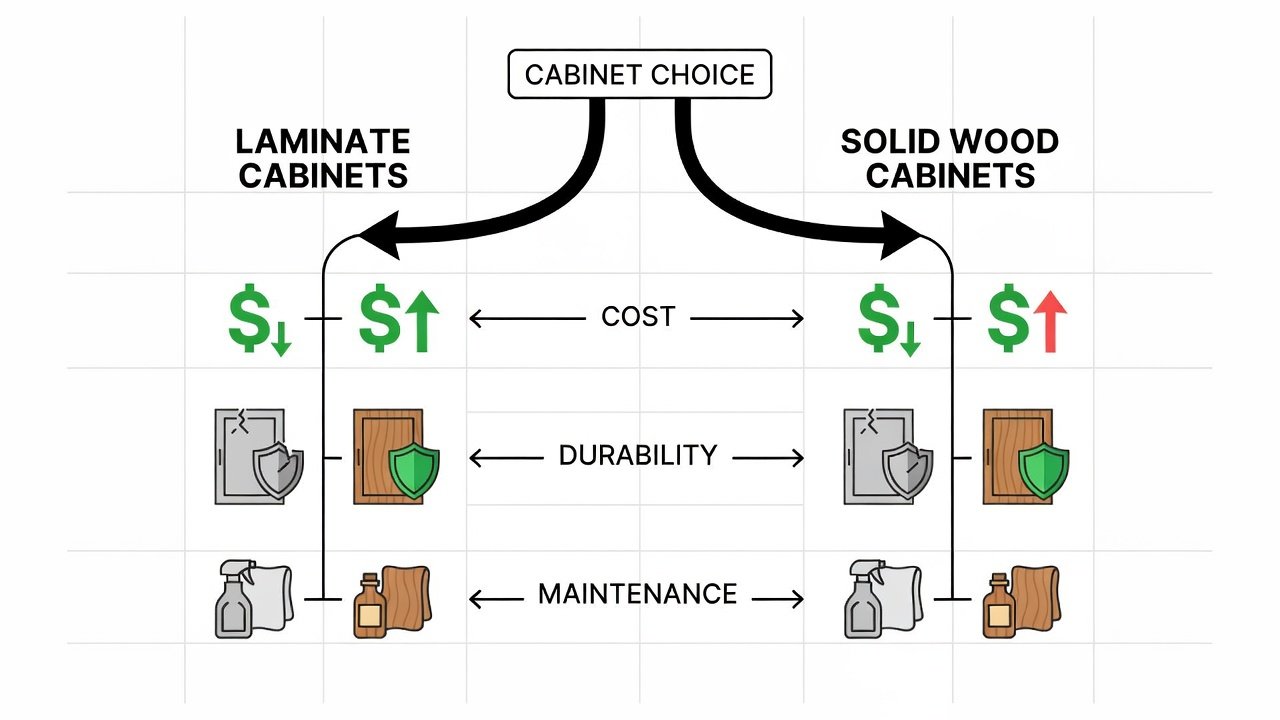
Decision Flowchart for Choosing Cabinets
- Assess your budget and priority on initial spend versus longevity.
- Evaluate kitchen humidity levels and family usage patterns.
- Review design preferences for color variety or natural textures.
- Consider environmental certifications and resale goals.
- Consult installers for local climate suitability.
- Factor in future lifestyle changes such as growing families or aging in place.
Installation Tips for 2026 Trends
Align installations with smart home integrations by planning cabinet layouts around appliances early. Hire professionals familiar with both materials to ensure proper sealing and hardware compatibility, avoiding common pitfalls like poor ventilation that shortens lifespan. Measure twice for precise fits in irregular spaces, and incorporate pull-out organizers or soft-close mechanisms that reflect current preferences for effortless daily use. Coordination with electricians and plumbers prevents conflicts during the build phase.
Impact on Resale Value
Quality solid wood often appeals to buyers seeking premium features, while durable laminate supports quick flips with its low-maintenance reputation. Both can enhance value when matched to neighborhood trends and paired with energy-efficient elements from sources like Energy.gov. Appraisers note that updated kitchens with cohesive cabinetry contribute significantly to overall property valuations, particularly when finishes complement broader home updates such as new flooring or backsplashes.
Common Mistakes to Avoid
Many renovators overlook humidity control during installation, leading to premature issues with either material. Another frequent error involves selecting finishes based solely on current trends without considering long-term practicality. Always test samples in the actual lighting conditions of your kitchen before committing to large orders.
Common FAQs
How long does installation typically take?
Most projects complete in one to two weeks depending on kitchen size and customizations, with solid wood sometimes requiring extra finishing time.
Do these cabinets affect indoor air quality?
Both can meet modern standards when low-VOC finishes are chosen, improving overall home health during renovations.
Can I mix materials in one kitchen?
Yes, many 2026 designs combine laminate bases with solid wood islands for balanced cost and style.
What happens if a laminate surface chips?
Minor chips can often be repaired with matching filler kits, though extensive damage may require panel replacement.
Conclusion
Selecting between laminate and solid wood cabinets depends on your specific renovation priorities. By weighing durability, aesthetics, and sustainability, you can create a kitchen that remains functional and stylish for years ahead. Apply these insights to achieve a successful 2026 upgrade tailored to your home.
No comments yet. Be the first!