 Fixated on Home
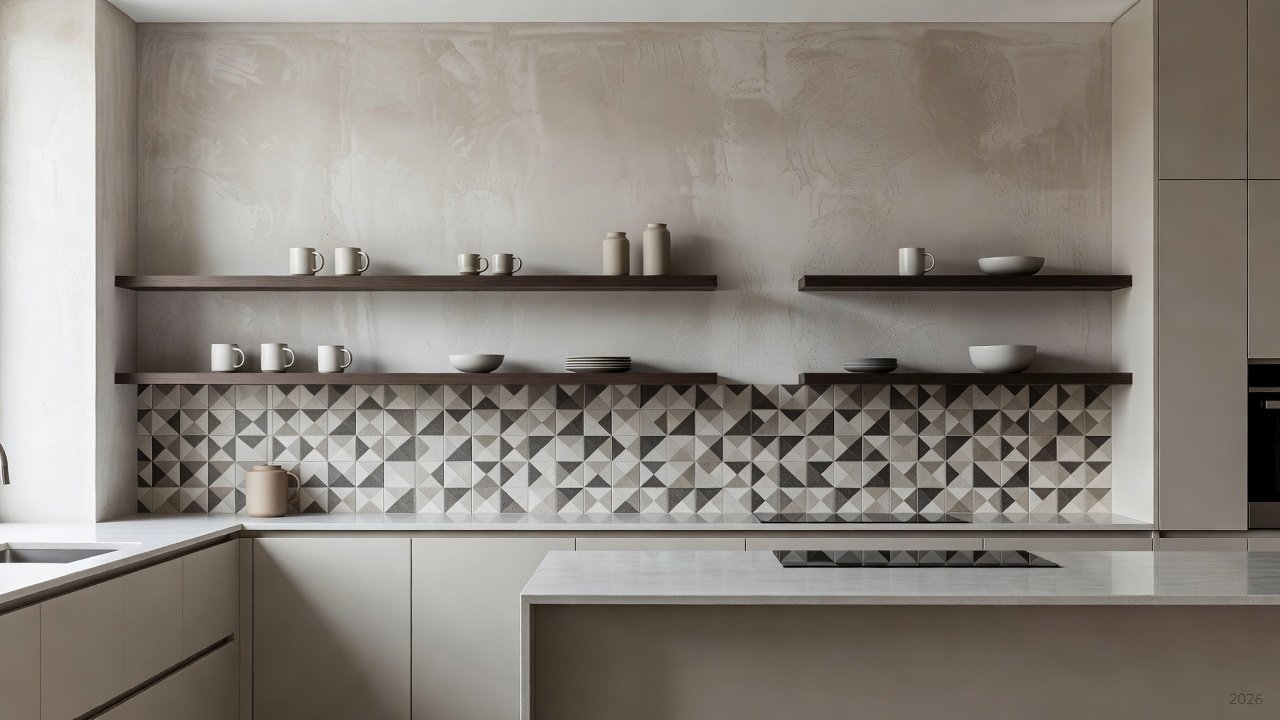
Introduction to Creative Wall Treatments in 2026 Kitchens
Modern kitchen renovations in 2026 emphasize distinctive wall treatments that blend functionality with artistic expression. Homeowners are moving beyond basic paint or subway tile to options that add depth, texture, and personality. These treatments enhance the overall aesthetic while supporting practical needs like moisture resistance and easy cleaning in high-use areas. As open-concept living continues to dominate residential design, walls in the kitchen serve as key visual anchors that connect to adjacent living spaces. Creative solutions allow personalization without sacrificing durability, making them essential for any 2026 upgrade project targeting contemporary appeal.
Selecting the right wall treatment involves balancing style preferences with performance requirements. Factors such as humidity levels, cooking frequency, and family lifestyle influence material choices. This guide examines leading options including textured finishes, patterned tiles, and integrated shelving, providing detailed comparisons, step-by-step installation guidance, real-world applications, and long-term maintenance strategies to ensure successful outcomes.
Textured Finishes for Depth and Dimension
Textured wall finishes deliver visual interest and tactile appeal that flat surfaces cannot match. In 2026 kitchens, options like lime plaster, Venetian plaster, and microcement stand out for their ability to create organic variations that shift with natural light throughout the day. These materials suit minimalist or industrial modern aesthetics by introducing subtle imperfections that feel handcrafted rather than mass-produced.
Real-world examples demonstrate versatility. A California family renovated their kitchen with microcement walls behind the cooking zone, achieving a seamless concrete-like appearance that complements stainless steel appliances. The finish resisted daily splatters effectively when sealed properly. Another project in a New York loft used layered lime plaster on an accent wall, resulting in soft tonal shifts that made the compact space feel larger and more inviting.
Durability assessments reveal strong performance when installation follows manufacturer protocols. Properly applied textured finishes withstand moderate moisture but benefit from additional protective coatings in steam-prone areas. They generally outlast standard drywall in high-traffic kitchens by resisting dents and scratches better.
Installation Steps for Textured Finishes
- Inspect and repair the existing wall substrate, ensuring it is clean, dry, and free of loose material.
- Apply a high-quality primer designed for textured applications to promote adhesion.
- Trowel on the base coat evenly, allowing it to cure completely according to product specifications.
- Build successive thin layers to develop the desired texture, sanding lightly between coats for refinement.
- Finish with a breathable sealer formulated for kitchen environments to protect against stains and humidity.
Common mistakes to avoid include rushing curing times or skipping the final sealer, both of which can lead to premature cracking or discoloration. Professionals recommend testing samples on inconspicuous areas first.
Patterned Tiles for Bold Statements
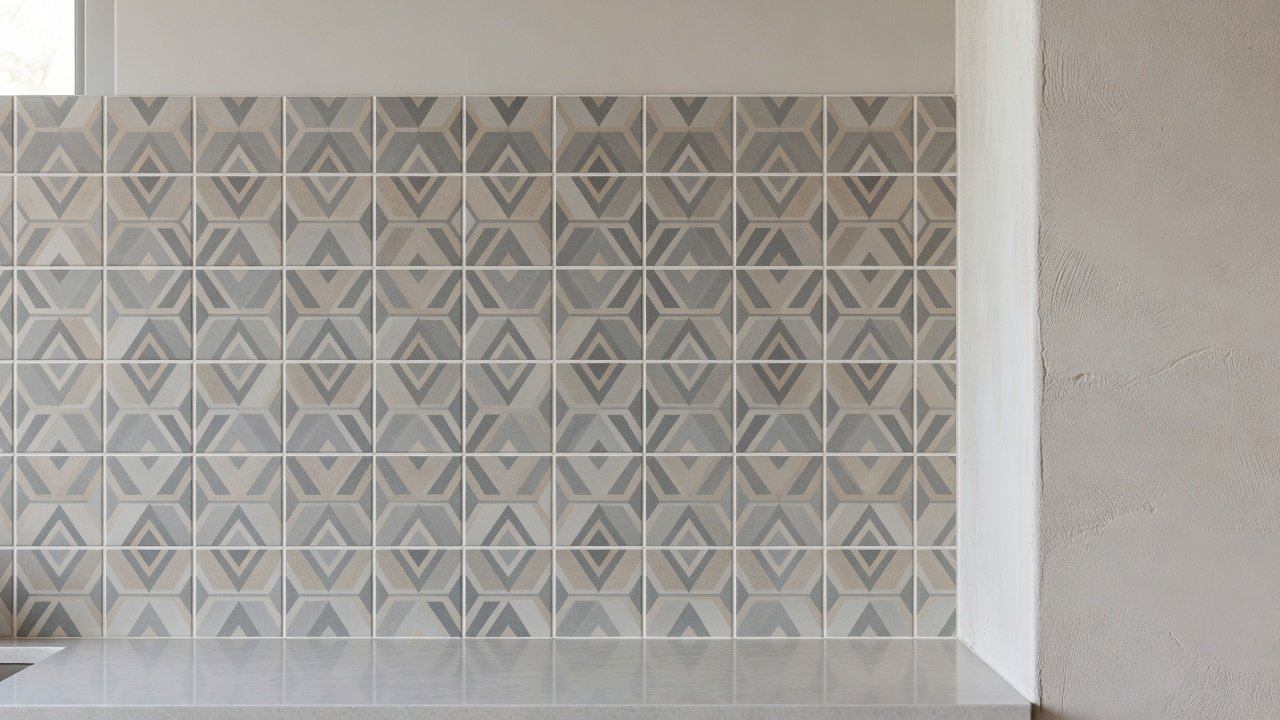
Patterned tiles offer endless creative possibilities through geometric shapes, custom prints, and mixed materials. In modern 2026 renovations, homeowners favor porcelain and ceramic options with matte finishes that hide fingerprints and water spots effectively. These tiles excel in backsplash applications and full accent walls where bold visuals can transform the room's energy.
Examples from recent projects include a Seattle home featuring oversized hexagonal tiles in muted earth tones arranged in a honeycomb pattern above the island. The design created movement and depth while remaining easy to clean. Another instance involved a Texas kitchen incorporating hand-painted floral motifs on ceramic tiles, blending traditional craftsmanship with sleek cabinetry for a personalized yet contemporary result.
Durability remains a strength, with quality tiles resisting heat, moisture, and impacts far better than painted surfaces. Grout lines require attention during maintenance, but sealed options reduce staining risks significantly.
Architectural Digest showcases how patterned tiles pair with under-cabinet lighting to amplify their visual impact in renovated spaces.
Integrated Shelving as a Functional Wall Treatment
Integrated shelving turns plain walls into storage and display opportunities. Floating shelves, recessed niches, and built-in units keep countertops uncluttered while allowing homeowners to showcase ceramics, cookbooks, or greenery. This treatment aligns perfectly with 2026 modern designs that prioritize minimalism and efficient use of vertical space.
Practical examples include a Chicago renovation where recessed oak shelving was integrated directly into a plaster wall, creating a seamless look that matched surrounding cabinetry. The shelves held everyday dishware within easy reach, reducing the need for upper cabinets and opening up sightlines. Durability hinges on proper anchoring into wall studs, ensuring they support intended loads without sagging over time.
Installation requires careful planning of electrical runs if lighting is incorporated and coordination with other trades for a polished finish. Maintenance involves regular dusting and occasional tightening of brackets.
Comparing Options: Durability, Maintenance, and Style
- Textured Finishes: Excellent for creating unique atmospheres; high durability with sealing; low maintenance via gentle wiping but periodic resealing needed.
- Patterned Tiles: Superior moisture and heat resistance; grout cleaning forms the main upkeep task; style versatility supports both subtle and dramatic looks.
- Integrated Shelving: Maximizes functionality; requires structural support; dust regularly and inspect anchors annually for safety.
Additional considerations include sustainability, with many textured products now featuring low-VOC formulations, and compatibility with smart home features like integrated lighting controls.
Real-World Examples and Decision Factors
Homeowners in diverse climates report success when matching treatments to local conditions. Coastal properties benefit from highly sealed textured finishes to combat salt air, while urban apartments often choose patterned tiles for their sound-dampening qualities. Always evaluate existing infrastructure such as plumbing access and ventilation before committing to a particular approach.
FAQs on 2026 Kitchen Wall Renovations
What challenges arise with textured walls in humid kitchens?
High humidity can compromise adhesion if surfaces are not prepped and sealed correctly. Professional installation with quality moisture barriers addresses this effectively, preventing future issues like peeling or mold growth.
How do patterned tiles compare in cost to standard options?
Material expenses remain comparable, though labor increases due to precise layout requirements. The enhanced visual and durability benefits often justify the investment for long-term satisfaction.
Are integrated shelves suitable for all kitchen layouts?
They perform best on open wall sections free from heavy cabinet interference. Structural assessment ensures safe installation regardless of layout complexity.
What maintenance routines extend the life of these treatments?
Weekly gentle cleaning combined with annual inspections of seals and anchors helps maintain appearance and function for years beyond the initial renovation.
By thoughtfully incorporating these wall treatments, 2026 kitchen renovations deliver modern sophistication, improved usability, and enduring value for homeowners seeking distinctive upgrades.
No comments yet. Be the first!