 Fixated on Home
Introduction to Kitchen Renovation Safety in 2026
Homeowners planning kitchen renovations in 2026 face unique challenges that demand strict adherence to safety protocols. Whether tackling a DIY project or hiring contractors, the focus must remain on preventing accidents such as falls, electrical shocks, cuts from sharp tools, and long-term health issues from poor indoor air quality. Modern home upgrades often involve smart appliances, energy-efficient layouts, and open-concept designs, but these enhancements introduce new hazards if safety measures are ignored. This comprehensive guide provides in-depth advice on every phase of the process, from initial planning through final inspections, drawing on established best practices to help you complete your project without incidents.
Kitchen remodeling tips emphasize preparation because rushed jobs lead to the majority of injuries. Statistics from safety organizations show that improper planning accounts for over half of renovation-related emergencies. By following structured protocols, you protect not only yourself and your family but also ensure the longevity of your investment in a functional, beautiful space.
Pre-Renovation Hazard Assessments
A thorough pre-renovation hazard assessment forms the foundation of any safe kitchen project. Begin by turning off all utilities at the main sources and documenting the existing layout with detailed photographs and measurements. Examine walls, floors, and ceilings for signs of structural damage, water intrusion, or outdated materials like asbestos-containing insulation common in homes built before 1980. Test for lead-based paint using approved kits, especially if your kitchen dates to the mid-20th century.
Practical Steps for Assessment
- Create a room-by-room checklist that includes checking for mold in under-sink areas and verifying load-bearing walls before any demolition.
- Map out electrical circuits and plumbing lines using a circuit tracer and shut-off valve locator to avoid surprises during work.
- Obtain necessary building permits early, as 2026 codes may require updated seismic bracing or energy-efficient ventilation in certain regions.
- Consult with a licensed inspector for older homes to identify hidden risks such as knob-and-tube wiring or galvanized pipes.
Real-world examples highlight the importance of this step. One homeowner discovered asbestos in ceiling tiles only after starting demolition, resulting in a two-week project halt and professional remediation. Another case involved undetected gas line leaks that caused a minor explosion risk during cabinet removal. These scenarios underscore why skipping assessments leads to costly and dangerous outcomes.
Proper Use of Protective Gear During Demolition and Installation
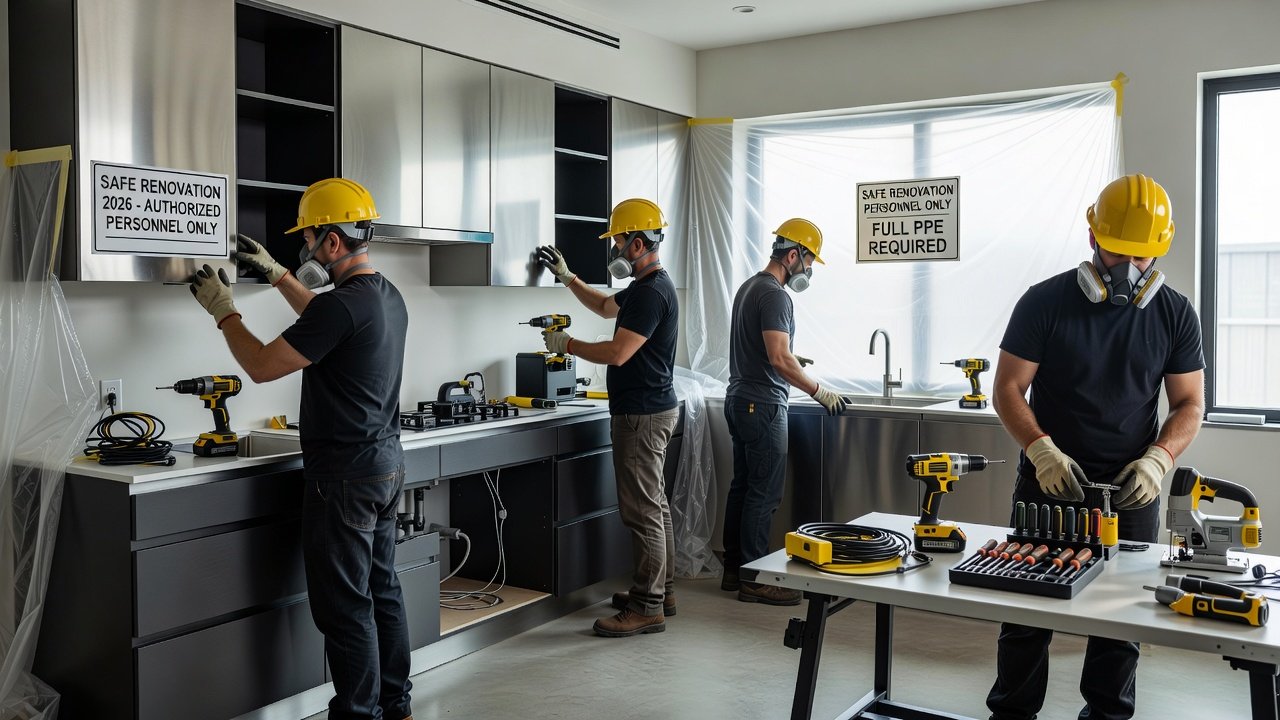
Personal protective equipment serves as your first line of defense throughout demolition and installation phases. Standard gear includes hard hats rated for impact, ANSI-approved safety goggles to shield against flying debris, cut-resistant gloves, and N95 or higher respirators for dust filtration. During heavy installation work, steel-toe boots with slip-resistant soles prevent foot injuries from dropped materials. For tasks involving chemicals or solvents, add chemical-resistant aprons and face shields.
Training on correct donning and doffing procedures reduces contamination risks. Always inspect gear before each use and replace damaged items immediately. In 2026, many professionals recommend upgrading to powered air-purifying respirators for extended demolition sessions to maintain better airflow and comfort.
Managing Dust and Ventilation for Indoor Air Quality
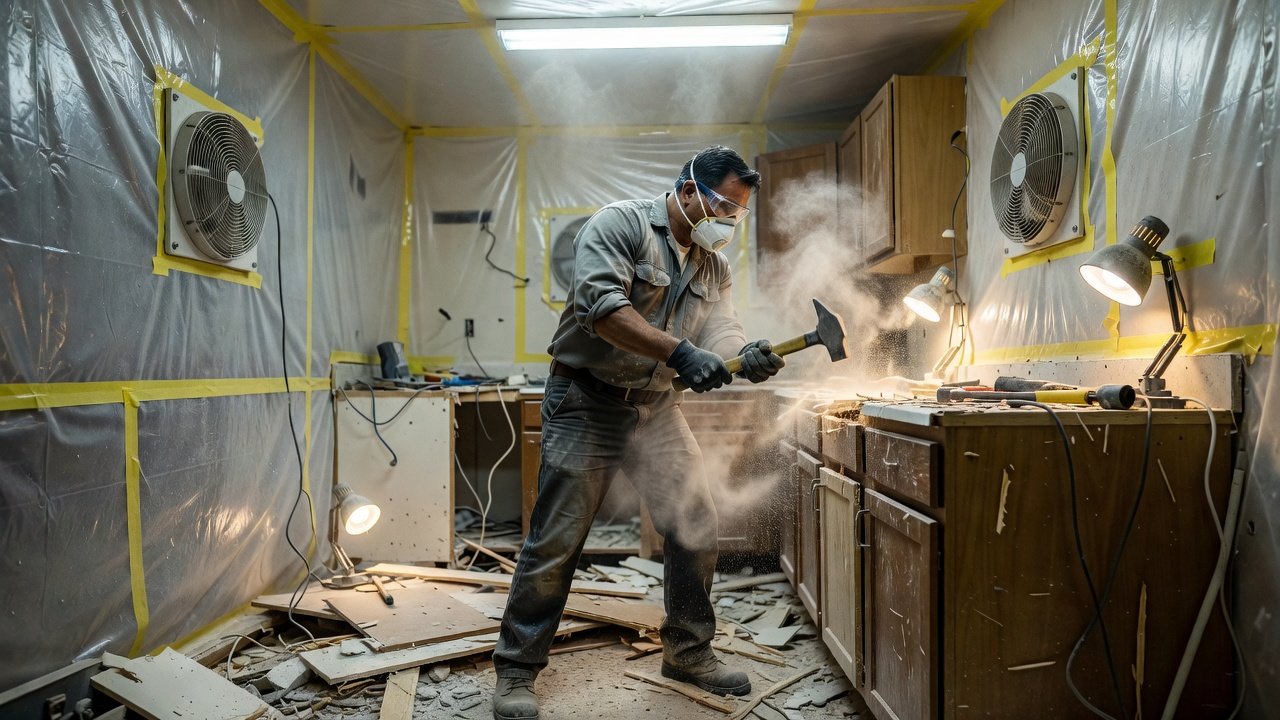
Dust generated during cabinet removal, drywall cutting, and flooring demolition can contain silica, mold spores, and allergens that compromise respiratory health. Effective management starts with isolating the work area using 6-mil plastic sheeting sealed with tape at all seams and doorways. Employ negative air machines with HEPA filters to capture airborne particles and exhaust them outdoors. Vacuum surfaces frequently with HEPA-filtered shop vacuums rather than sweeping, which redistributes dust.
Ventilation strategies include running exhaust fans continuously and opening windows on opposite sides of the house to create cross-breezes. The EPA outlines specific indoor air quality controls that homeowners should follow during remodeling. Post-work, allow 48 hours of additional ventilation before occupying the space fully. Common pitfalls include inadequate sealing, which allows dust to migrate into living areas and HVAC systems, requiring expensive duct cleaning later.
Electrical and Plumbing Safety Checks
Electrical and plumbing systems demand licensed professional involvement in nearly all cases. Before any work, locate and label main shut-offs, then verify that temporary power sources use GFCI protection. Install or upgrade to tamper-resistant outlets and ensure all new circuits meet 2026 National Electrical Code requirements, including arc-fault circuit interrupters in kitchens. For plumbing, pressure-test new lines at 1.5 times normal operating pressure and install shut-off valves at every fixture for future maintenance ease.
Real examples of failures include DIY wiring that caused repeated breaker trips and hidden leaks behind new cabinetry that led to mold growth months after completion. Always schedule inspections at rough-in and final stages to catch issues early.
Securing the Workspace and Handling Heavy Materials
Workspace security involves clearing all pathways of obstacles, marking temporary storage zones for tools, and installing temporary lighting for low-visibility areas. When moving heavy items such as refrigerators, islands, or stone countertops, use appliance dollies, lifting straps, and team lifts of at least two people. Secure ladders on non-slip mats and maintain three points of contact at all times. Store sharp tools in designated cases and never leave them on counters where they can fall.
Additional lists of best practices include daily end-of-day walkthroughs to secure the site against children or pets entering the area.
Post-Renovation Inspections
Final inspections should cover every safety element: confirm all electrical connections are secure, test smoke and carbon monoxide detectors, verify ventilation systems function at rated capacity, and check that flooring transitions are level to prevent trips. Document everything with photos for insurance records.
Professional vs. DIY Safety Approaches: A Comparison
Professional contractors typically carry liability insurance, follow OSHA-mandated training, and maintain current knowledge of evolving codes, reducing homeowner risk significantly. They also provide warranties that cover safety-related defects. DIY approaches save money but place full responsibility on the homeowner for gear, training, and compliance. The key decision factor is your experience level; beginners should limit DIY to cosmetic tasks while leaving structural, electrical, and plumbing work to experts. The OSHA resources detail training requirements that professionals must meet.
FAQ: Insurance, Emergency Preparedness, and More
Q: Does homeowners insurance cover DIY kitchen renovations? A: Policies usually cover personal injury but may exclude damage from unlicensed electrical or plumbing work. Contact your insurer before starting.
Q: What emergency steps should I prepare? A: Maintain a stocked first-aid kit, Class K fire extinguisher for kitchen use, and clearly marked utility shut-offs. Establish a daily safety briefing routine.
Q: How do 2026 codes affect older homes? A: Updates often require enhanced ventilation and GFCI protection; local inspectors can provide specifics.
Q: What if I discover asbestos mid-project? A: Stop work immediately, seal the area, and hire certified abatement professionals.
Conclusion
Implementing robust kitchen renovation safety protocols ensures your 2026 project proceeds smoothly and results in a safer home environment. By investing time in assessments, proper equipment, dust management, and professional oversight where needed, you avoid common pitfalls and create lasting value. For additional guidance, refer to the Consumer Product Safety Commission and the National Fire Protection Association for the latest standards on home safety during remodeling.

No comments yet. Be the first!