 Fixated on Home
Smart Kitchen Tech: 2026 Renovation Guide
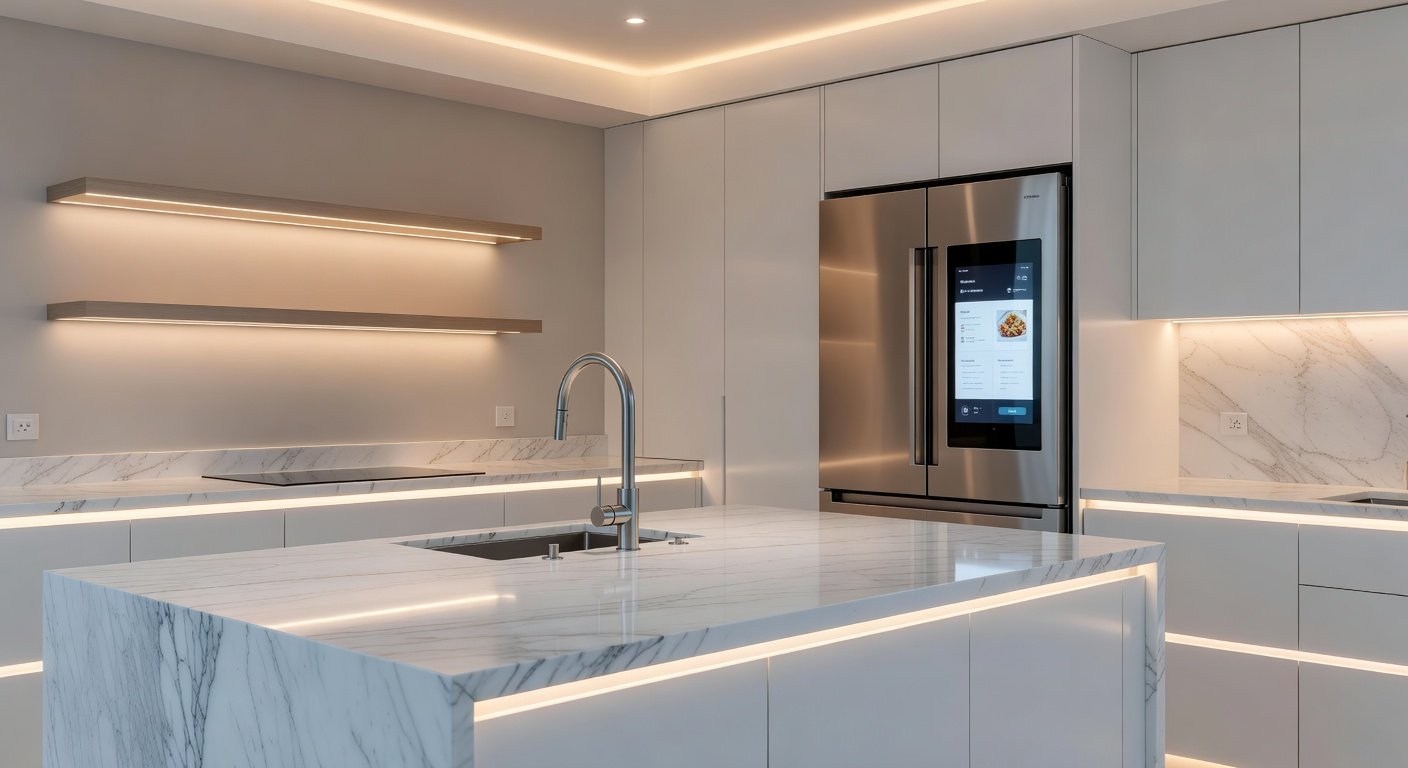
Homeowners planning kitchen renovations in 2026 are increasingly turning to smart technology to boost efficiency, convenience, and long-term value. From voice-activated faucets to AI-powered refrigerators, these innovations transform ordinary kitchens into intelligent hubs that respond to your needs while reducing energy use. This guide covers everything from selecting key devices to seamless installation during remodels, helping you create a space that blends cutting-edge functionality with timeless aesthetics.
Key Smart Devices for Modern Kitchens
Voice-activated faucets represent a major leap in hands-free operation. These systems use sensors and voice commands to dispense precise amounts of water at desired temperatures, minimizing waste and enhancing hygiene. App-controlled lighting allows you to adjust brightness, color temperature, and schedules via smartphone, creating the perfect ambiance for cooking or entertaining. AI refrigerators go further by tracking inventory, suggesting recipes based on contents, and even alerting you to expiring items through integrated apps.
Other notable additions include smart ovens with remote preheating capabilities and connected dishwashers that optimize cycles for energy savings. When selecting these, prioritize devices with open APIs for future compatibility.
Step-by-Step Installation During Remodels
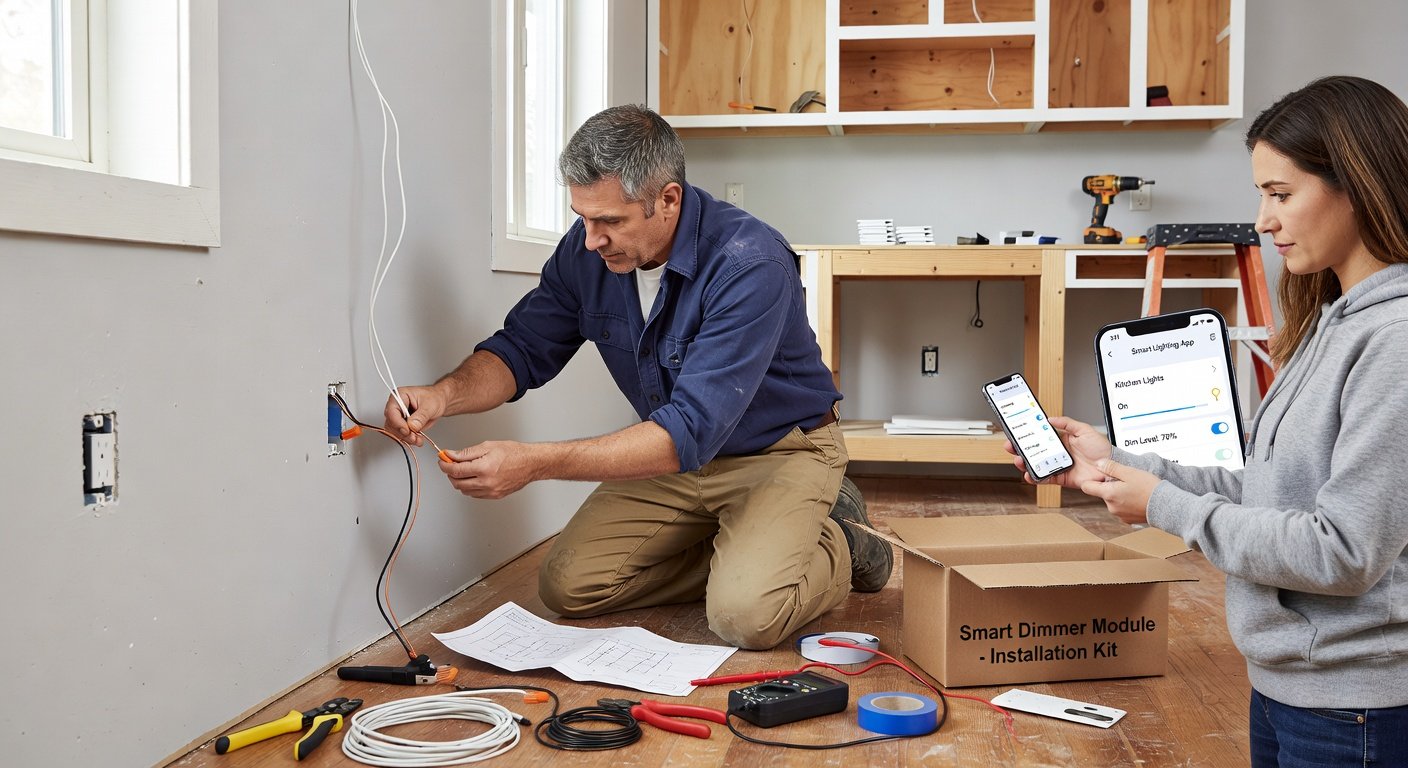
Integrating smart tech works best when planned alongside structural changes. Start by mapping electrical and plumbing layouts to accommodate new wiring and sensors. During demolition, install dedicated circuits for high-draw devices like refrigerators. Next, mount fixtures such as faucets and lighting before cabinetry goes in, ensuring access points for wiring. Finally, connect everything to a central hub and test integrations before finishing surfaces.
Professionals recommend coordinating with electricians early to avoid costly retrofits later.
Design Tips for Seamless Tech Integration
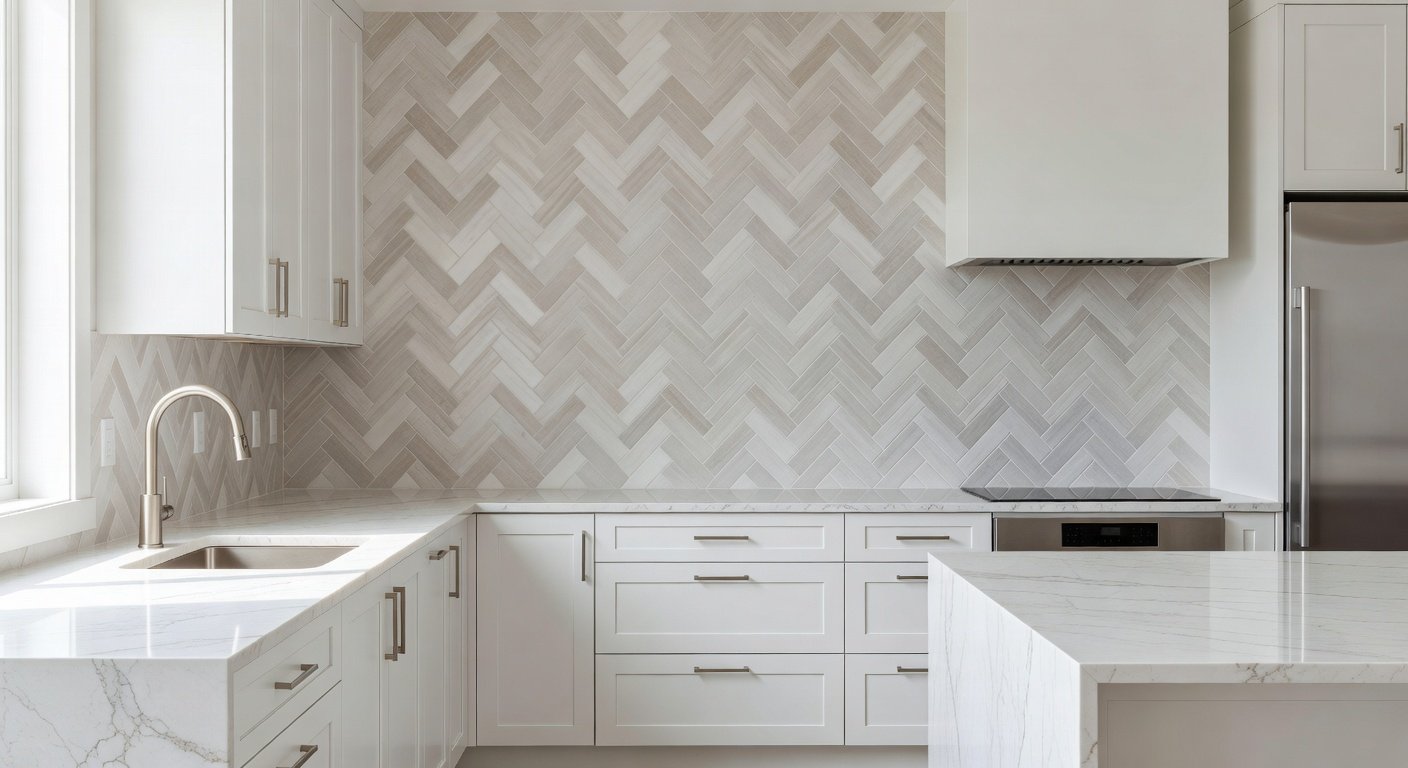
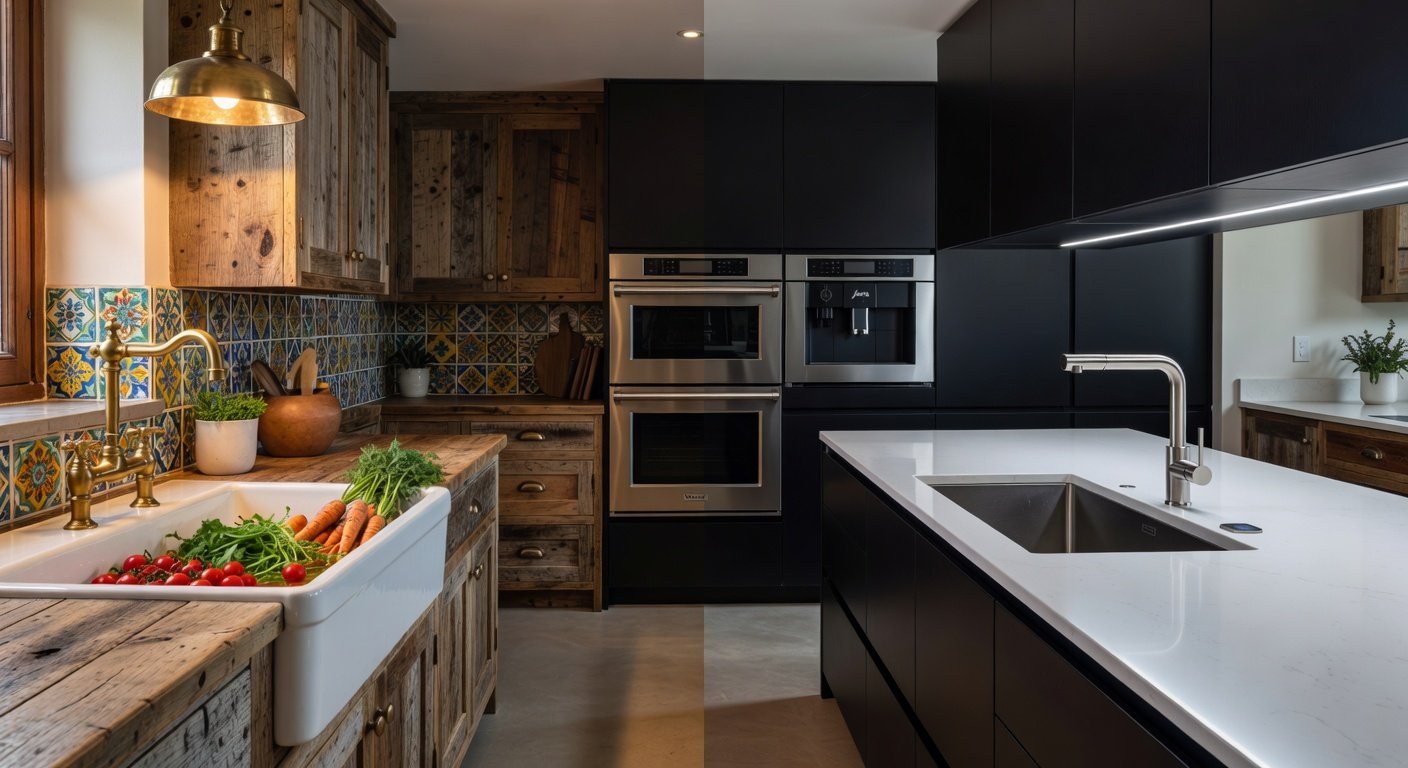
Blending technology into your kitchen's aesthetic requires thoughtful placement. Conceal sensors behind cabinetry or within backsplashes to maintain clean lines. Choose finishes that match your hardware—matte black for modern looks or brushed nickel for transitional styles. Use recessed lighting panels that double as smart controls without visible clutter. Consider built-in charging stations in islands to keep counters free of cords.
Brand Comparisons: Samsung vs Bosch
Samsung offers robust AI features in refrigerators with large touchscreens and family hub connectivity, excelling in app ecosystems for busy households. Bosch focuses on quiet operation and precision engineering in dishwashers and ovens, often providing superior build quality for minimalist designs. Homeowners should evaluate based on priorities like user interface versus durability. Both brands support energy-efficient models that align with modern standards.
Future-Proofing Your Smart Kitchen
To ensure longevity, select devices supporting Matter or Zigbee protocols for broad interoperability. Invest in scalable hubs that allow adding components without full replacements. Regularly update firmware to address security vulnerabilities and maintain performance. Planning for modular upgrades now prevents obsolescence as new technologies emerge.
Real Homeowner Case Studies
The Thompson family in Seattle renovated their kitchen with voice faucets and AI appliances, reporting 20% lower utility bills within months through automated scheduling. In contrast, the Rivera household in Austin emphasized lighting integration, achieving a cohesive smart ecosystem that enhanced their entertaining space without disrupting their classic design.
Compatibility Checklist
- Verify Wi-Fi strength throughout the kitchen area.
- Confirm device protocols match your existing smart home system.
- Check voltage requirements against your electrical panel capacity.
- Ensure app compatibility with your primary smartphone operating system.
- Test for interference with other wireless devices before final installation.
FAQs on Energy Savings and Security
How much can smart tech reduce energy costs? Devices with efficient modes and scheduling often deliver noticeable savings by optimizing usage patterns, according to guidelines from the U.S. Department of Energy.
Are smart kitchens secure from hacking? Use strong passwords, enable two-factor authentication, and choose brands with regular security updates. The National Institute of Standards and Technology provides frameworks for protecting connected home devices.
Smart kitchen renovations in 2026 offer transformative potential when executed thoughtfully. By focusing on integration, compatibility, and forward-thinking design, you can create a space that delivers daily convenience and lasting value.
No comments yet. Be the first!