 Fixated on Home
Introduction to Modern Kitchen Backsplashes
Kitchen renovations in 2026 emphasize backsplashes that seamlessly blend aesthetics with everyday practicality. Homeowners seek designs that protect walls from splashes while enhancing the overall kitchen vibe. This guide explores timeless yet contemporary options that elevate property appeal without overwhelming trends. A well-chosen backsplash serves as both a functional barrier against moisture and grease and a focal point that ties together cabinets, countertops, and flooring. In modern homes, the emphasis is on materials and patterns that feel fresh yet enduring, ensuring the space remains stylish for years to come. Whether you are updating a compact urban kitchen or expanding a family-sized layout, understanding the nuances of backsplash selection helps create a cohesive design that boosts daily enjoyment and long-term home value.
Comparing Popular Backsplash Materials
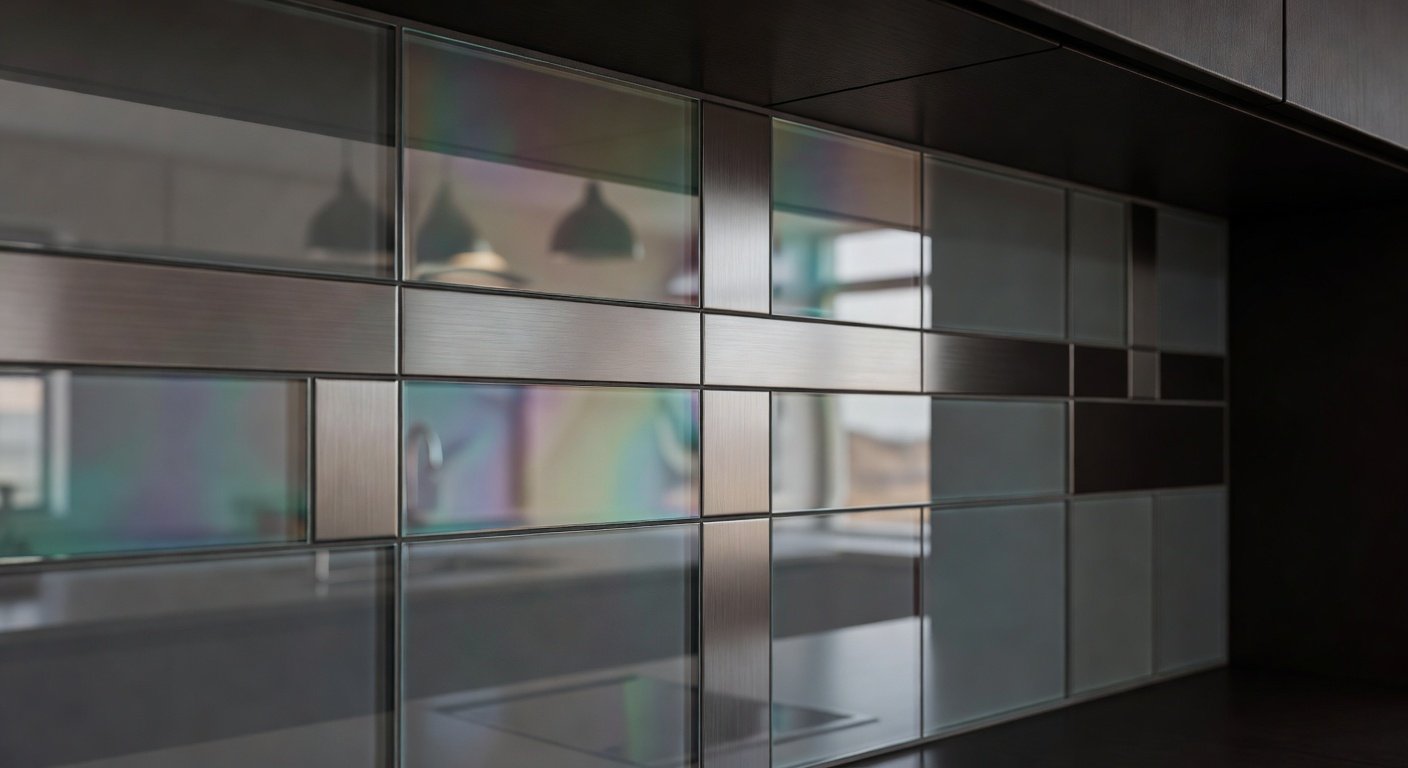
Tile remains a top choice for its versatility and longevity. Ceramic and porcelain tiles offer excellent durability against moisture and heat, making them ideal for busy kitchens. These materials resist staining and can handle the high temperatures near stoves and ovens. Glass tiles provide a sleek, reflective surface that brightens smaller spaces, though they require more careful cleaning to avoid streaks and can show water spots more readily. Metal options, such as stainless steel or copper panels, deliver an industrial edge with superior heat resistance but may show fingerprints over time and require occasional polishing to maintain shine.
Direct comparisons highlight trade-offs in performance. Tile scores high on ease of maintenance with simple grout sealing, offering scratch resistance and a wide range of sizes and shapes for creative layouts. While glass excels in modern elegance and light reflection, it can be prone to chipping at edges if not installed with precision. Metal stands out for quick wipe-downs in high-heat zones yet demands attention to avoid scratches from utensils. Recent remodels show homeowners favoring hybrid approaches, like pairing porcelain with metallic accents for balanced performance and visual depth. When selecting, consider the kitchen's primary use: families with children may prioritize forgiving tile surfaces, whereas minimalist designs lean toward smooth glass or metal for a streamlined look.
Durability and Maintenance Breakdown
- Tile: Highly durable, low maintenance after proper sealing; ideal for daily spills.
- Glass: Moderate durability, needs streak-free cleaners; best in low-traffic zones.
- Metal: Excellent heat resistance, fingerprint-prone; suits contemporary styles.
Color and Pattern Matching with Cabinetry
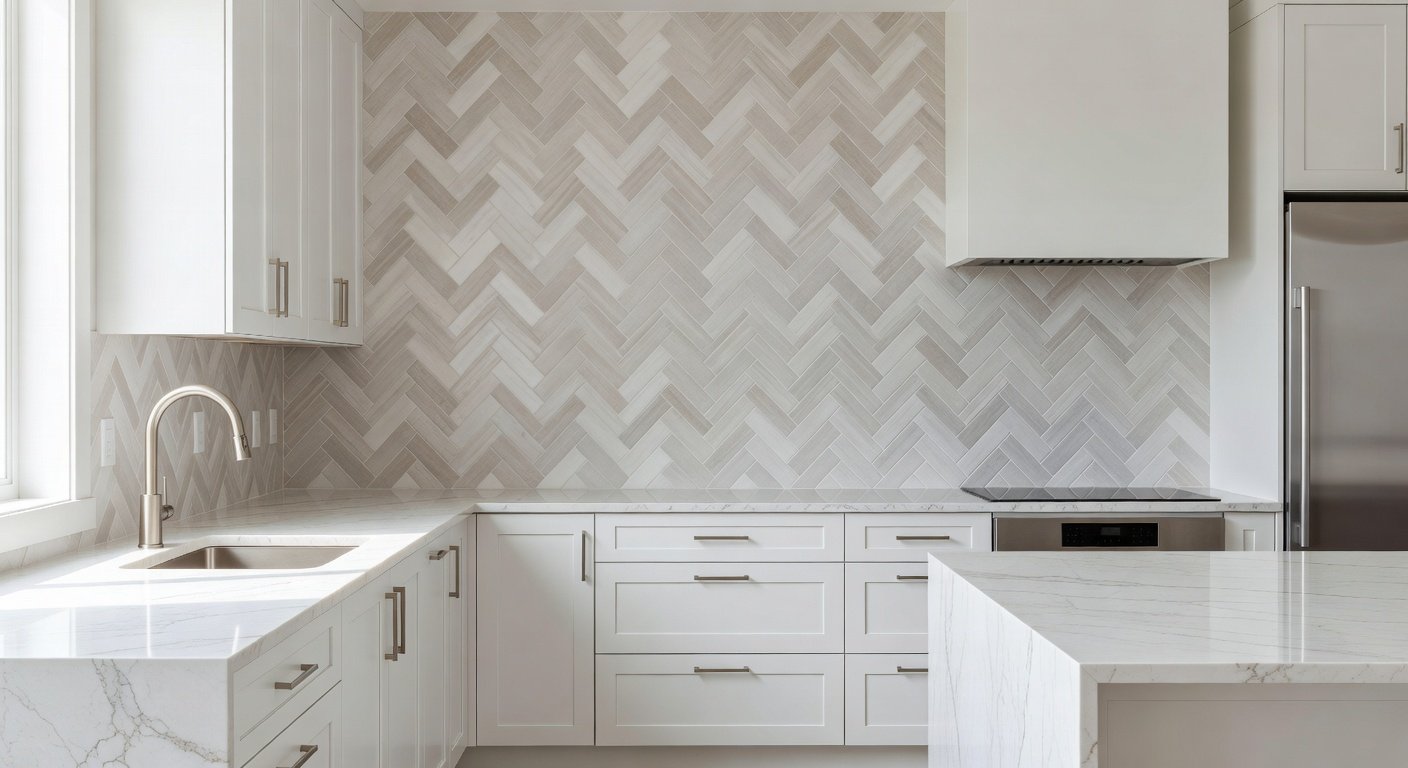
Coordinating backsplash colors with existing cabinets creates harmony throughout the kitchen. Neutral tones like soft grays or warm beiges pair beautifully with white shaker cabinets for a clean, airy feel that expands the perception of space. Bold patterns, such as herringbone or geometric mosaics, add personality to minimalist cabinetry without clashing, creating dynamic visual interest. For dark wood cabinets, lighter backsplashes prevent the space from feeling closed-in and help reflect natural light from windows or under-cabinet lighting.
Consider matte finishes for high-traffic areas to minimize visible smudges and fingerprints. Real-world examples from 2025-2026 projects demonstrate how subtle veining in marble-look tiles echoes quartz countertops for cohesive flow. Experiment with patterns that repeat cabinet hardware colors or introduce complementary hues from nearby flooring. This matching process not only enhances aesthetics but also ensures the backsplash integrates as a natural extension of the room's design language rather than an afterthought.
Installation Steps: DIY vs Professional
DIY installation suits experienced renovators comfortable with measuring and tiling. Begin by preparing the wall surface, removing old adhesive, and ensuring the substrate is smooth and level. Apply thinset mortar evenly with a notched trowel, then set tiles with spacers for consistent gaps. Allow 24 hours for setting before grouting and sealing the joints to prevent water intrusion. Always measure twice and dry-fit tiles first to avoid waste and ensure alignment around outlets and corners.
Professional help is recommended for complex patterns or large areas to ensure waterproofing integrity and precise cuts. Experts handle substrate repairs, electrical adjustments, and custom designs efficiently, reducing the risk of future issues like cracking or mold. Many 2026 renovations combine both approaches: homeowners tackle simple subway tile layouts while hiring specialists for intricate metal inlays or large-format installations. Mistakes to avoid include skipping surface prep, which leads to poor adhesion, or using incompatible adhesives that fail under kitchen humidity.
Budget Considerations and Value Boost
Quality backsplash choices contribute significantly to home upgrades by protecting surfaces and adding visual appeal. Focus on materials that offer long-term savings through low maintenance rather than initial outlay alone. Explore options that align with your renovation scope for optimal returns, such as investing in durable tiles that withstand years of use without frequent replacements. These decisions help create kitchens that feel premium and functional, supporting higher property valuations during resale.
Real-World Remodel Examples
One recent project featured a linear glass mosaic in a coastal kitchen, perfectly matching light oak cabinets and creating a bright, open atmosphere that highlighted ocean views. Another used textured metal sheets behind a range to introduce subtle industrial contrast in an urban loft setting, paired with matte black hardware for dramatic effect. A suburban family home opted for oversized porcelain tiles in a soft taupe hue, complementing shaker cabinets and providing easy cleanup after meals. These examples illustrate how tailored selections adapt to different lifestyles while maintaining modern appeal.
FAQs on Waterproofing and Cleaning
- How do I waterproof my backsplash? Apply a high-quality sealant to grout lines and consider membrane underlayment during installation for maximum protection against steam and splashes.
- What are the best cleaning tips? Use pH-neutral cleaners on tile and glass; avoid abrasives on metal to preserve finishes. Regular wiping prevents buildup and extends material life.
- Can I mix materials safely? Yes, with proper transitions and sealing at joints to maintain waterproof barriers and visual continuity.
- How often should I reseal grout? Every 12 to 18 months depending on usage and exposure to moisture.
These practices ensure your backsplash remains pristine for years while supporting overall kitchen hygiene.
Conclusion
Modern 2026 kitchen backsplash ideas prioritize creativity balanced with functionality. By exploring materials, matching colors thoughtfully, and planning installation carefully, homeowners achieve upgrades that enhance daily life and property value. Start with inspiration from trusted sources like HGTV and This Old House to bring your vision to life and create a kitchen that stands the test of time.
No comments yet. Be the first!