 Fixated on Home
Kitchen Renovation Mistakes to Avoid: 2026 Remodeling Tips
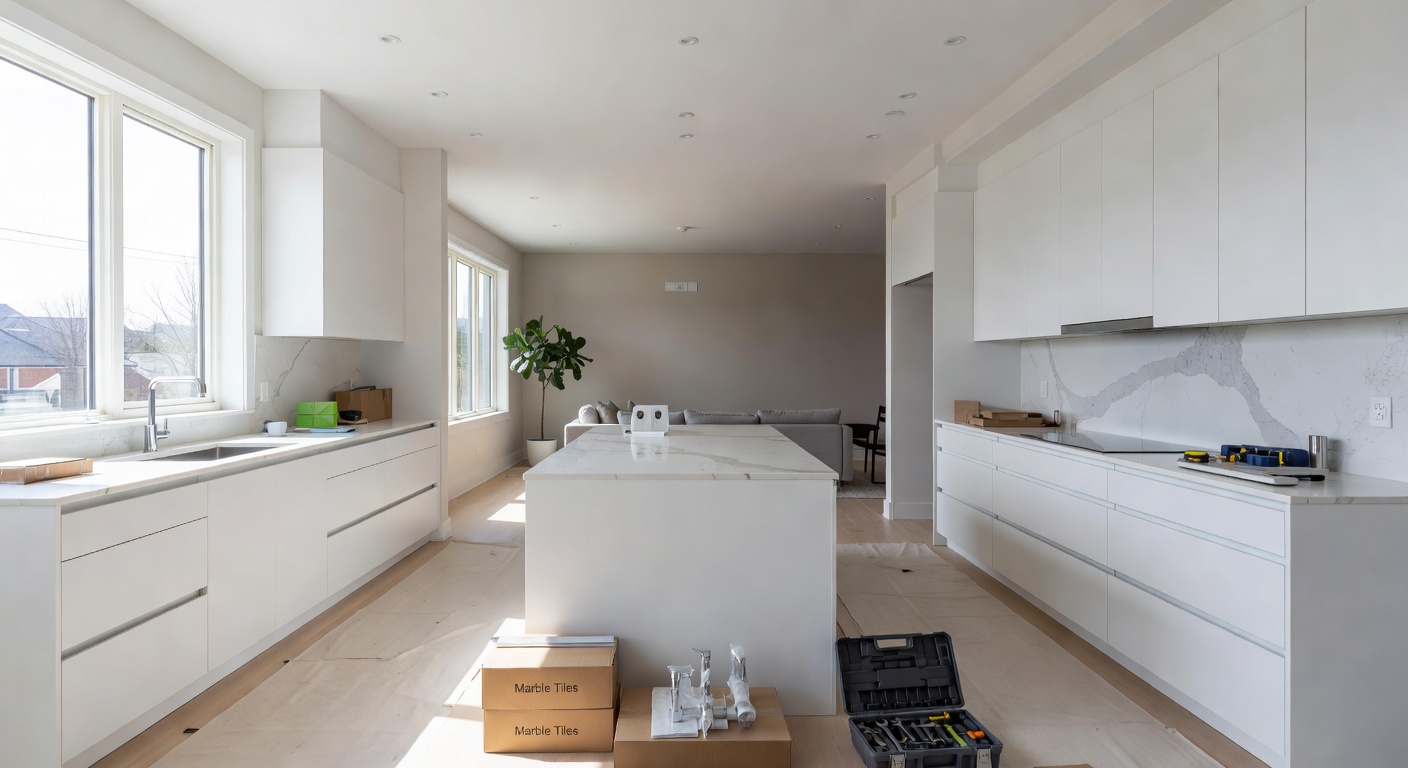
Kitchen renovations continue to rank among the highest-impact home improvement projects for 2026, delivering both enhanced daily usability and strong returns on investment. Yet many homeowners encounter preventable setbacks that transform promising upgrades into sources of frustration and added expense. This comprehensive guide examines the most frequent pitfalls encountered during kitchen remodeling, offering detailed strategies and real-world examples to help ensure projects succeed from initial concept through final installation. Whether updating an outdated space or pursuing a full gut renovation, understanding these issues in advance allows for smarter decision-making aligned with current trends like open-concept living and sustainable materials.
Poor Layout Planning
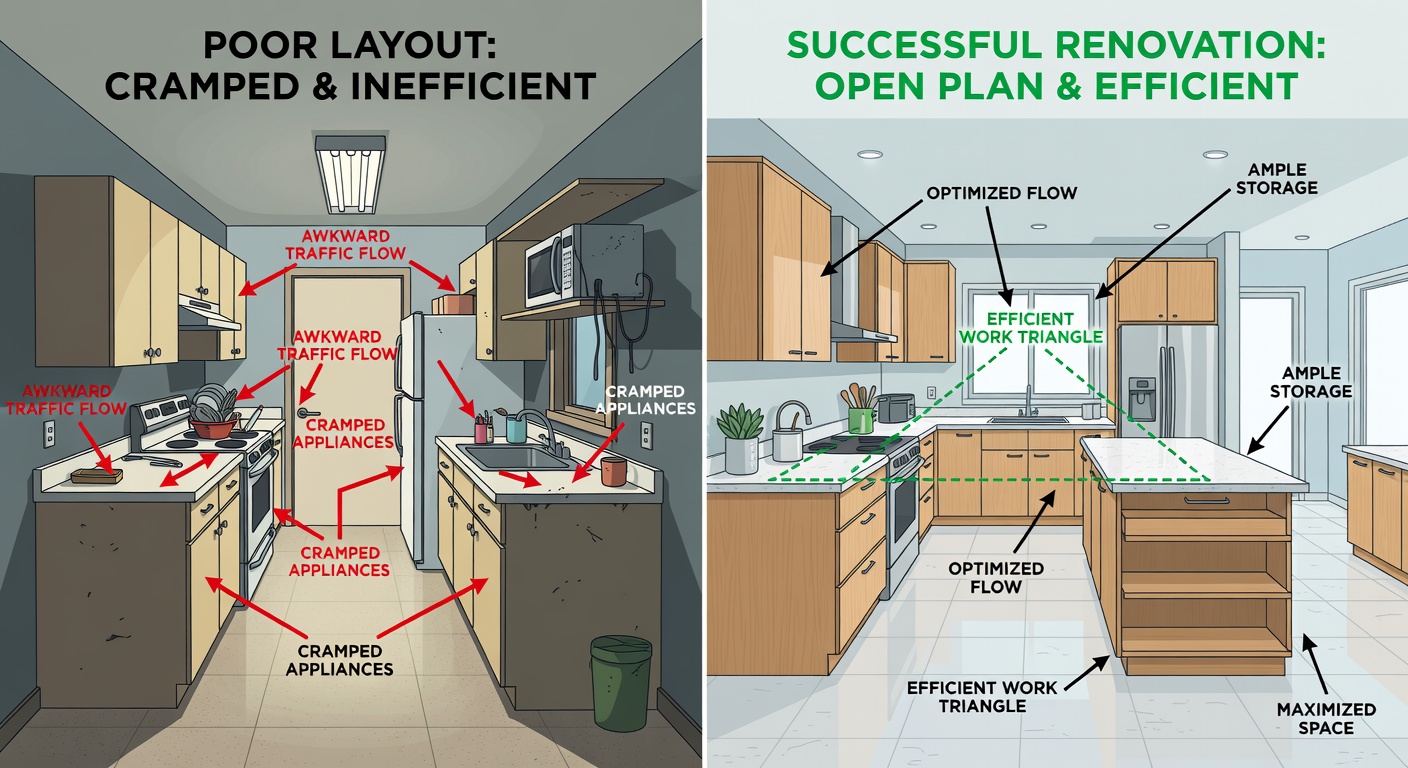
Layout errors often stem from overlooking how people actually move through and use the kitchen on a daily basis. The classic work triangle connecting the sink, range, and refrigerator must maintain efficient distances without creating bottlenecks. Homeowners frequently position islands or peninsulas too close to appliances, restricting door swings or drawer access. In one documented suburban case, a family installed a large central island without accounting for the required 42-inch clearance zones around it, resulting in constant collisions during meal prep and the need for costly post-install adjustments.
Another common oversight involves failing to map out appliance specifications before demolition begins. Modern refrigerators with French doors or built-in coffee stations require precise depth and ventilation allowances that older layouts may not accommodate. Successful remodels begin with detailed floor plans created using professional software that incorporates traffic patterns for multiple users. This includes considering accessibility needs, such as wider pathways for aging-in-place features. Consulting resources from established industry groups helps validate these plans against proven standards.
Budget Miscalculations
Financial surprises frequently arise when contingency planning receives insufficient attention. Projects that appear straightforward on paper can encounter hidden structural issues, such as outdated wiring or plumbing that must be updated to meet current codes. Effective budgeting involves itemizing every element from demolition and disposal through finishes and appliances while building in flexibility for mid-project discoveries. Comparing multiple contractor proposals side by side reveals where costs diverge and highlights potential value engineering opportunities without sacrificing quality.
Failed projects often prioritize high-end visual elements before securing core infrastructure upgrades, leading to scope creep and delayed timelines. In contrast, homeowners who sequence spending—starting with electrical, plumbing, and HVAC—achieve smoother execution. Tracking expenses through shared digital spreadsheets shared with all team members prevents miscommunication. Industry benchmarks provided by the National Association of Home Builders offer useful context for realistic allocation across categories.
Unsuitable Material Selections
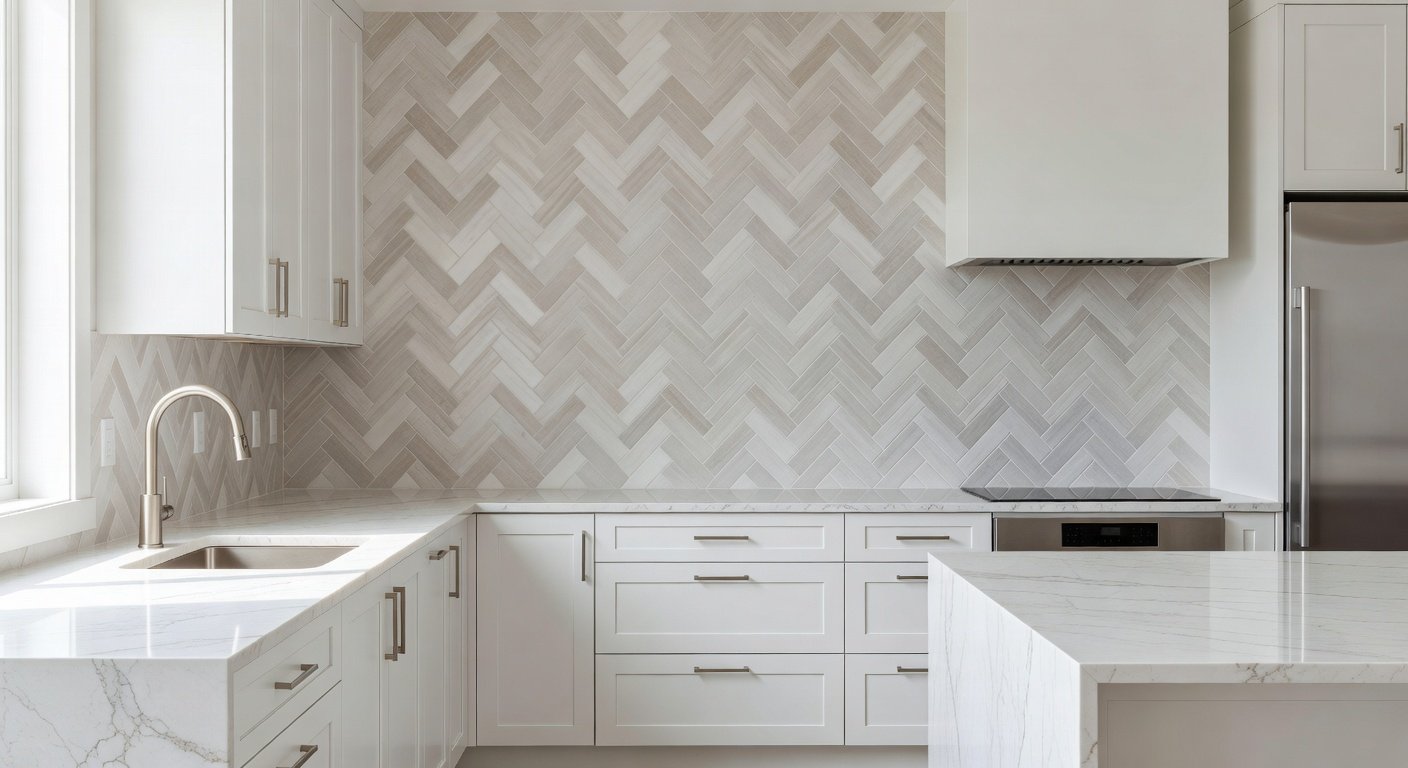
Material choices that favor current aesthetics over long-term performance create ongoing maintenance headaches. Glossy cabinet finishes may photograph well yet reveal fingerprints and scratches within months in households with children or frequent cooking. Countertop selections require evaluation of heat resistance, stain tolerance, and sealing requirements; natural stone demands regular upkeep while certain quartz composites offer better durability for busy families. Flooring decisions similarly impact outcomes, as hardwood can warp near sinks whereas porcelain tile withstands spills and heavy foot traffic more reliably.
Forward-thinking selections incorporate sustainability criteria. Low-VOC paints, recycled-content cabinetry, and energy-efficient appliances reduce environmental footprint while improving indoor air quality. Guidance from the Environmental Protection Agency on healthy building materials supports informed choices that align with 2026 wellness-focused remodeling priorities. Testing physical samples under actual kitchen lighting prevents disappointment once installed.
Ignoring Lighting and Electrical Needs
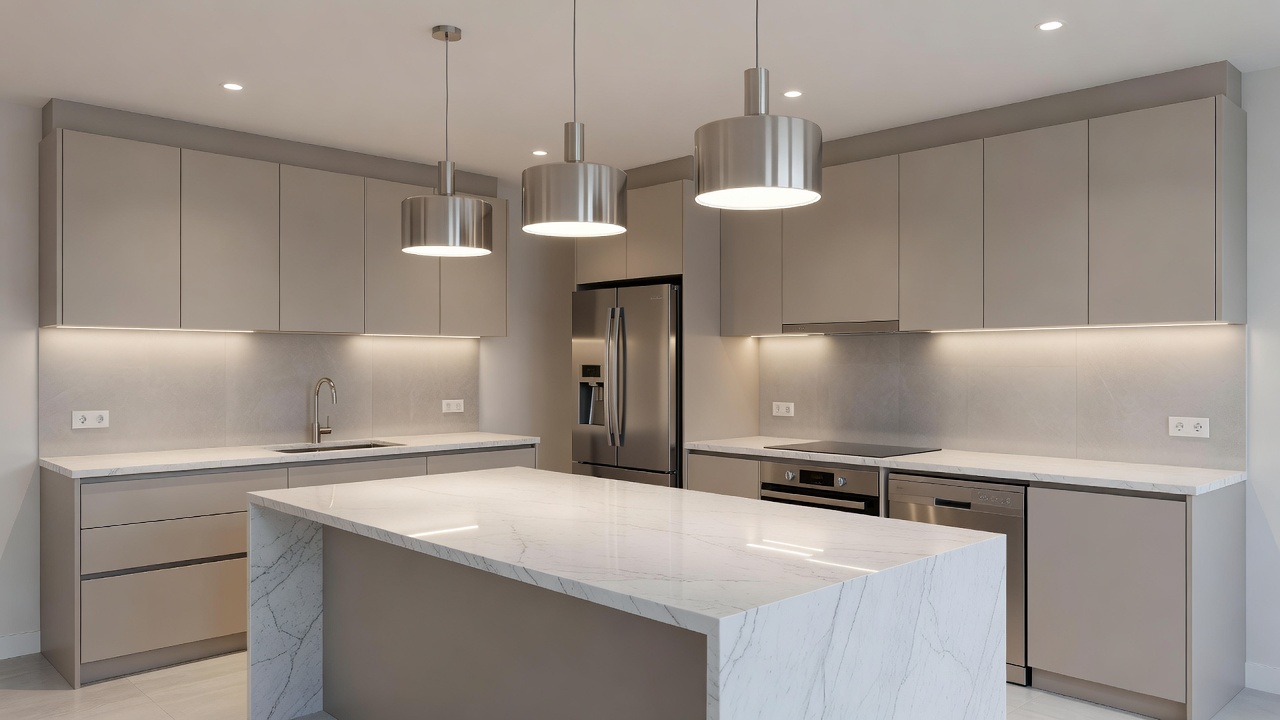
Insufficient lighting planning ranks high among overlooked elements. Layered illumination combining task lights under cabinets, ambient ceiling fixtures, and accent strips creates functional and inviting spaces. Many renovations rely solely on a single overhead fixture, resulting in shadows across work surfaces. Electrical capacity must also be assessed early; adding multiple small appliances, under-cabinet lighting, and smart features often requires dedicated circuits to avoid tripped breakers. Integrating dimmers and motion sensors enhances both convenience and energy efficiency in updated kitchens.
Overlooking Storage and Organization
Storage shortfalls become apparent only after cabinets are installed. Deep base cabinets without pull-outs waste space, while upper cabinets placed too high become inaccessible. Successful designs incorporate vertical storage solutions, corner carousels, and integrated organizers tailored to specific household needs such as baking supplies or small appliances. Case studies demonstrate that retrofitting storage after completion proves far more expensive than incorporating it during initial planning stages.
Step-by-Step Avoidance Checklist
Following a structured process dramatically reduces risk. Begin by clarifying priorities through family discussions and lifestyle assessments. Next, engage licensed professionals for measurements and preliminary drawings. Secure multiple competitive bids that detail every line item. Verify credentials through state licensing portals and recent client references. Establish a written timeline with milestone payments tied to completed phases. Select and approve all materials in advance to prevent delays. Schedule weekly site meetings to address emerging questions promptly. Finally, conduct a thorough walkthrough before final payment to confirm every element meets expectations.
Successful vs. Failed Approaches Compared
Projects that succeed emphasize early collaboration between designers, contractors, and homeowners. They allocate time for material testing and maintain open communication channels. Failed efforts typically skip preliminary planning, select contractors based solely on lowest price, or change scope repeatedly without adjusting budgets. One family achieved a seamless open-concept kitchen by modeling traffic flow digitally beforehand, while another faced repeated rework after ignoring appliance dimensions during the bidding phase. The contrast underscores how proactive research and phased decision-making produce lasting satisfaction versus reactive fixes.
FAQ on Contractor Selection
How do I verify a contractor's reliability?
Review state licensing databases, request three recent local references, confirm current insurance certificates, and search online review platforms for consistent patterns in feedback.
What questions should I ask during interviews?
Ask about experience with similar scope projects, expected timeline including buffer periods, policies for handling change orders, warranty terms on labor and materials, and communication protocols throughout construction.
Is it better to hire a designer or general contractor first?
Engage a qualified kitchen designer initially to refine the layout and specifications, then transition to a licensed general contractor experienced in executing detailed plans for cohesive results.
Should I consider permits and inspections early?
Yes, confirm permit requirements during the planning phase to avoid work stoppages and ensure all modifications comply with local building codes.
Conclusion
Navigating a kitchen renovation successfully in 2026 demands attention to layout efficiency, realistic budgeting, durable materials, and thorough contractor vetting. By addressing these areas with detailed planning and the checklists provided, homeowners can minimize risks and create spaces that deliver both immediate enjoyment and long-term value.
No comments yet. Be the first!