 Fixated on Home
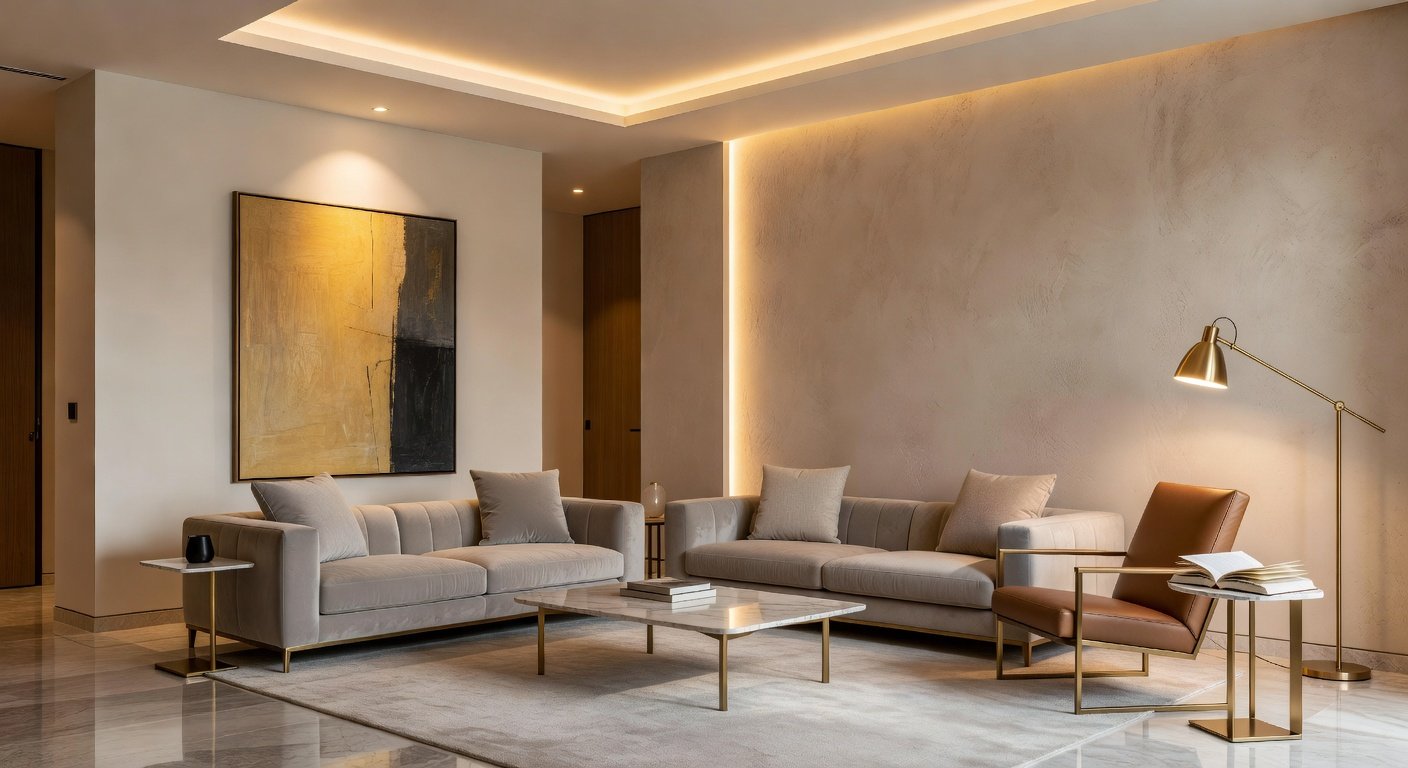
Layering lighting transforms ordinary living rooms into inviting, functional spaces that adapt to every mood and activity. In 2026, homeowners are prioritizing sophisticated lighting designs that blend ambiance, practicality, and energy efficiency as part of broader remodeling projects. Effective layered lighting not only enhances visual appeal but also improves functionality for reading, entertaining, or relaxing. This comprehensive guide walks you through proven techniques to create stunning living room designs that feel both modern and timeless, covering everything from foundational principles to advanced smart integrations.
Understanding the Three Essential Lighting Layers
Effective living room lighting relies on three distinct layers: ambient, task, and accent. Ambient lighting provides overall illumination, typically from ceiling fixtures or recessed lights that create a base level of brightness. Task lighting focuses on specific activities like reading or working, while accent lighting highlights architectural features, artwork, or textured surfaces. Combining these layers creates depth, reduces eye strain, and allows the room to transition seamlessly from day to night. Start by evaluating your room's natural light sources, ceiling height, and daily usage patterns. Rooms with large south-facing windows may need less ambient lighting during daylight hours but require strong task options for evening use. Consider how furniture placement affects light flow and plan zones accordingly for optimal results.
Ambient Lighting: Creating the Foundation
Ambient lighting sets the mood for the entire space. In modern 2026 designs, recessed LED downlights spaced 4-6 feet apart deliver even coverage without harsh shadows. Supplement with oversized flush-mount fixtures or cove lighting along crown molding for a soft glow. For larger open-concept living rooms, multiple circuits allow independent control of different zones. Always aim for a color temperature between 2700K and 3000K for warm, welcoming tones that complement most decor styles.
Task Lighting Strategies for Everyday Activities
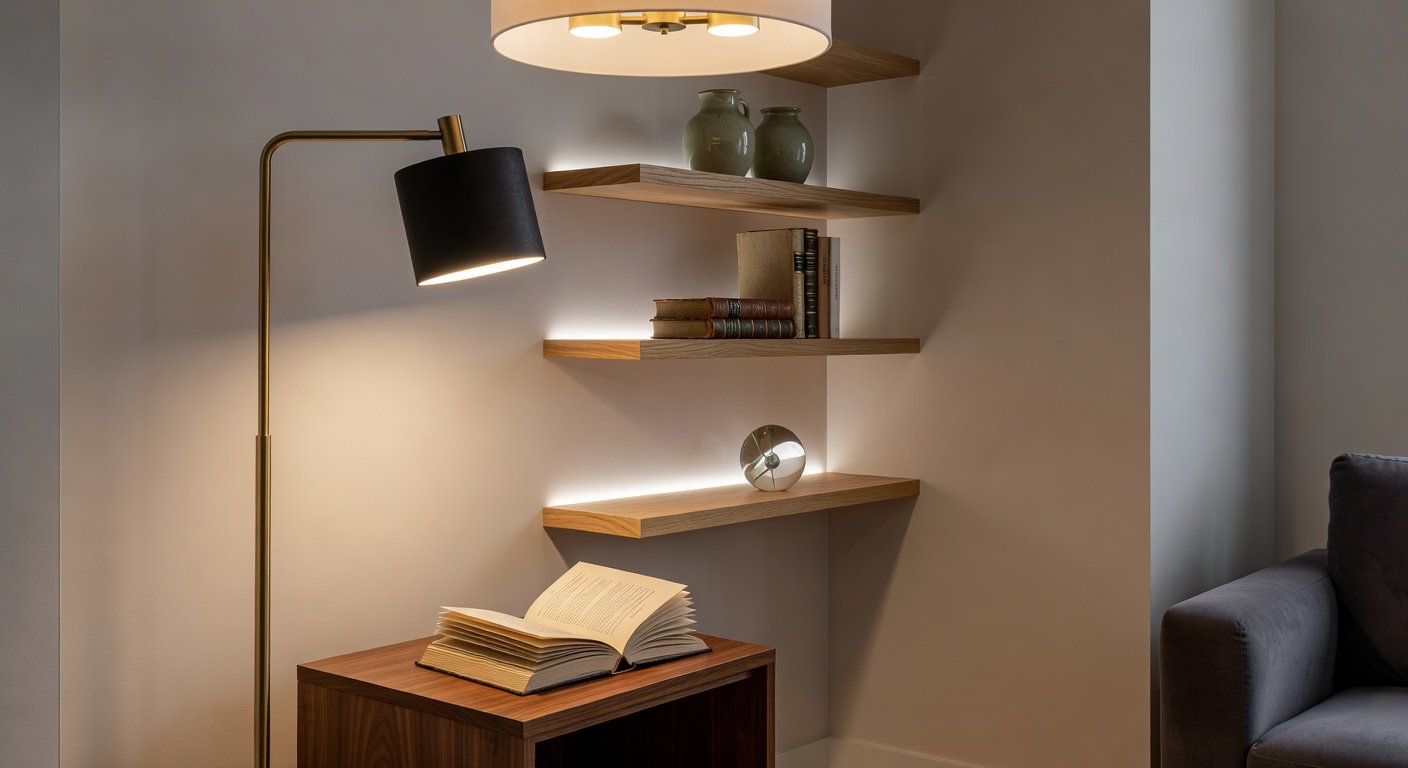
Task lighting targets specific needs such as reading, crafting, or using a laptop. Position adjustable floor lamps beside seating areas with shades that direct light downward. Wall-mounted swing-arm sconces work well above sofas or desks, freeing up table space. Under-cabinet or shelf lighting can illuminate media consoles or built-in bookshelves. Choose fixtures with high CRI values above 90 to ensure accurate color rendering for tasks involving fabrics or artwork. Test positions during both daytime and evening to confirm they eliminate glare on screens.
Accent Lighting Techniques to Highlight Features
Accent lighting adds drama and focus. Use directional track heads or recessed adjustable trims to spotlight paintings, sculptures, or fireplace mantels. LED strip lights hidden behind floating shelves or behind the TV create a subtle backglow that enhances depth. Picture lights mounted directly above frames provide precise illumination without overpowering the room. The key is balancing intensity so accents are 3-5 times brighter than ambient levels but never cause discomfort.
Selecting the Right Fixtures for Each Layer
Choosing fixtures involves matching style, scale, and functionality to your overall design vision. For ambient lighting, consider flush-mount ceiling lights, semi-flush chandeliers, or linear pendants that distribute light evenly across the room. Task lighting often includes floor lamps with multiple heads, table lamps on side tables, or adjustable wall sconces positioned near seating areas. Accent lighting works best with track systems, picture lights, or discreet LED strips. Material choices matter—brass, matte black, and brushed nickel finishes remain popular in 2026 for their versatility across contemporary and transitional styles. Always measure your ceiling height and furniture placement before purchasing to ensure proper proportions and avoid overwhelming the space.
Incorporating Smart Controls and Automation
Smart lighting systems allow precise control over brightness, color temperature, and scheduling through apps or voice commands. Integrate dimmers, motion sensors, and voice-activated hubs to adjust layers instantly. Many systems now support circadian rhythm settings that shift from cool daylight tones in the morning to warm evening hues for better sleep patterns. Popular platforms connect seamlessly with existing home networks, enabling routines like “movie mode” that dims ambient lights while activating subtle accent spots. These upgrades enhance both convenience and energy savings without major rewiring in most cases. Pair systems with compatible bulbs for maximum flexibility.
Step-by-Step Installation Examples
- Map your lighting zones on paper, noting outlets, switch locations, and natural light patterns.
- Install ambient fixtures first, starting with ceiling work before moving to walls or floors.
- Position task lamps and test their reach for reading nooks, desks, or media areas during actual use.
- Add accent lighting last, aiming beams at artwork, architectural details, or textured walls for maximum impact.
- Program smart controls and test all layers together at different times of day to fine-tune settings.
- Consult a licensed electrician for any new wiring or if your home requires electrical panel upgrades.
Document each step with photos for future reference or professional handoff. Real-world examples show that starting with ambient and layering downward prevents over-lighting and simplifies adjustments.
Comparing Energy-Efficient Lighting Options
LED technology continues to dominate due to its longevity and low heat output. Compare bulbs by lumens per watt and color rendering index (CRI) for accurate color representation. Dimmable LEDs paired with smart controls offer the greatest flexibility for layered designs. Look for ENERGY STAR certified products that meet strict efficiency standards. For detailed guidance on efficient lighting choices, consult resources from energy.gov and energystar.gov.
Real-Home Case Studies
One suburban family updated their 1980s living room by layering recessed ambient LEDs with modern floor lamps and hidden accent strips behind built-in shelving. The result created a cozy reading environment while highlighting family photos and reducing overall energy use. Another urban loft project used smart tunable fixtures to transition from bright workspace lighting during the day to dramatic evening ambiance with automated scenes. A third case involved a compact apartment where wall sconces and portable lamps maximized limited square footage without permanent alterations. Each example demonstrates how thoughtful layering adapts to different architectural styles and budgets.
Common Mistakes to Avoid
Over-reliance on a single light source creates flat, uninviting spaces. Ignoring dimmers limits flexibility and wastes energy. Placing task lights too high or too low causes glare or shadows. Failing to account for natural light changes throughout the day leads to inconsistent results. Always test fixtures in the actual room before final installation.
FAQs on Budgeting and Maintenance
How much should I budget for a full lighting upgrade? Costs vary widely based on fixture quality and whether professional installation is needed. Focus on high-impact areas first for the best return on investment.
What maintenance do layered systems require? Dust fixtures regularly and replace bulbs as needed. Smart systems benefit from occasional firmware updates to maintain performance and security.
How often should I reassess my lighting design? Review every 3-5 years or after major furniture changes to keep the room feeling fresh and functional.
For authoritative maintenance advice, refer to guidelines at ies.org.
Conclusion
Layered lighting elevates living room designs by balancing beauty and function. By thoughtfully combining ambient, task, and accent elements with smart controls and efficient fixtures, you can create spaces that adapt beautifully to 2026 lifestyles. Begin planning your project today to enjoy a more inviting and versatile home environment for years to come.
No comments yet. Be the first!