 Fixated on Home
Introduction to Texture Mixing in Living Room Design
Texture mixing has become a cornerstone of modern living room design, offering a way to introduce depth, warmth, and visual interest without requiring structural changes. In 2026, homeowners are turning to this technique to refresh their spaces using everyday materials like fabrics, woods, metals, and natural fibers. This approach transforms flat, one-dimensional rooms into layered environments that feel inviting and sophisticated. The beauty of texture lies in its ability to engage multiple senses, creating spaces that not only look appealing but also feel tactile and alive underfoot or when seated. Unlike color schemes that can shift with trends, well-chosen textures provide lasting appeal that evolves gracefully over time.
Whether your living room features a minimalist layout or eclectic furnishings, strategic texture combinations can elevate the overall aesthetic. The key lies in balancing contrasting elements while maintaining harmony with your existing furniture and color palette. Many designers emphasize starting small with accents before scaling up to larger pieces, allowing you to refine your approach based on how the room feels in daily use. This method reduces the risk of overcommitting to combinations that may not suit your lifestyle or the room's natural light patterns.
Understanding Key Texture Types
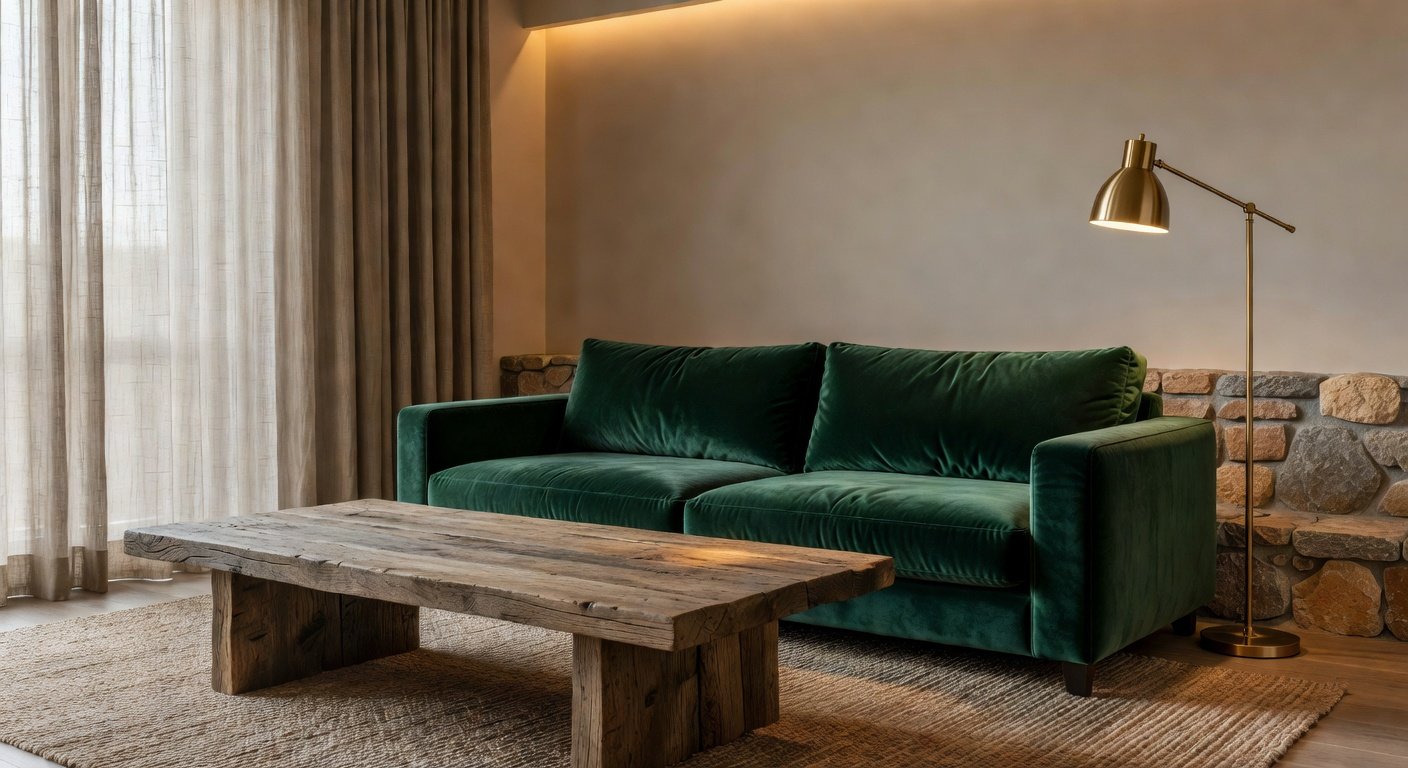
Successful texture mixing begins with recognizing the distinct qualities of common materials. Fabrics such as velvet and linen provide softness and movement, while woods like oak or walnut add organic warmth. Metals including brass and steel introduce shine and structure, and natural fibers like jute or wool bring earthy tactility. Each category interacts differently with light and space. For instance, rough woods contrast beautifully against smooth metals, creating dynamic visual tension that draws the eye across the room.
Delving deeper, consider how fabrics behave in different applications. Velvet absorbs light to create a plush, luxurious depth ideal for sofas or pillows, whereas linen reflects light subtly and offers breathability perfect for curtains or slipcovers. Woods vary from polished finishes that feel refined to distressed surfaces that evoke rustic charm. Metals can range from matte black for industrial edge to polished chrome for contemporary sleekness. Natural fibers excel in grounding a space, with options like sisal for durability or sheepskin for added coziness. Understanding these nuances helps you select pieces that not only complement but enhance one another over seasons of use.
Step-by-Step Selection Process
- Assess your current living room layout and identify dominant surfaces such as walls, flooring, and large furniture pieces. Note any existing textures that already contribute character, like exposed brick or hardwood floors, so new additions build upon rather than compete with them.
- Choose a primary texture as your foundation, typically a neutral fabric for seating. This anchors the room and provides a consistent base from which to layer secondary elements.
- Select two to three complementary textures that vary in scale and finish to avoid monotony. Aim for a mix of soft, hard, matte, and reflective surfaces to create visual rhythm.
- Test samples in the actual lighting conditions of your space before committing to purchases. Natural daylight versus evening lamps can dramatically alter how textures appear and feel.
- Layer gradually, starting with larger items like rugs or curtains before adding smaller accents. This phased approach allows you to evaluate balance at each stage and make adjustments without disruption.
Pairing Rules for Visual Balance
Effective pairing follows simple guidelines to prevent chaos. Combine no more than four distinct textures in one area, ensuring at least one smooth element offsets rougher ones. Scale matters: pair oversized chunky weaves with fine, delicate materials for contrast without competition. Color coordination helps unify diverse textures. Stick to a restrained palette of three to five hues so that texture, rather than color, becomes the focal point. Consider proportion carefully, placing heavier textures lower in the room to ground the design while lighter ones occupy upper areas for lift and airiness.
Another rule involves repetition for cohesion. Introduce a single texture in multiple forms, such as a wooden coffee table paired with wooden picture frames, to tie the composition together. Avoid clustering all bold textures in one corner; instead distribute them evenly to guide the eye naturally through the space. These principles draw from established interior design practices shared on sites like Architectural Digest and help ensure the final result feels intentional rather than accidental.
Real-World Examples and Before-and-After Comparisons
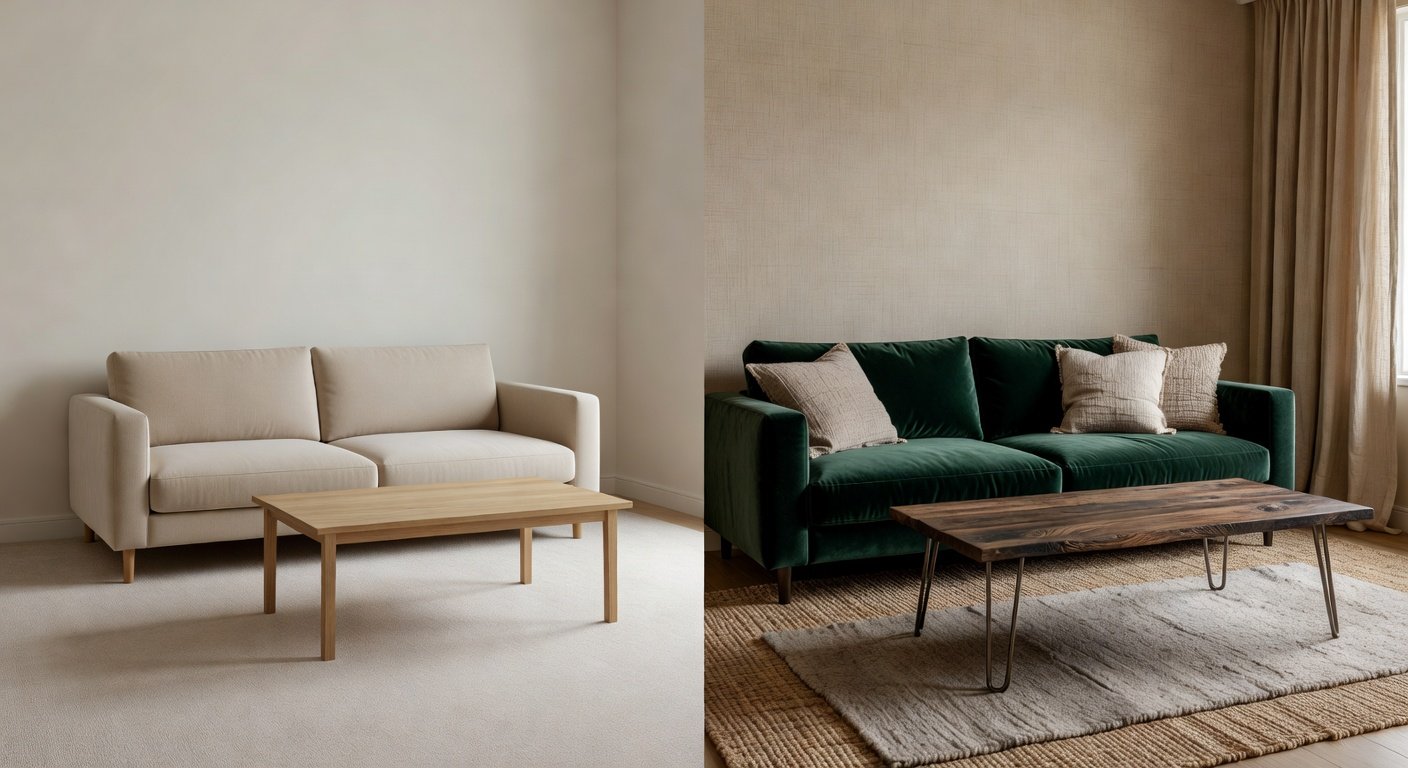
Consider a suburban living room updated in early 2026. The original space featured uniform microfiber upholstery and laminate flooring, resulting in a flat appearance. After introducing a wool area rug, reclaimed wood side tables, brushed nickel lamps, and linen drapes, the room gained immediate depth. The before version felt sterile and uninviting during gatherings, while the after version encouraged longer conversations thanks to the inviting layers that prompted guests to touch and appreciate the materials. Subtle applications, such as adding just one metal accent, yield understated elegance suitable for formal spaces, while bolder mixes incorporating multiple natural fibers create cozy, collected vibes ideal for family homes.
Another example involved a compact urban apartment where budget-friendly sourcing from local markets allowed the homeowner to layer jute baskets, a velvet ottoman, and oak shelving. The transformation highlighted how texture can make smaller spaces feel more expansive by adding visual interest that distracts from limited square footage. A third case study showed an open-concept loft where repeating leather in both seating and wall art unified the large area without overwhelming it. These real-world applications demonstrate the versatility of texture mixing across different room sizes and styles.
Budget-Friendly Sourcing Tips
Focus on versatile pieces that serve multiple roles. Thrift stores and online marketplaces often yield unique wooden or metal finds at accessible prices. Prioritize quality over quantity by investing in one statement texture, such as a handwoven rug, and supplementing with affordable fabric throws. Explore remnant fabric bins at craft stores for custom pillow covers that introduce new textures without high costs. Repurpose existing items by adding texture through slipcovers or overlays rather than full replacements. Seasonal sales at major retailers provide opportunities to refresh accessories without overspending. Always measure your space carefully to ensure new items integrate seamlessly with existing layouts. For further inspiration on sourcing, resources from House Beautiful offer practical guidance tailored to various budgets.
Integrating Textures with Existing Layouts
Start by anchoring the room with your largest texture element, such as a sofa or rug. Build outward by adding layers that complement traffic flow and focal points like fireplaces or windows. In open-plan homes, repeat key textures across zones to create cohesion and prevent the space from feeling disjointed. Account for functionality by choosing durable textures in high-traffic areas, such as performance fabrics on family seating or sturdy woods for console tables. Lighting plays a crucial role. Position lamps to highlight metallic surfaces or cast shadows on textured walls, enhancing the three-dimensional quality of your design. Consider seasonal swaps, like exchanging heavy wool throws for lighter cotton ones in warmer months, to keep the texture story fresh year-round.
Common Mistakes to Avoid
- Overloading a single corner with too many competing textures, which can make the area feel cluttered and restless rather than harmonious.
- Ignoring scale and proportion relative to room size, leading to textures that either dominate or disappear entirely.
- Neglecting maintenance requirements of natural fibers, such as regular vacuuming for wool or gentle cleaning for linen to preserve their appearance.
- Failing to test combinations under different lighting, resulting in surprises once items are installed and the room is used daily.
- Overlooking how textures interact with pets or children, choosing delicate options that may not withstand everyday wear.
2026 Texture Trends to Watch
Emerging trends for the year include combining sustainable materials like bamboo with traditional metals for eco-conscious yet striking results. Mixed metallic finishes, such as pairing aged gold with matte black, add subtle luxury. Layering sheer fabrics over opaque ones creates depth in window treatments. These trends align with broader movements toward personalized, tactile interiors that prioritize comfort alongside style, as discussed in publications like Better Homes & Gardens.
Conclusion
Mixing textures offers an accessible path to sophisticated living room design in 2026. By following structured selection processes and pairing rules, you can achieve balanced, warm spaces tailored to your lifestyle. Experiment thoughtfully, and your room will evolve into a layered sanctuary that feels both current and timeless. With attention to detail and practical application, texture mixing becomes not just a design choice but a transformative experience for your home.
FAQ
How many textures should I mix in a small living room?
Limit to three textures maximum to maintain an open feel while adding interest without visual overload.
Can I mix textures if my furniture is all the same color?
Yes, monochromatic schemes actually benefit from varied textures to prevent a flat look and introduce necessary dimension.
What are good beginner textures for first-time mixers?
Start with linen, wood, and a single metal accent for forgiving, balanced results that are easy to build upon later.
How do I maintain mixed textures over time?
Establish a simple rotation for cleaning based on material type and avoid direct sunlight on delicate fibers to extend their lifespan.
No comments yet. Be the first!