 Fixated on Home
Why Accent Walls Are a Top 2026 Living Room Upgrade
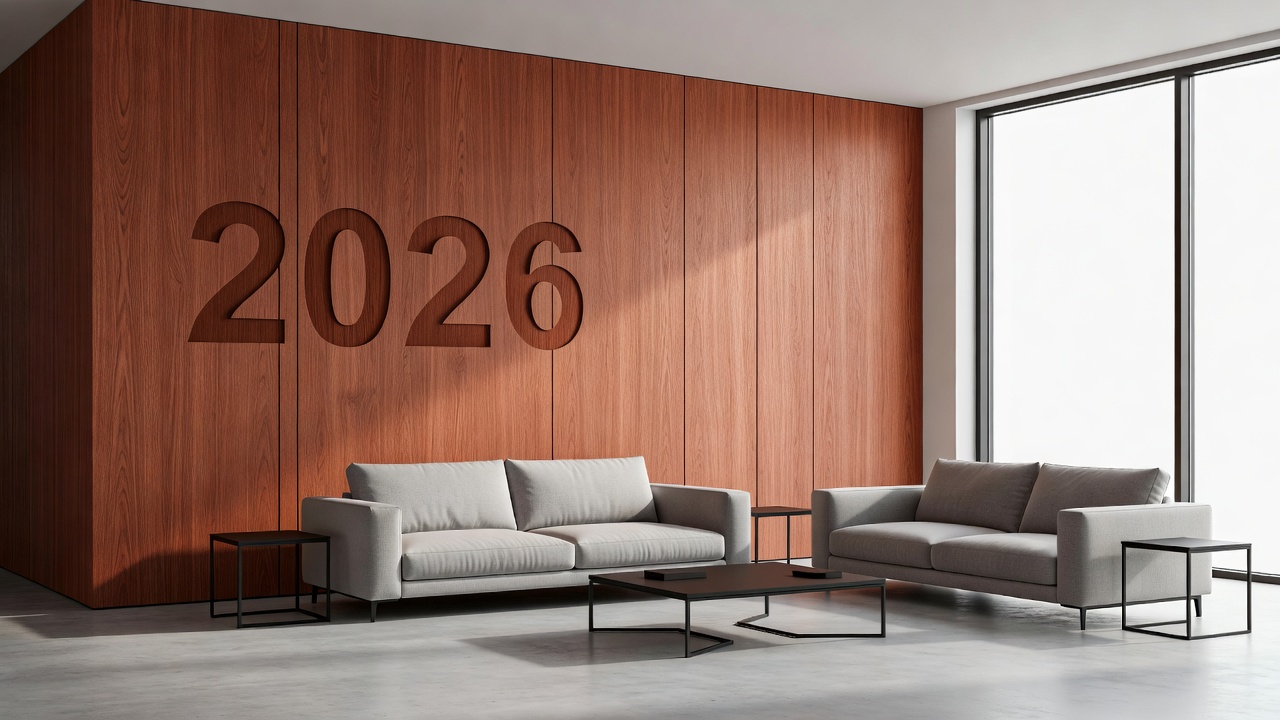
Accent walls remain a powerful way to refresh living rooms in 2026. They add personality without a full renovation and pair well with existing furniture. Homeowners seek bold yet livable designs that reflect current trends in texture and color. An accent wall can serve as the focal point of the space, drawing attention while allowing the rest of the room to remain balanced and cohesive. This approach is especially appealing for those updating their homes gradually, as it delivers noticeable impact with relatively contained effort.
Popular Materials for 2026 Accent Walls
Choose materials that match your style and skill level. Wallpaper offers quick pattern application with peel-and-stick options that are easy to remove later. Paint techniques such as geometric patterns or ombre effects deliver custom looks tailored exactly to your vision. Wood panels bring warmth and dimension, especially in natural or reclaimed finishes that emphasize sustainability. Each option aligns with 2026 trends favoring textured, eco-conscious surfaces that feel both modern and timeless. For instance, reclaimed wood adds character and supports environmental goals by repurposing materials. Wallpaper in large-scale botanical prints creates depth, while paint allows for creative stenciling or color blocking that can mimic more expensive treatments.
When comparing materials, consider durability and maintenance. Wallpaper resists fading but may show wear in high-traffic areas, whereas properly sealed wood panels offer longevity and can be refinished over time. Paint remains the most versatile and forgiving choice for beginners experimenting with new ideas.
Step-by-Step Installation Tips
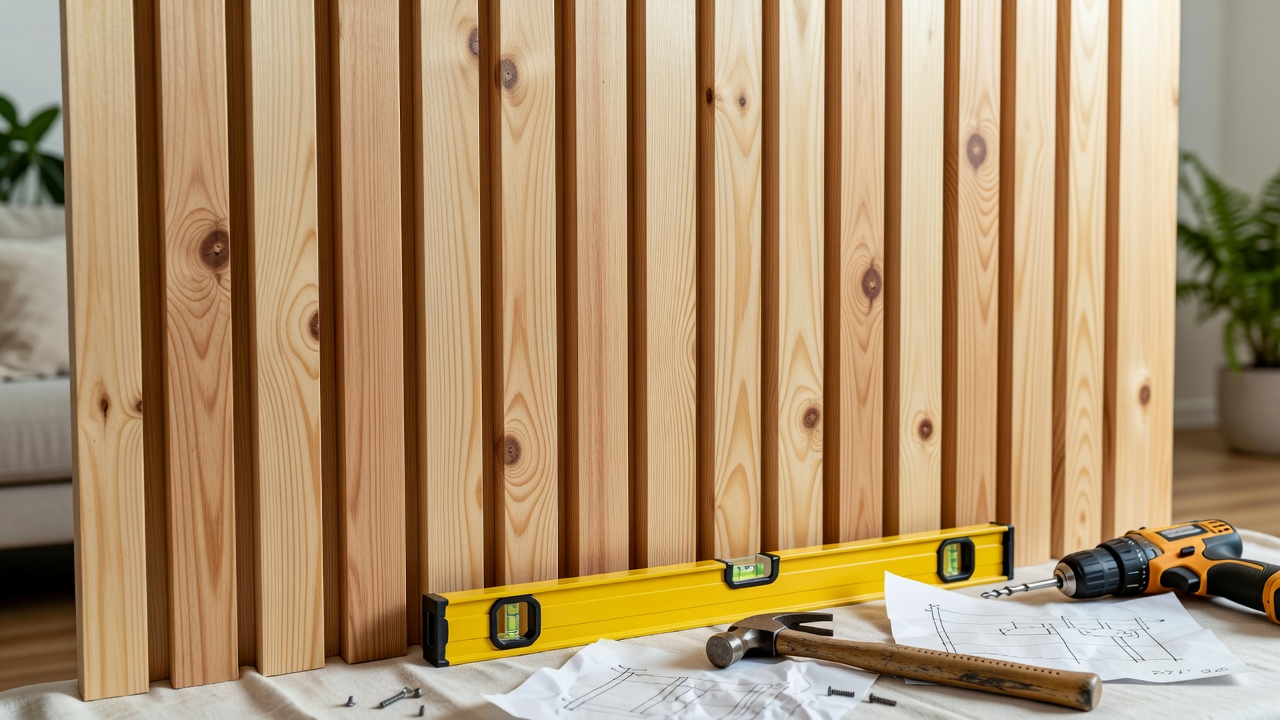
Begin by preparing the wall: clean thoroughly, repair any imperfections, and apply primer for better adhesion. Measure the wall precisely and mark guidelines with a level and pencil to ensure straight lines. For wallpaper, unroll the material, apply adhesive evenly if needed, and smooth from the center outward using a plastic smoother to eliminate bubbles. Overlap seams slightly and trim excess at the ceiling and baseboard with a sharp utility knife. Paint techniques require painter’s tape for crisp edges, multiple thin coats applied in consistent directions, and patience between drying stages. Wood panels demand secure mounting with construction adhesive or hidden screws, followed by filling gaps with caulk and applying a protective finish. Always work in good lighting and allow full curing time before moving furniture back into place. Test small sections first if trying a new technique, and keep a damp cloth handy for immediate cleanup of any spills or smudges.
Color and Pattern Pairing Advice
Pair bold accent colors with neutral furniture for visual balance. Deep emerald greens or terracotta shades work well with light-colored sofas and chairs. Patterns such as subtle geometrics or large-scale florals add interest without overwhelming the room. Test paint or wallpaper samples on the wall during different times of day to ensure the lighting brings out the intended mood rather than clashing with it. Consider the existing color palette in rugs, curtains, and artwork when selecting hues. Complementary tones create harmony, while contrasting shades generate drama suitable for modern interiors. Layering patterns—such as a textured wallpaper paired with solid painted trim—adds sophistication when executed thoughtfully.
Budget-Friendly Examples and Before-and-After Comparisons
Simple paint projects can transform a space using basic supplies and creativity. Wallpaper accents provide high visual impact with moderate effort. Wood slat walls offer a premium feel at varying investment levels depending on whether you select pine, oak, or composite options. Before-and-after photos typically show how a single wall shifts the entire room’s energy from plain to inviting, often making the space appear larger or more intentionally designed. Many homeowners report improved satisfaction with their living areas after completing such focused updates.
Common Pitfalls to Avoid
- Skipping wall preparation leads to poor adhesion and premature peeling.
- Choosing overly busy patterns that clash with existing decor and furniture.
- Ignoring scale—large rooms benefit from bigger designs while small spaces need restraint.
- Forgetting lighting considerations that dramatically affect how colors appear throughout the day.
- Overloading the accent wall with too many decorative elements that compete for attention.
Integrating the Accent Wall with Existing Furniture
Position the accent wall opposite the main seating area to naturally draw the eye when entering the room. Coordinate colors with throw pillows, artwork, or rugs already present. Keep surrounding walls light to maintain an open, airy feeling. This thoughtful placement ensures the new feature enhances rather than competes with current furnishings. Rearrange seating slightly if needed to optimize sightlines toward the accent wall, and use mirrors strategically to reflect its colors and textures throughout the space.
Additional 2026 Design Trends and Practical Considerations
Current trends emphasize biophilic elements, such as incorporating living walls or materials with natural motifs that connect indoor spaces to the outdoors. Sustainable sourcing is increasingly important, with many opting for low-VOC paints and FSC-certified wood. Lighting plays a crucial role; install adjustable sconces or LED strips behind panels to highlight texture after dark. Maintenance is straightforward for most materials—regular dusting and occasional spot cleaning suffice. For long-term satisfaction, choose designs that can evolve with seasonal decor changes.
Frequently Asked Questions
How long does an accent wall project typically take?
Most DIY projects finish in one to two weekends depending on material choice and room size, though complex wood installations may require additional days for finishing.
Can I install an accent wall without professional help?
Yes, many beginners succeed with peel-and-stick wallpaper or basic paint techniques when following proper preparation steps and using quality tools.
What trends define 2026 accent walls?
Expect continued emphasis on texture, sustainable materials, and bold yet balanced color choices that integrate seamlessly with existing home elements.
Which wall should I choose for the accent treatment?
Select the wall that naturally becomes the focal point, often the one behind the sofa or opposite the main entryway, to maximize visual impact.
For further inspiration on interior design techniques, explore resources from Better Homes & Gardens and Houzz. Detailed how-to guidance is also available at This Old House.
No comments yet. Be the first!