 Fixated on Home
Introduction to Hidden Storage in Living Room Design
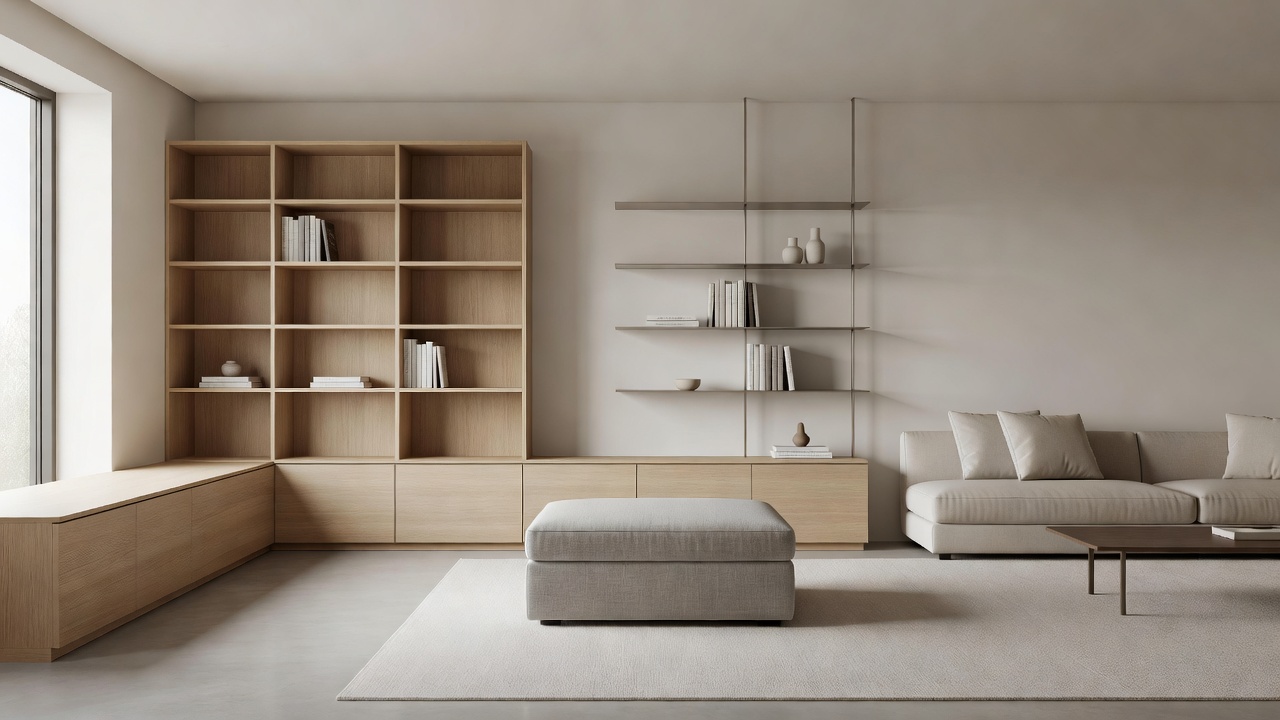
Creating a clutter-free living room starts with smart hidden storage that blends seamlessly into your interior design. These solutions not only maximize space but also elevate the overall aesthetic, making your room feel larger and more inviting. Whether you are tackling a small apartment or a spacious home, incorporating hidden storage supports both style and functionality through thoughtful remodeling tips. Many homeowners struggle with visible clutter from books, electronics, and decor items. Hidden storage addresses this by concealing items behind panels, within furniture, or along walls. This guide provides beginner-friendly advice on practical options tailored to various room sizes, including material choices and installation considerations. By focusing on living room design principles, you can achieve a polished look that feels both modern and organized without sacrificing comfort or accessibility.
Built-In Shelving for Seamless Integration
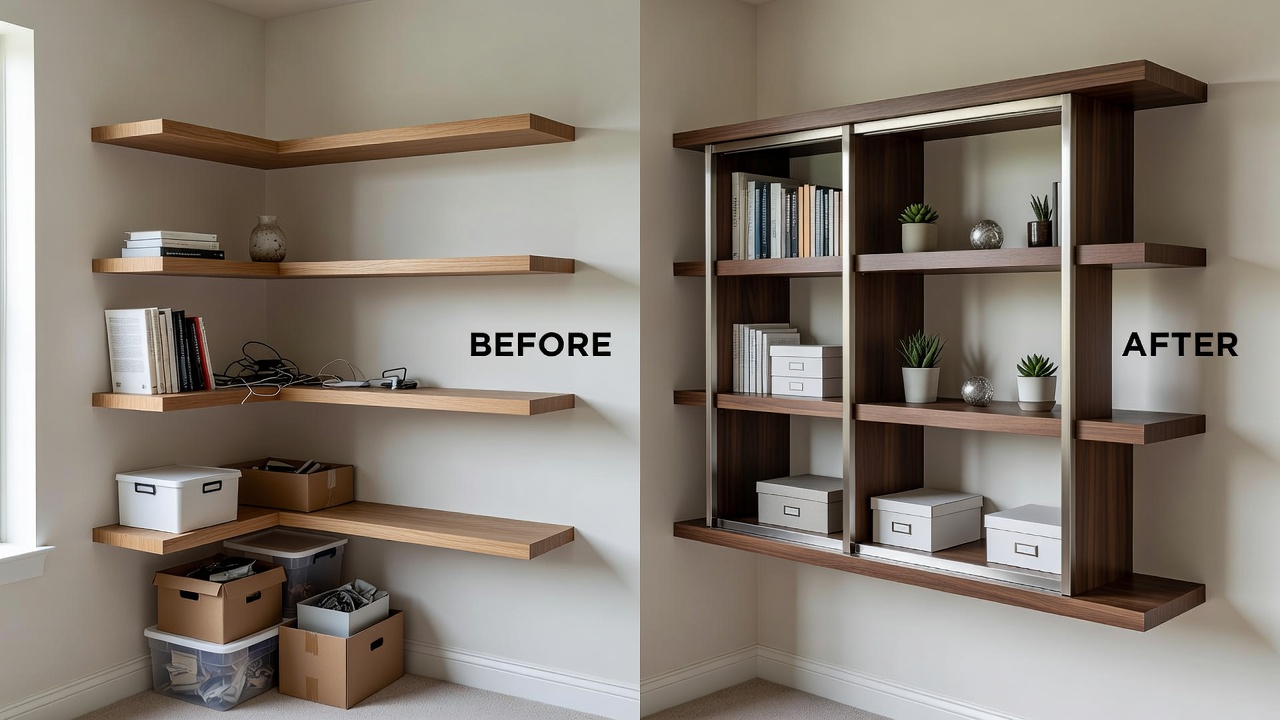
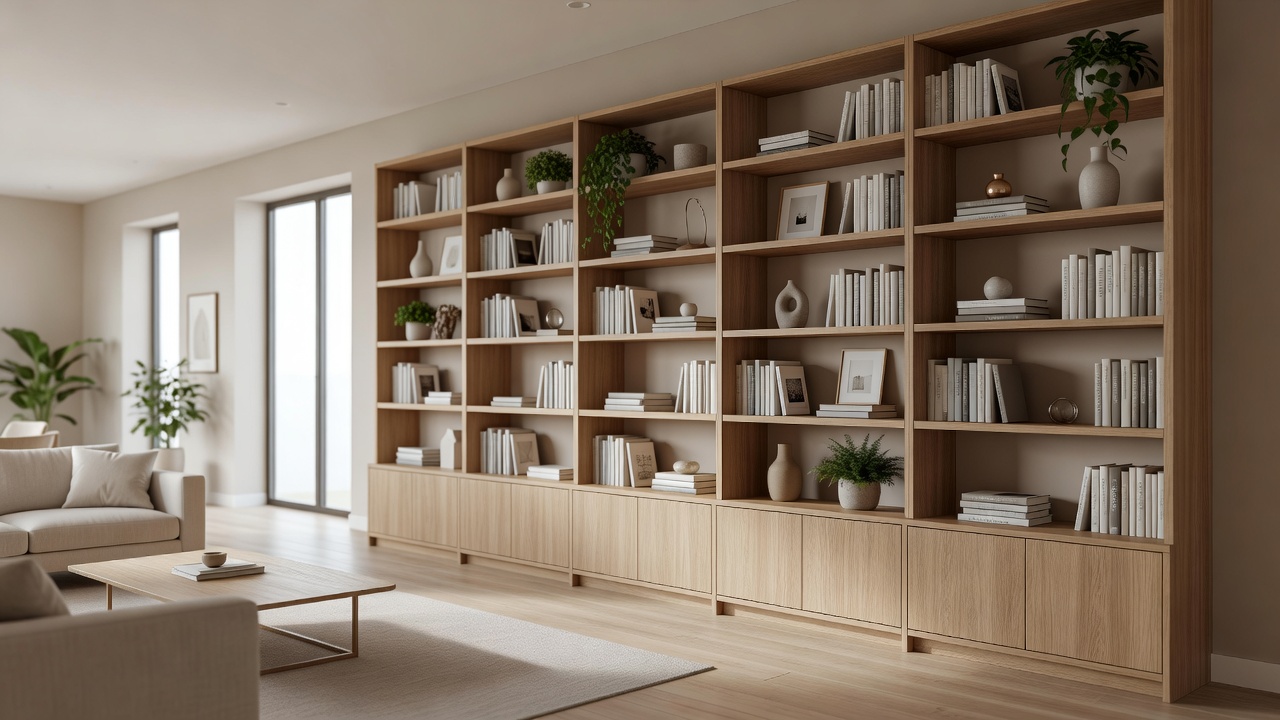
Built-in shelving offers one of the most effective ways to add storage without sacrificing floor space. These units can be customized to fit alcoves or run along entire walls, hiding books, media devices, and seasonal items behind cabinet doors or false panels. When planning built-ins, consider wall depth and existing architecture. Start by measuring your space accurately. Opt for materials like plywood or MDF for affordability and ease of painting to match your living room palette. Installation typically involves framing the unit, securing it to studs, and adding finishing touches such as trim and hardware. Before-and-after transformations often show dramatic improvements. A once-chaotic wall becomes a streamlined feature that enhances living room design while providing ample concealed storage. For different room sizes, smaller alcoves suit compact spaces while full-wall units work well in larger living areas to create balanced visual weight.
Multi-Purpose Furniture Choices
Furniture that serves dual roles is essential for clutter-free living. Look for sofas with lift-up seats, coffee tables featuring hidden compartments, and ottomans that double as storage bins. These pieces support interior upgrades by reducing the need for additional standalone cabinets. Material selection matters for durability and style. Leather or performance fabrics resist wear, while wood finishes add warmth. Ready-made options from major retailers allow quick implementation, whereas custom builds provide perfect fit and unique design elements. Practical remodeling tips include positioning multi-purpose furniture to define zones within the room. For example, a storage ottoman can anchor a seating area while keeping throws and games out of sight. In small apartments, choose scaled-down pieces that do not overwhelm the layout, while larger homes benefit from statement items that also serve as room dividers.
Vertical Storage Systems for Small and Large Spaces
Vertical storage maximizes wall height in both compact and expansive living rooms. Tall bookcases with concealed lower cabinets or floating shelves with integrated drawers offer discreet organization for electronics and accessories. Installation steps begin with locating wall studs and using appropriate anchors. Choose lightweight yet sturdy materials such as engineered wood to avoid overloading walls. Always verify load capacity before hanging heavy items. Examples demonstrate how vertical systems transform narrow rooms into organized havens. In larger spaces, they create visual balance by drawing the eye upward without overwhelming the design. Consider adding LED lighting within these systems to highlight decor while keeping cords hidden, further enhancing the clean aesthetic of your living room design.
Material Choices and Durability Considerations
Selecting the right materials ensures your hidden storage lasts and complements your decor. Plywood offers strength for structural elements, while laminate provides easy maintenance and a variety of finishes. For a premium feel, consider solid wood accents or metal hardware that resists corrosion. Always prioritize moisture-resistant options in areas near windows or vents. These choices directly impact how well the storage integrates into remodeling projects and maintains its appearance over time.
Installation Steps and Remodeling Tips
Successful installation requires careful planning. Begin with a detailed sketch of your layout, then gather tools such as a level, drill, and measuring tape. Secure all units to wall studs for safety. Test mechanisms like hinges and drawers multiple times before finalizing. For vertical systems, work from the top down to maintain alignment. These steps help avoid common errors and deliver professional-looking results that support long-term clutter-free living.
Custom Versus Ready-Made Solutions
Comparing custom and ready-made storage helps match your budget and timeline. Ready-made pieces from established brands provide immediate availability and standardized quality. Custom solutions, however, deliver tailored dimensions and finishes that perfectly complement your living room design. Key decision factors include room measurements, style preferences, and long-term flexibility. Hybrid approaches—pairing off-the-shelf units with custom trim—often yield professional results. Explore inspiration on Houzz to visualize options before committing.
Actionable Checklist for Implementation
- Assess current clutter and categorize items by frequency of use.
- Measure all available wall and floor space twice before purchasing.
- Select materials that match existing decor and withstand daily use.
- Plan electrical access for hidden media storage if needed.
- Test furniture functionality in the actual room layout.
- Schedule installation during low-traffic periods to minimize disruption.
- Review safety guidelines from This Old House for structural considerations.
Frequently Asked Questions
What budget-friendly upgrades work best for beginners?
Start with affordable multi-purpose furniture and simple floating shelves. These require minimal tools and deliver immediate visual impact while allowing gradual additions as your needs evolve.
How do hidden storage options affect room resale value?
Well-executed built-ins and organized spaces typically enhance appeal by showcasing efficient use of square footage and modern living room design trends that buyers appreciate.
Can these solutions work in rental properties?
Yes, focus on freestanding multi-purpose pieces and removable vertical systems that leave no permanent marks, making them ideal for temporary living situations.
What common mistakes should be avoided during installation?
Overlooking stud locations, choosing mismatched materials, or ignoring weight limits can lead to instability or aesthetic issues. Always double-check measurements and seek professional help for complex electrical integrations.
Conclusion
Hidden storage solutions transform living room design by eliminating clutter while supporting stylish, functional upgrades. By exploring built-in shelving, multi-purpose furniture, and vertical systems, homeowners can achieve personalized results suited to any room size. Apply the checklists and remodeling tips shared here to begin your own transformation today and enjoy a more serene, organized space.
No comments yet. Be the first!