 Fixated on Home
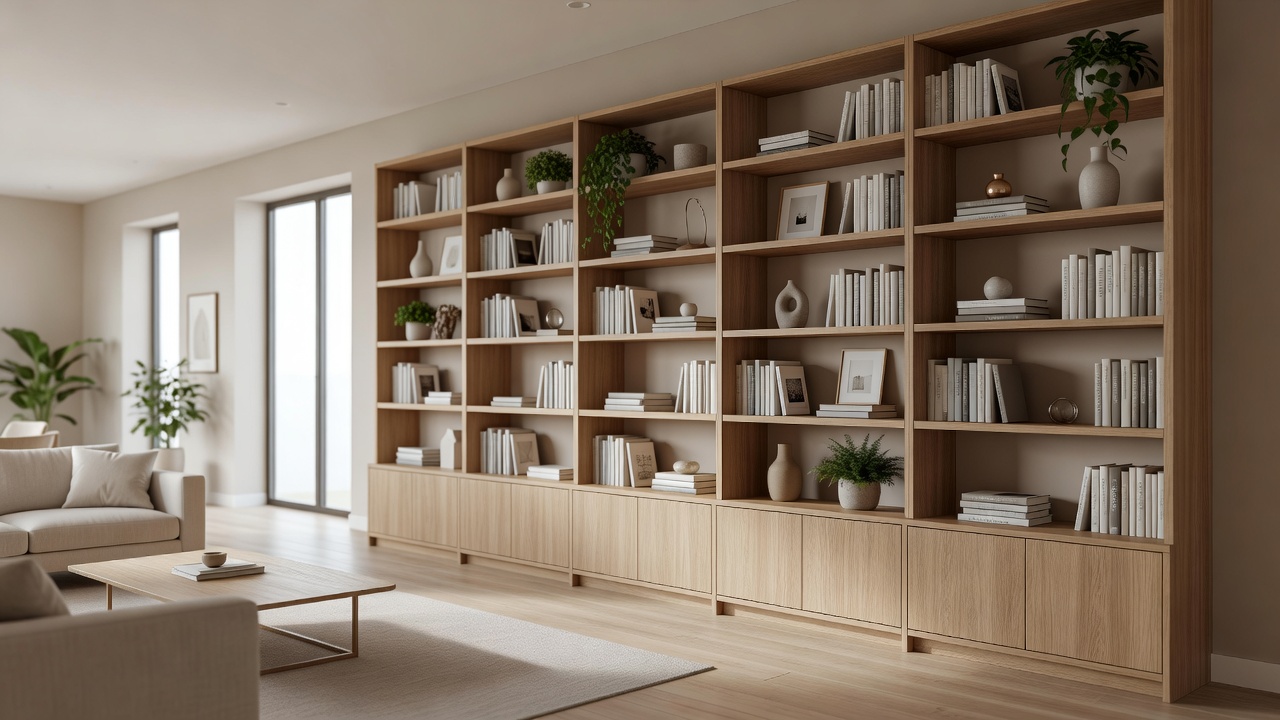
Introduction to Styling Bookshelves in Modern Living Rooms
Bookshelves serve as both functional storage and focal design elements in living room design. In 2026, homeowners are prioritizing curated displays that reflect personal style while maintaining visual harmony. Effective styling transforms cluttered shelves into sophisticated showcases that elevate the entire space. This guide covers core principles, practical techniques, and remodeling considerations to help you achieve professional results at home.
Whether you are refreshing an existing setup or planning a full remodel, understanding how to style bookshelves properly can dramatically improve the flow and personality of your living room. The key lies in thoughtful curation rather than simply filling space with items. Homeowners today seek solutions that feel intentional, blending everyday functionality with aesthetic appeal.
Core Principles of Balance and Proportion
Balance is the foundation of successful bookshelf styling. Distribute visual weight evenly across each shelf by mixing heavy items like large books or sculptures with lighter decorative pieces. Aim for asymmetry within symmetry—group objects in odd numbers for dynamic interest while ensuring the overall arrangement feels anchored. Proportion matters too: avoid overcrowding by leaving 20-30% negative space on each shelf to prevent a cramped appearance.
Consider the scale of your room when applying these principles. In smaller living rooms, opt for lighter colors and fewer layers to keep the space feeling open. Larger rooms allow for bolder groupings and taller vertical stacks. Always step back frequently during the styling process to assess the overall composition from across the room.
Layering Books with Decorative Objects
Layering adds depth and prevents flat, monotonous displays. Start with a base layer of books stacked both vertically and horizontally. Place decorative objects in front or beside them to create visual layers. Incorporate varied textures such as ceramic vases, woven baskets, or metallic accents. For example, position a tall lamp behind a row of books and flank it with smaller framed photos to build dimension without overwhelming the shelf.
Practical layering begins at the back of the shelf and works forward. Use larger items like oversized art books or storage boxes as anchors, then add mid-sized objects, and finish with small accents. This method creates a natural progression that guides the eye smoothly across the display.
Incorporating Personal Collections Without Clutter
Personal collections bring authenticity to living room decor. Curate items thoughtfully by selecting only your most meaningful pieces rather than displaying everything. Rotate collections seasonally to keep the display fresh. Group similar items together—such as travel souvenirs on one shelf and family heirlooms on another—to create cohesive vignettes that tell a story without appearing chaotic.
To avoid clutter, establish clear themes for each section of the bookshelf. Limit each shelf to three to five focal items maximum. This restraint allows individual pieces to stand out while contributing to the larger narrative of your home's style.
Color Coordination Strategies
Color coordination unifies the bookshelf with the broader living room palette. Choose a dominant color scheme and repeat it across books, objects, and accents. Neutral tones like beige, gray, and white create calm sophistication, while pops of jewel tones add energy. Arrange books by color gradient for a rainbow effect or keep spines facing inward for a minimalist look. Test arrangements under different lighting to ensure colors harmonize throughout the day.
One effective approach is to select two or three accent colors from your living room textiles and carry them through the shelf accessories. This creates visual continuity that makes the entire room feel pulled together.
Height Variation Techniques
Height variation prevents shelves from looking static. Alternate tall and short items across each level, using bookends or risers to adjust elevations. Place the tallest pieces toward the center or ends of the shelf for visual flow. This technique draws the eye naturally and creates rhythm, making even simple arrangements appear professionally designed.
Experiment with stacking books horizontally to serve as platforms for smaller objects. This not only varies height but also introduces interesting geometric shapes that add interest to the overall composition.
Seasonal Rotation Ideas with Before-and-After Examples
Seasonal rotations keep bookshelves dynamic. In spring, introduce fresh greenery and pastel accents; transition to warm metallics and cozy textiles in fall. A before-and-after example might show a cluttered shelf of mismatched books transformed into a balanced display with two focal sculptures, three plants, and color-coordinated volumes. Document changes with photos to track what works best for your space.
Another example involves swapping out heavy winter decor for lighter summer elements like seashells and linen-wrapped books. These rotations not only refresh the look but also protect items from prolonged exposure to dust and sunlight.

Built-in vs. Freestanding Bookshelf Options
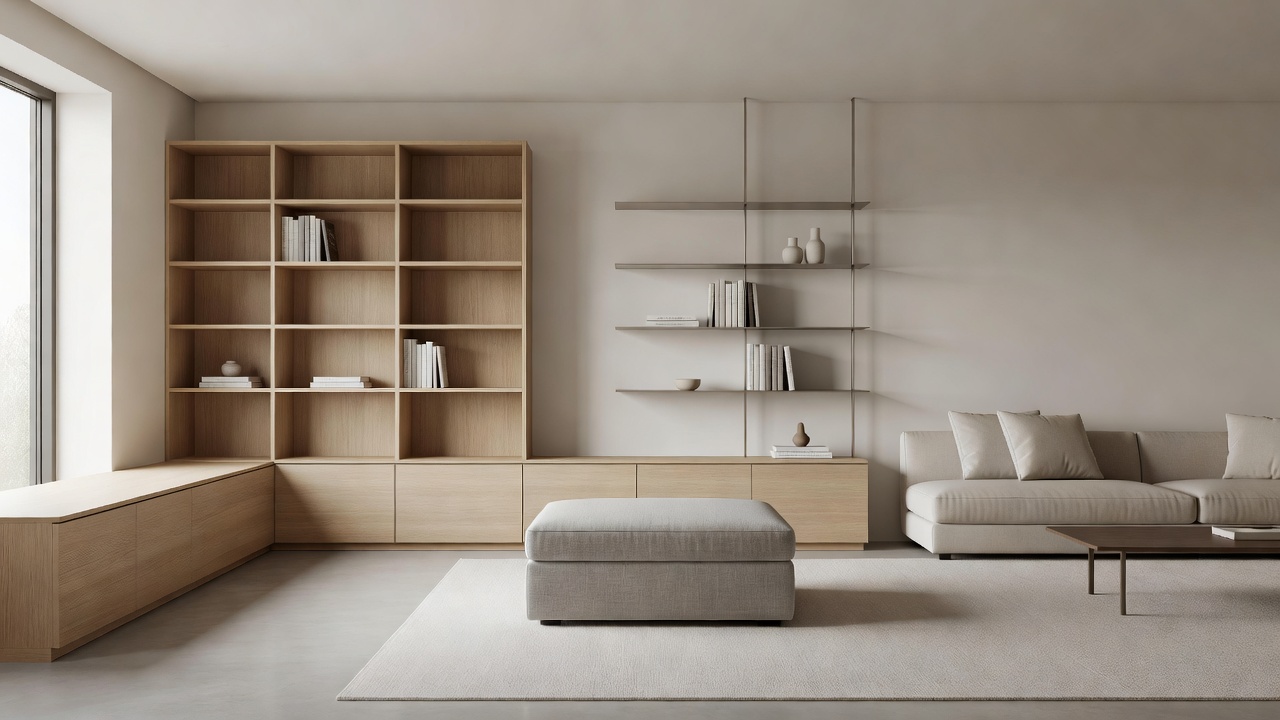
Choosing between built-in and freestanding bookshelves depends on your remodeling goals. Built-ins offer seamless integration and maximize wall space but require professional installation. Freestanding units provide flexibility for renters or those who prefer movable solutions. Consider room architecture, budget, and long-term plans when deciding. Many 2026 designs blend both for hybrid functionality.
Built-ins tend to increase home value and create a custom feel, while freestanding pieces allow easy updates as trends evolve. Assess your lifestyle needs before committing to either option.
Lighting Integration for Enhanced Impact
Lighting transforms bookshelf aesthetics. Integrate LED strip lights along shelf edges or use adjustable spotlights to highlight key pieces. Warm lighting (2700-3000K) creates an inviting atmosphere, while smart controls allow seasonal adjustments. Proper illumination prevents shadows and emphasizes texture, making displays pop even in low natural light.
Position lights to avoid glare on glossy book covers or glass objects. Dimmable options provide versatility for different moods and activities throughout the day.
Practical Remodeling Tips for Functional Storage
Begin by measuring your space accurately and planning shelf depth for both books and decor. Use adjustable shelving for future flexibility. Incorporate hidden storage behind decorative panels for items you want to keep out of sight. Always prioritize durability with quality materials that withstand daily use.
Additional tips include reinforcing shelves if you plan to store heavy reference books and leaving adequate clearance for doors or seating arrangements nearby.
Common Mistakes to Avoid
- Overcrowding every shelf without breathing room
- Ignoring the room's overall color scheme
- Using only one type of object or height
- Forgetting to dust and rotate items regularly
- Placing all personal items without thematic grouping
Conclusion
Styling bookshelves effectively elevates living room design by blending utility with personal expression. By applying balance, layering, color strategies, and thoughtful lighting, you create spaces that feel both organized and inspiring. Experiment with these 2026 tips to achieve a timeless yet current look.
FAQ
How often should I rotate items on my bookshelves?
Rotate every three to six months or with each season to maintain visual interest and prevent dust buildup.
What are the best sources for affordable decorative objects?
Explore Houzz for curated ideas and Architectural Digest for trend inspiration from leading designers.
How do I maintain clean bookshelves?
Dust weekly with microfiber cloths and vacuum crevices monthly. Use bookends to keep items upright and reduce leaning that collects debris.
Should I mix different wood tones on my shelves?
Yes, mixing tones adds warmth and character when balanced with cohesive accessories and a unifying color palette.
Where can I find professional installation guidance?
Visit Better Homes & Gardens for step-by-step remodeling resources and expert advice on built-in projects.
No comments yet. Be the first!