 Fixated on Home
Introduction to Vintage Living Room Decor in 2026
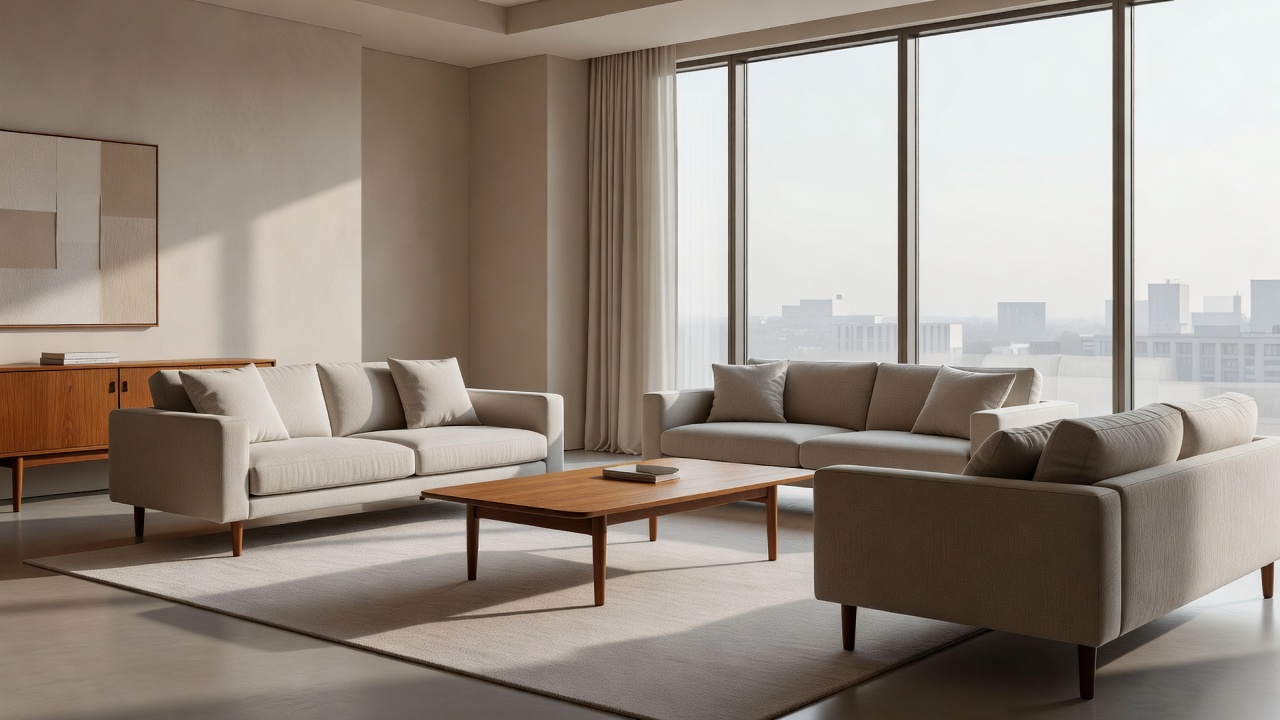
Blending vintage elements with contemporary design creates living rooms that feel personal and timeless. Homeowners in 2026 seek distinctive interiors without full renovations, using authentic vintage finds to add warmth and history. This approach balances character with functionality, transforming standard spaces into curated environments that reflect individual style. Rather than replacing entire furniture sets, strategic integration of older pieces brings soul to modern rooms while respecting current trends toward sustainability and mindful consumption.
Successful vintage-modern fusions rely on thoughtful curation rather than random accumulation. By focusing on scale, color harmony, and material contrasts, you achieve visual interest without overwhelming the room. This guide explores proven methods for sourcing, restoring, and styling vintage pieces alongside modern furnishings, offering concrete examples and decision frameworks that help avoid common design missteps.
Sourcing Authentic Vintage Items
Locating genuine vintage pieces requires patience and reliable channels. Estate sales, specialized antique markets, and online platforms dedicated to verified sellers offer the best starting points. Prioritize items with documented provenance to ensure quality and avoid reproductions. Regional estate sales often yield unique finds such as mid-century credenzas or Art Deco lamps that carry stories from previous decades.
Key sources include local auctions and reputable dealers who specialize in mid-century or early 20th-century furniture. Online marketplaces with authentication services provide convenience while maintaining standards. Always inspect for structural integrity before purchase, checking joints, finishes, and hardware for signs of previous repairs. Consider visiting multiple venues over several weekends to compare quality and develop an eye for authentic details like dovetail joints or original hardware markings.
Architectural Digest highlights how collectors increasingly turn to regional markets for unique finds that stand out in modern settings. Building relationships with dealers can also unlock access to private collections not yet listed publicly.
Restoration Basics for Vintage Pieces
Basic restoration preserves the integrity of vintage items while preparing them for contemporary use. Start with gentle cleaning using appropriate products for wood, metal, or upholstery. Avoid aggressive stripping that removes original patina, which adds value and charm. For wooden surfaces, a mixture of mild soap and water followed by natural oil conditioning often suffices to revive luster without altering character.
For minor repairs, focus on stabilizing wobbly legs or reupholstering worn cushions with neutral fabrics that complement modern palettes. Professional refinishing suits high-value pieces, ensuring longevity. Always test products on inconspicuous areas first. Additional steps include replacing worn casters on rolling furniture or reinforcing drawer slides with period-appropriate hardware. Document the restoration process with photos to track progress and maintain records for insurance or resale purposes.
Pairing Vintage with Modern Elements
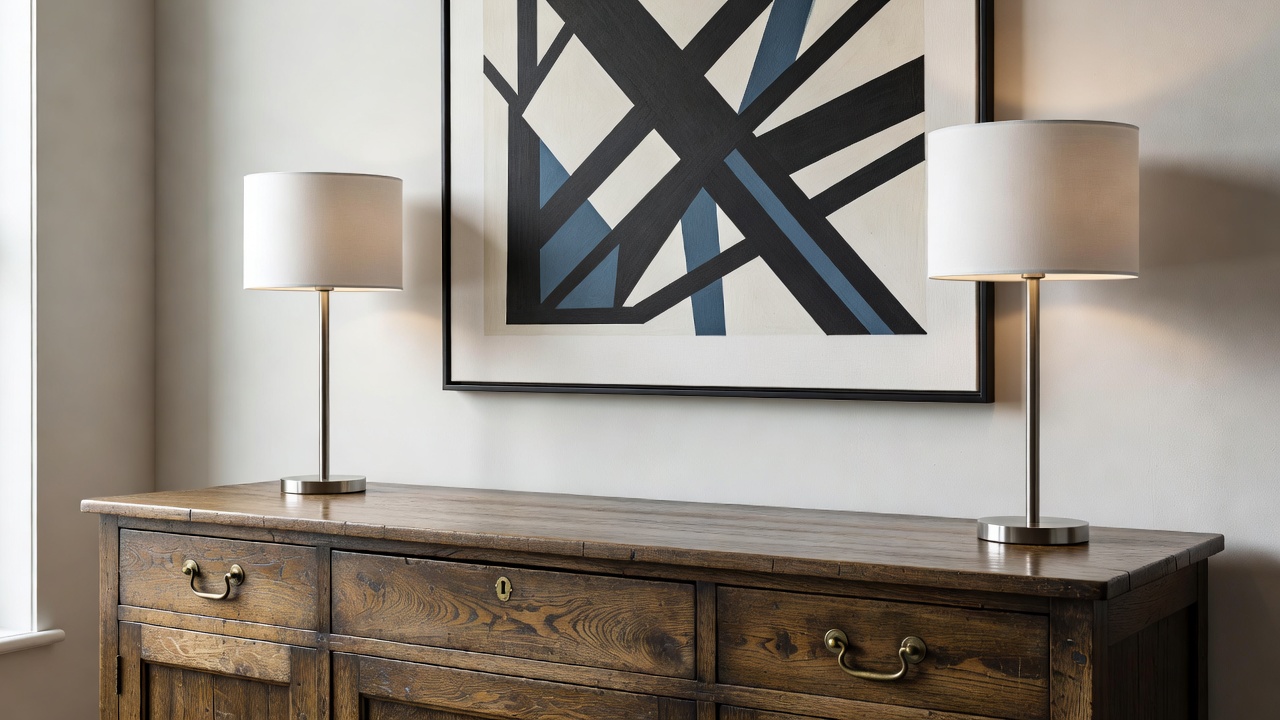
Effective blending occurs when vintage pieces serve as focal points against sleek backdrops. Pair an ornate wooden sideboard with minimalist sofas in neutral tones. Introduce metallic accents like chrome lamps to bridge eras visually. Consider how different materials interact: the warmth of aged oak contrasts beautifully with cool marble or polished concrete surfaces popular in 2026 designs.
Color coordination plays a vital role. Earthy vintage tones work well with crisp whites or soft grays common in 2026 interiors. Layer textures such as velvet upholstery next to linen drapes for depth. Experiment with unexpected combinations, such as placing a Victorian mirror above a contemporary floating console, to create dialogue between periods. Pay attention to finish levels—matte vintage woods pair best with high-gloss modern accents for dynamic tension.
Strategic Placement for Visual Balance
Placement determines success. Anchor the room with a statement vintage item like a credenza or armchair positioned opposite a modern entertainment unit. Maintain clear pathways and avoid clustering too many pieces together. Use the rule of thirds when arranging furniture to guide the eye naturally through the space.
Use symmetry and negative space to create breathing room. A vintage coffee table centered on a contemporary rug grounds the seating area effectively. Test multiple configurations by moving pieces incrementally and observing how light falls on surfaces throughout the day. This method reveals optimal spots where vintage items catch natural highlights without competing with modern focal points.
Practical Examples of Successful Blends
Consider a living room featuring a 1950s teak armchair beside a modular sectional sofa. The warm wood tones contrast the clean lines of the sofa, creating harmony. Another example uses a vintage Persian rug under a glass-topped modern table for subtle elegance. A third successful blend incorporates a 1920s brass floor lamp next to a streamlined sectional, where the lamp's ornate base is tempered by surrounding minimalist textiles and abstract wall art.
These examples demonstrate how scale and proportion guide decisions. In each case, the vintage piece receives breathing room while modern elements provide context and functionality. Homeowners report that such blends increase the perceived value and comfort of their living spaces over time.
Step-by-Step Styling Checklist
- Assess room proportions and lighting before selecting pieces, noting window placement and traffic flow.
- Choose 2-3 vintage items as anchors that reflect your personal taste and room scale.
- Match scales so no single piece dominates, using visual weight calculations rather than physical size alone.
- Incorporate modern lighting and textiles for balance, ensuring electrical outlets are accessible for new lamps.
- Test arrangements in daylight and evening settings to observe how finishes reflect different light sources.
- Edit ruthlessly to maintain uncluttered appeal, removing any item that feels redundant.
- Layer accessories gradually, starting with larger objects and finishing with smaller decorative accents.
Budget Versus Investment Pieces Comparison
Budget options include thrifted lamps or small accessories that add vintage flair affordably and allow experimentation. Investment pieces like quality mid-century sofas deliver lasting value through durability and resale potential. Evaluate based on usage frequency and room impact. Budget items often serve as entry points for testing styles, while investment pieces form the foundation of a long-term collection.
Common Pitfalls and Maintenance Tips
Avoid scale mismatches by measuring items against room dimensions. Overloading with too many eras leads to visual chaos; limit combinations to two primary periods. For maintenance, dust regularly and protect wood from direct sunlight. Rotate cushions on upholstered pieces to extend life. Address minor damage promptly to prevent escalation, and store seasonal textiles in acid-free containers during off-months.
FAQ
How do I avoid scale issues with vintage furniture?
Measure doorways and room dimensions first. Opt for pieces proportional to your space, using visual weight rather than sheer size as a guide. Mock layouts with painter's tape on the floor before committing.
What maintenance do vintage textiles require?
Vacuum gently weekly and spot-clean with mild solutions. Professional cleaning every 12-18 months preserves fabrics without damage. Rotate and flip cushions seasonally.
Can I mix multiple vintage styles successfully?
Yes, when unified by color or material. Limit to two dominant eras and use modern elements as connectors to maintain cohesion.
Where should I start if my room feels too eclectic already?
Edit down to three key vintage pieces and introduce modern neutrals as grounding elements. This resets visual balance quickly.
Explore further inspiration through established design resources like The Met for historical context on vintage styles and MoMA for insights into modern design principles that complement older works.
No comments yet. Be the first!