 Fixated on Home
Introduction to Art Curation in 2026 Living Rooms
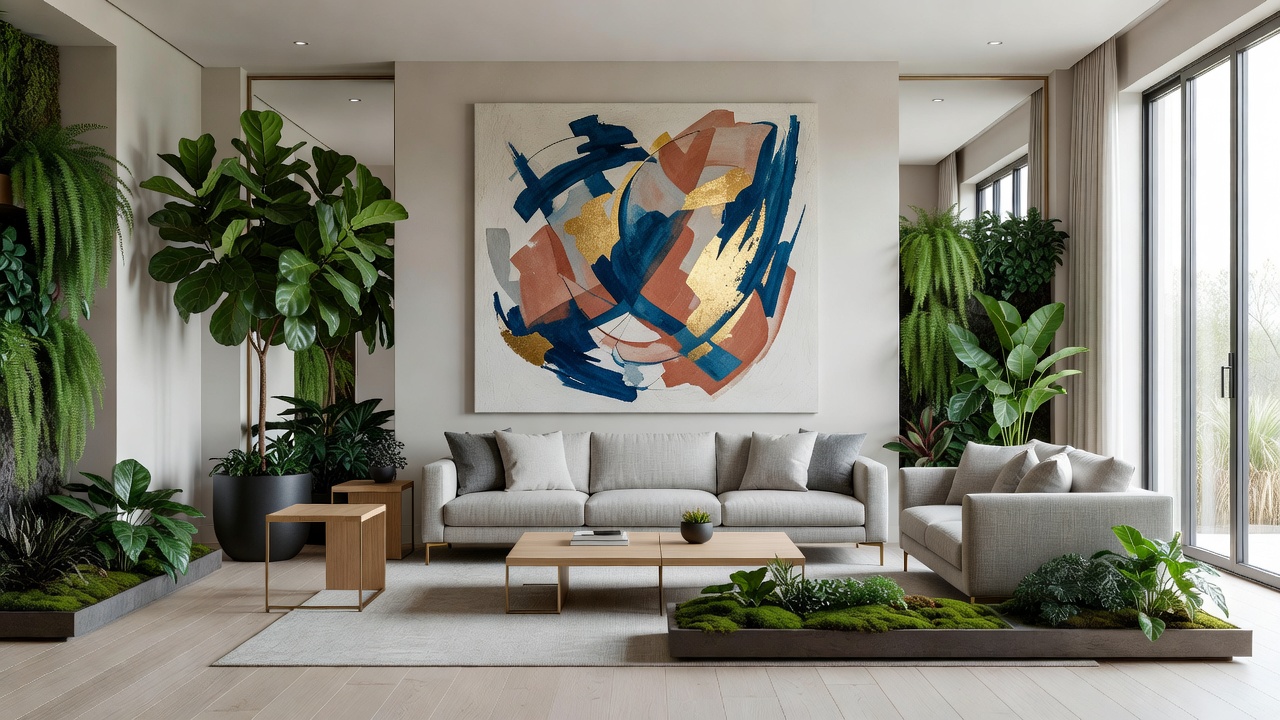
Selecting the right artwork transforms living room design by adding personality and cohesion to interior upgrades. In 2026, homeowners focus on sustainable materials, oversized statement pieces, and integrated technology that complements modern remodels without relying on traditional gallery arrangements or emotional color cues. This approach ensures the living space feels both current and timeless, reflecting broader shifts toward eco-conscious choices and multifunctional interiors that support remote work and family gatherings alike.
This guide provides practical advice for matching art to current trends, achieving visual harmony through placement, and applying professional framing and lighting methods. Real remodel examples illustrate successful outcomes, followed by a clear curation process and answers to common questions about long-term care. By diving deeper into each element, homeowners can avoid common pitfalls and create displays that enhance daily enjoyment while increasing property appeal.
Choosing Scale and Style to Match 2026 Home Decor Themes
Scale determines how artwork interacts with furniture and architecture. Oversized vertical canvases suit high-ceiling spaces popular in 2026 open-plan homes, while horizontal formats balance low-profile sofas and sectional seating. Measure wall height and furniture proportions first to avoid pieces that feel either dwarfed or overwhelming. Consider the room's overall footprint as well; in smaller urban apartments, medium-scale works with negative space can create breathing room, whereas expansive suburban layouts benefit from layered compositions that fill visual voids without clutter.
Style alignment draws from emerging 2026 aesthetics such as biophilic minimalism and tech-infused organic forms. Abstract works incorporating natural textures pair well with reclaimed wood accents, whereas sleek geometric sculptures complement smart-home integrated lighting systems. Homeowners should review seasonal trend reports from established design authorities to stay informed. Visit Architectural Digest for trend roundups that highlight these directions in recent projects. Additionally, cross-reference with resources like the Metropolitan Museum of Art to understand historical influences that continue to shape contemporary selections.
Practical tip: Create a mood board using digital tools to test combinations of scale and style before purchasing. This step reveals mismatches early, such as a delicate watercolor clashing with bold industrial furniture, allowing adjustments that save time and money during remodeling.
Placement Strategies for Visual Balance
Effective placement creates equilibrium across the room. Position primary artwork at eye level centered above seating areas, then layer secondary pieces asymmetrically to guide sightlines toward focal points like fireplaces or windows. Account for traffic flow by leaving at least 30 inches of clearance around large installations. In 2026 remodels, many designers incorporate modular wall systems that allow easy repositioning as furniture layouts evolve.
In recent remodels, designers offset art against textured feature walls or built-in shelving to enhance depth. Consider sightlines from multiple angles, including entryways and adjacent dining spaces, to maintain balance throughout the open layout. Another key factor is symmetry versus asymmetry: symmetrical arrangements work best in formal living rooms, while asymmetrical groupings add dynamism to casual family spaces. Always test placements during different times of day to observe how natural light shifts alter the visual weight of each piece.
Framing and Lighting Techniques
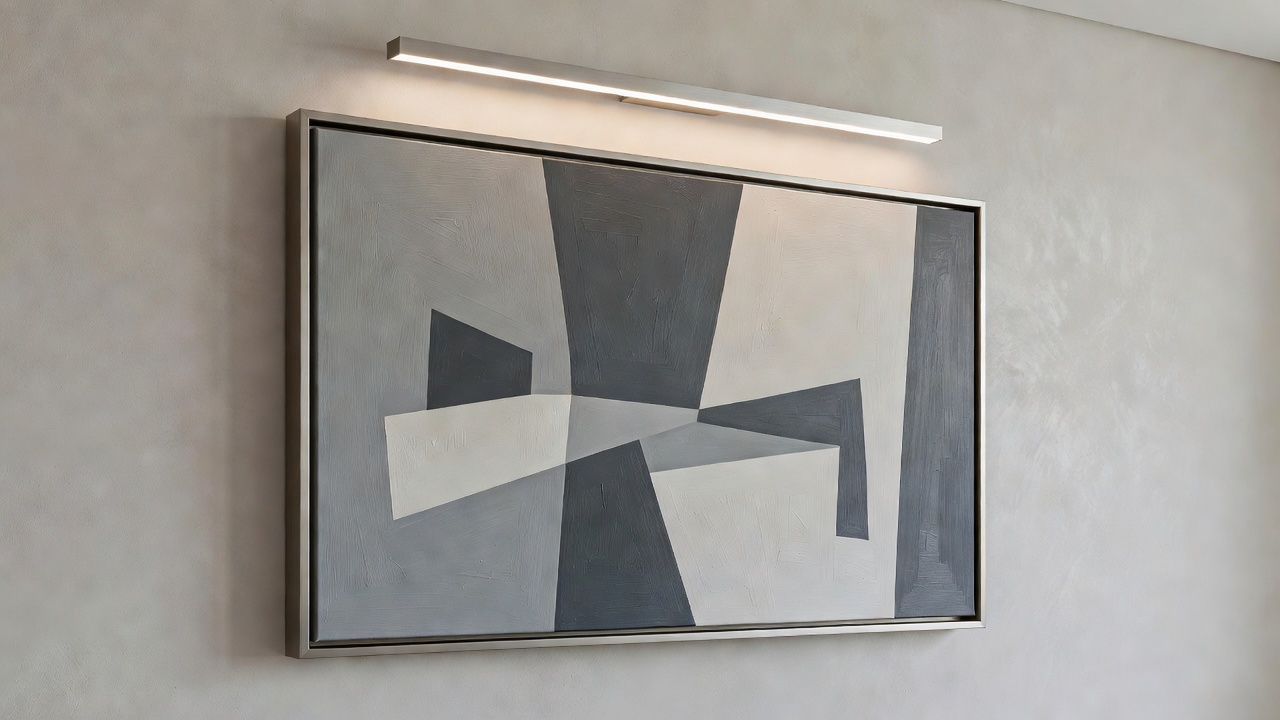
Framing protects artwork while elevating its presence. Choose matte black or brushed metal frames for 2026 contemporary looks, ensuring acid-free matting prevents long-term damage. Custom frames sized precisely to the piece maintain clean lines. Homeowners can explore conservation-grade options that include UV protection, particularly useful in rooms with large windows or skylights common in new builds.
Lighting accentuates details without glare. Track systems with adjustable LED heads allow seasonal repositioning, while recessed fixtures provide even illumination. Aim for 200-300 lux on the artwork surface, measured with a simple light meter app. Professional installation prevents heat buildup that could affect delicate media. Integrate dimmable smart controls to match ambient room lighting, creating versatile moods for evening entertaining or daytime relaxation. Compare options from reputable lighting manufacturers to ensure compatibility with existing home automation setups.
Real-World Examples from Recent Remodels
A 2025 coastal renovation in California featured a single 60-by-80-inch mixed-media piece above a linen sofa, scaled to the room's 12-foot ceilings. The homeowner selected a piece with subtle metallic threads that reflected natural light throughout the day, resulting in a dynamic focal point that changed appearance from morning to dusk. This approach minimized the need for additional decor items and unified the space's neutral palette.
Another urban loft project integrated slim LED picture lights into a floating shelf system, highlighting three vertical panels that echoed the room's linear architecture. These examples demonstrate how thoughtful curation supports both aesthetics and functionality in updated interiors. A third case involved a suburban family home where a large textile-based artwork was mounted on a movable track, allowing seasonal rotations that kept the living room feeling fresh without major renovations.
Step-by-Step Curation Process
Follow this detailed process to ensure a cohesive result:
- Assess the room's architectural features and existing furniture dimensions. Take precise measurements of walls, ceilings, and sightlines, noting any architectural details like crown molding or exposed beams that could influence artwork choice.
- Identify 2026 style references from reputable design publications. Compile a list of current trends such as sustainable fibers and interactive digital elements, then narrow selections to those aligning with your home's overall theme.
- Source pieces from local galleries or verified online platforms, requesting detailed dimensions and material specs. Request certificates of authenticity and care instructions upfront to avoid surprises during installation.
- Test placement with paper templates taped to walls before committing. Live with the templates for several days to evaluate how they interact with daily routines and changing light conditions.
- Finalize framing and lighting with input from an installer experienced in residential projects. Discuss electrical needs early if adding new fixtures to prevent costly retrofits later.
- Document the installation for insurance and future maintenance records. Photograph each piece in situ and store records digitally for easy access during appraisals or moves.
Additional Considerations for 2026 Trends
Beyond basics, factor in sustainability by prioritizing artists using recycled or low-impact materials. Explore emerging options like modular art systems that adapt to evolving room layouts. Compare traditional canvas with newer substrates such as aluminum composites for durability in high-traffic homes. These choices reflect the year's emphasis on longevity and environmental responsibility in home upgrades.
FAQs on Budgeting and Maintenance
How should homeowners approach art acquisition costs?
Focus on quality over quantity by allocating funds toward fewer, higher-impact works rather than multiple smaller items. Research current market values through established auction houses and galleries to understand fair pricing ranges. Consider phased purchasing over multiple years to spread expenses while building a cohesive collection.
What maintenance routines keep artwork looking fresh?
Dust frames monthly with microfiber cloths and avoid direct sunlight exposure. Schedule professional cleaning every 18-24 months, especially for mixed-media or textile pieces. Store provenance documents and care instructions in a dedicated file. For pieces with embedded technology, check connections quarterly to maintain functionality.
Conclusion
Thoughtful art curation elevates living room design by aligning scale, placement, and presentation with 2026 trends. Following the outlined process helps homeowners achieve polished, enduring results that enhance both daily living and property value. With careful planning and attention to practical details, any living room can become a showcase of personal style and modern sophistication.
No comments yet. Be the first!