 Fixated on Home
Introduction to Built-In Seating in Modern Living Rooms
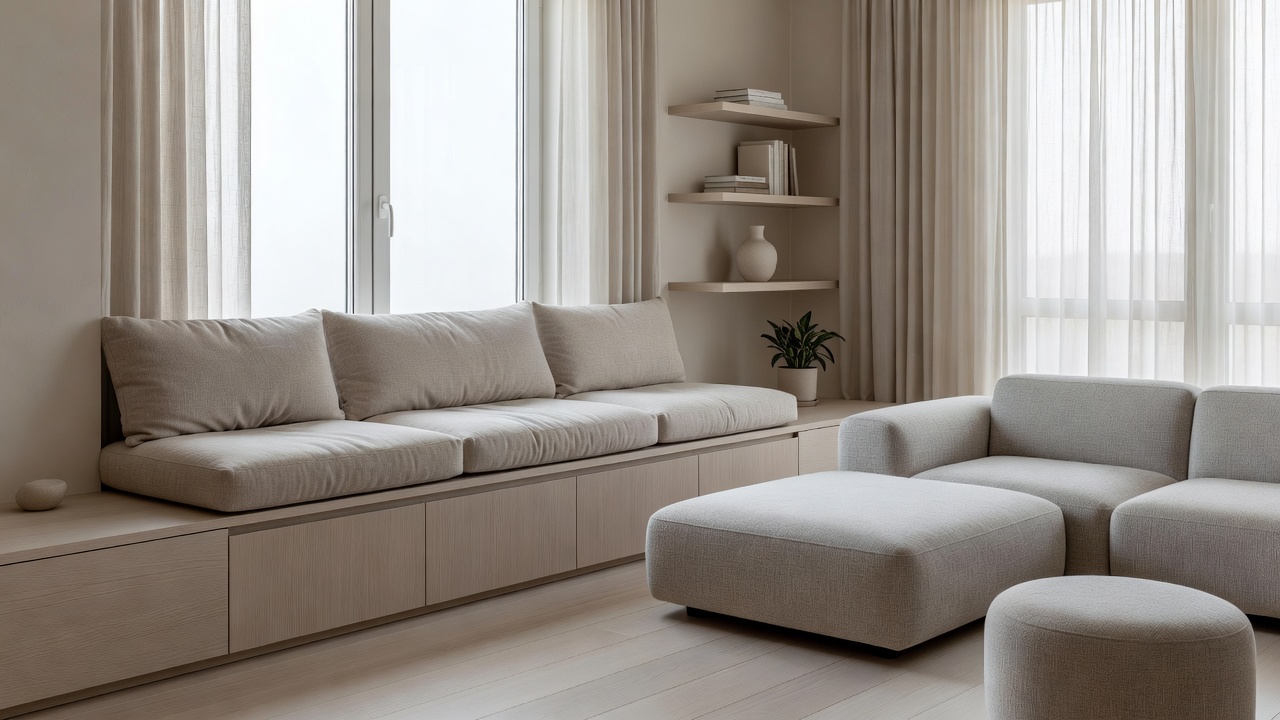
Built-in seating transforms living room design by blending functionality with style, especially in 2026 trends that emphasize space efficiency and sustainable materials. This approach maximizes floor space while creating cozy, customized zones perfect for families or entertaining. Whether updating an existing layout or starting fresh, these remodeling tips focus on practical upgrades that elevate any home. Homeowners increasingly seek solutions that combine storage, comfort, and aesthetic appeal without sacrificing valuable square footage in smaller residences or open-plan layouts.
Why Choose Built-In Seating for 2026 Living Room Remodels
Contemporary design prioritizes multi-functional furniture that adapts to smaller urban homes and open-concept spaces. Built-in benches or window seats integrate seamlessly with architecture, offering hidden storage and reducing clutter from freestanding pieces. Homeowners report improved flow and visual harmony after installation, aligning with current preferences for minimalist yet inviting interiors. These installations also support wellness-focused living by incorporating ergonomic designs that encourage better posture during reading or conversation. In addition, they can incorporate smart home elements such as USB charging ports or integrated lighting controlled via apps, reflecting the growing influence of technology in residential spaces.
Another advantage lies in their ability to enhance property value. Thoughtfully designed built-ins create a custom, high-end appearance that appeals to potential buyers. They also allow for creative expression through unique shapes, such as curved benches or tiered platforms that double as display ledges for art and plants.
Layout Planning for Optimal Space Utilization
Begin by assessing room dimensions and traffic patterns. Measure walls, windows, and electrical outlets to determine placement. Consider L-shaped configurations around corners or linear benches under large windows. Sketch multiple options on paper or use digital tools to visualize flow before committing. Factor in ceiling height for any vertical extensions like overhead shelving that complements the seating. Pay attention to natural focal points such as television walls or fireplace mantels to ensure the seating does not obstruct views or conversation areas.
Key considerations include aligning seating with natural light sources and ensuring at least 3 feet of clearance for movement. Integrate with existing features like fireplaces or bookshelves for a cohesive look. Test layouts by temporarily arranging movable furniture to simulate the final arrangement. In long, narrow rooms, floating built-ins away from walls can create intimate conversation nooks while preserving walkways.
Material Choices for Durability and Style
Select materials based on lifestyle and maintenance needs. Hardwoods like oak or walnut provide timeless appeal and strength. For upholstery, opt for performance fabrics or leather that resist wear. Cushions with high-density foam ensure longevity. 2026 trends favor eco-friendly options such as reclaimed wood or low-VOC finishes. Pair with neutral tones or bold accents to match your decor palette. Consider mixing materials, such as a wood frame with metal accents for an industrial touch or stone inlays for a luxurious feel.
When selecting fabrics, evaluate thread count, stain resistance ratings, and UV protection for rooms with abundant sunlight. Wood species should be chosen based on grain pattern and hardness; maple offers a smooth surface ideal for painted finishes, while cherry develops a rich patina over time. Always request material samples to assess color under your specific lighting conditions.
Integrating Built-In Seating with Existing Architecture
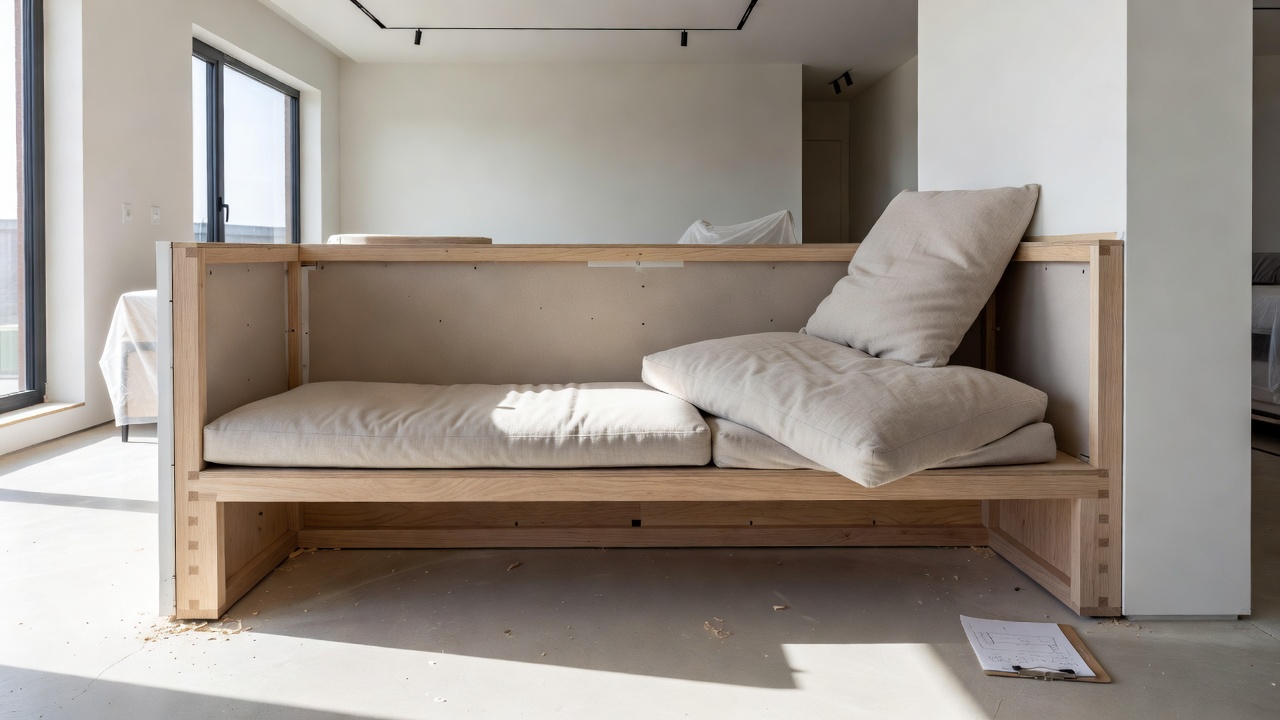
Successful integration requires matching molding profiles, baseboards, and wall textures. Work with carpenters to extend cabinetry lines or create recessed niches. In older homes, preserve original details by framing around them rather than removing features. This method maintains character while adding modern utility, creating a custom feel without major structural changes. Examine load-bearing walls and consult structural engineers if modifications involve removing drywall or altering joists. For homes with historic significance, reversible installations using freestanding frames that attach via brackets are preferable.
Coordinate with HVAC and electrical systems early in the process to avoid conflicts with vents or outlets. Built-ins can also frame architectural elements like bay windows or alcoves, turning potential problem areas into design highlights.
Step-by-Step Installation Examples
Follow these beginner-friendly steps for a basic window seat project:
- Prepare the area by clearing space and protecting floors with drop cloths.
- Build a sturdy frame using 2x4 lumber secured to wall studs with appropriate anchors.
- Install plywood base and side panels, ensuring all joints are square and level.
- Add trim for polish and sand all surfaces smooth before finishing.
- Secure the structure and apply finish or paint in multiple thin coats.
- Add cushions, storage lids, and final decor touches such as throw pillows.
Before-and-after transformations often show dramatic improvements in perceived room size and usability, turning underused corners into favorite gathering spots. For more complex projects involving plumbing or electrical work, hire licensed professionals to handle those aspects while you focus on finish carpentry.
Before-and-After Comparisons and Real-World Examples
Consider a compact apartment living room where a simple bench under a picture window replaced a bulky sofa. The change opened up floor space for a coffee table and allowed better natural light penetration. Another example involves a suburban family home where an L-shaped built-in wrapped around a corner fireplace, incorporating bookcases and toy storage. Families noted increased daily use of the space for reading and homework after the remodel.
Cost-Effective Remodeling Tips
Focus on DIY elements where possible, such as painting or cushion sewing. Source materials from local suppliers and repurpose existing woodwork. Phased implementation spreads effort over time while achieving professional results. Explore salvage yards for hardware and trim pieces that match your home's era. Collaborate with design communities online for free layout ideas and material recommendations.
Maintenance and Durability FAQ
How do I ensure long-term durability?
Choose quality hardware and seal all wood surfaces. Regular cleaning prevents buildup on fabrics. Apply protective coatings annually and inspect joints for loosening every six months.
What about maintenance for high-traffic homes?
Opt for stain-resistant treatments and rotate cushions periodically. Vacuum built-ins weekly and spot-clean spills immediately using manufacturer-approved solutions.
Can built-ins be updated later?
Yes, modular designs allow easy swaps of cushions or hardware without full replacement. Plan for future modifications by using standardized dimensions during initial construction.
Are there specific challenges with pets or children?
Select scratch-resistant fabrics and rounded edges. Incorporate washable slipcovers and reinforced frames to withstand active use.
2026 Design Trends and Common Mistakes to Avoid
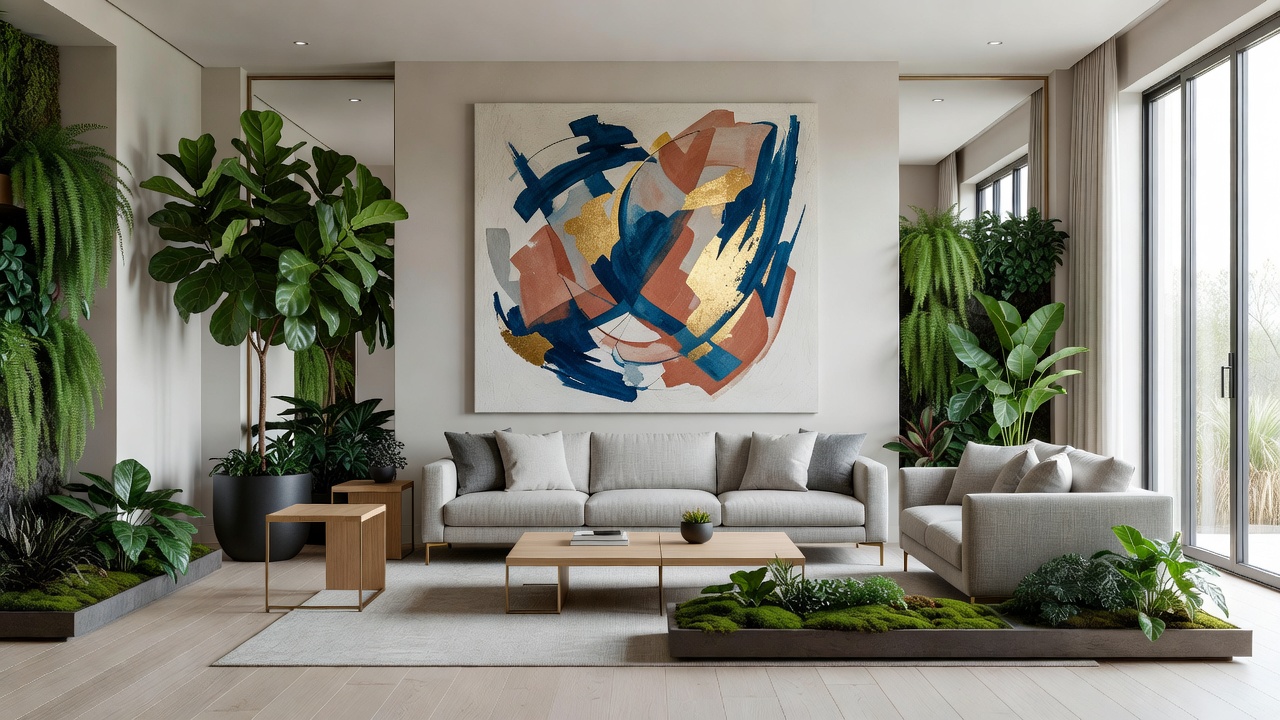
Current trends highlight biophilic elements such as integrated planters within seating units and the use of natural textures like rattan or linen. Avoid common pitfalls including insufficient lighting, poor ventilation behind cushions, and ignoring scale proportions that make seating feel cramped. Always verify measurements multiple times and seek feedback from household members before finalizing designs.
Conclusion
Built-in seating offers a smart, stylish way to refresh living spaces in 2026. By planning thoughtfully and selecting durable materials, any homeowner can achieve functional elegance. Start small, consult professionals for complex integrations, and enjoy the enhanced comfort and value these upgrades provide. For additional inspiration, explore resources from This Old House and Houzz.
No comments yet. Be the first!