 Fixated on Home
Introduction to 2026 Living Room Flooring Trends
Choosing the right flooring transforms your living room into a stylish and functional space that reflects modern living in 2026. Homeowners today focus on materials offering both visual appeal and long-term practicality during remodeling projects. This in-depth guide explores three leading options—engineered hardwood, luxury vinyl, and natural stone—while examining durability, maintenance needs, and how each aligns with emerging interior trends such as sustainable design and open-concept living. Real-home examples illustrate successful applications, helping readers visualize outcomes in their own spaces. The article also covers cost considerations in general terms, detailed installation processes, and compatibility with features like underfloor heating. By the end, you will have practical tools including a decision checklist and answers to common questions about pet safety and performance.
Flooring serves as the foundation for your living room's overall aesthetic and daily usability. Trends in 2026 emphasize eco-friendly production methods and versatile designs that adapt to changing family needs. Whether you prefer the warmth of wood tones or the sleekness of stone, selecting wisely ensures your investment enhances both style and function for years ahead.
Engineered Hardwood: Timeless Elegance with Modern Resilience
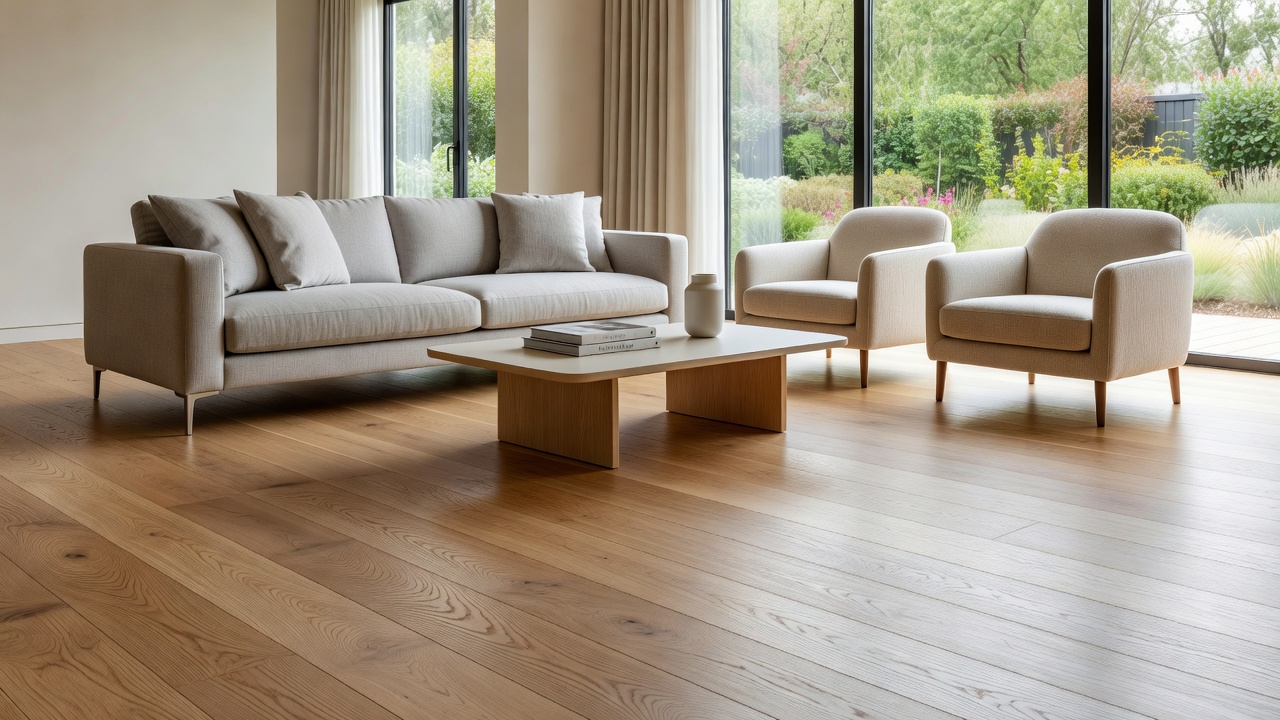
Engineered hardwood continues to rank among the most popular choices for living rooms due to its authentic wood appearance combined with improved stability. Unlike solid hardwood, it features a real wood top layer bonded to a multi-ply core that resists expansion and contraction from humidity changes. This makes it suitable for various climates and homes with fluctuating indoor conditions. In 2026 design schemes, it complements biophilic trends by bringing natural textures indoors while pairing effortlessly with neutral palettes and layered textiles.
Durability and Maintenance: The material stands up well to everyday wear when finished with quality coatings. It handles moderate foot traffic effectively and resists minor scratches better than some alternatives. Maintenance remains straightforward: regular sweeping, vacuuming with a soft brush attachment, and periodic application of manufacturer-recommended cleaners keep surfaces looking fresh. Avoid excessive water exposure to preserve the finish.
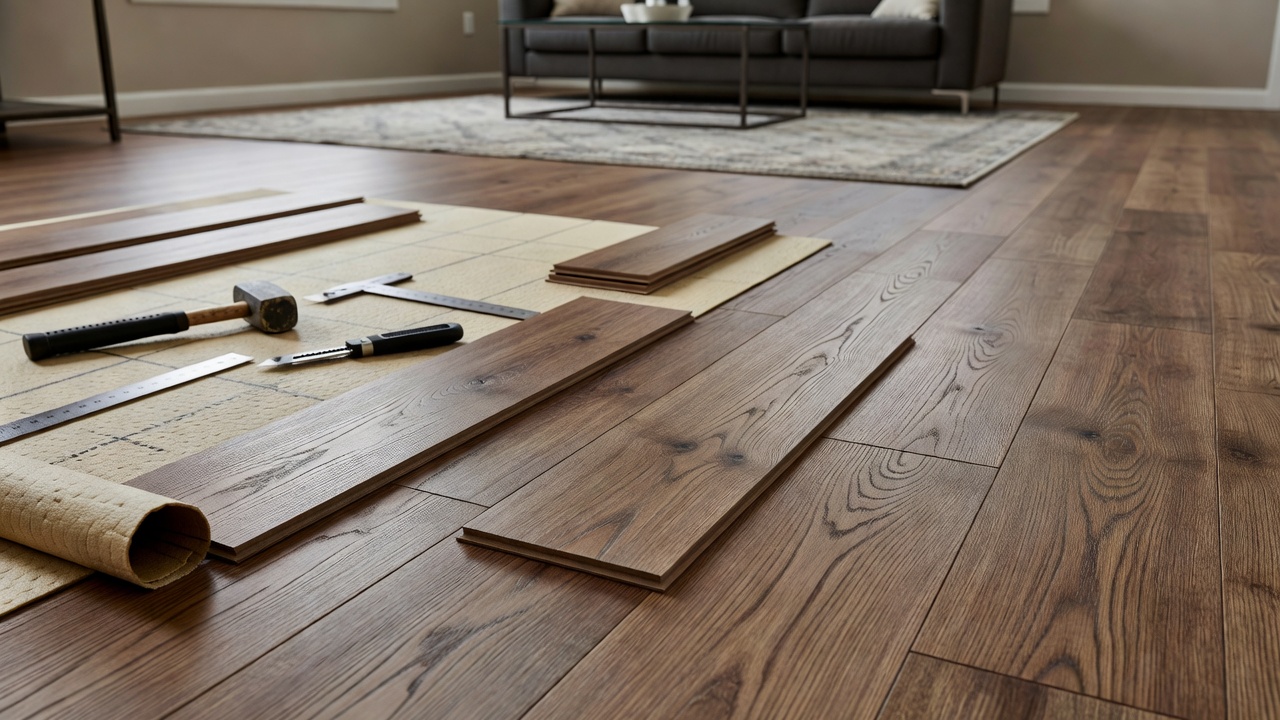
Installation Steps: Start with a thorough subfloor inspection to ensure it is clean, dry, and level within specified tolerances. Acclimate the flooring materials in the room for at least 48 hours. Choose between floating click-lock systems for faster DIY results or glue-down methods for a more permanent bond. Professional installers often recommend underlayment for added cushioning and sound absorption. One suburban family renovated their open-plan living area with wide-plank engineered oak, achieving a cohesive flow that connected the seating zone to adjacent spaces and improved overall home flow.
Additional advantages include compatibility with radiant heating systems when properly selected, making it a versatile option for comfort-focused households.
Luxury Vinyl: Versatile and Budget-Friendly Performance
Luxury vinyl plank and tile options deliver exceptional value through waterproof construction and realistic surface textures that replicate wood or stone. These materials have gained traction in 2026 for their ability to withstand high-traffic areas while mimicking premium looks at accessible price points. Matte and textured finishes align with current preferences for understated luxury and easy integration into eclectic or contemporary interiors.
Durability and Maintenance: Luxury vinyl excels in moisture-prone environments and resists stains, scratches, and fading from sunlight. Households with children or pets appreciate its resilience. Cleaning involves simple damp mopping or sweeping; no specialized products are typically required beyond mild solutions.
Installation Steps: Measure the room precisely and account for expansion gaps along walls. Install over a flat subfloor with appropriate underlayment for noise reduction and thermal benefits. Floating installations allow quick completion, while glue-down versions provide extra security in larger rooms. Always follow manufacturer guidelines for acclimation and seam alignment. Learn more about sustainable flooring choices from the EPA
Examples include urban apartments where luxury vinyl created durable yet stylish surfaces that withstood daily use without visible wear after several seasons.
Natural Stone: Luxurious and Long-Lasting Sophistication
Natural stone flooring, including options like marble, travertine, or slate, brings unmatched elegance and permanence to living room designs. It suits 2026 aesthetics ranging from minimalist modern to Mediterranean-inspired spaces, offering cool surfaces that contrast beautifully with warm furnishings and textiles.
Durability and Maintenance: Stone withstands heavy use and lasts for decades with proper care. Sealing is essential to protect against stains and etching, especially for softer varieties like marble. Routine care includes dry sweeping followed by pH-neutral cleaners to maintain luster without damaging the surface.
Installation Steps: Professional installation is strongly advised. Begin with subfloor preparation to achieve a perfectly level base. Tiles are set with thin-set mortar, followed by grouting and a final sealing step after curing. Allow adequate drying time before heavy furniture placement. Find housing improvement resources at HUD
A coastal home incorporated slate throughout its living areas, creating a resilient surface that managed heavy summer foot traffic and complemented ocean views effectively.
Cost Comparisons and Long-Term Value
While exact pricing varies by region and supplier, engineered hardwood typically falls in the mid-range category with strong resale potential. Luxury vinyl offers an economical yet high-performing alternative suitable for most budgets. Natural stone represents a higher-end investment that provides lasting durability and aesthetic prestige. Homeowners should also account for underlayment, labor, and any necessary subfloor repairs when planning projects.
Compatibility with Home Decor Trends and Interior Upgrades
Each material integrates well with popular 2026 styles. Engineered hardwood enhances organic, nature-inspired rooms when paired with linen curtains and wooden accents. Luxury vinyl supports bold pattern mixing in transitional spaces. Natural stone anchors clean-lined contemporary designs and works beautifully with metallic fixtures. Consider how natural light interacts with surface finishes to maximize visual impact during upgrades.
Underfloor Heating, Pet Safety, and Practical Performance
Compatibility with underfloor heating systems is a key consideration for modern homes. Engineered hardwood and many luxury vinyl products transfer heat efficiently when rated appropriately. Natural stone also conducts warmth well but may feel cooler underfoot without heating. For pet safety, select materials with textured or matte surfaces to reduce slip risks, and opt for thicker wear layers on vinyl or hardwood to minimize visible scratches from claws. Area rugs can provide extra protection and comfort in high-use zones.
Common Installation Considerations and Mistakes to Avoid
Proper preparation prevents future issues. Always test subfloor moisture levels before starting. Rushing acclimation or skipping expansion gaps leads to buckling. Hiring certified installers for complex materials like stone ensures warranty compliance. Another frequent oversight involves ignoring long-term maintenance requirements, which can diminish appearance over time.
Decision Checklist for Selecting Your Flooring
- Evaluate daily foot traffic patterns and household activity levels.
- Assess potential moisture exposure from doors, windows, or spills.
- Confirm compatibility with existing or planned underfloor heating.
- Review pet-related needs such as scratch and stain resistance.
- Compare ongoing maintenance demands with your available time.
- Examine warranty terms and professional installation requirements.
- Consider how the material coordinates with planned furniture and lighting.
- Factor in acoustic performance for multi-story homes.
Real-Home Examples and Case Studies
Beyond the suburban oak installation mentioned earlier, a downtown loft used luxury vinyl to achieve a loft-industrial vibe that remained comfortable for daily living. Another project featured natural stone in a family room addition, where the material helped define separate zones while supporting an open feel. These cases highlight how thoughtful selection elevates both immediate enjoyment and future resale value.
FAQ: Common Concerns About Living Room Flooring
Is engineered hardwood safe for pets?
Yes, high-quality finishes provide good resistance to claw marks. Thicker top layers offer extra protection for homes with active animals.
Can luxury vinyl handle underfloor heating?
Many luxury vinyl products are designed for radiant systems. Always verify specific product ratings with the manufacturer.
How does natural stone perform with pets?
Stone offers excellent durability but can feel cold; rugs add warmth and safeguard against slips.
What maintenance differences exist between materials?
Engineered hardwood may need occasional refinishing, luxury vinyl requires minimal effort, and natural stone benefits from periodic professional sealing.
Which option best supports sustainable living goals?
Look for certified sustainable sources across all three categories and consider lifecycle impacts. Explore energy-efficient home upgrades at Energy Star
Conclusion
Selecting the ideal flooring for a 2026 living room remodel requires balancing aesthetic preferences with practical performance factors. Engineered hardwood, luxury vinyl, and natural stone each bring distinct strengths in durability, maintenance, and design flexibility. By applying the detailed comparisons, real-world examples, and decision checklist provided, readers can confidently choose a material that enhances both daily function and long-term style.
No comments yet. Be the first!