 Fixated on Home
Living Room Focal Point Ideas: Statement Pieces for 2026 Designs
Creating a compelling focal point transforms any living room into a cohesive, inviting space. In 2026, homeowners are embracing bold statement pieces that reflect personal style while enhancing flow and functionality. This guide walks beginners through selecting the right centerpiece, arranging surrounding elements, and using lighting and color to highlight it effectively. Whether you are planning a full remodel or a simple refresh, understanding focal points helps avoid common design pitfalls and creates rooms that feel intentional and welcoming.
Understanding the Role of a Focal Point
A focal point draws the eye and anchors the room's design. It prevents the space from feeling scattered, especially in open layouts common in modern homes. The focal point serves as the visual anchor that guides how people move through and interact within the room. Without one, furniture arrangements can appear random and the overall design lacks harmony. In 2026 designs, focal points often incorporate sustainable materials and sculptural forms that double as conversation starters. Think beyond traditional fireplaces or televisions and consider how a single powerful element can unify everything from seating to accessories.
Selecting the Right Statement Piece Based on Room Size and Style
Start by assessing your room's size and existing style. Large rooms suit oversized art or a dramatic sectional, while smaller spaces benefit from a sculptural chair or unique lighting fixture. Measure the longest wall and ceiling height before choosing; a piece that is too small gets lost, while an oversized item can make the room feel cramped. Match the statement piece to your overall aesthetic. Mid-century modern rooms pair well with sleek leather loungers, whereas bohemian spaces thrive with woven textiles or handcrafted pottery as the star. Consider your lifestyle too: families may prefer durable, conversation-starting seating over delicate decor that could be damaged by daily use.
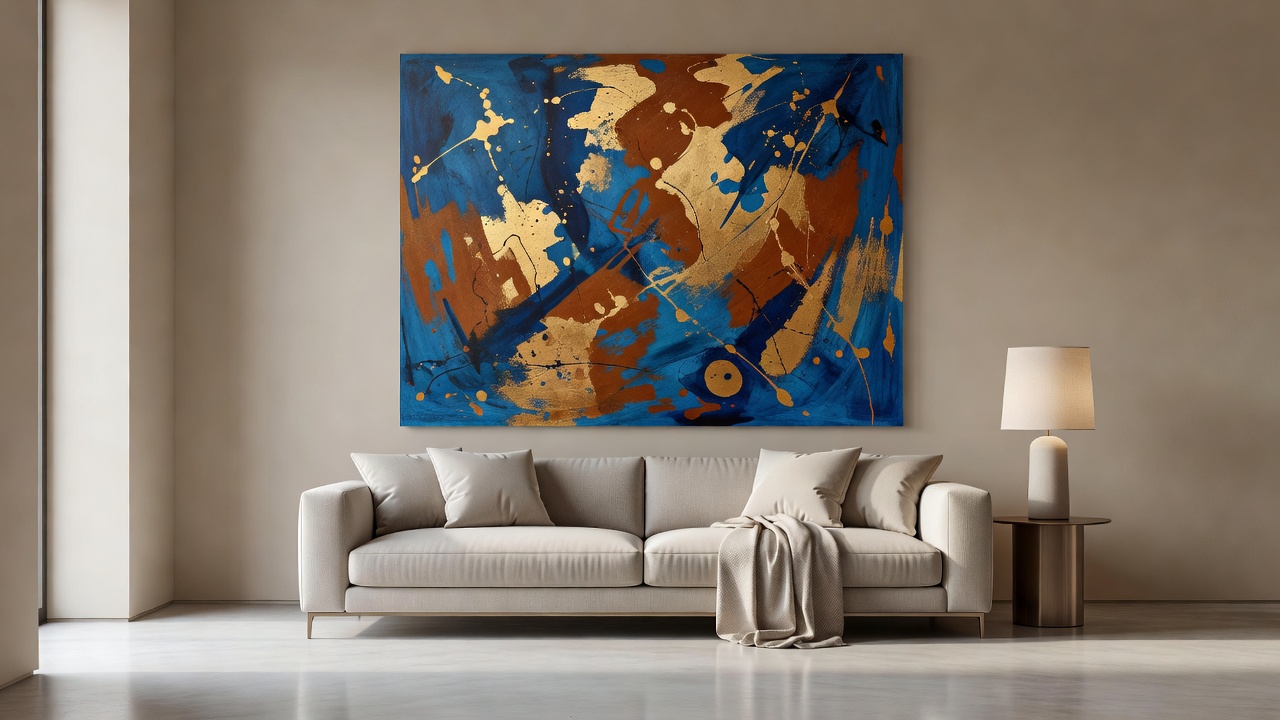
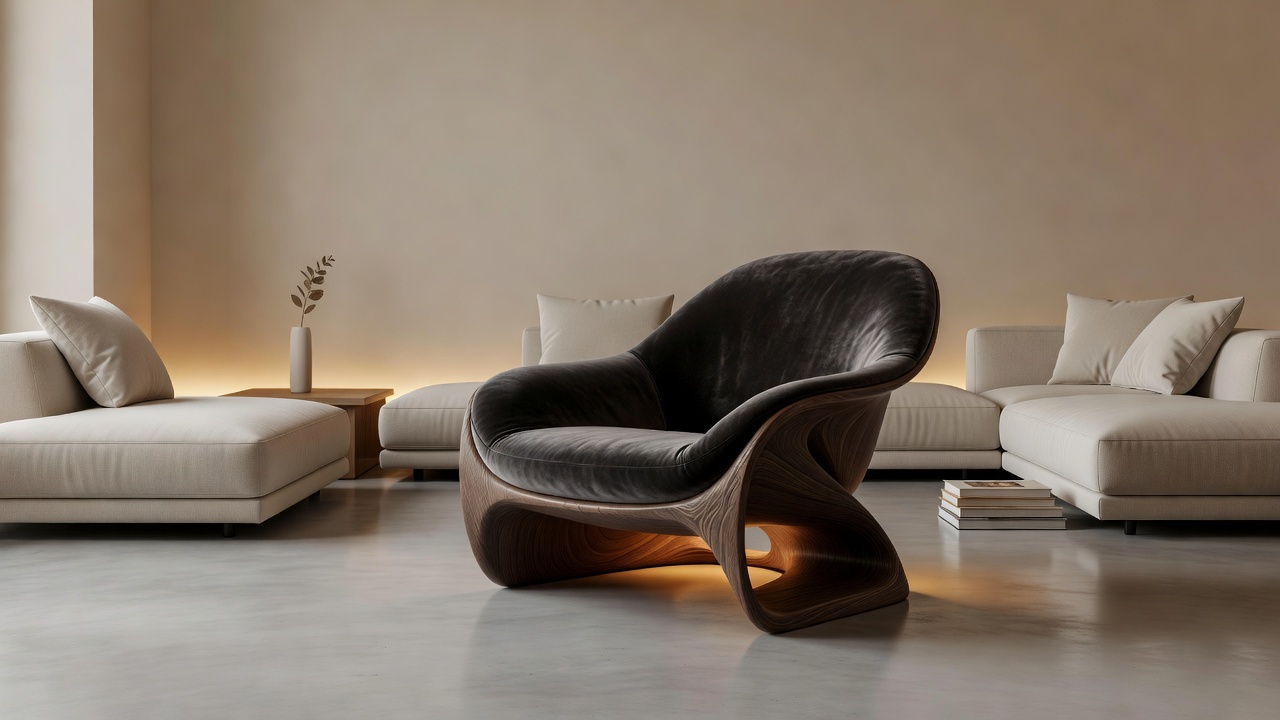
Compare options like oversized art versus sculptural seating. Oversized art adds visual interest without taking floor space, ideal for minimalist styles. Sculptural seating offers both function and form, creating a cozy yet artistic vibe in contemporary designs. Another strong contender is a dramatic floor lamp with an unusual silhouette, which works especially well in rooms with high ceilings. When browsing inspiration, explore collections at the Museum of Modern Art for timeless sculptural ideas that translate beautifully into residential settings.
Arranging Surrounding Elements to Enhance Flow Without Clutter
Once the focal point is chosen, arrange furniture to enhance it. Position seating to face the piece, using rugs and side tables to define zones without clutter. Maintain clear pathways of at least three feet for easy movement. Layer textures around the centerpiece, such as a plush area rug beneath a coffee table, to ground the arrangement. Avoid pushing all furniture against the walls; instead, float pieces to create intimate conversation areas that naturally draw attention to the statement element.
Practical Examples of Lighting and Color Choices
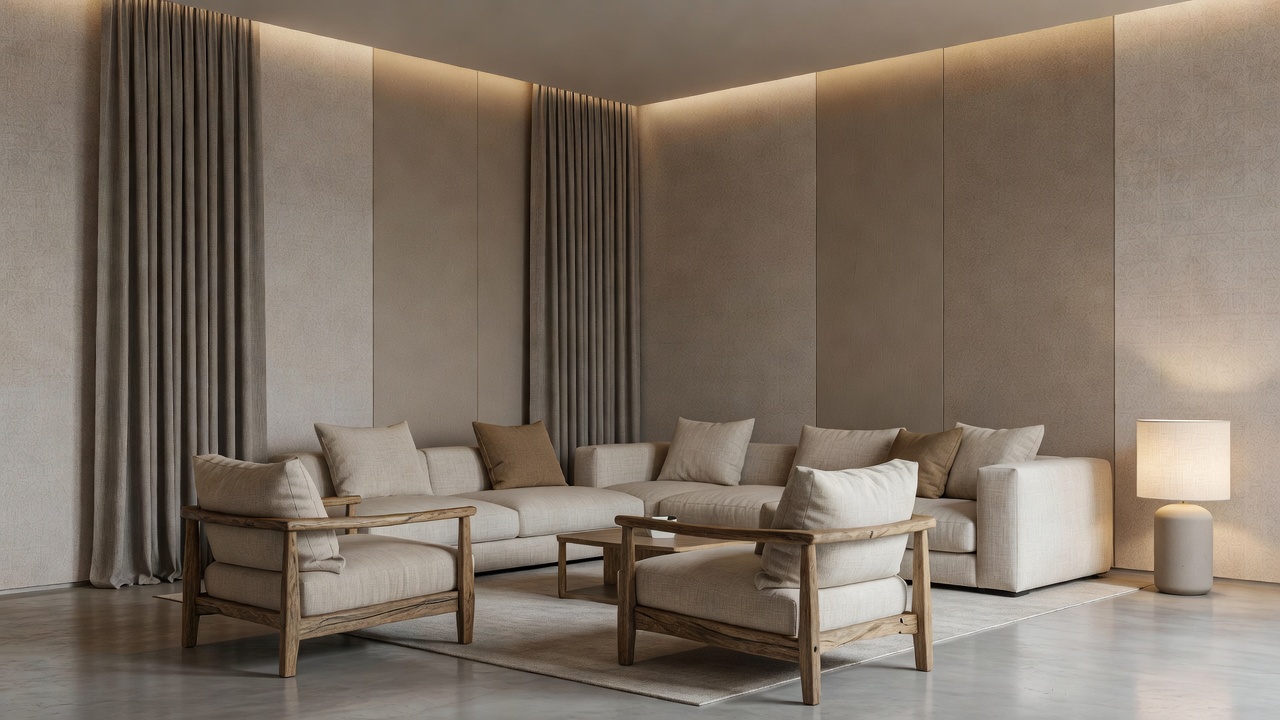
Lighting dramatically elevates a focal point. Use layered lighting: ambient overhead fixtures, task lamps, and accent spots directed at the statement piece. For 2026 trends, warm LED tones around 2700K create inviting atmospheres that make colors appear richer. Install dimmers so you can adjust intensity for different times of day. Color choices should complement the centerpiece. Neutral walls let bold art pop, while complementary hues in textiles tie everything together. Avoid high-contrast colors that distract from the main attraction. For example, if your focal point is a vibrant red sculptural chair, echo that red subtly in throw pillows or a small vase rather than painting an entire accent wall.
Step-by-Step Remodeling Tips for Beginners
- Measure your space and sketch layouts on paper or with a digital app to visualize proportions.
- Choose a piece that fits the room's proportions and test its placement with cardboard cutouts first.
- Install lighting before final placement so wires and fixtures do not disrupt the finished look.
- Test arrangements with temporary setups using existing furniture to refine flow.
- Add accessories gradually to maintain focus on the statement piece rather than overwhelming it.
- Incorporate storage solutions that blend with the design so clutter never competes visually.
- Review the room from multiple angles, including the entryway, to ensure the focal point is visible from key vantage points.
Comparisons of Different Statement Options
Oversized art works best in rooms with ample wall space and can be swapped seasonally for variety. Sculptural seating provides seating utility but requires careful placement to avoid blocking traffic. A large statement mirror reflects light and makes small rooms feel larger, yet it needs a strong supporting element like a console table beneath it. Each option has trade-offs: art is low-maintenance, while furniture requires more consideration for comfort and durability.
Real-Home Case Studies
In a suburban loft, a homeowner installed a six-foot abstract canvas above the sofa, pairing it with neutral seating and strategic uplighting. The result created a spacious feel with artistic flair that guests immediately notice upon entering. Another urban apartment used a curved velvet lounge chair as the anchor, surrounded by modular ottomans for flexible entertaining. The chair's unique silhouette became the room's signature element, complemented by a nearby floor lamp that highlighted its curves at night. A third example involved a family home where a reclaimed wood console with integrated lighting served as the focal point, displaying curated objects that told the homeowners' story while keeping surfaces tidy.
Common Mistakes to Avoid
- Overloading the room with competing elements that fight for attention instead of supporting the main piece.
- Ignoring scale, making the piece feel too small or large relative to the room dimensions.
- Poor lighting that leaves the focal point in shadow or creates harsh glare on reflective surfaces.
- Cluttering pathways around the centerpiece, which disrupts the natural flow and makes the room feel smaller.
- Choosing trends that clash with your long-term style, leading to quick dissatisfaction.
FAQ Section Addressing Budget-Friendly Upgrades
How can I create a focal point on a budget? Repurpose existing furniture with new paint or fabric, or source secondhand art from local markets and thrift stores. Focus on one high-impact change rather than multiple small purchases.
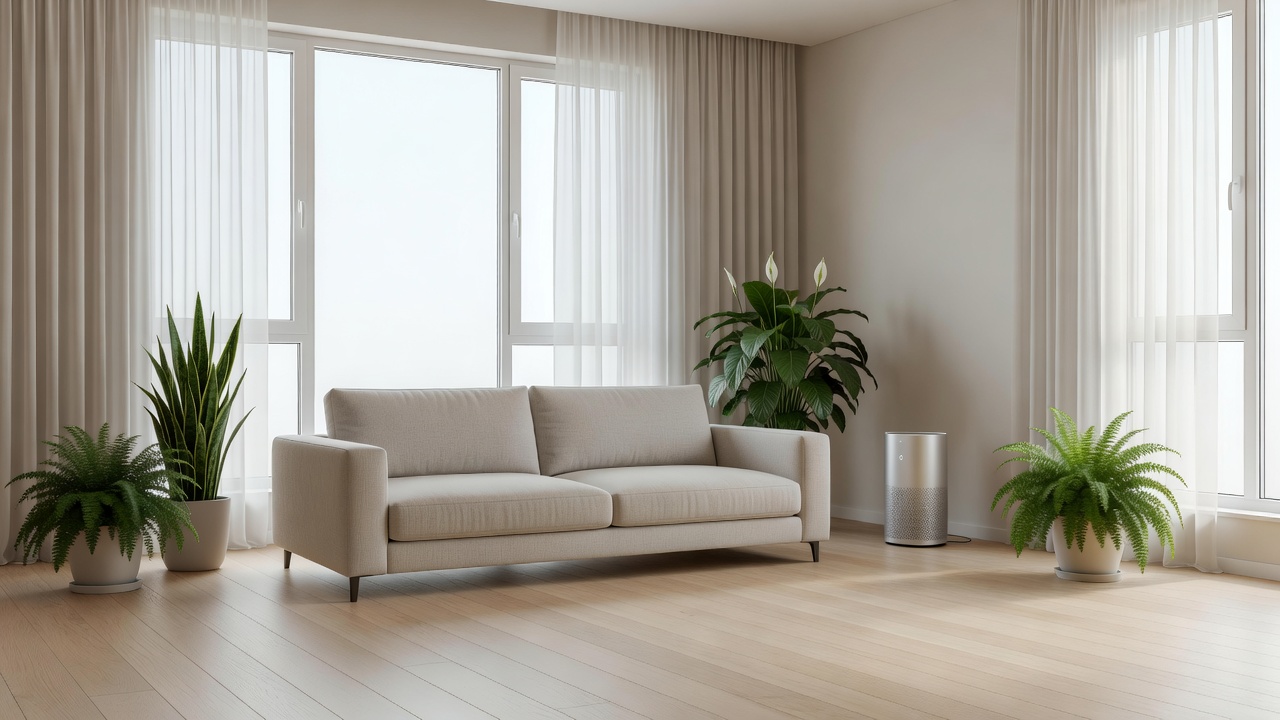
What if my room has multiple windows? Use window treatments to frame the focal point and reduce visual competition from outdoor views. Layer sheer and opaque curtains to control light direction.
Are statement pieces suitable for rental spaces? Opt for freestanding items like floor lamps or large mirrors that require no installation and can move with you.
How do I maintain balance when adding seasonal decor? Keep seasonal items minimal and rotate them in small doses so they enhance rather than overshadow the main focal point.
Can technology like smart lighting enhance the focal point? Yes, programmable lighting systems allow you to highlight the piece at different times or for special occasions without permanent changes.
Conclusion
Mastering living room focal points with statement pieces brings fresh energy to your home in 2026. By thoughtfully selecting, arranging, and illuminating your centerpiece, you create spaces that feel both stylish and functional. Explore these ideas to start your remodeling journey today and enjoy a living room that truly reflects your personality while supporting everyday life.
No comments yet. Be the first!