 Fixated on Home
Introduction to Allergy-Friendly Living Room Design
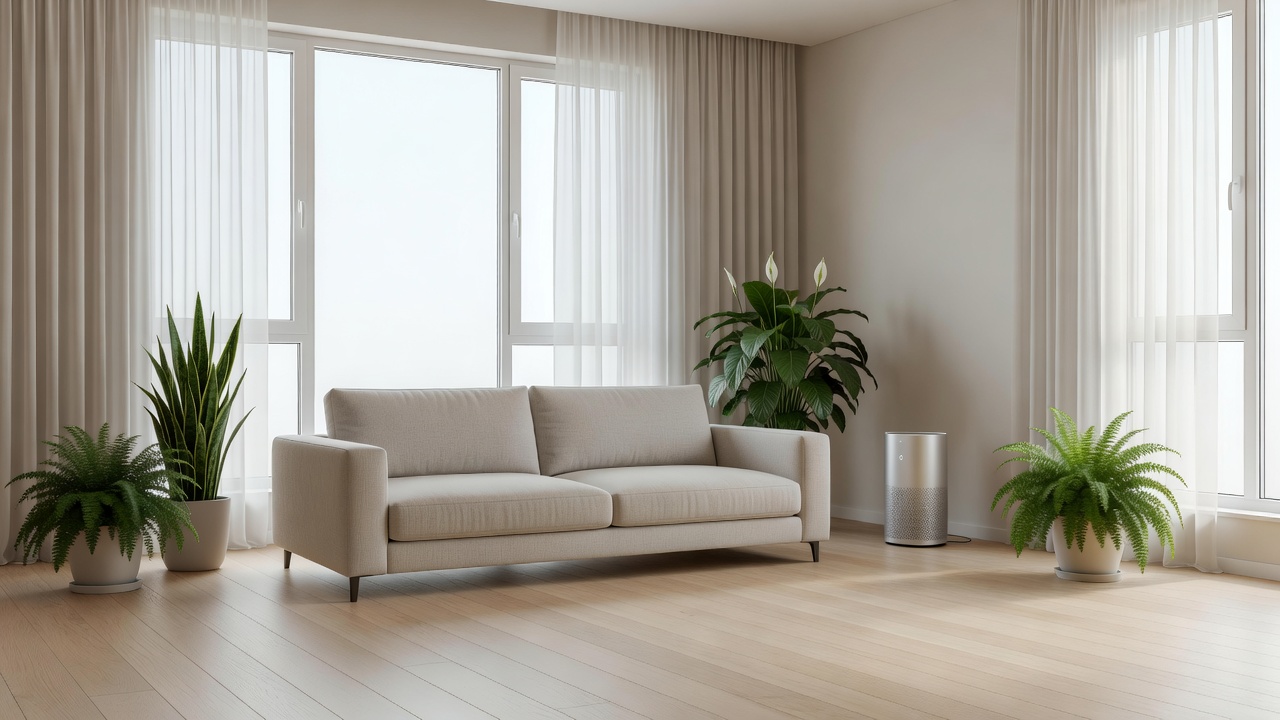
Creating an allergy-friendly living room in 2026 means balancing modern aesthetics with health-focused choices that reduce exposure to dust mites, pollen, pet dander, and mold. Homeowners with sensitive family members or respiratory conditions can achieve this through targeted material selections and layout optimizations. This comprehensive guide provides in-depth strategies, comparisons, and actionable steps to transform your space into a sanctuary that supports better breathing while maintaining visual appeal. Allergens often accumulate in fabrics, carpets, and poorly ventilated areas, so proactive design choices can significantly lower triggers over time.
Selecting Hypoallergenic Fabrics and Upholstery
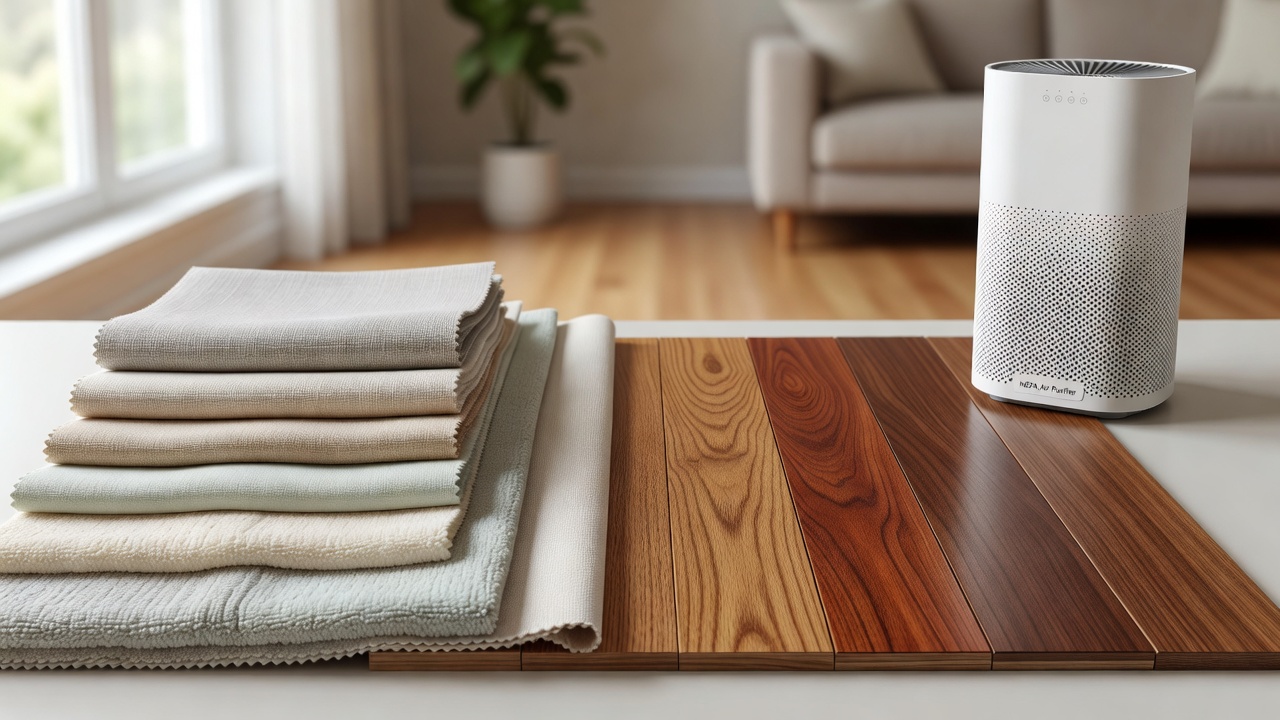
Start by choosing fabrics that resist allergen accumulation. Opt for tightly woven materials like microfiber or leather alternatives over plush textiles. Leather and synthetic leathers are easier to wipe clean, while certified organic cotton or linen treated with allergen-resistant finishes offer breathability without trapping particles. Compare options such as performance fabrics versus traditional upholstery: performance versions often include antimicrobial coatings that deter mold growth, making them ideal for humid climates. Additional considerations include color and texture—light-colored, smooth surfaces make dust visible for quicker cleaning. Real-world example: A family in a suburban home replaced their velvet sofa with a certified hypoallergenic performance fabric model, resulting in fewer allergy symptoms within weeks. Always check for OEKO-TEX or similar certifications when shopping. Avoid down-filled cushions and opt for synthetic fills that can be washed regularly. Layering with washable throws adds flexibility without introducing new allergens.
Choosing Allergen-Resistant Flooring Options
Flooring plays a major role in allergen control. Hardwood, laminate, or polished concrete outperform carpet by eliminating deep fiber traps where dust mites thrive. If carpet is preferred for comfort, select low-pile, synthetic varieties with built-in antimicrobial treatments and pair them with frequent professional cleaning. Tile or vinyl plank flooring with sealed grout lines provides another durable, wipeable surface. Material comparison table in practice: Hardwood offers timeless appeal and easy vacuuming but requires periodic refinishing; engineered vinyl provides waterproofing at lower maintenance. For step-by-step installation, begin with subfloor inspection, then apply underlayment designed for allergen barriers. Consider radiant heating under hard floors to reduce the need for rugs that collect dust. In high-traffic homes, these choices also improve longevity and ease of maintenance routines.
Incorporating Air-Purifying Plants and Elements
Integrate plants known for air purification, such as snake plants, peace lilies, and spider plants. These can help filter common indoor pollutants according to NASA studies referenced on epa.gov. Position them away from direct vents to avoid spreading pollen. Complement with HEPA-filter air purifiers placed strategically near seating areas. Expand your plant selection to include Boston ferns for humidity control and aloe vera for additional air-cleaning properties. Practical placement tips include grouping plants in corners where airflow is gentle and using self-watering pots to minimize mold risk from overwatering. Combine with essential oil diffusers only if using hypoallergenic, unscented versions to prevent irritation. This layered approach enhances both air quality and room aesthetics without overwhelming the space.
Optimizing Ventilation and HVAC Systems
Upgrade to whole-home ventilation with MERV-13 or higher filters and consider adding energy recovery ventilators for fresh air exchange without energy loss. Regular filter changes every 30-90 days prevent buildup. Smart thermostats can monitor humidity levels, keeping them between 30-50% to inhibit mold. For older homes, sealing windows with allergen-proof weatherstripping enhances control. Additional steps involve installing exhaust fans in adjacent rooms and using portable dehumidifiers during peak allergy seasons. Reference guidelines from cdc.gov for best practices on indoor air quality. In multi-story homes, ensure balanced airflow throughout to avoid stagnant zones. These upgrades create a consistent environment that supports long-term respiratory health.
Step-by-Step Remodeling Checklist
- Assess current allergens via professional testing and identify primary sources like old carpet or upholstered pieces.
- Remove existing carpet and replace with hard flooring, ensuring proper sealing of all edges.
- Select and install hypoallergenic furniture, verifying certifications before purchase.
- Integrate air purifiers and plants in optimal locations for maximum benefit.
- Optimize HVAC with new filters, humidistats, and possible ERV additions.
- Implement weekly maintenance routines like damp dusting and monthly deep cleans of filters.
- Review and adjust window treatments to allergen-resistant blinds or washable curtains.
- Test the space post-renovation with air quality monitors to confirm improvements.
Real-World Transformation Examples
One urban apartment owner converted a carpeted living room into a minimalist hardwood space with modular allergen-resistant seating, cutting dust levels dramatically and allowing easier weekly cleanings. Another suburban remodel added built-in cabinetry with sealed doors to store items away from open surfaces, reducing clutter-related allergen traps. A third example involved a family with young children who incorporated zoned ventilation and multiple air-purifying plants, transforming a previously stuffy room into a comfortable gathering space used daily without symptom flare-ups.
Mistakes to Avoid in Allergy-Friendly Design
Common pitfalls include choosing overly textured rugs for visual interest, neglecting humidity control leading to mold, and installing plants without considering pollen output. Always prioritize functionality over trends and test materials in small swatches before full commitment. Overlooking HVAC filter upgrades can undermine all other efforts.
FAQ on Maintenance Routines
How often should I clean hypoallergenic fabrics? Vacuum weekly with a HEPA-filter vacuum and spot clean as needed, washing removable covers monthly.
Are air purifiers worth the investment for living rooms? Yes, models with true HEPA filters significantly reduce airborne allergens when sized correctly for the room and run continuously on low.
What maintenance prevents mold in ventilation systems? Schedule annual professional HVAC inspections and replace filters regularly while monitoring humidity.
How do I choose the right plants without introducing new allergens? Select low-pollen varieties and avoid flowering types that produce heavy scents or spores.
Can I keep pets in an allergy-friendly living room? Yes, with frequent grooming, designated pet zones, and regular vacuuming of pet hair from floors and furniture.
Conclusion
By focusing on these evidence-based design choices, your living room can become a sanctuary that supports both style and respiratory health in 2026 and beyond. Begin with small upgrades like fabric swaps and build toward full remodeling for lasting benefits. Consult resources from mayoclinic.org and who.int for personalized medical advice on allergies and indoor environments.


No comments yet. Be the first!