 Fixated on Home
Introduction to Seasonal Living Room Updates
Refreshing your living room doesn't require a full remodel or major construction. Targeted home decor swaps allow you to adapt your space to changing seasons while keeping the foundation intact. This approach suits homeowners seeking low-effort, high-impact updates aligned with 2026 trends. Versatile base pieces form the core of any successful strategy, while textiles and accessories rotate to reflect weather patterns, mood shifts, and emerging color palettes. Throughout this guide we explore material selections, seasonal strategies, real-world examples from different home styles, maintenance routines, and common pitfalls to avoid. By focusing on thoughtful layering rather than complete overhauls, you can achieve a fresh atmosphere four times a year without disrupting daily life or exceeding reasonable effort levels.
Selecting Versatile Base Pieces
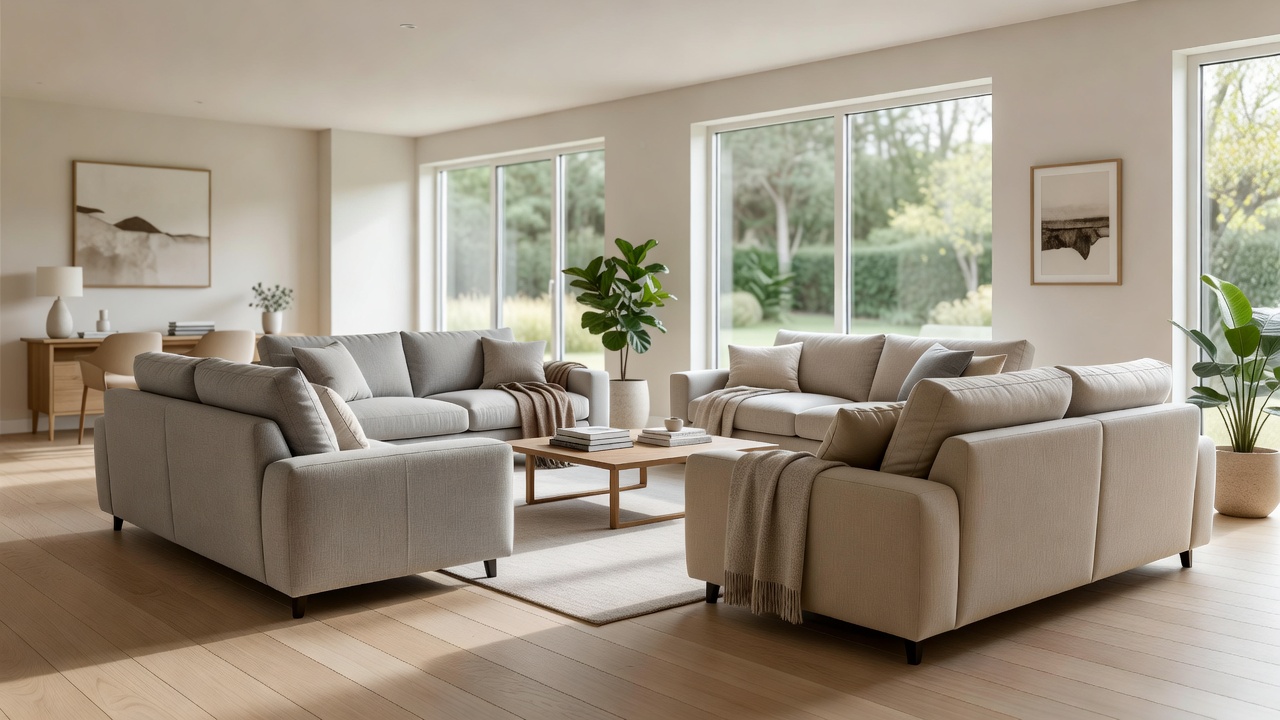
Start with furniture and structural elements that endure multiple seasons without feeling dated. Neutral sofas, modular seating systems, and durable coffee tables provide the flexibility needed for easy layering. Choose pieces in timeless finishes such as natural oak, walnut, or matte black metal that complement both warm and cool tones. For instance, a linen-upholstered sectional works equally well with heavy winter throws and lightweight summer pillows. Consider scale, proportion, and fabric durability when making selections. Real-home examples demonstrate that investing in quality frames and solid wood surfaces reduces long-term replacement frequency. Homeowners who prioritize neutral upholstery and simple silhouettes find it simpler to introduce seasonal personality through accents alone. Additional base considerations include lighting fixtures with interchangeable shades and shelving units that accommodate rotating displays. These foundational choices create a canvas that evolves smoothly across spring, summer, fall, and winter.
Incorporating 2026 Color Trends
Current forecasts for 2026 emphasize earthy tones blended with soft pastels and selective bold accents. Popular directions include warm terracotta, sage green, muted lavender, and gentle ochre. Introduce these hues gradually through smaller items rather than large surfaces. 
Rotating Textiles and Accessories by Season
Textiles deliver the fastest and most noticeable seasonal transformation. In spring, lightweight cottons and delicate floral patterns brighten the space. Summer benefits from breezy linens and crisp stripes that evoke outdoor living. Fall calls for plush velvet cushions, plaid blankets, and richer textures. Winter layers feature faux fur throws and deep jewel tones that add warmth. Accessories such as vases, framed prints, rugs, and sculptural objects follow the same rotation schedule. Store off-season items in clearly labeled, climate-controlled bins to protect fabrics from dust and moisture. This systematic rotation keeps the living room feeling renewed without repeated large purchases. Homeowners who maintain a simple inventory list of seasonal items report smoother transitions and fewer forgotten pieces each quarter.
Spring Checklist and Implementation
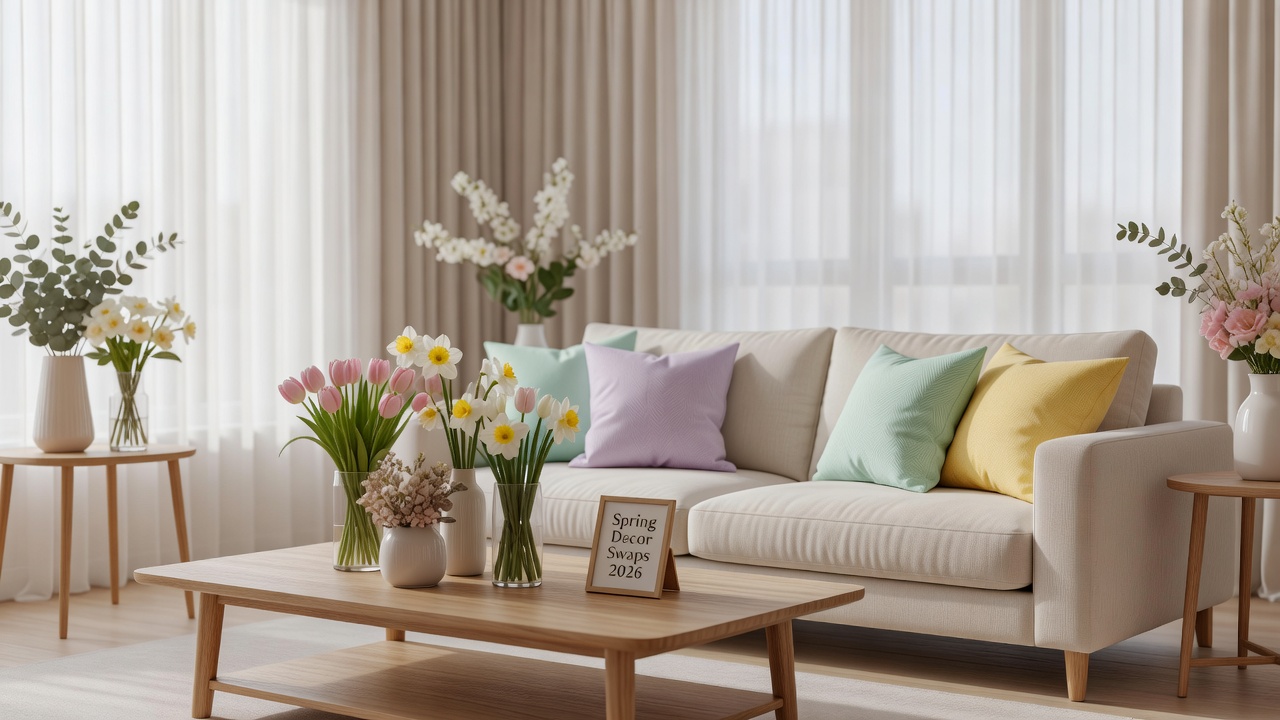
Begin by swapping heavy drapery for sheer linen panels that filter natural light softly. Add potted greenery and fresh floral arrangements to introduce organic energy. Replace darker area rugs with lighter jute or sisal options that feel airy underfoot. Introduce pastel throw pillows in soft peach, mint, and sky blue. Incorporate ceramic vases filled with blooming branches. These changes typically take one afternoon and immediately shift the room toward renewal. Real examples from suburban homes show that adding just four to six new textile pieces creates a noticeable lift without overwhelming storage needs.
Summer Checklist and Implementation
Layer cooling bamboo mats or lightweight linen textiles across seating areas. Update wall art to coastal prints, botanical illustrations, or abstract pieces in watery tones. Use outdoor-inspired accessories such as woven trays or driftwood sculptures indoors. Keep surfaces minimal and uncluttered to enhance the sense of space. Homeowners in warmer climates often add ceiling fans with decorative blades that double as seasonal accents. The goal is breathability and visual lightness that counters summer heat.
Fall Checklist and Implementation
Incorporate warm wool throws and chunky knit pillows in earth tones. Add pumpkin-hued ceramics and subtle metallic accents like aged brass candleholders. Switch to thicker, textured rugs in rust or olive. Include seasonal scent elements such as cinnamon or cedar candles placed on side tables. These updates create a cozy transition that prepares the room for shorter days. Families with children often involve them in the rotation process, turning the swap into a shared activity that marks the change of season.
Winter Checklist and Implementation
Layer plush blankets and faux fur throws across sofas and chairs. Introduce evergreen branches, pinecones, and simple white lights in hurricane lanterns. Use deep-colored pillows in burgundy, forest green, and navy. Enhance ambient lighting with warmer bulbs and additional table lamps. These elements counteract winter darkness and promote a sense of sanctuary. Apartment dwellers with limited storage space can focus on two or three high-impact swaps rather than a complete overhaul.
Real-Home Examples and Budget Comparisons
One suburban family rotated only textiles and accessories across four seasons while keeping the sofa, tables, and shelving unchanged, achieving a distinct look each quarter. An urban apartment dweller used modular wall shelves to display rotating collections of books, plants, and art, allowing quick visual refreshes. A third example from a rural home incorporated vintage finds sourced locally for each season, blending them with existing neutral furniture. Qualitative comparisons reveal that planned seasonal rotations generally cost less than annual full-room redesigns. Focusing on durable base investments and reusable accent pieces spreads expense over multiple years. Resources such as Better Homes & Gardens provide further visual inspiration and project ideas for similar living room transformations.
Mistakes to Avoid During Seasonal Swaps
Common errors include overcommitting to trend colors that clash with permanent finishes or neglecting proper storage that leads to damaged textiles. Another frequent issue is ignoring scale when adding new accessories, resulting in cluttered surfaces. Homeowners sometimes skip regular cleaning between rotations, allowing dust buildup that dulls fabrics. Planning ahead with a simple checklist and designated storage system prevents these problems and ensures each seasonal update feels intentional rather than haphazard.
FAQ on Storage and Maintenance
How should seasonal items be stored? Use climate-controlled closets or bins with acid-free tissue paper to protect textiles from yellowing and moisture. What maintenance keeps pieces looking fresh? Rotate rugs every few months to distribute wear and spot-clean upholstery monthly with appropriate fabric solutions. How often should trends be reassessed? Review annual color forecasts from sources like Architectural Digest each January to decide which new accents to introduce. Can renters participate fully? Yes, focus on removable items such as pillows, throws, art, and portable lighting that require no permanent changes. These practices promote longevity and simplify future transitions.
Conclusion
Seasonal living room updates through targeted decor swaps deliver ongoing visual interest without major disruption or expense. By prioritizing versatile base pieces, strategic textile rotations, and measured incorporation of 2026 color trends, your space evolves effortlessly throughout the year. Consistent maintenance and thoughtful storage further extend the life of each element, ensuring your living room remains both functional and inspiring across every season.
No comments yet. Be the first!