 Fixated on Home
Introduction
Homeowners are placing greater emphasis on physical well-being when updating their living spaces in 2026. Ergonomic furniture supports natural body alignment, minimizes strain on the spine and joints, and promotes comfort during extended periods of sitting, reading, or family gatherings. This comprehensive guide examines how to assess personal needs, compare furniture types, select durable materials, and integrate supportive pieces into existing decor without compromising style or functionality. By following practical evaluation methods and real-world examples, readers can create living rooms that actively contribute to daily health and relaxation.
Assessing Body Mechanics for Furniture Selection
Effective ergonomic choices begin with a thorough assessment of individual body mechanics. Observe daily routines by noting average sitting times, common postures such as crossing legs or leaning forward, and any persistent discomfort in the neck, shoulders, lower back, or hips. Measure key dimensions including seat height to ensure feet rest flat with knees at approximately 90 degrees, and seat depth to leave two to three inches of space behind the knees. Factor in spinal curvature by testing lumbar support options that match the natural inward curve of the lower back. Families with children or elderly members should consider varying heights and mobility needs. These observations guide selections toward pieces that adapt to real usage patterns rather than generic designs. For instance, taller individuals often require deeper seats and higher armrests, while those with desk jobs may benefit from chairs that encourage subtle movement throughout the day.
Comparing Ergonomic Versus Standard Furniture Options
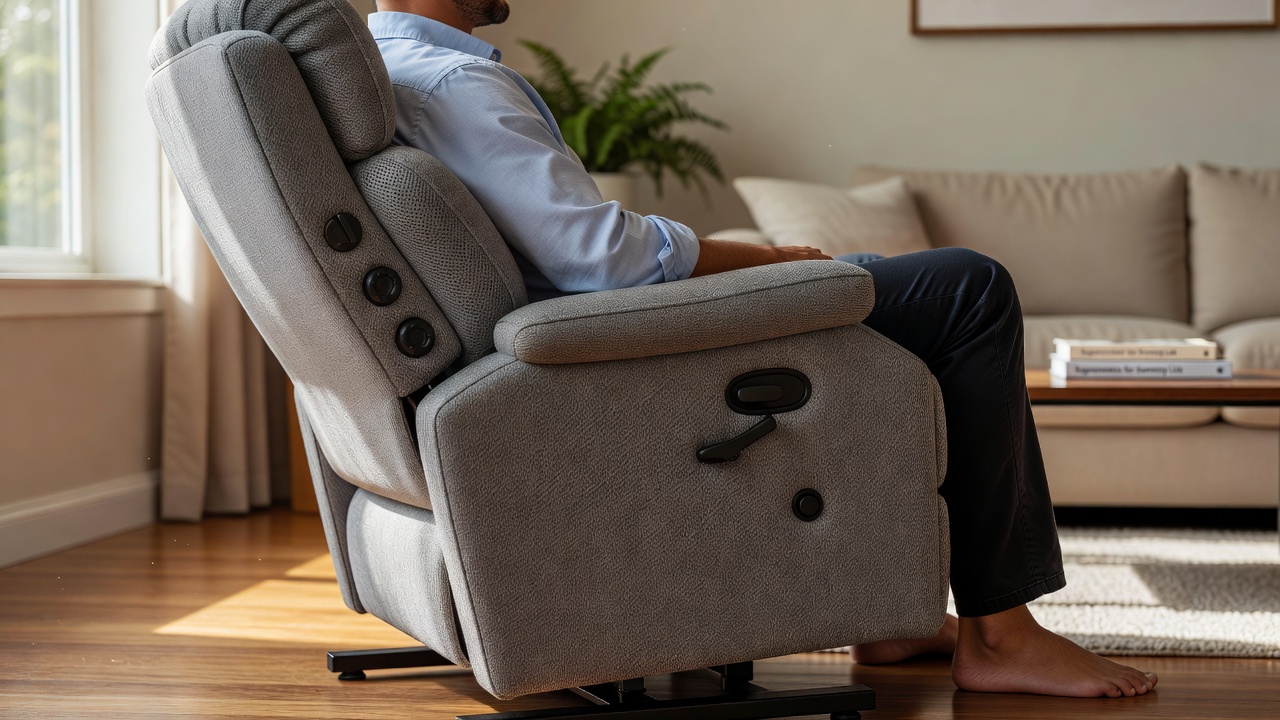
Standard living room furniture typically offers fixed cushions and limited recline options, which can encourage slouching and pressure buildup over time. Ergonomic models incorporate features like independent lumbar adjustments, multi-position headrests, and tension-controlled reclining mechanisms that allow users to shift weight and maintain neutral spine alignment. A side-by-side comparison reveals that ergonomic recliners often provide better long-term support for the pelvis and thighs, reducing the risk of fatigue during movie marathons or remote work sessions. Standard sectionals may look appealing initially but frequently lack the adjustability needed for varied body types. When evaluating, spend at least fifteen minutes testing each option in a showroom to simulate real sitting conditions, paying attention to how the piece responds to weight shifts and posture changes.
Essential Features for Supportive Seating
Key features distinguish truly supportive seating from basic alternatives. Prioritize adjustable lumbar panels that conform to individual spinal curves, seat depths allowing proper thigh support without cutting off circulation, and armrests positioned at elbow height when shoulders are relaxed. Recline ranges should reach at least 110 degrees with secure locking positions, while swivel bases or gentle tilt functions promote dynamic sitting. Additional considerations include breathable upholstery to prevent overheating and reinforced frames capable of handling repeated use. These elements collectively reduce muscle tension and improve circulation during prolonged occupancy.
- Contoured backrests with built-in or add-on lumbar bolsters
- Height-adjustable headrests for neck alignment during reclining
- High-density foam or hybrid coil cushions that resist sagging
- Sturdy bases with non-slip feet for stability on various floor types
- Easy-to-reach controls for users with limited mobility
Material Durability in High-Traffic Living Areas
High-traffic living rooms require materials engineered for longevity and easy maintenance. Performance fabrics with stain-repellent treatments and UV resistance outperform untreated textiles in households with pets or young children. Frame construction matters greatly; kiln-dried hardwood or powder-coated steel outlasts particleboard or lightweight composites under daily stress. Cushion cores combining high-resilience foam with pocketed coils maintain shape and support longer than traditional spring systems. Regular rotation of cushions and prompt cleaning of spills further extend lifespan. Authoritative guidance from OSHA highlights the importance of durable, well-supported surfaces in reducing everyday musculoskeletal strain within residential settings.
Integrating Ergonomic Pieces with Existing Decor
Modern ergonomic furniture often features streamlined silhouettes and versatile color palettes that harmonize with both minimalist and traditional interiors. Position adjustable recliners alongside standard sofas and unify the arrangement with coordinated accent pillows or throws. Modular seating systems allow flexible configurations that adapt to gatherings or quiet evenings. For smaller spaces, select slim-profile chairs with hidden storage ottomans that double as footrests. Consult posture resources from Mayo Clinic to inform layout decisions that encourage healthy positioning throughout the room.
Step-by-Step Evaluation Checklist
- Measure room dimensions, doorways, and primary traffic pathways before shopping
- Document family members' average heights, weights, and any existing back or joint concerns
- Test each potential piece for a minimum of fifteen minutes while performing typical activities
- Review warranty terms covering frames, mechanisms, and upholstery for at least five years
- Evaluate cleaning requirements and fabric durability ratings against household demands
- Confirm compatibility with existing lighting, outlets, or smart home features
- Compare delivery timelines and assembly needs to avoid unexpected disruptions
Real-Home Examples and Layout Ideas
A suburban family replaced an oversized sectional with two ergonomic recliners and a modular sofa featuring independent lumbar controls. The updated layout improved circulation paths and allowed each person to fine-tune support independently during evening relaxation. In an urban apartment, residents added a height-adjustable coffee table paired with supportive armchairs, creating versatile zones for both work and leisure. Another example involved retrofitting an older loveseat with aftermarket ergonomic cushions and repositioning it at an angle to better align with natural light and conversation flow, resulting in noticeably improved posture habits among household members.
Common Mistakes to Avoid
Many homeowners overlook the importance of testing furniture with actual body weight and movement patterns, leading to purchases that feel supportive only briefly. Another frequent error involves prioritizing aesthetics over adjustability, resulting in pieces that look stylish but fail to accommodate varied postures. Ignoring material specifications can cause premature wear in busy households, while neglecting proper room measurements often leads to cramped arrangements that hinder ergonomic benefits.
Cost-Saving Remodeling Tips
Focus initial investments on one or two high-impact pieces such as an adjustable recliner or supportive sectional rather than complete overhauls. Explore seasonal promotions or certified pre-owned ergonomic models from established retailers. Supplement existing furniture with targeted accessories like wedge cushions or footrests as affordable interim solutions. Select timeless designs and neutral finishes that retain resale value and adapt to future decor changes.
Conclusion
Strategic ergonomic furniture selections transform living rooms into environments that actively support physical health and comfort. By conducting detailed body assessments, prioritizing adjustable and durable features, and thoughtfully integrating pieces with existing decor, homeowners achieve spaces that enhance daily well-being for years to come.
FAQ
What budget alternatives exist for ergonomic furniture?
Begin with targeted accessories such as lumbar rolls, adjustable footrests, or seat wedges before committing to full furniture replacements. These additions can provide meaningful support improvements at lower cost.
How should I maintain ergonomic furniture long term?
Rotate and flip cushions quarterly, inspect and tighten moving parts annually, and follow manufacturer-specific cleaning protocols to preserve structural integrity and support quality.
Can ergonomic furniture help with existing back pain?
While not a substitute for medical advice, properly fitted ergonomic seating often reduces strain and encourages better posture, which many users report helps manage mild discomfort during daily activities. Consult a healthcare professional for personalized recommendations.
Are there specific layout strategies for small living rooms?
Yes, prioritize multi-functional pieces with built-in storage and arrange seating to maintain clear pathways of at least 30 inches for safe movement and optimal ergonomic positioning.
No comments yet. Be the first!