 Fixated on Home
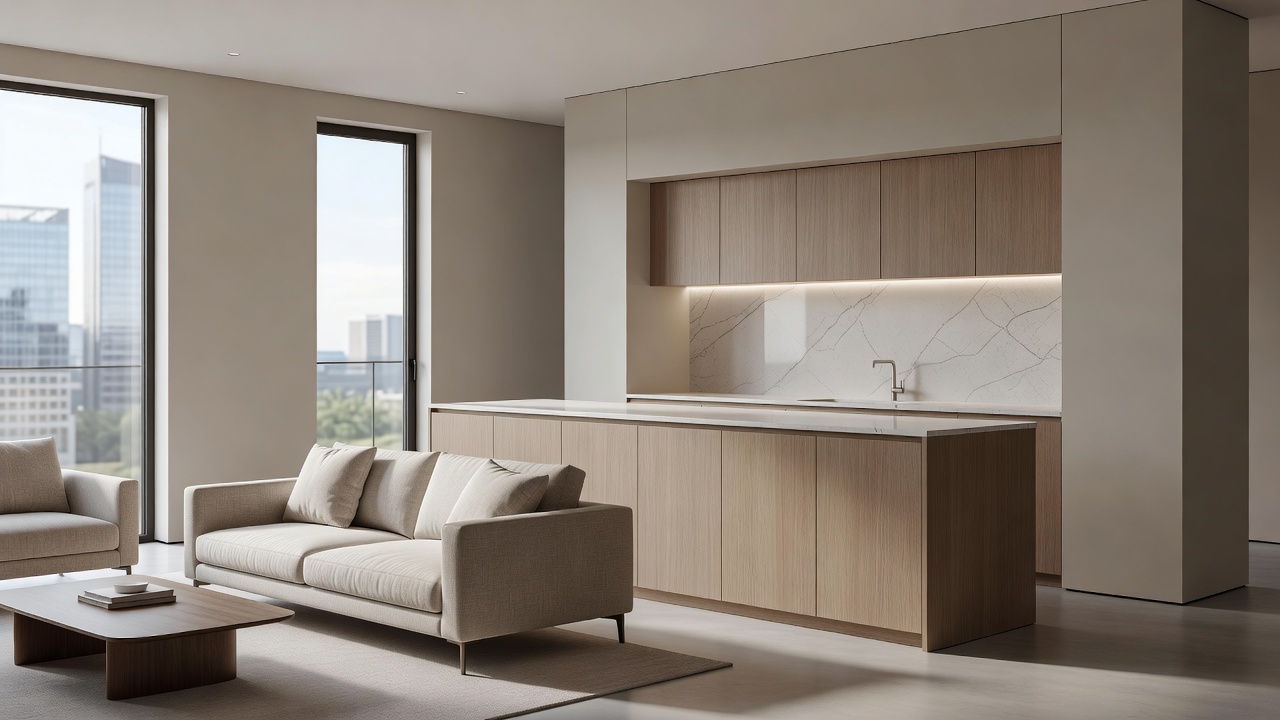
Introduction to Integrating a Home Bar in 2026
Adding a stylish home bar to your living room can transform the space into a sophisticated entertaining hub while aligning with current interior design trends. In 2026, homeowners are focusing on seamless integration, sustainable materials, and smart features that enhance both aesthetics and functionality. This guide provides in-depth remodeling advice to help you plan and execute the project successfully, covering everything from initial assessment to final maintenance routines. Whether your living room is compact or spacious, these strategies ensure the bar complements existing furniture and elevates daily living.
Assessing Your Living Room Space
Before starting any remodel, evaluate the available square footage and layout thoroughly. Measure the area where the bar will sit, considering traffic flow, proximity to seating areas, and natural light sources. Ideal spots often include corners or walls adjacent to existing furniture. Account for electrical outlets needed for lighting or appliances, and ensure the design complements your room's overall flow without overwhelming it. Consider zoning the space by creating distinct areas for preparation, storage, and guest interaction. Walk through the room multiple times at different times of day to identify potential issues like shadows or awkward sightlines. Professional designers recommend sketching multiple layout options on graph paper to visualize how the bar will interact with sofas, coffee tables, and doorways.
2026 Material and Finish Trends
Current trends emphasize eco-friendly options like reclaimed wood, recycled metals, and low-VOC finishes. Quartz countertops remain popular for durability, while matte black or brushed brass hardware adds a modern touch. Choose finishes that match your existing living room palette for cohesion. Sustainable sourcing helps reduce environmental impact during construction. Explore options such as bamboo cabinetry for its rapid renewability or terrazzo surfaces made from recycled aggregates. For more on sustainable building materials, consult resources from the U.S. Environmental Protection Agency. Textures like brushed concrete or leather accents can add depth without clashing with neutral sofas or area rugs.
Comparing Bar Styles: Minimalist vs. Rustic
Minimalist bars feature clean lines, hidden storage, and neutral tones for a sleek look that blends into contemporary spaces. In contrast, rustic styles incorporate natural wood, exposed shelving, and vintage accents for warmth. Consider your room's existing decor: minimalist suits modern furniture, while rustic works well with leather seating or farmhouse elements. Test both through mood boards before deciding. Additional styles worth evaluating include industrial with metal piping and Edison bulbs or coastal with light woods and nautical details. Each style offers unique storage opportunities and visual impacts.
- Minimalist: Compact footprint, LED underlighting, integrated tech, ideal for small urban apartments
- Rustic: Open shelving for glassware, distressed finishes, natural textures, perfect for larger family homes
- Industrial: Exposed brackets, dark metals, functional pipe shelving for a bold statement
Step-by-Step Installation Guidance
1. Plan the design and obtain any necessary permits after consulting local building codes. 2. Prepare the site by clearing the area, protecting floors, and installing base framing with level checks. 3. Add countertops, shelving, and electrical components while routing wires safely behind walls. 4. Finish with painting, lighting installation, and hardware attachment. 5. Install storage solutions like pull-out drawers or wine racks, testing functionality. Professional help is recommended for plumbing or electrical work to avoid issues. Take time during each phase to double-check measurements and alignments for a polished result.
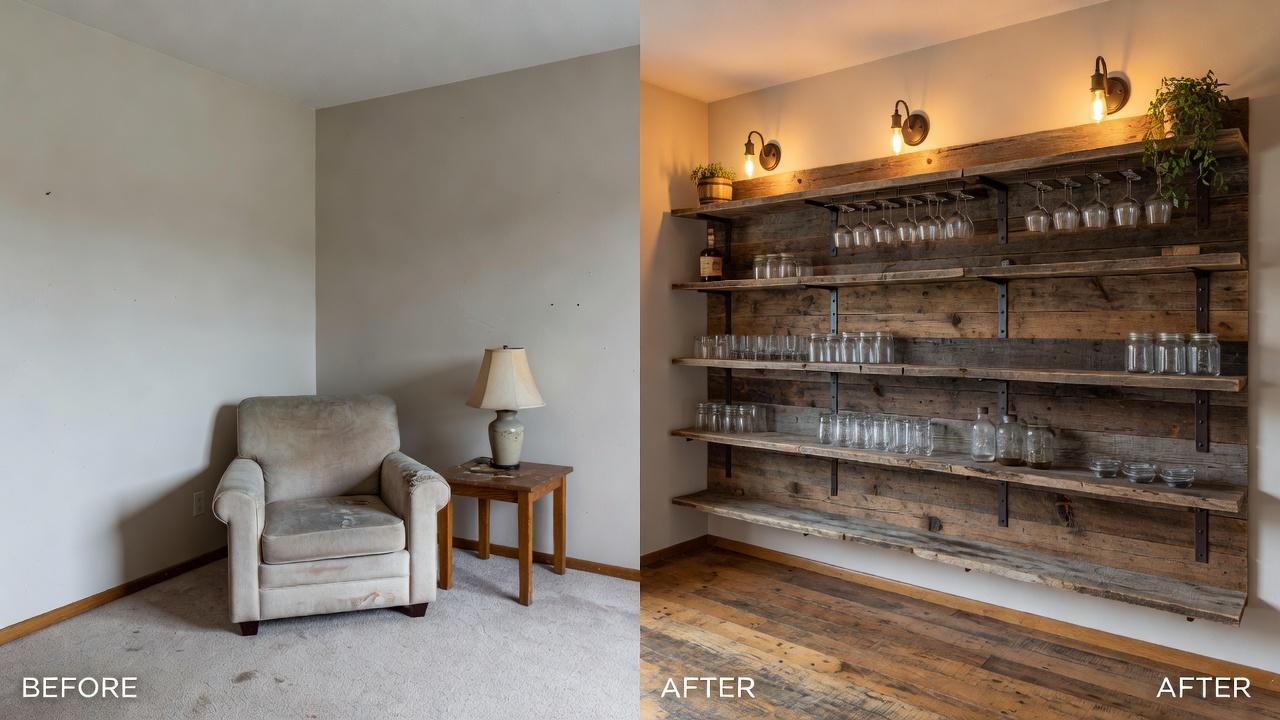
Real-World Before-and-After Transformations
One example involved converting a small alcove in a suburban living room into a compact bar with floating shelves and a quartz top. The result doubled entertaining capacity without sacrificing seating space. Another project expanded a corner unit into a full rustic bar, using reclaimed oak to tie into the room's wooden beams. A third transformation turned an underused bay window area into an industrial-style bar featuring metal accents and integrated refrigeration, creating a conversation centerpiece that increased the home's resale appeal. These cases demonstrate how thoughtful placement enhances both utility and visual harmony.
Incorporating Smart Storage Solutions
Smart storage maximizes limited space with features like motion-sensor lights and app-controlled inventory trackers. Built-in cabinets with dividers keep bottles organized, while hidden compartments reduce clutter. These solutions align with 2026 smart home trends for efficiency. Consider adding climate-controlled sections for wine collections or modular inserts that adapt to changing needs. Voice-activated systems can track stock levels and suggest restocking, integrating seamlessly with other home automation.
Budget Considerations for Your Project
Costs vary based on materials and complexity. Opt for phased upgrades, starting with basic framing and adding premium finishes later. Factor in labor, permits, and potential electrical upgrades for a realistic plan. Focus on quality over quantity to ensure longevity. Prioritize high-impact elements like countertops first, then layer in decorative accents as your budget allows. Research local suppliers for bulk discounts on lumber or hardware to stretch resources further.
Essential Safety Features
Prioritize stability with anchored shelving and non-slip surfaces. Install GFCI outlets near any water sources and use tempered glass for shelving. For more on home safety standards, refer to official consumer safety guidelines. Ventilation is key if including refrigeration units. Additional measures include rounded edges on counters to prevent injuries and secure mounting for overhead racks to avoid tipping hazards during gatherings.
Lighting and Ambiance Enhancements
Effective lighting transforms a home bar from functional to inviting. Layer ambient, task, and accent lighting using dimmable LEDs, under-shelf strips, and pendant fixtures above the counter. Choose warm color temperatures around 2700K to create a welcoming glow that complements evening entertaining. Integrate smart bulbs controllable via apps for mood adjustments during parties or quiet nights.
Common Mistakes to Avoid
Many homeowners overlook adequate ventilation or fail to match bar height to standard counter dimensions, leading to discomfort. Another frequent error is neglecting to plan for future expansions, such as adding more seating. Always verify load-bearing capacity before installing heavy elements and test electrical loads early to prevent outages.
Maintenance and Permit FAQs
How often should I clean my home bar?
Wipe surfaces weekly with appropriate cleaners and inspect seals on refrigeration monthly to prevent mold or leaks.
Do I need permits for a living room bar?
Requirements depend on local codes, especially if adding electrical or plumbing. Check with your municipality early in planning.
What are common maintenance mistakes?
Avoid overloading shelves and neglecting humidity control, which can damage wood or electronics over time.
How do I handle seasonal upkeep?
Inspect finishes twice yearly for wear and reapply protective coatings as needed to maintain appearance.
Conclusion
With careful planning and attention to 2026 trends, your living room home bar can become a standout feature that boosts both style and usability. Follow these strategies for a successful, lasting remodel that enhances your home for years to come.
No comments yet. Be the first!