 Fixated on Home
Introduction to Global Cultural Influences in Living Room Design
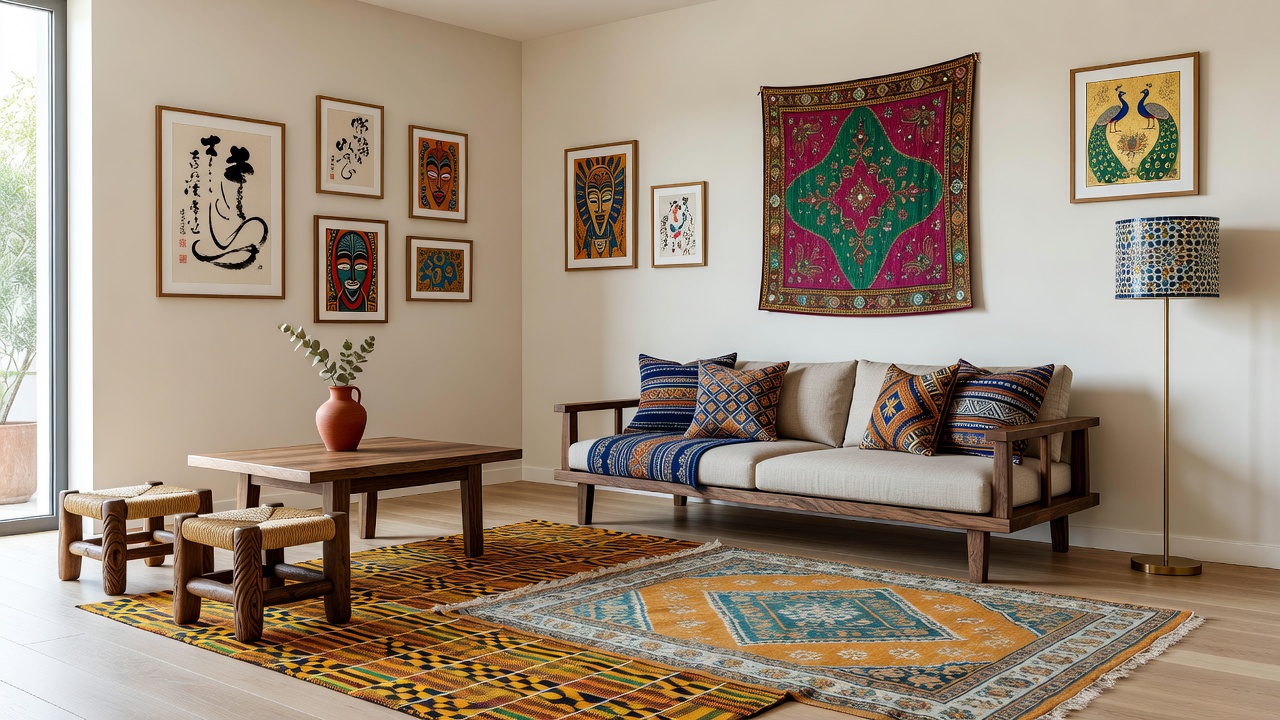
Global cultural influences offer endless inspiration for creating living rooms that feel both timeless and contemporary in 2026. This approach combines heritage textiles, artisanal pieces, and meaningful patterns with modern remodeling techniques to achieve fresh, personalized spaces. Homeowners seeking authentic upgrades often look for ways to honor diverse traditions while avoiding cultural appropriation through respectful research and sourcing. Understanding these influences starts with appreciating their origins, whether drawing from Japanese wabi-sabi principles, vibrant Indian block prints, or intricate African beadwork. The result is a living room that tells a story while supporting daily life and relaxation.
By 2026, more people are turning to these fusions as a reaction to generic mass-produced decor. The trend emphasizes sustainability and storytelling, allowing rooms to evolve with new finds. This guide provides in-depth guidance on textiles, furniture, patterns, and layouts to help you create spaces that feel personal and respectful.
Selecting Textiles from Various Regions
Textiles form the foundation of culturally inspired living rooms. Consider Moroccan kilims for their geometric motifs, which add warmth underfoot or as wall hangings. Japanese indigo-dyed fabrics bring subtle elegance to cushions, while Peruvian alpaca throws provide cozy texture. West African mudcloth offers bold, earthy statements on sofas or as curtains. Always verify ethical production by checking artisan cooperatives or fair-trade certifications to ensure cultural respect and support living wages for makers.
Layering textiles creates depth without overwhelming the space. Start with a neutral base like linen curtains and add accent pieces in bold hues. This method allows easy seasonal updates while maintaining harmony. For instance, combine a Turkish kilim rug with Thai silk pillows for a layered effect that feels collected rather than themed. Pay attention to scale: large patterns work best on floors or walls, while smaller motifs suit accessories. Rotate pieces seasonally to prevent wear and refresh the look.
Incorporating Artisanal Furniture
Artisanal furniture brings craftsmanship and history into modern homes. Look for Indian rosewood consoles or Indonesian teak side tables that showcase hand-carved details. Mexican equipale chairs or Chinese lacquered cabinets add unique character. These pieces often serve as focal points when paired with sleek sofas. Research makers who collaborate directly with communities to preserve traditional techniques and avoid exploitative supply chains.
Balance is essential when integrating these items. Pair a statement Balinese daybed with minimalist Scandinavian-inspired seating to prevent visual clutter. Consider scale and proportion: oversized pieces need breathing room, while smaller carvings can cluster on shelves. Test arrangements in your space before committing, and think about functionality such as storage or seating comfort alongside aesthetics.
Using Symbolic Patterns Without Cultural Appropriation
Symbolic patterns carry deep meanings, so use them mindfully. Navajo-inspired rugs or Maori koru motifs should come from authentic sources rather than mass-produced copies. Educate yourself on symbolism through museum resources or cultural organizations before incorporating them. For example, visit collections at the Metropolitan Museum of Art to understand context and history.
One effective strategy involves adapting patterns into abstract forms. Reinterpret Turkish tile designs as subtle wallpaper accents rather than exact replicas. This honors heritage while fitting contemporary tastes. Always credit origins when sharing your design and avoid sacred symbols in casual applications. Partnering with artisans from the culture in question ensures authenticity and economic benefit to the community.
Minimalist Versus Maximalist Approaches: A Comparison
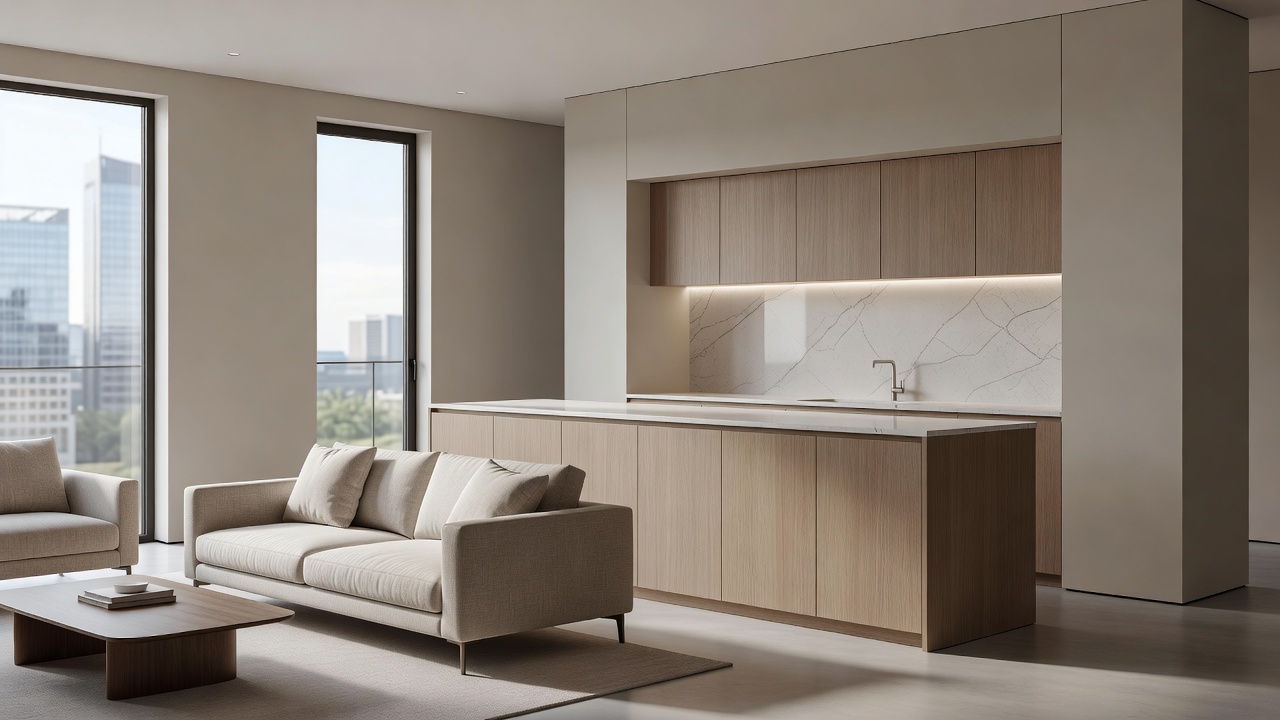
Minimalist designs emphasize clean lines and selective cultural accents, such as a single Japanese screen or African sculpture against white walls. This style suits smaller spaces and promotes calm. Maximalist approaches layer multiple influences—like combining Turkish kilims, Chinese porcelain, and Mexican textiles—for rich, eclectic vibes. Both work well; choose based on room size and personal energy preferences.
- Minimalist: Fewer items, neutral palettes, focus on negative space, easier maintenance, ideal for small apartments
- Maximalist: Bold color mixes, overlapping textures, statement collections, higher visual energy, suits larger rooms with high ceilings
- Hybrid option: Start minimalist and gradually add layers as confidence grows
Consider lifestyle factors. Families with children may prefer minimalist for easier cleaning, while collectors often lean maximalist to display treasures.
Practical Examples of Fusion Room Layouts
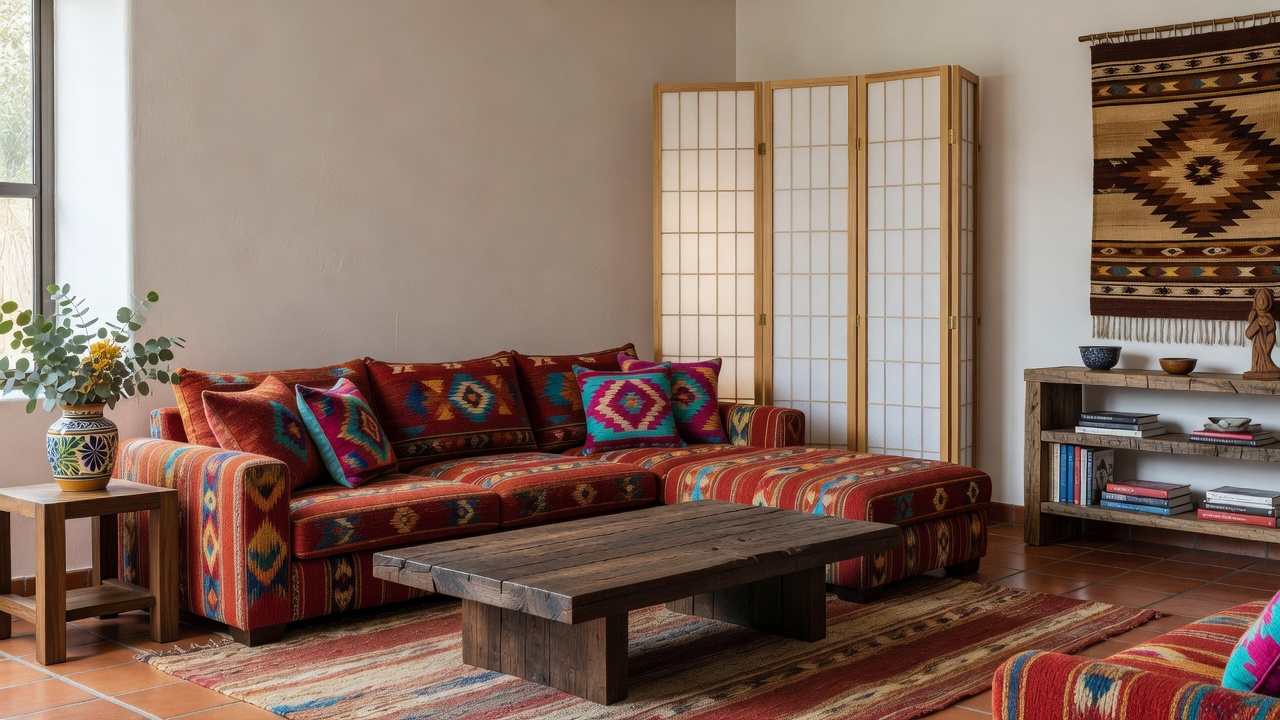
Here are four fusion examples that blend cultures effectively. First, a Japanese-Scandinavian hybrid features tatami mats with birch shelving and simple ceramic vases. Position the low table centrally for tea ceremonies or work, and add sheepskin throws for Nordic comfort. Second, a Latin American-Moroccan mix uses vibrant serapes over leather sofas alongside brass lanterns. Hang lanterns at varying heights and layer rugs for depth. Third, an Indian-African layout incorporates carved wooden stools with mudcloth upholstery and brass trays for serving. Place stools in conversation clusters around a central coffee table. Fourth, an East Asian-Mediterranean space pairs shoji screens with olive-wood tables and Greek amphora accents for a serene yet warm atmosphere.
These layouts demonstrate how two to three cultural threads can create cohesive yet distinctive rooms. Test arrangements by sketching floor plans first and measuring pathways for traffic flow. Adjust lighting to highlight key pieces, such as spotlights on carvings or soft lamps for textile textures.
Step-by-Step Sourcing Advice
Begin by defining your core cultural inspirations through mood boards and research. Next, visit reputable galleries or online platforms connected to artisan networks. Verify provenance by requesting certificates of origin and learning the maker's story. Finally, integrate pieces gradually, starting with smaller items like cushions before committing to larger furniture. This phased method reduces risk and allows refinement. Additional tips include attending cultural festivals for direct sourcing, consulting interior designers specializing in global styles, and checking return policies for online purchases. Build relationships with sellers who can advise on care and future acquisitions.
Common Mistakes to Avoid
Many beginners overload rooms with too many competing patterns or ignore scale. Another pitfall is purchasing replicas instead of authentic or fairly traded items. Always measure twice before buying and consider how new pieces interact with existing architecture and lighting. Avoid mixing sacred items with everyday use without understanding their significance.
Conclusion
Embracing global cultural influences transforms living rooms into meaningful sanctuaries. By prioritizing respect, quality sourcing, and balanced design, your 2026 space will reflect both heritage and modern innovation while remaining comfortable and functional for years to come.
FAQ
How do budget considerations affect these upgrades?
Focus on versatile pieces that serve multiple roles, such as multi-use ottomans or modular shelving. Prioritize quality over quantity to build collections over time and seek out sales from ethical retailers.
What maintenance is required for culturally inspired textiles and furniture?
Regular gentle cleaning with appropriate methods preserves fabrics and woods. Consult care labels or professional restorers for delicate artisanal items, and rotate textiles to distribute wear evenly.
Can these designs work in rental properties?
Yes, focus on removable elements like rugs, cushions, and portable furniture. Use command hooks for lightweight wall hangings and avoid permanent alterations.
How do I ensure long-term durability of global pieces?
Choose natural materials suited to your climate and apply protective finishes where recommended. Store off-season items properly and schedule annual professional cleanings for high-value pieces.
No comments yet. Be the first!