 Fixated on Home
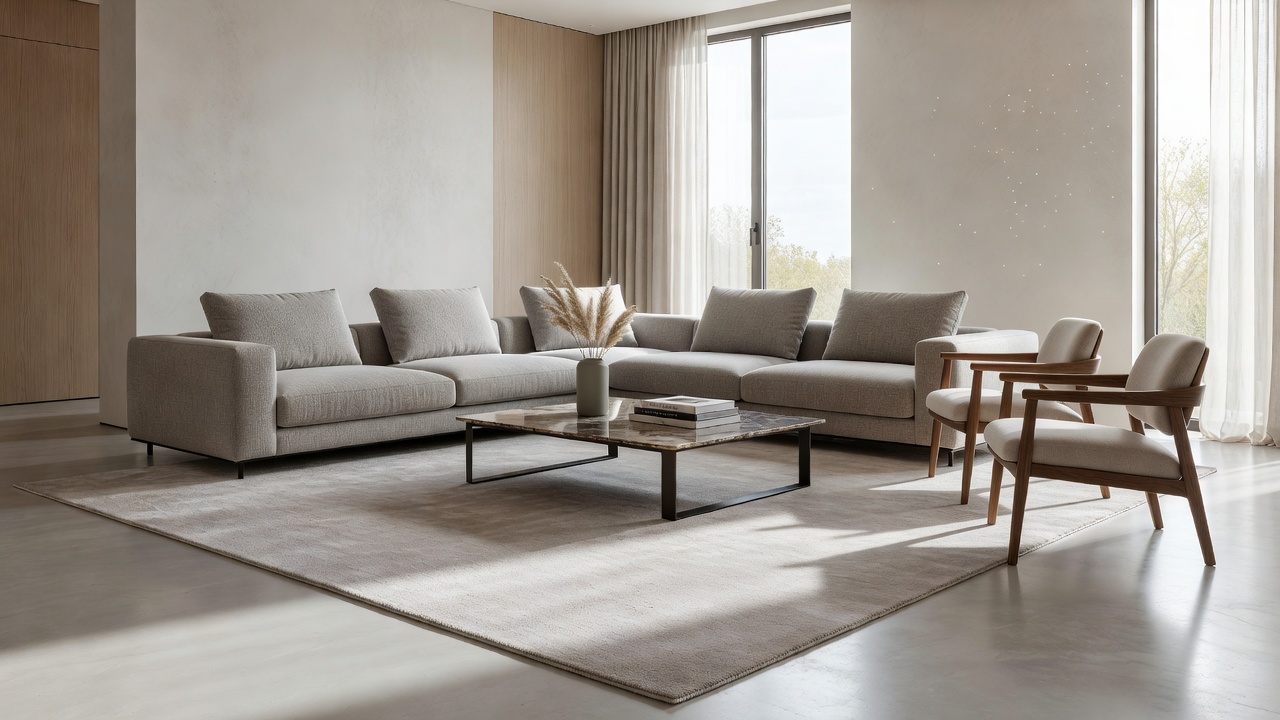
Selecting the right rug transforms a living room from ordinary to extraordinary. This 2026 guide delivers practical advice for homeowners ready to upgrade their space with targeted interior improvements that enhance both aesthetics and functionality.
Why the Right Rug Elevates Living Room Design
A well-chosen rug anchors furniture, defines conversation areas, and adds texture that complements existing decor. It protects floors while creating visual warmth that makes the room feel complete and inviting. Beyond protection, rugs influence acoustics by absorbing sound and can make a space feel larger or more intimate depending on size and color. Homeowners often overlook how a rug serves as the foundation for layering other design elements like lighting and artwork.
Precise Measuring Techniques for Optimal Sizing
Start by measuring your seating arrangement with a tape measure. Leave 12 to 18 inches of floor visible around the rug edges for balance. For a standard 3-seat sofa, an 8x10-foot rug typically works best when all front legs of surrounding chairs rest on the surface. In larger rooms, consider a 9x12-foot option to accommodate multiple seating groups. Always account for traffic flow and door clearance before finalizing dimensions. Measure twice and sketch the layout on paper to visualize proportions accurately. Consider the height of your furniture legs as well, since low-profile pieces may require a slightly larger rug to avoid a floating appearance.
Material Comparisons for Durability and Style
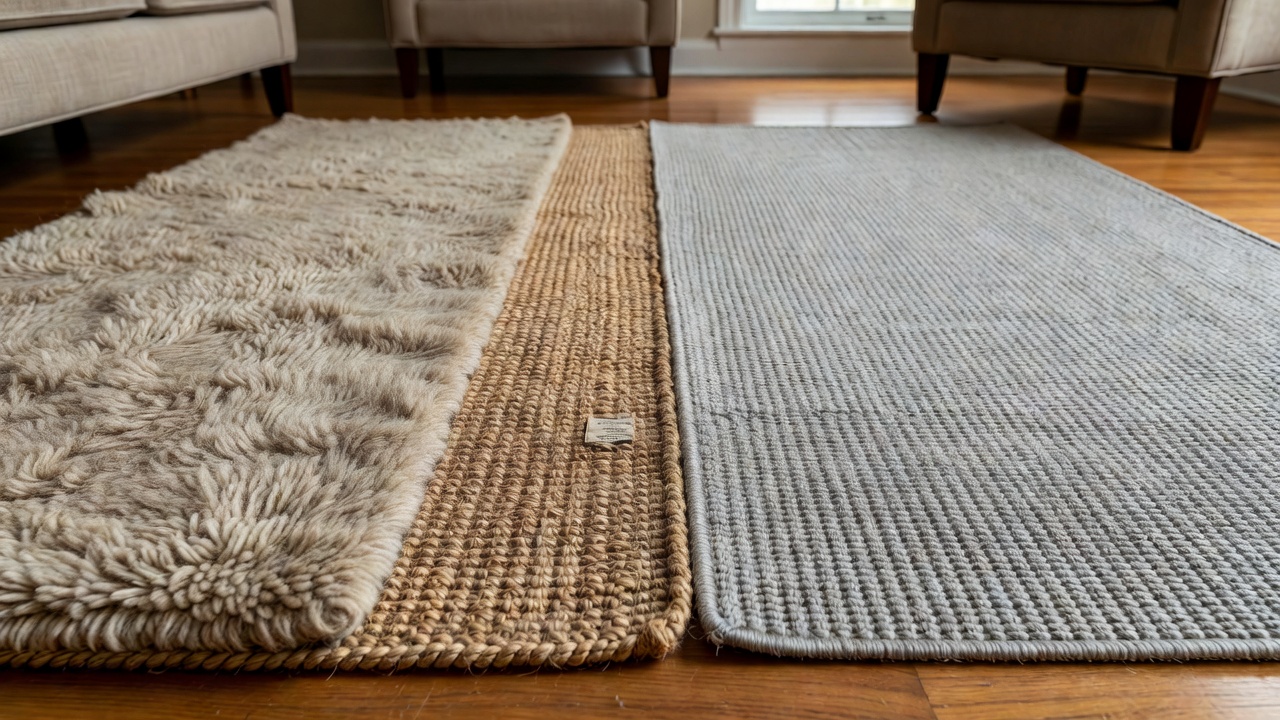
Wool offers natural resilience and timeless appeal, resisting wear while providing softness underfoot. Jute provides organic texture at lower cost but can be less comfortable in barefoot households. Synthetic options like polypropylene resist stains effectively in high-traffic homes with children or pets. Silk blends add luxury sheen but demand more careful placement away from direct sunlight. Consider lifestyle needs when weighing softness against longevity. Natural fibers breathe better in humid climates, while synthetics offer easier maintenance in busy family settings. Test samples by placing them in the actual room for several days to observe how they interact with your flooring and lighting conditions.
HGTV recommends testing samples under your lighting to see true color and texture before committing.
Strategic Placement Methods to Define Zones
Position the rug so front legs of seating rest on its surface to unify the arrangement. In open-concept spaces, use multiple smaller rugs to separate lounging from dining areas without disrupting overall flow. Angle rugs slightly to create dynamic visual interest or align them parallel to walls for a more formal look. Ensure at least 24 inches of walkway remains clear around edges to maintain comfortable movement. In rooms with fireplaces, extend the rug toward the hearth to create a cozy focal point that draws people together naturally.
2026 Trend-Aligned Patterns and Styles
Earthy tones and subtle geometric patterns dominate 2026 trends. Layered rugs with contrasting textures create depth, while oversized abstract designs add modern personality to neutral rooms. Sustainable materials with subtle organic motifs are gaining popularity as homeowners seek eco-conscious choices. Pair these with metallic accents or bold borders to refresh older furniture without full replacement. Monitor color forecasts from design publications to align selections with emerging palettes that emphasize warm neutrals and muted greens.
Budget-Friendly Options Without Sacrificing Quality
Focus on durable mid-range synthetics or sale finds from reputable retailers. Prioritize construction quality over brand names to achieve lasting results within reasonable spending limits. Look for tightly woven constructions that withstand daily use better than loosely made alternatives. Consider remnant or clearance sections at flooring stores for unique sizes that fit specific room layouts at reduced expense.
Integration with Existing Furniture
Match rug tones to your sofa or accent chairs for cohesion. Introduce complementary patterns through pillows or artwork to tie the entire scheme together seamlessly. If your furniture features wood tones, select rugs with similar undertones to create harmony. For mixed-material rooms, use the rug as a unifying element that bridges leather, fabric, and metal finishes. Rearrange accessories after rug placement to ensure visual balance across the entire space.
Step-by-Step Selection Checklist
- Measure the room and furniture footprint twice.
- Identify primary traffic patterns and stain risks.
- Compare material samples under actual room lighting.
- Test placement with painter’s tape outlines on the floor.
- Review return policies before purchase.
- Assess pet or child compatibility with fiber type.
- Check for floor heating compatibility if applicable.
Before-and-After Examples from Real Remodels
One homeowner swapped a too-small rug for a 9x12-foot wool piece, instantly making the sectional feel grounded and proportional. The change improved acoustics noticeably and created a defined conversation zone that encouraged more family gatherings. Another layered a neutral jute rug beneath a colorful kilim to define a reading nook within a larger space, resulting in better organization and a cozy atmosphere that previously felt scattered. A third project involved rotating an existing rug seasonally while adding a second smaller one near the entry to reduce tracked-in dirt, extending the life of the primary piece significantly.
Common Mistakes to Avoid
Many beginners choose rugs that are too small, leaving furniture legs off the surface and creating an unbalanced look. Another frequent error is ignoring pile height, which can interfere with door operation or create tripping hazards. Always verify that new rugs complement rather than clash with existing window treatments and wall colors before installation.
Maintenance and Common Questions
How often should I rotate my rug? Every six months prevents uneven wear from sunlight and foot traffic.
What is the best way to clean spills? Blot immediately with a clean cloth and use manufacturer-approved cleaners for your specific material.
How do I prevent rugs from slipping? Apply non-slip pads underneath, especially on hardwood floors, to ensure safety and stability.
Houzz offers additional care guides for different fiber types.
Architectural Digest provides inspiration galleries showcasing successful rug integrations in contemporary living rooms.
Final Thoughts on Choosing Your Perfect Rug
Thoughtful rug selection combines accurate measurements, material awareness, and creative placement. Apply these principles to create a living room that feels both stylish and functional in 2026 and beyond. Regular evaluation of your space will help maintain the impact of your chosen rug over time.
No comments yet. Be the first!