 Fixated on Home
Biophilic Living Room Design: Nature-Inspired Home Decor 2026
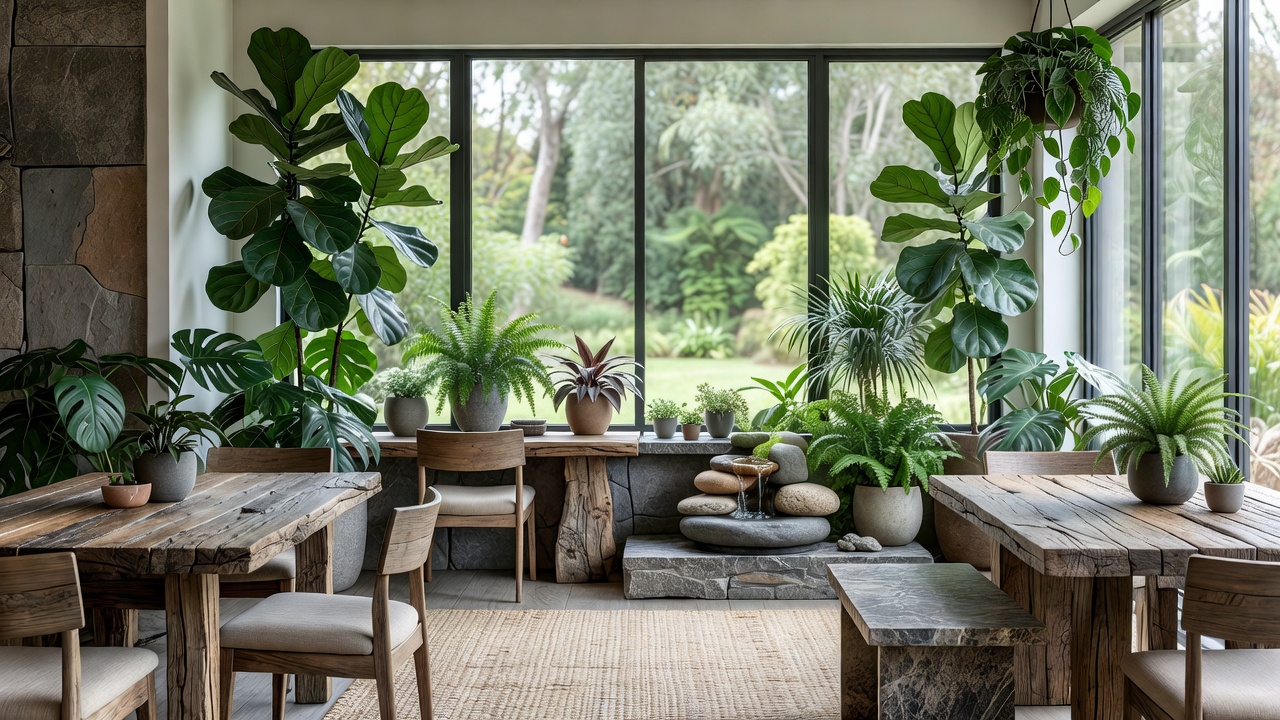
Biophilic design brings the outdoors inside, creating living rooms that boost mood, reduce stress, and improve air quality. In 2026, this approach remains a top trend for homeowners seeking sustainable, wellness-focused interiors. By prioritizing connections to nature, you can turn any living space into a restorative sanctuary that supports both physical and mental health through deliberate choices in layout, materials, and sensory elements.
Understanding Biophilic Design Principles
Biophilic design draws from human evolution in natural environments. Core elements include visual connections to nature, natural light, organic textures, and sensory experiences like sound or scent. Research from World Health Organization highlights how nature exposure supports mental health. Applying these ideas to living rooms involves thoughtful upgrades rather than complete overhauls. The framework typically covers direct nature contact, indirect representations through patterns and colors, and spatial configurations that mimic natural settings such as prospect and refuge areas where people feel both safe and able to survey their surroundings.
Maximizing Natural Light for Healthier Spaces
Natural light forms the foundation of biophilic living rooms. Position seating near windows and use sheer curtains to diffuse sunlight without blocking views. For north-facing rooms, add mirrors to bounce light deeper into the space while avoiding glare on screens. Consider skylights or solar tubes in darker areas to simulate daylight patterns throughout the day. Track how light shifts seasonally and adjust furniture accordingly. In practice, homeowners often install clerestory windows above eye level to bring in high-angle light that feels more like a forest canopy. This approach reduces reliance on artificial lighting during daytime hours and creates dynamic shadows that change throughout the day, adding visual interest.
Strategic Plant Integration for Air Quality and Visual Interest
Plants purify air and add life. Beginners should start with low-maintenance options like snake plants, pothos, or ZZ plants that tolerate varying light levels. Group plants at varying heights for visual interest using stands, shelves, and hanging planters. In larger rooms, create a plant wall or hanging installations that act as natural room dividers. Always match plant choices to your light conditions and watering habits to ensure long-term success. Consider species that release oxygen at night, such as peace lilies, for bedrooms adjacent to living areas. Real examples show that clustering five to seven plants in one corner creates a microclimate effect that noticeably improves perceived freshness. Rotate plants seasonally to prevent leggy growth and maintain balanced aesthetics.
Using Organic Materials and Natural Textures
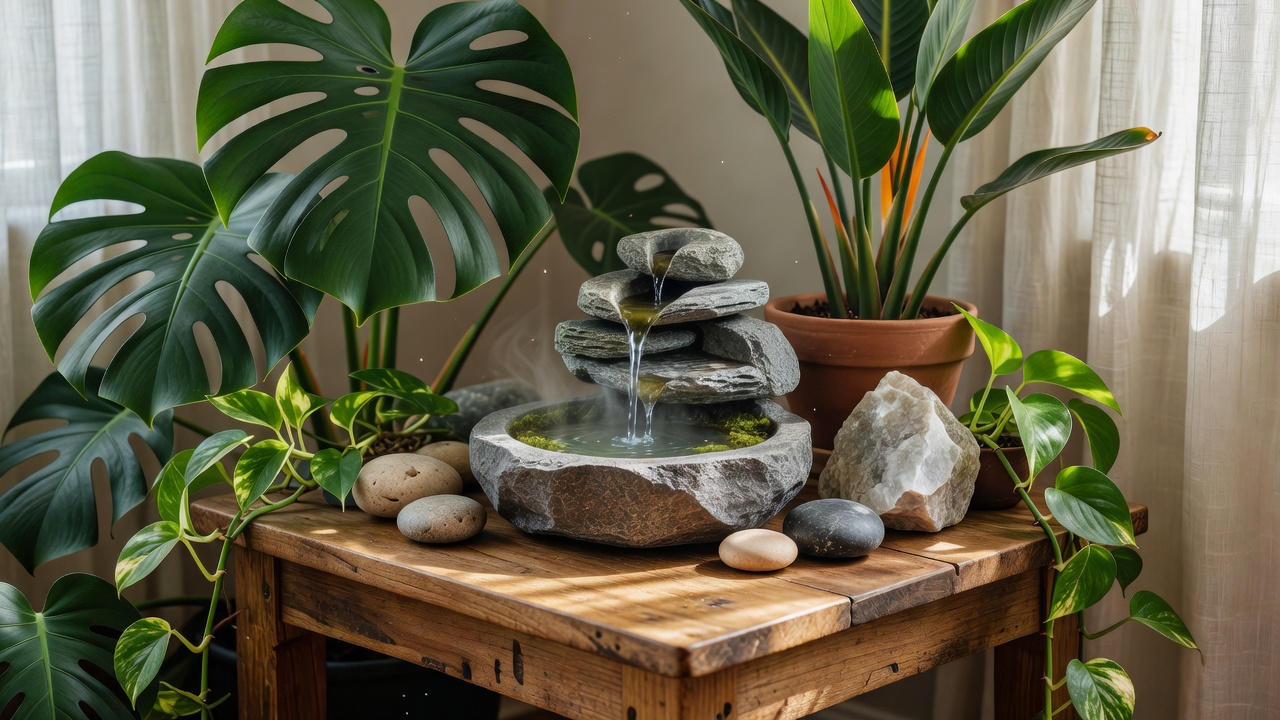
Incorporate wood, stone, wool, and rattan for tactile warmth. Replace synthetic rugs with jute or sisal that feel pleasant underfoot. Opt for reclaimed timber coffee tables or stone accents around fireplaces. These materials age gracefully and connect occupants to natural cycles. Layering textures creates depth: combine smooth river stones with rough bark trays and soft linen upholstery. Many successful designs feature locally sourced woods to reduce carbon footprints while supporting regional craftsmanship. Avoid overly polished finishes that feel artificial; instead embrace natural grain variations and subtle imperfections that tell a story of origin.
Adding Subtle Water Features for Sensory Calm
Gentle water sounds promote calm and mask urban noise. Tabletop fountains or wall-mounted features work well in living rooms without dominating the layout. Ensure proper maintenance to prevent mold by using distilled water and monthly cleaning routines. Pair water elements with surrounding greenery for a cohesive ecosystem feel that evokes streams in a forest. Some advanced setups include small recirculating ponds integrated into custom cabinetry, complete with aquatic plants and subtle LED lighting for evening ambiance. The key is keeping the feature proportional so it enhances rather than overwhelms the space.
Comparing Biophilic Approaches by Room Size
Small living rooms benefit from vertical gardens and compact water features to avoid clutter while still delivering impact. Medium spaces allow balanced plant groupings, mixed materials, and flexible seating arrangements that can shift with the seasons. Large rooms support statement pieces like indoor trees or expansive windows with built-in seating that invites lounging. Scale elements proportionally to maintain harmony. For instance, a 200-square-foot apartment might use three statement plants and one mirror, whereas a 600-square-foot space can accommodate a living wall spanning eight feet plus multiple water elements. Case comparisons reveal that smaller rooms succeed through careful editing, while larger rooms thrive on abundance carefully orchestrated around focal points.
Step-by-Step Guide for Beginners
- Assess current light levels and window orientations over a full week.
- Introduce three to five easy-care plants placed according to light needs.
- Swap one synthetic item for an organic alternative each month.
- Add a small water feature if space permits and test sound levels.
- Layer textures with throws and cushions made from natural fibers.
- Evaluate the space after thirty days and adjust placements based on how the room feels during different times of day.
Advanced Techniques and Real-Home Case Studies
Experienced designers integrate living walls with automated irrigation or use biophilic patterns in wallpaper inspired by leaves and fractals. One urban apartment case study transformed a compact space using layered lighting, twelve species of plants, and bamboo flooring, resulting in noticeably calmer evenings reported by residents after three months. Another suburban home added a recessed water channel along a window seat paired with cedar paneling, creating a seamless indoor-outdoor transition that increased daily use of the room. A third example involved a family home where fractal-patterned rugs and moss wall art were combined with programmable circadian lighting to mimic sunrise and sunset patterns. These projects demonstrate measurable improvements in occupant satisfaction when multiple biophilic layers are applied together.
Common Mistakes to Avoid
Overcrowding with too many elements at once leads to visual chaos rather than calm. Ignoring maintenance requirements causes plants to decline quickly, undermining the intended benefits. Choosing trendy but low-quality materials that lack durability wastes resources. Always test water features for noise levels before permanent installation, and verify that new plants are non-toxic if pets or children frequent the space.
Maintenance and Budget Considerations
Regular dusting of leaves and checking soil moisture keeps plants thriving. Budget-friendly starts involve DIY plant stands and thrifted organic textiles. Focus on durable materials that require minimal replacement over time. Seasonal deep cleaning of water features and pruning routines prevent larger issues later. Many homeowners report that starting with a modest investment in quality soil and pots yields better long-term results than frequent replacements of cheaper items.
Frequently Asked Questions
How do I maintain plants without much effort?
Choose drought-tolerant species and use self-watering pots. Group plants with similar needs together and set calendar reminders for monthly care sessions.
Is biophilic design expensive to implement?
Many changes, such as repositioning furniture for better light or adding affordable plants, cost little. Invest gradually in quality organic pieces that last for years.
Can renters apply these ideas successfully?
Yes. Focus on portable elements like plants, textiles, and tabletop fountains that move with you when leases end.
What if my living room has limited natural light?
Emphasize indirect strategies such as mirrors, light-colored walls, and full-spectrum grow lights paired with shade-loving plants like ferns and calatheas.
Conclusion
Biophilic living room design in 2026 offers practical ways to reconnect with nature while elevating daily comfort. Start small, observe what resonates, and expand your natural elements over time for lasting benefits that improve both the look and feel of your home.
No comments yet. Be the first!