 Fixated on Home
Introduction: Why a Fireplace Transforms Living Room Design
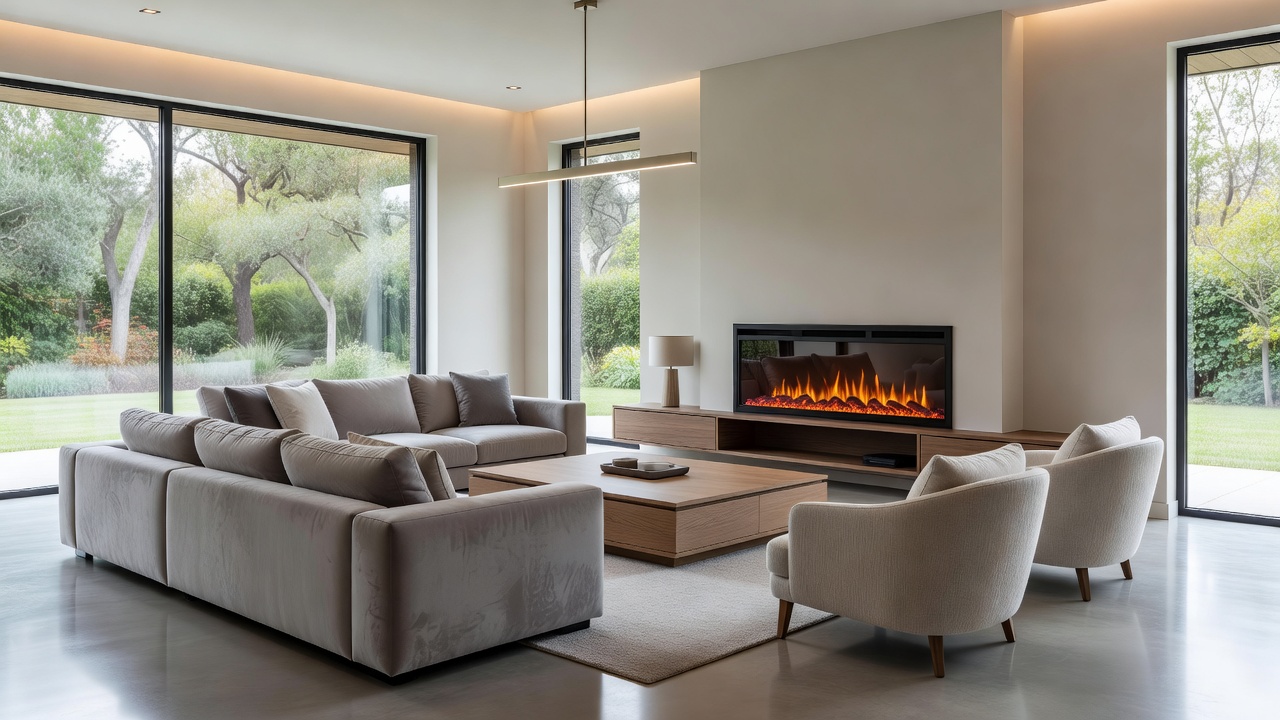
Adding a fireplace creates an instant focal point that elevates living room design and adds warmth and value to your home. In 2026, homeowners are prioritizing cozy yet efficient upgrades that blend modern functionality with timeless appeal. Whether you seek a dramatic centerpiece or subtle ambient heat, careful planning ensures the project enhances both aesthetics and daily comfort. Fireplaces have long served as the heart of family gatherings, providing not only heat but also a visual anchor that influences furniture placement, lighting choices, and overall ambiance. This guide covers every stage of the remodeling process, from selecting the right fuel type to budgeting for professional installation and ongoing maintenance. Follow these actionable remodeling tips to achieve a safe, stylish result that suits your space and lifestyle. Real-world examples show how even modest living rooms gain sophistication and resale appeal through thoughtful fireplace integration.
Choosing the Right Fireplace Type
Selecting between gas, electric, or wood-burning models depends on your priorities for heat output, maintenance, and visual style. Gas fireplaces offer realistic flames with convenient controls and clean operation, making them popular for primary residences where consistent performance matters. Electric units provide easy installation without venting and work well in apartments or homes lacking chimneys; they also allow precise temperature adjustments via remote or app controls. Wood-burning options deliver authentic crackling sounds and high heat but require regular cleaning and proper ventilation to avoid smoke issues. Consider local regulations and energy efficiency when deciding. For example, wood-burning models may face restrictions in certain areas due to emissions. Compare flame realism, cost of operation, and installation complexity before committing. Many homeowners in 2026 opt for hybrid or ventless gas models to balance convenience with visual impact while meeting stricter environmental standards. Exploring showrooms or virtual tours helps visualize how each type integrates with your existing living room design.
Assessing Structural Requirements
Before any construction begins, evaluate your living room's structural integrity. Check floor load-bearing capacity, especially for heavier masonry or stone surrounds that can weigh several hundred pounds. Existing walls may need reinforcement or modifications to accommodate venting systems, particularly if running a new flue through an exterior wall or roof. Professional inspection by a structural engineer or licensed contractor identifies potential issues early, preventing costly surprises during remodeling. Chimney or flue installation is critical for gas and wood models. Electric fireplaces bypass these needs entirely, making them ideal for quick upgrades in multi-story homes or condos. Always verify ceiling height and clearance to combustible materials to meet safety codes. Additional considerations include electrical panel capacity for electric units and gas line proximity for gas models. In older homes, asbestos or outdated wiring may require remediation before proceeding.
Step-by-Step Remodeling Tips for Installation
- Plan the layout by marking the fireplace location on the floor and walls, ensuring it aligns with traffic flow and seating arrangements. Measure twice and account for mantel depth and hearth extension.
- Obtain necessary permits from your local building department to comply with fire safety regulations and avoid future fines.
- Hire certified professionals for gas line connections, electrical wiring, or masonry work; verify licenses and insurance before signing contracts.
- Install the unit according to manufacturer specifications, including proper venting, insulation, and firebox sealing to prevent heat loss or drafts.
- Finish with a mantel or surround that matches your living room design theme, incorporating built-in shelving or recessed lighting for added functionality.
- Test the system thoroughly before finalizing the space, checking for leaks, proper ignition, and even heat distribution.
Each step benefits from detailed documentation and regular communication with your contractor. Homeowners who document the process with photos often find it helpful for future maintenance or resale disclosures.
Comparing Modern vs Traditional Mantel Styles
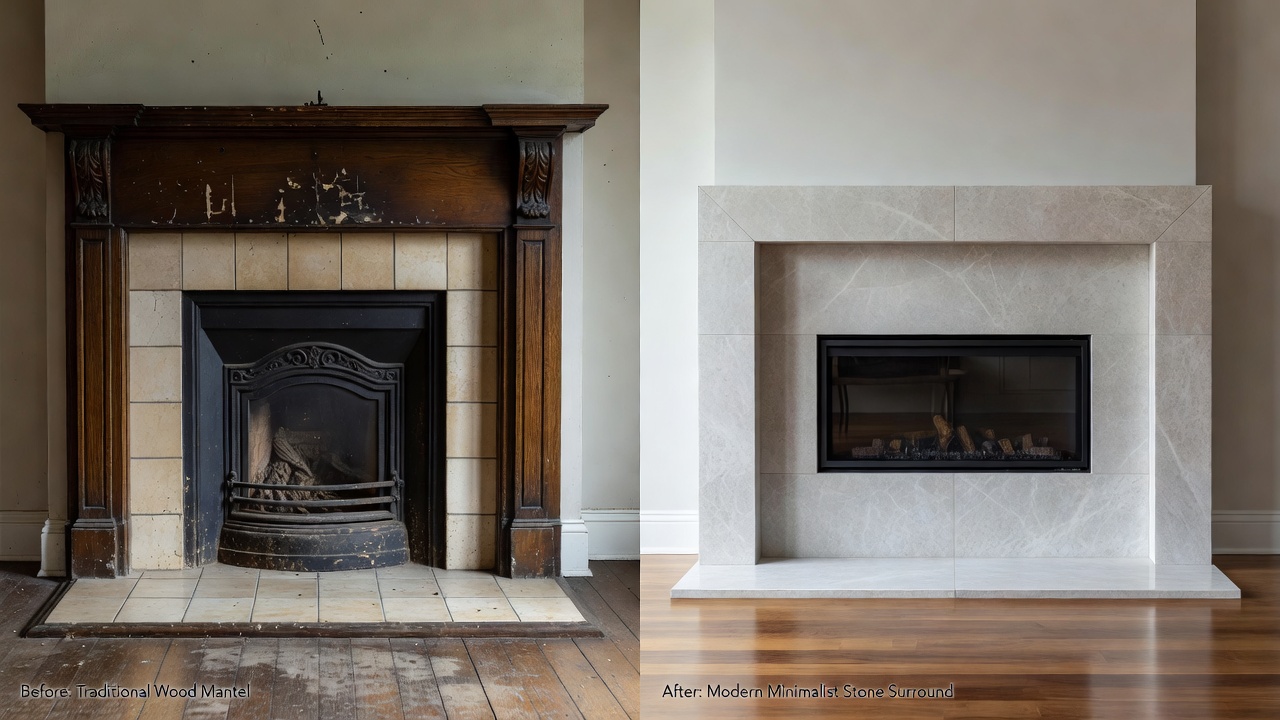
Modern mantels often feature sleek lines, floating designs, or integrated shelving in materials like concrete, metal, or reclaimed wood. They pair well with minimalist living room design and clean architectural details such as large-format tiles or hidden storage. Traditional mantels emphasize ornate woodwork, carved stone, or intricate tile in classic profiles that evoke warmth and heritage, suiting spaces with crown molding or period furniture. Before-and-after examples frequently show how swapping a dated surround for a contemporary one instantly refreshes the entire room. Choose a style that complements existing furniture and color palettes while serving as the room's visual anchor. Mixing elements, such as a traditional mantel with modern accessories, creates eclectic appeal popular in 2026 design trends. Consider scale carefully: oversized mantels can overwhelm small rooms, while undersized ones may look disproportionate in larger open-concept spaces.
Energy Efficiency and Design Integration
Integrating a fireplace into your living room design requires attention to energy performance and visual harmony. High-efficiency models with sealed combustion reduce heat loss and improve indoor air quality. Pair the unit with programmable thermostats or smart controls for optimal operation. Design integration involves coordinating finishes with flooring, wall colors, and window treatments. For instance, extending tile or stone from the fireplace to nearby accent walls creates cohesion. Add layered lighting, comfortable seating oriented toward the fire, and seasonal decor to maximize enjoyment year-round.
Safety Considerations and Maintenance
Safety remains paramount. Install carbon monoxide detectors and ensure proper clearances from furniture and rugs. Regular professional servicing prevents hazards such as gas leaks or creosote buildup. For wood-burning units, schedule annual chimney sweeps. Maintenance routines vary by type: gas models need occasional burner cleaning, while electric units require simple dusting. Following manufacturer guidelines extends the lifespan of your investment. Consult resources from the National Fire Protection Association for detailed safety protocols and the U.S. Department of Energy for efficiency recommendations. Additional tips include keeping a fire extinguisher nearby and educating family members on safe operation.
FAQ
Is professional installation required?
Yes for gas and wood-burning models to ensure code compliance and safety. Electric units may allow DIY in some cases but still benefit from expert electrical work.
How long does the project typically take?
Most installations complete within one to three weeks depending on complexity and permits.
What about indoor air quality?
Modern units with proper venting minimize emissions. Consult resources from the EPA for guidance on efficient choices.
Can I add a fireplace to an existing chimney?
Often yes, but a professional inspection determines compatibility and any required repairs or liners.
Are there options for small living rooms?
Yes, corner units, wall-mounted electric models, and slim gas inserts fit compact spaces without overwhelming the design.
Conclusion
Adding a fireplace to your living room combines practical warmth with powerful design impact. By carefully selecting the fuel type, addressing structural needs, and following detailed remodeling steps, you create a lasting feature that enhances comfort and home value. Begin with a clear vision and trusted professionals to enjoy beautiful results for years to come. Thoughtful planning ensures the fireplace becomes a beloved element of your living room design rather than a source of regret.
No comments yet. Be the first!