 Fixated on Home
Introduction to Ceiling Treatments in Living Room Design
Many homeowners focus on walls, floors, and furniture when upgrading their living rooms, but the ceiling often remains an overlooked canvas. Creative ceiling treatments can dramatically elevate the space, adding depth, architectural interest, and a custom feel that reflects modern interior trends. In 2026, these upgrades blend functionality with style, using sustainable materials and smart lighting integration to create inviting environments that feel both fresh and timeless.
This guide explores proven techniques including tray ceilings, exposed beams, and textured finishes. You'll find step-by-step installation overviews, real-home examples, before-and-after insights, and advice on avoiding common mistakes. Whether your style leans contemporary or transitional, these ideas provide actionable remodeling inspiration beyond basic decor changes. By treating the ceiling as an active design element, you can achieve a cohesive look that enhances the overall flow and comfort of the living area.
Why Ceilings Matter for Interior Upgrades
Ceilings influence light reflection, acoustics, and perceived room height. A well-designed ceiling can make a standard living room feel more spacious and luxurious. With rising interest in holistic home design, incorporating ceiling elements creates visual continuity that ties furniture layouts together seamlessly. The right treatment also improves energy efficiency by allowing better placement of insulation and lighting fixtures that reduce overall power consumption.
Modern approaches emphasize eco-friendly options such as recycled wood composites and low-VOC paints. These choices align with 2026 sustainability goals while enhancing durability. Homeowners report higher satisfaction when ceilings complement existing layouts rather than compete with them. For deeper guidance on sustainable building practices, consult resources from the U.S. Environmental Protection Agency.
Tray Ceilings: Adding Depth and Elegance
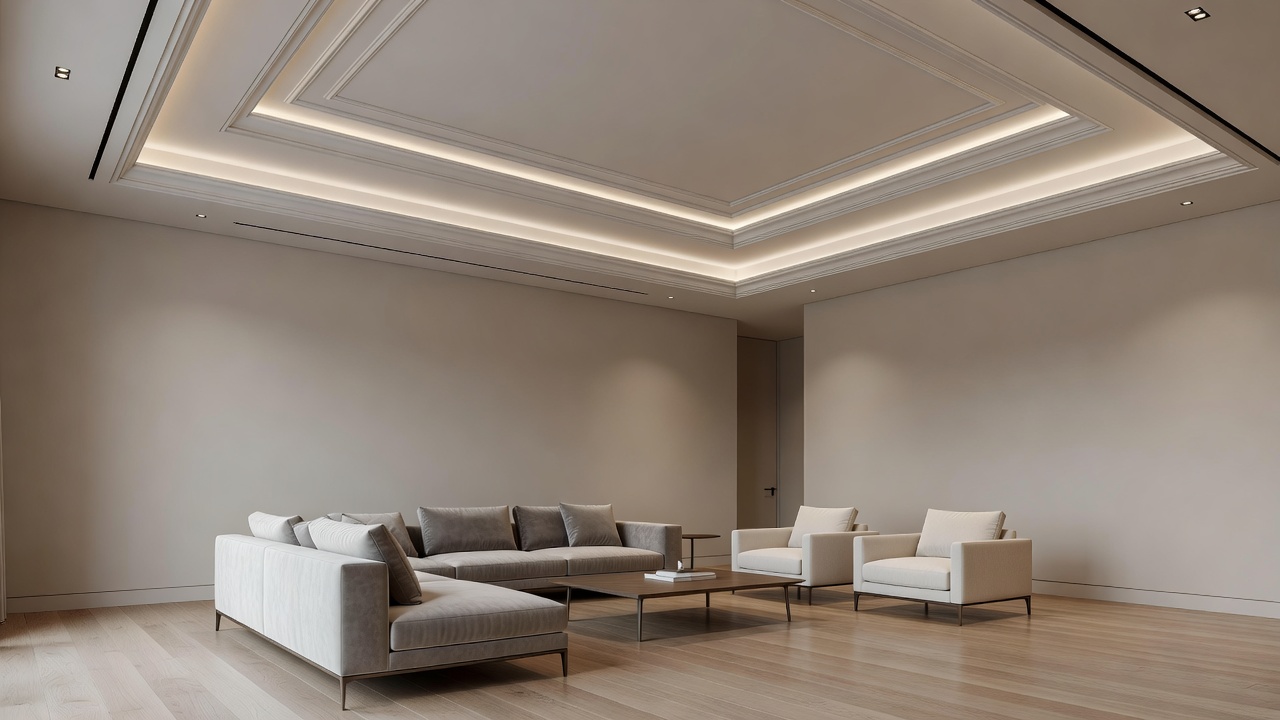
Tray ceilings feature a recessed central panel surrounded by a raised border, creating a layered effect that draws the eye upward. Ideal for living rooms with standard 8- to 9-foot heights, they work well in both new builds and renovations. The design allows for creative lighting placement and can incorporate subtle color contrasts that make the room feel taller and more refined.
Step-by-Step Installation Overview
- Assess structural support and mark the perimeter on the existing ceiling.
- Install framing lumber to create the recessed tray depth, typically 6 to 12 inches.
- Add drywall panels and finish edges with crown molding for a polished look.
- Incorporate recessed LED lighting within the tray for ambient glow.
- Paint in contrasting tones to emphasize the architectural detail.
- Seal all joints and apply final finishes to ensure longevity.
Real-home examples show tray ceilings paired with neutral palettes transforming boxy rooms into elegant gathering spaces. Before-and-after photos often reveal how the treatment makes furniture arrangements appear more balanced and intentional.
Exposed Beams: Rustic Charm with Modern Appeal
Exposed beams introduce texture and warmth, especially in open-concept living rooms. Reclaimed timber or faux options provide character without major structural changes. In contemporary settings, beams can be painted to match walls or left natural to create focal points above seating areas.
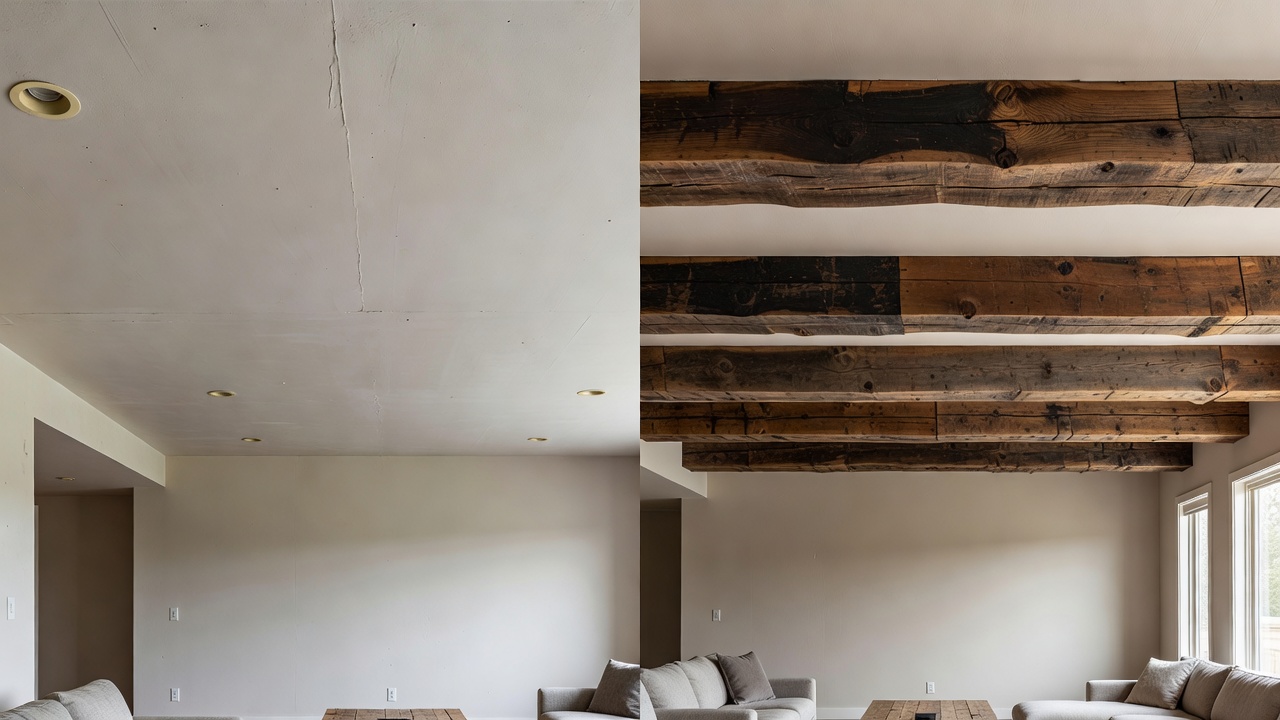
Installation typically involves securing beams to ceiling joists after verifying load-bearing capacity. For 2026 projects, many opt for lightweight engineered beams finished with matte stains that highlight natural grain. This approach integrates beautifully with sectional sofas and area rugs, creating cozy yet sophisticated vibes. Additional considerations include spacing beams evenly and coordinating their finish with window trim and door frames for visual harmony.
Textured Finishes for Visual Interest
Textured ceilings range from subtle plaster effects to bold geometric patterns. Venetian plaster and acoustic panels offer both aesthetics and sound absorption benefits, which is especially useful in homes with open floor plans or high ceilings. Application starts with surface preparation, followed by trowel techniques or specialized rollers. Popular 2026 materials include lime-based plasters for breathability and recycled acoustic tiles that reduce echo in larger living areas. These finishes also help regulate indoor air quality when paired with proper ventilation strategies.
Lighting Integration and Smart Home Compatibility
Modern ceiling treatments often incorporate advanced lighting solutions. Recessed fixtures, cove lighting, and pendant options can be embedded directly into tray designs or around beams. Smart controls allow homeowners to adjust brightness and color temperature throughout the day, enhancing both mood and functionality. Integration with existing furniture layouts requires careful planning so that light sources do not create glare on screens or reflective surfaces.
Budget Considerations and Material Recommendations
Costs vary by complexity, but focusing on quality materials ensures longevity. Explore options like sustainable MDF for moldings or LED-integrated kits for energy efficiency. Always compare local suppliers for the best value in your region. Prioritizing durable, low-maintenance products reduces long-term expenses while delivering professional results. Energy-efficient choices can also qualify for incentives in many areas; learn more from the U.S. Department of Energy.
Common Pitfalls to Avoid
- Skipping structural assessments, which can lead to sagging over time.
- Choosing finishes that clash with existing furniture scale and colors.
- Neglecting proper ventilation during installation of textured materials.
- Overcomplicating designs that overwhelm smaller living rooms.
- Ignoring acoustic needs, resulting in echoey spaces that feel less inviting.
- Failing to coordinate ceiling height changes with door and window placements.
Before-and-After Comparisons and Real Examples
One suburban home transformed a flat ceiling with a simple tray and beam combination, resulting in a space that felt noticeably larger visually. Another urban loft used textured plaster to soften industrial elements while maintaining modern appeal. A third example involved a family room where geometric patterns were added above a large sectional, creating a conversation-starting focal point without additional wall decor. These examples demonstrate how thoughtful ceiling work enhances daily living without requiring full renovations. Comparing the original plain surfaces to the finished designs highlights the dramatic yet achievable impact of these upgrades.
Conclusion
Creative ceiling treatments offer an impactful way to refresh living room design. By combining tray elements, beams, and textures with careful planning, you achieve a polished result that lasts. Start with your room's proportions and existing layout to select the best approach for lasting satisfaction.
FAQ
How do I maintain treated ceilings?
Regular dusting with microfiber cloths and occasional touch-up painting keeps surfaces looking fresh. Avoid harsh cleaners on textured finishes to prevent damage.
Can these treatments work with existing furniture?
Yes, by selecting complementary colors and scales that harmonize with sofas, tables, and lighting already in place.
What 2026 trends influence material choices?
Focus remains on sustainable, low-emission products that support healthier indoor environments and reduce environmental impact.
How long does installation typically take?
Most projects require three to seven days depending on complexity and whether structural modifications are needed.
Are ceiling treatments suitable for renters?
Non-permanent options like removable panels or decorative overlays provide temporary upgrades without permanent alterations.

No comments yet. Be the first!