 Fixated on Home
Introduction to Pet-Friendly Living Room Remodeling
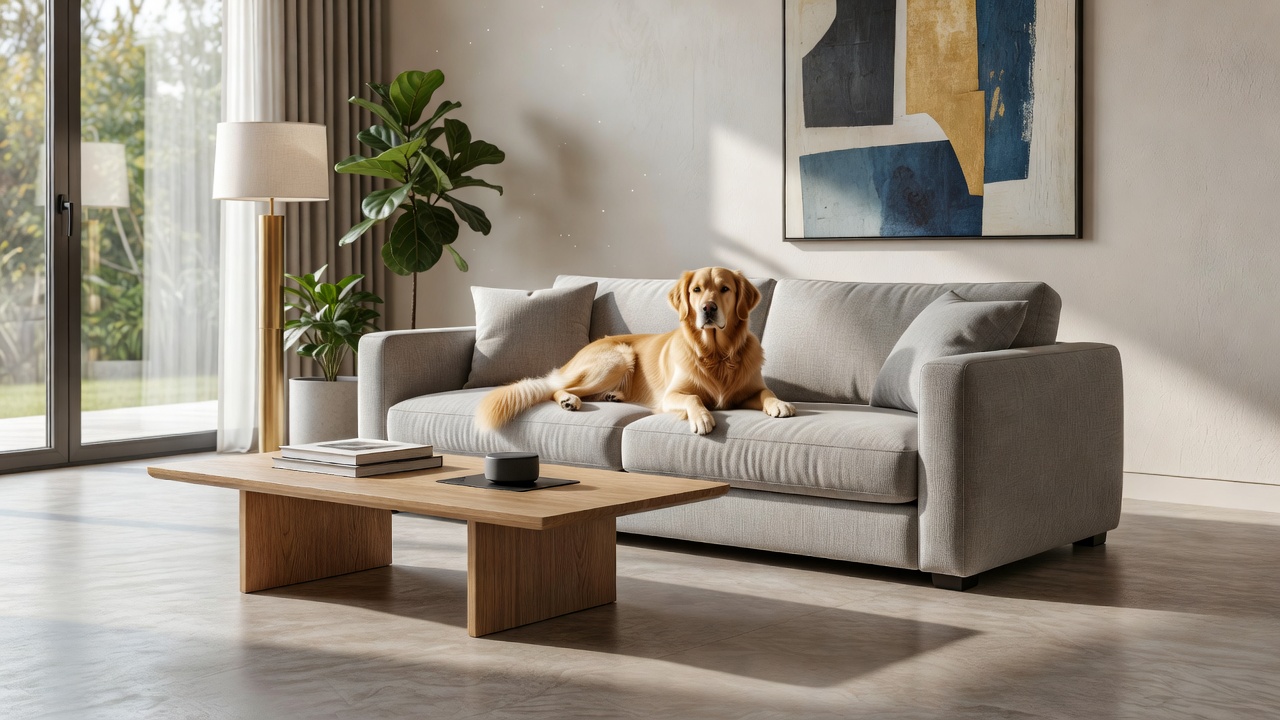
Creating a living room that welcomes both pets and people requires thoughtful remodeling choices that prioritize durability without compromising on style. In 2026, homeowners are increasingly focused on designs that accommodate pets of all kinds while maintaining a modern, inviting atmosphere. This comprehensive guide explores essential strategies for selecting materials, integrating functional storage, and incorporating smart interior upgrades. Whether you have energetic dogs, curious cats, or a mix of pets, these remodeling approaches ensure your space remains both practical and aesthetically pleasing. By addressing common pain points like scratches, odors, and clutter, you can achieve a living room that supports your lifestyle for years to come.
Selecting Scratch-Resistant Flooring Options
Flooring serves as the foundation of any pet-friendly living room, and choosing the right material makes a significant difference in daily maintenance. Options such as engineered hardwood with advanced protective coatings, luxury vinyl plank, and polished concrete provide excellent resistance to claws and heavy traffic. These materials stand up well to the daily wear from jumping, running, and playing. Homeowners often compare pre-remodel worn carpets with post-installation results, noting how new flooring instantly elevates the room's appearance while simplifying cleanup. Consider factors like moisture resistance for homes with dogs that track in water or snow, and opt for finishes that hide minor scuffs. ASPCA guidelines emphasize selecting non-toxic materials to keep pets safe during and after installation.
Step-by-Step Installation Example
Proper installation ensures longevity and performance. Begin by evaluating the subfloor for flatness and any moisture issues using a level and moisture meter. Next, lay a high-density underlayment specifically rated for pet households to add cushioning and sound absorption. Install the chosen flooring planks or tiles with precise alignment to eliminate gaps where dirt could accumulate. Finally, apply a pet-safe, low-VOC sealant in multiple thin coats, allowing full curing time between applications. Real-world examples show that following these steps reduces long-term repair needs by creating a seamless, resilient surface.
Choosing Durable Fabrics and Upholstery
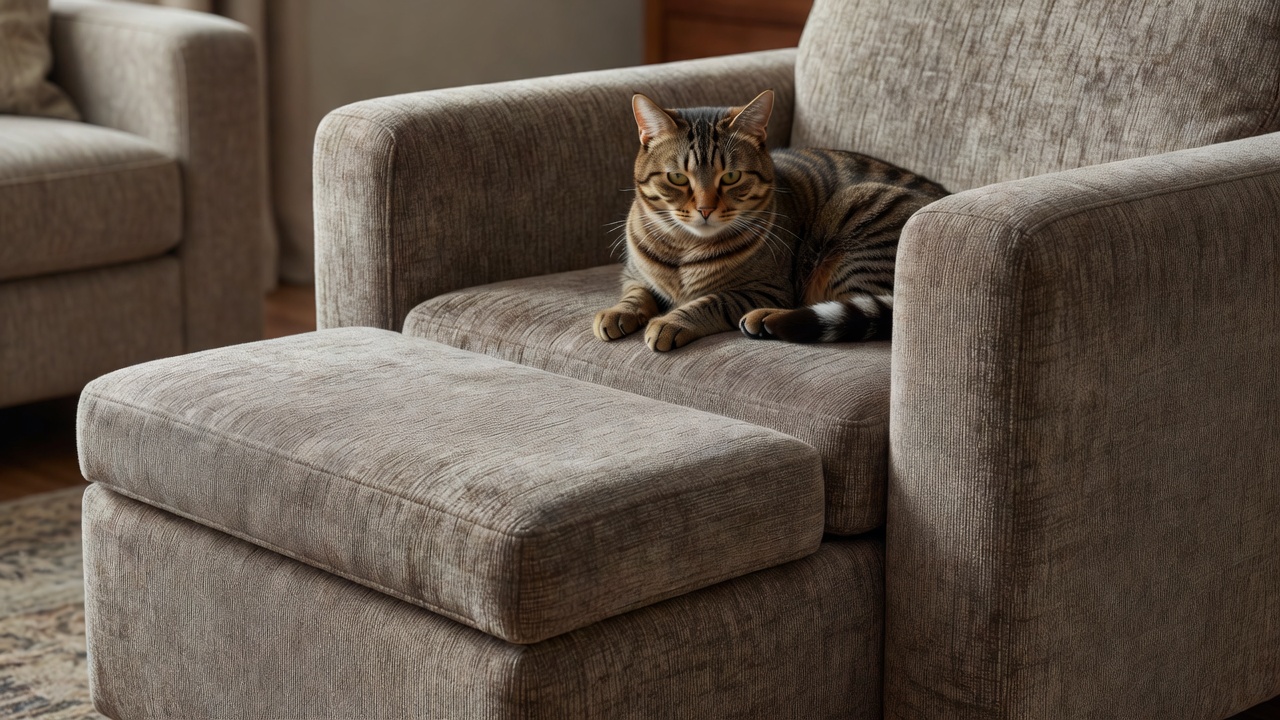
Upholstery choices directly impact how well your furniture withstands pet activity. Performance fabrics such as solution-dyed acrylics, treated leather, and high-density microfiber offer superior resistance to tears, stains, and odors compared to traditional textiles. When remodeling, prioritize pieces with removable slipcovers or modular designs that allow easy rotation and washing. Case studies from multi-pet households reveal that switching to these materials dramatically cuts down on visible damage and cleaning time. For added protection, consider furniture with tight weaves and reinforced seams that prevent claws from catching easily.
Integrating Hidden Storage for Pet Supplies
Clutter from toys, beds, and grooming tools can quickly overwhelm a living room, so hidden storage solutions are essential during remodeling. Built-in cabinetry with soft-close doors, ottomans featuring lift-top compartments, and console tables with concealed drawers keep supplies organized yet accessible. These upgrades maintain a clean visual line while supporting daily routines. Practical examples include converting unused alcoves into pet-supply nooks lined with easy-wipe surfaces. Homeowners report improved room flow and reduced stress after implementing such systems.
Interior Upgrades: Elevated Feeding Stations and More
Elevated feeding stations promote better digestion and reduce floor spills when integrated thoughtfully into the design. Incorporate them into custom sideboards or floating shelves that blend with existing decor. Additional upgrades like wall-mounted cat trees disguised as shelving units or retractable pet gates provide enrichment without visual dominance. These elements enhance both pet well-being and room functionality.
Case Studies for Different Pet Types
Real-home examples illustrate successful applications across pet varieties. Dog owners with large breeds often reinforce baseboards and select reinforced area rugs that handle rough play, transforming chaotic spaces into orderly environments. Cat-focused remodels frequently feature vertical climbing structures built into bookshelves, offering exercise opportunities while freeing floor space. Multi-pet households benefit from hybrid approaches combining odor-neutralizing flooring with modular storage that adapts to changing needs. Before-and-after photos consistently highlight how these targeted changes create harmonious living areas.
Additional Considerations: Walls, Rugs, and Lighting
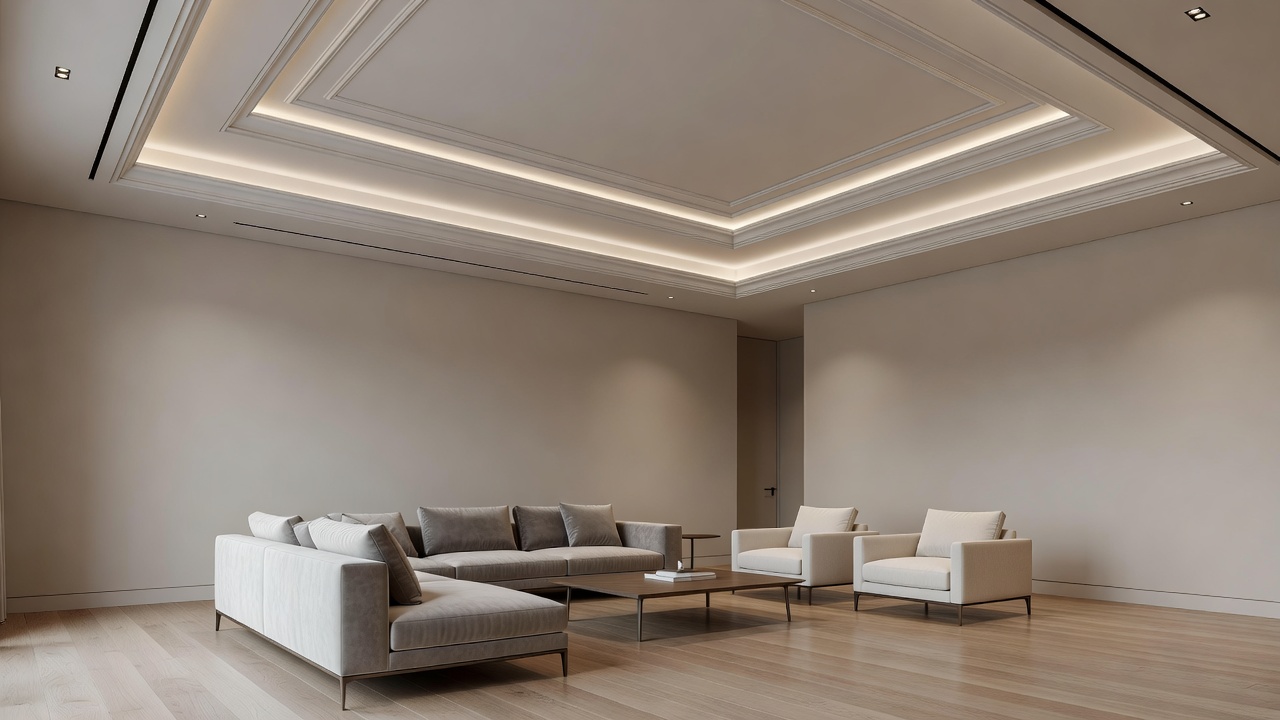
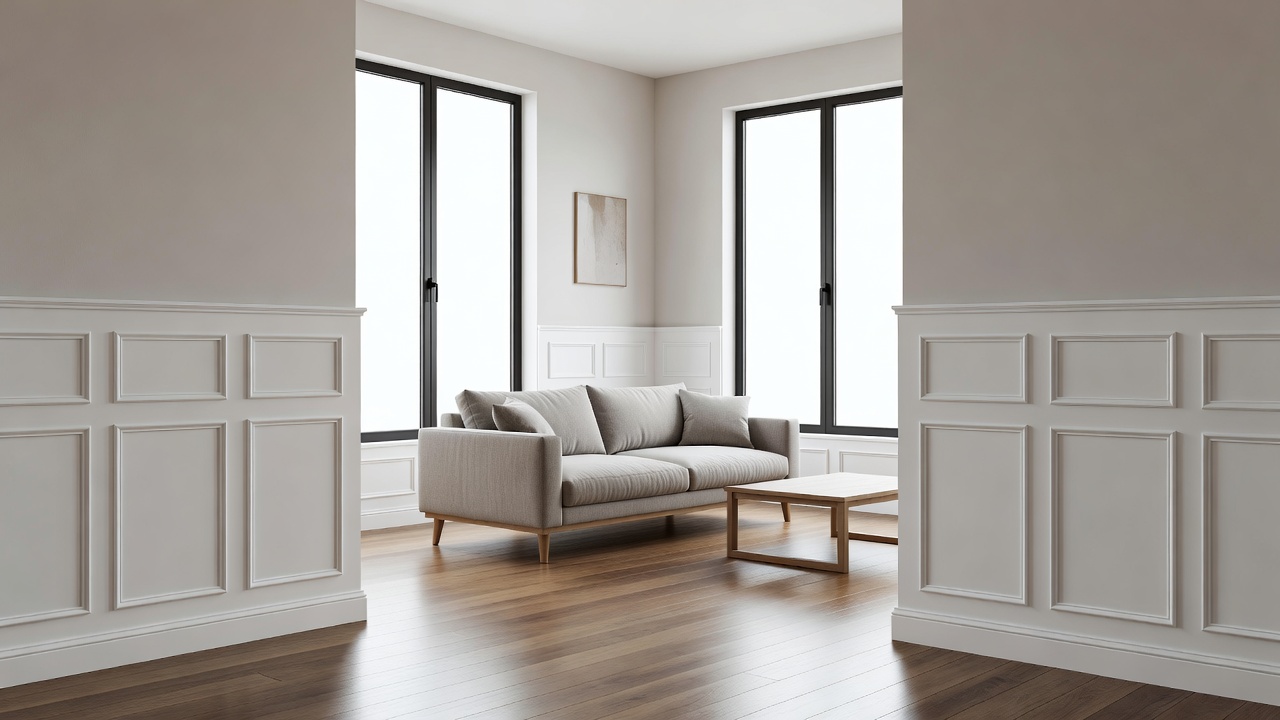
Beyond flooring and furniture, wall treatments play a key role. Opt for scrubbable paints in satin or semi-gloss finishes and install wainscoting to protect lower walls from scuffs. Area rugs should feature low-pile constructions with non-slip backings for safety and easy vacuuming. Lighting upgrades, such as recessed fixtures with dimmers, create calming environments that help reduce pet anxiety during storms or absences. These layered improvements contribute to overall comfort.
Common Mistakes to Avoid
- Selecting overly delicate materials that show wear quickly.
- Ignoring ventilation needs when adding storage units.
- Overlooking pet-specific safety features like rounded corners on new furniture.
- Skipping professional sealing on natural stone or concrete floors.
Maintenance and Long-Term Care
Establishing consistent routines preserves your investment. Weekly vacuuming with specialized pet-hair attachments combined with quarterly deep cleaning of upholstery keeps surfaces fresh. Humane Society recommendations stress using enzymatic cleaners for effective odor management without harsh chemicals.
Odor Control and Cleaning Routines in the FAQ
How do I control pet odors effectively?
Regular use of enzymatic cleaners on all surfaces combined with strategic placement of air purifiers equipped with HEPA filters addresses dander and smells at the source. Proper ventilation through open windows or exhaust fans also helps maintain freshness.
What is the best cleaning routine?
A weekly schedule of vacuuming, spot cleaning, and rotating washable covers works well. Monthly inspections of flooring seams and upholstery stitching allow early detection of issues before they worsen.
Are there safe products for multi-pet homes?
Look for EPA-registered cleaners labeled pet-safe and always test small areas first. EPA resources provide guidance on selecting low-toxicity options suitable for households with animals.
Conclusion
Remodeling for pet-friendly living rooms in 2026 successfully blends function with beauty when durable materials, smart storage, and thoughtful upgrades are prioritized. These strategies create spaces that truly accommodate every family member, pets included, for lasting enjoyment and minimal maintenance.
No comments yet. Be the first!